
















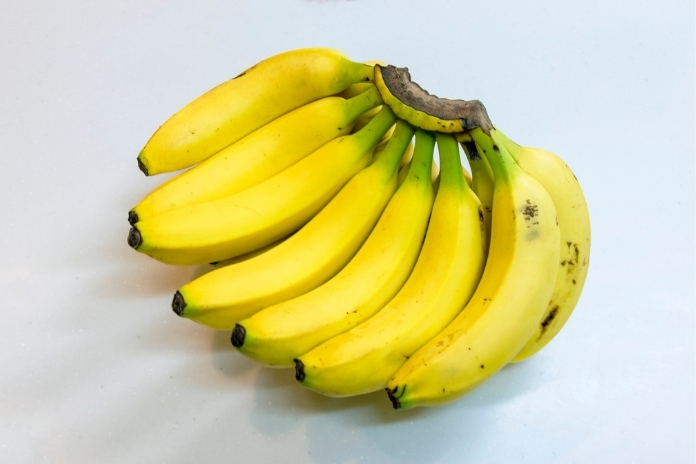
- Green bananas contain resistant starch that may increase gas.
- Ripe bananas are usually easier to digest.
- Sweet potatoes offer gentler fiber and may reduce bloating.
Bananas have long been promoted as the ideal “healthy” snack since they are portable, high in fiber, and high in potassium. However, concerns around potassium and bloating and banana bloating are increasingly discussed. You’re not dreaming, though, if you’ve ever felt bloated, gassy, or uncomfortable after eating one.
In fact, bananas are among the foods that cause bloating for some individuals.
When gastrointestinal sensitivity, fructose malabsorption, sorbitol intolerance, FODMAP intolerance, or meal size are factors, bananas may cause bloating in certain people.
Giving up fruit isn’t always necessary; you might only need to make a more intelligent substitution. Many people discover that eating sweet potatoes promotes easier sweet potato digestion, making them one of the more reliable digestion-friendly foods, which helps to lessen gas, water retention, and that constricted, bloated sensation around the stomach.
This is why sweet potatoes for gut health are often recommended.
This article will discuss why some people experience banana bloating after eating bananas, explain the science underlying FODMAP foods and digestive distress, look at the role of resistant starch in bananas, and discuss how sweet potatoes may be a better option for gut health.
Read More: Green Bananas and Gut Health: Why “Unripe” Starch Is the Secret to Better Digestion and Lower Bloat
Why Bananas Can Cause Bloating in Some People
The FODMAP Factor — Fructose and Fructans
Bananas contain fermentable carbohydrates known as FODMAPs, which can be tough for some people to digest, especially those managing fructose malabsorption or following a low FODMAP diet. FODMAP stands for Fermentable Oligosaccharides, Disaccharides, Monosaccharides, and Polyols.
Here’s something interesting: the FODMAP levels in bananas actually shift as they ripen, which may explain why they are sometimes listed among foods that cause bloating.
- Unripe banana contains high levels of resistant starch in bananas. For some people, that can make symptoms worse and contribute to banana bloating.
- But as bananas ripen, their FODMAP content decreases, so most folks find them easier to handle.
In fact, moderate amounts of ripe bananas are harmless for many IBS sufferers. However, tolerance varies from person to person, particularly in those sensitive to potassium and bloating concerns.
“Bananas are not generally a common cause of stomach pain,” says Elena Ivanina, DO, a gastroenterologist based in New York City. “But they could trigger discomfort if you have certain food sensitivities or if you eat them in large quantities.”
Resistant Starch in Underripe Bananas
Bananas contain rich nutrients and support intestinal health and the gut microbiome. Digestion, however, is very personal. For one individual, something light could feel heavy.
More resistant starch in bananas is found in unripe or slightly green bananas.
Resistant starch:
- The small intestine does not completely digest
- Reaches the colon
- Fermented by the bacteria in the intestines
- Generates gas during fermentation
This fermentation may result in the following for those with sensitive digestion:
- Bloating
- Discomfort in the abdomen
- More gas
Check the ripeness of the bananas if you experience bloating after eating them. Green bananas are generally harder to digest than fully yellow bananas with brown spots.
Sorbitol and Natural Sugars
Although sorbitol is a naturally occurring sugar alcohol, excessive use of it might result in gas, bloating, or diarrhea, particularly in people with sorbitol intolerance.
The amount of sorbitol in one banana is usually insufficient to cause problems for most people. However, eating too many bananas at once may cause stomach pain and even mild water retention.
When “Healthy” Fiber Feels Heavy
About 3 grams (g) of fiber, primarily soluble fiber, are found in a medium banana, raising questions around soluble vs. insoluble fiber and digestive response. That’s hardly a lot of roughage on its own. (The 2020–2025 Dietary Guidelines for Americans state that individuals should consume 28–34 grams of fiber daily.)
However, if you’re not used to eating bananas, eating multiple bananas at once or with other high-fiber foods (like beans, whole grains, vegetables, and other fruits) may make you more likely to experience cramps, gas, and bloating.
Read More: Yam vs. Sweet Potato: What’s the Difference and Which Is Healthier?
The Sweet Potato Fiber Secret for a Flatter Stomach
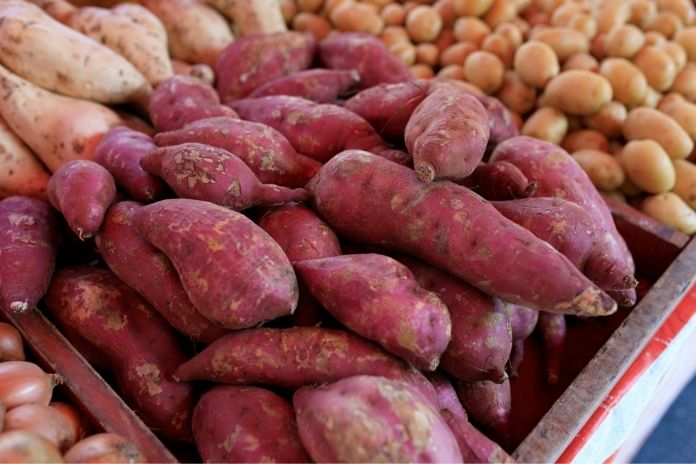
Here’s why sweet potatoes might make you feel noticeably lighter if bananas make you feel bloated.
Gentle, Soluble Fiber That Soothes Digestion
Pectin, a type of soluble fiber, is abundant in sweet potatoes. Smoother stool production and a modest slowdown in digestion are the results of soluble fiber’s gel-like development in the digestive tract.
For many people, sweet potato fiber produces less rapid gas than some fermentable fibers.
Soluble fiber helps regulate bowel movements, which often lessens the heavy, enlarged feeling that constipation causes in those who experience it.
A Low-Glycemic, Steady Energy Source
Sweet potatoes have many types of health benefits and are a good addition to any diet, even for those with diabetes, even though they do not fall into the low glycemic index category. A cup of unadulterated mashed sweet potato contains 249 calories, 8 grams of fiber, 2.3 mg of iron, 754 mg of potassium, and trace amounts of calcium, phosphorus, and magnesium.
In November 2016, a study published in Food Research International provided additional information on the nutritional benefits of sweet potatoes. These starchy vegetables are rich in phenolic acids, carotenoids, and anthocyanins, all of which are important antioxidants.
Antioxidants fight free radicals, which are substances you apply to your skin, eat, and breathe in from pollution. The main cause of cell damage that results in aging and chronic illness is free radicals.
Potassium and Magnesium: Nature’s Bloat-Busters
Sweet potatoes are high in potassium, just like bananas. Potassium is essential for maintaining fluid equilibrium. Sweet potatoes contain sixteen percent of the daily value for potassium.
Sweet potatoes are a fantastic substitute for white potatoes because they are low in fat and high in fiber, carbohydrates, and vitamin A. Sweet potatoes also contain magnesium, which relaxes intestinal muscles and may help reduce cramping and constipation.
If water retention rather than gas causes your bloating, increasing your potassium intake while reducing your salt intake can significantly lessen belly puffiness.
Anti-Inflammatory Nutrients That Support Gut Health
You’ve probably heard the recommendation to follow a “rainbow diet,” which involves eating a variety of colored fruits and vegetables.
The antioxidants that sweet potatoes add to your dish are reflected in their variety of colors, which include orange, yellow, white, and even purple. For instance, purple sweet potatoes are rich in anthocyanins, similar to those in blueberries, while yellow and orange sweet potatoes are high in beta-carotene.
Your body experiences several pressures when you lose weight, including changes in hormones, alterations in metabolism, and increased physical activity.
Inflammation may result from these alterations, but studies indicate that consuming foods rich in antioxidants, such as sweet potatoes, can help reduce stress and inflammation.
Read More: The Sweetest Superfood: 19 Sweet Potato Benefits, Tips & Quick Recipes
How to Reduce Bloating Naturally — Practical Tips
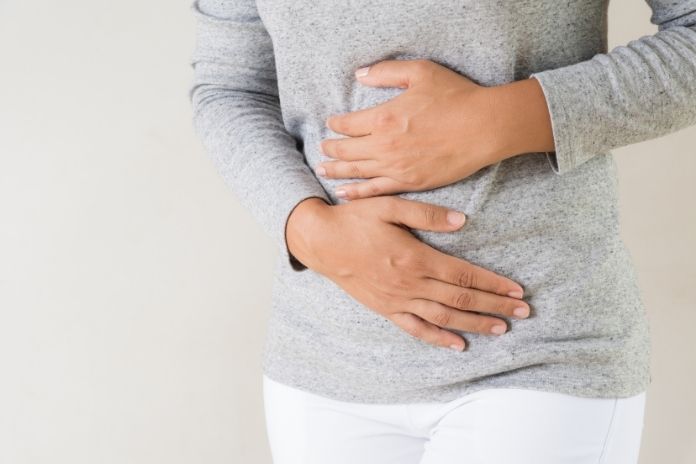
Here are some medically recommended actions you can take if bananas seem to make you bloated:
Choosing the Right Banana
Seek out:
- Completely yellow peel
- Spots of brown
- Smooth texture
These bananas are easier to digest and have less resistant starch.
Making Sweet Potatoes Gut-Friendly
It’s important to prepare.
- Skip the deep fryer; try roasting or boiling instead.
- If your stomach handles it, keep the skin on. That’s where you’ll find extra fiber.
- Pair sweet potatoes with some lean protein or a splash of olive oil. It helps you feel full and slows the rate at which your body absorbs carbs.
And make sure to cook sweet potatoes all the way through. They’re a lot easier to digest that way.
Hydrate and Move
Fiber requires fluid. Throughout the day, try to stay hydrated.
After meals, even a quick stroll of ten to fifteen minutes promotes intestinal motility and lessens gas accumulation.
Bloating can frequently be reduced more successfully with minor lifestyle changes than with severe dietary restrictions.
When to See a Doctor About Persistent Bloating

Bloating happens to a lot of people, but if it sticks around for a while or shows up with other symptoms, it’s smart to check in with your doctor. Say you start losing weight without trying, and you’re always bloated; that’s a sign something more serious could be going on with your digestion.
Read More: 10 Simple Ways to Make Mashed Potatoes Healthier (Without Losing the Creamy Comfort)
Conclusion
Although there is no denying that bananas are nutritious, not everyone can digest them well. Several variables may cause painful banana bloating in certain individuals. These include sensitivity to FODMAPs, fermentation of resistant starch, and the presence of sorbitol. In some cases, bananas may fall under foods that cause bloating and even contribute to mild water retention due to their potassium content.
Bananas are not inherently unhealthy; rather, this shows that gut health can vary greatly from person to person. Paying attention to the fruit’s maturity, the portion size, and the total fiber consumed can make a discernible impact.
In this Article