

















One of the most excruciating and prevalent urological disorders in the world is kidney stones.
The National Kidney Foundation estimates that approximately 10% of people will have kidney stones at some point in their lives.
The most prevalent type of kidney stone among them is calcium oxalate stones. Many people are looking for natural approaches to prevent kidney stones, such as dietary regimens that include citrus fruits, because recurrence rates remain high.
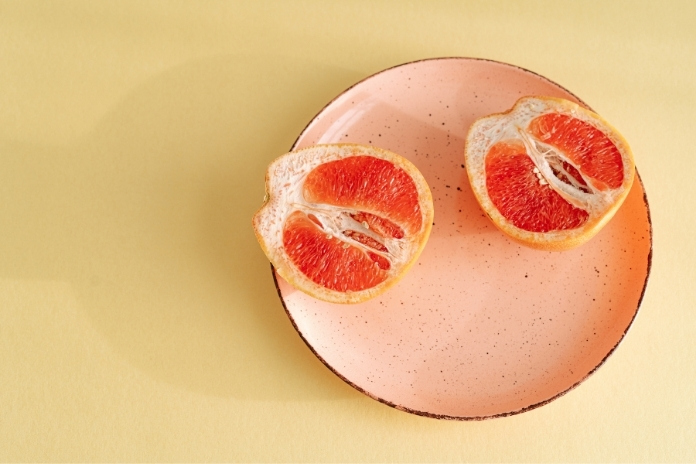
Researchers have proposed that grapefruit may be a preventive measure for kidney stones because it contains high levels of citric acid.
This article will discuss the formation of calcium oxalate stones, the role of urine citrate levels in prevention, and the mechanisms of action of citric acid.
Read More: Kidney Stones: Why They Happen and How to Prevent Them
How Kidney Stones Form—The Role of Calcium and Oxalate
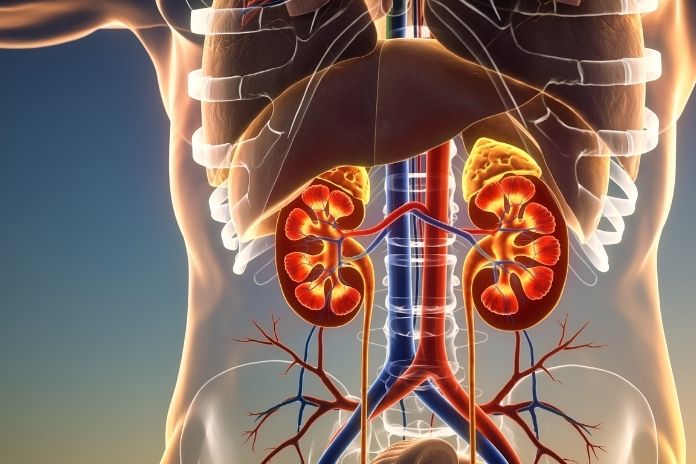
Although most of us are aware of kidney stones and the discomfort they can bring, not everyone is fully aware of their nature, the causes of kidney stones, or the best ways to cure them. When minerals accumulate in the urinary canal and crystallize into a pebble-like mass, kidney stones can result.
Kidney stones can be tiny and invisible. However, in certain instances, it may reach pea-sized size and become lodged in the ureter, which is the tube that carries urine from the kidneys to the bladder, obstructing urine flow and producing excruciating agony.
In the worst situations, the agony is so bad that it necessitates a trip to the ER, which occasionally leads to surgery.
The most common type of kidney stone is known as calcium oxalate. Excess oxalate in the urine causes calcium oxalate stones. Numerous foods naturally contain oxalate. Your bloodstream carries waste products from your diet, such as oxalate, to your kidneys, where they are eliminated in urine.
Crystals may form in urine when there is excess waste and a deficiency of liquid. A kidney stone is a solid mass-like structure that can form when these crystals adhere to one another.
Read More: Kidney Stones in Women: Why They’re Often Misdiagnosed as UTIs
The Science of Citric Acid and Kidney Stone Prevention
What Citrate Does Inside the Body
Naturally occurring in fruits and vegetables, especially citrus fruits, citrate, also known as citric acid, is an antioxidant and known inhibitor of calcium-based stone formation. Potassium citrate is frequently used to slow stone formation, along with dietary modifications and increased fluid intake.
Despite being typically well tolerated, 17 to 45% of patients on long-term potassium citrate medication have been shown to experience gastrointestinal problems. Moreover, potassium citrate treatment necessitates a strict regimen of taking a lot of pills or liquid supplements, which some patients may find challenging to stick to.
Healthcare providers may use dietary citrate in addition to, or instead of, potassium citrate therapy for people who cannot tolerate or do not respond well to potassium citrate therapy.
Why Citrus Fruits Are Often Recommended
Urine with citric acid is less likely to form kidney stones. You get citric acid from citrus fruits, but unlike the citrate in some meds, it doesn’t make your urine more alkaline. What it does do is coat tiny stones, stopping other stuff from sticking to them and making them bigger. That’s how it keeps those little stones from turning into bigger problems.
The Grapefruit Paradox — Mixed Evidence Explained
What Clinical and Epidemiological Studies Show
Grapefruit juice has a protective effect by raising urine citrate levels, according to small metabolic studies.
Persons who regularly consume grapefruit juice had a 37-44% increased risk of kidney stones, according to extensive epidemiological research, including data from the Nurses’ Health Study.
The grapefruit kidney stones controversy stems from this paradox: how can a substance that raises urine citrate levels also increase the risk of kidney stones?
Potential Mechanisms Behind the Conflicting Data
Researchers are putting up several explanations:
- In some people, grapefruit may increase urine oxalate levels, which could counteract the benefits of citrate.
- Several studies assessed grapefruit juice instead of the entire fruit. Sugars added to commercial juices may raise the risk of stones.
- The metabolism of oxalate and citrate varies from person to person.
Grapefruit vs. Other Citrus: Which Is Best for Prevention?
Kidney stone disease hits about 10–14% of people in developed countries, and it’s gotten more common over the past few decades. Changing diets around the world plays a big role in this.
What people eat not only affects how many stones develop but also determines what they are made of. Most kidney stones are still calcium oxalate stones, but there are now more uric acid stones than before. Today’s diets are packed with sugar, and more people are dealing with metabolic syndrome, which mostly explains this trend.
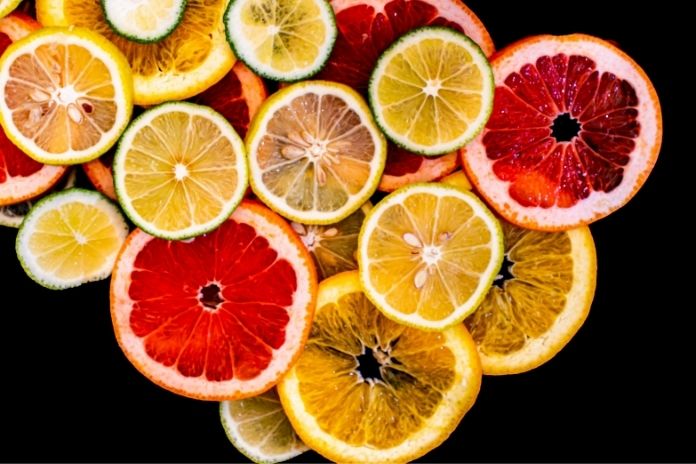
Citrus fruits like oranges, grapefruits, and lemons, as well as the juices they yield, are essential parts of the contemporary diet and are becoming increasingly popular due to current health trends.
Consuming these liquids may affect how kidney stones form. On the one hand, the preventive effects include the high citrate content, the alkalinizing effect on urine pH, and the liquid intake itself, including juice consumption.
Read More: Kidney Stones: Types, Causes, Symptoms, and Diet
Practical Tips for Reducing Kidney Stone Risk Naturally
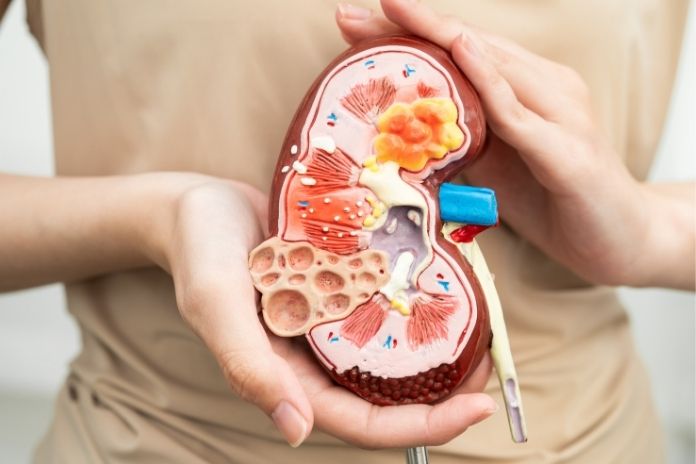
Kidney stones are more than just temporary discomfort; they may indicate the need for dietary or lifestyle changes. The actions you take now can have a significant impact, regardless of whether you have had a stone in the past or wish to prevent one in the future.
Consume Plenty of Fruits and Vegetables
Oxalate is not harmful to you. People who consume more plant-based foods, including whole grains, fruits, vegetables, and plant proteins like beans, nuts, and seeds, have a much lower risk of kidney stones. Actually, kidney stones can be avoided by following the Mediterranean diet and the Dietary Approach to Stop Hypertension, or “DASH,” diet.
Increase Your Fluid Intake
You should consume enough fluids to produce two quarts of pee per day, unless you have congestive heart failure or impaired kidney function. You will need to consume more water if you are physically very active or perspire a lot.
Limit the Amount of Salt
Your body gets rid of salt by causing calcium to enter your urine, which raises your chance of kidney stones.
Limit Animal Protein
You should only eat two servings of animal protein each day. Experts consider two decks of cards to be the approximate size of a serving. Red meat, fish, and chicken are among the animal proteins that can raise the risk of kidney stones.
Steer Clear of Foods High in Oxalate
Avoid foods containing more than 150 mg of oxalate per serving. When consuming a high-oxalate food, pair it with a calcium-rich diet. In the intestine, calcium binds to oxalate, preventing its absorption.
Safety and Medical Considerations
A nutritious diet can include both grapefruit and grapefruit juice. Vitamin C and potassium, which your body needs to function correctly, are found in grapefruit.
Grapefruit and grapefruit juice can have an impact on how your medications function, and there may be a risk of a food and medication interaction.
The U.S. Food and Drug Administration mandated that cautions against consuming grapefruit juice or grapefruit while taking certain prescription and over-the-counter medications, often taken orally, be included.
The following are some examples of medicines with which grapefruit juice may interact or cause issues:
- Lipitor (atorvastatin) and Zocor (simvastatin) are two statin medications that lower cholesterol.
- Procardia and Adalat CC are two medications used to treat high blood pressure; both contain nifedipine.
- Neoral and Sandimmune capsules or oral solutions are two examples of cyclosporine-based medications used to treat organ transplant rejection.
- Certain anti-anxiety medications, like buspirone (BuSpar).
- Some corticosteroids, such as Entocort EC and Uceris tablet (both budesonide), are used to treat Crohn’s disease or ulcerative colitis.
Read More: Scientists Find New Way To Demolish The Issues Of Kidney Stones
Conclusion
Grapefruit and kidney stones, it may be a bit of a puzzle. The fruit contains a lot of citric acid, which helps boost urine citrate levels. That’s good news, since citrate sticks to calcium, cuts down on calcium oxalate crystals, and makes urine less acidic.
All of that helps keep kidney stones from forming. But here’s the twist: large studies show that people who drink grapefruit juice regularly are more likely to get kidney stones.
Differences in study methodology, individual metabolism, oxalate management, sugar concentration in commercial juices, and possible drug interactions are likely causes of the contradictory data.
References
- National Kidney Foundation. (July 24, 2025). Kidney stones.
- Kidney & Citrate Facts. Kidney citrate facts.
- Delaware Valley Nephrology. (2025). Citric acid and kidney stones.
- Katella, K. (2023, April 19). What causes kidney stones?
- The Urology Group. (n.d.). Oxalate and kidney stones.
- Cancer Institute of New Jersey. Calcium oxalate stones.
- Stone Centre. Citrate and stone disease.
- U.S. Food and Drug Administration. (07, January 2021). Grapefruit Juice and Some Drugs Don’t Mix.
In this Article