


















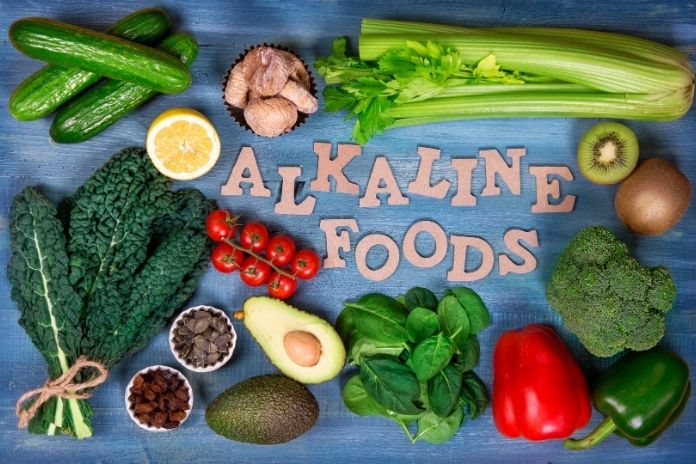
You clean up your meals. More vegetables. Fewer packaged foods. Then you stumble across the alkaline diet, and suddenly half your pantry feels off-limits. Meat is out. Dairy is questionable. Coffee is frowned upon. Even some grains raise eyebrows. It starts to feel less like a nutrition plan and more like a rulebook you didn’t agree to.
Here’s the thing most people miss early on. The alkaline diet is not about changing your blood pH. That part is non-negotiable biology. Your kidneys and lungs regulate blood pH within a very tight range, no matter what you eat. If food could meaningfully shift it, you’d be in serious trouble. What the alkaline diet actually targets is dietary acid load.
In simple terms, it looks at how different foods are metabolized and whether they leave behind more acid-forming or alkaline-forming byproducts in the body. That distinction matters. Many foods labeled acidic aren’t bad foods. They’re just more concentrated sources of protein, phosphorus, or sulfur-containing compounds, which increase acid load after digestion.
On the flip side, fruits and vegetables tend to produce alkaline residues, largely due to their potassium, magnesium, and organic acid content. The goal isn’t elimination. It’s balanced, with a bias toward plant-forward eating.
This article breaks down foods to avoid or limit on an alkaline diet, explains why they’re classified as acid-forming, and separates useful guidance from nutritional mythology. No fear-based food rules. No claims about curing disease by “alkalizing” your body. Just nutrition science, clearly explained, so you can decide what actually belongs on your plate.
How the Alkaline Diet Classifies Foods

The alkaline diet doesn’t sort foods by how they taste or by their natural pH. It classifies them based on what happens after digestion. That’s the core idea most people miss, and it’s where the confusion usually starts.
A lemon tastes acidic, but once metabolized, it leaves behind alkaline residues. A steak tastes neutral, yet digestion produces acid-forming byproducts. The labels are about metabolic outcome, not flavor. What your tongue experiences and what your kidneys process are two completely different things.
Most alkaline food lists rely on a concept called PRAL, or Potential Renal Acid Load. PRAL estimates how much acid or base a food generates once it’s broken down and handled by the kidneys. Foods with a positive PRAL score are considered acid-forming. Foods with a negative score are considered alkaline-forming. This calculation is driven largely by mineral content and sulfur-containing amino acids, not by how acidic the food seems at first glance.
Animal proteins, processed foods, and refined grains tend to increase dietary acid load, while fruits and vegetables usually reduce it. Not because plants are magically alkaline, but because they supply minerals like potassium, magnesium, and calcium that help buffer acids during metabolism.
Research on potential renal acid load shows that a food’s acid- or base-forming effect is driven by its mineral and protein composition, not by how acidic it tastes or its original pH.
This is why taste has almost nothing to do with classification. Sour does not mean acid-forming, and mild does not mean alkaline. Citrus fruits are often allowed, while cheese is limited, despite tasting gentle. Once you understand that the alkaline diet is about reducing acid load rather than changing body pH, the rules start to make sense and feel far less arbitrary.
Animal-Based Foods Often Limited or Avoided
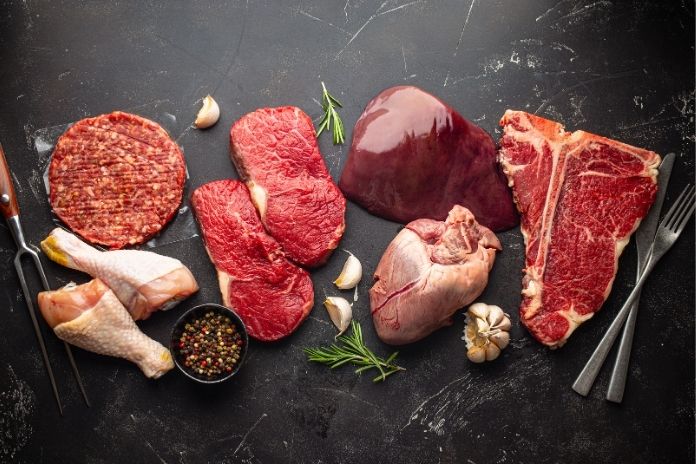
Animal-based foods are commonly restricted on the alkaline diet because of how they affect acid load after digestion. This isn’t about labeling these foods as unhealthy. It’s about understanding what they leave behind once metabolized and how much work they create for the kidneys.
Red Meat and Processed Meats
Red meat is one of the most consistently limited foods in alkaline-style eating plans. Beef, lamb, and pork are rich in sulfur-containing amino acids such as methionine and cysteine. When these amino acids are broken down, they produce sulfuric acid, which increases the body’s dietary acid load.
Processed meats add additional concerns. Along with being acid-forming, they often contain high levels of sodium, phosphate additives, and preservatives like nitrates and nitrites. These compounds further increase acid burden and are associated with higher inflammatory markers.
Dr. David Katz, MD, MPH, a preventive medicine specialist and founder of the True Health Initiative, has emphasized that higher intake of processed and ultra-processed foods, such as processed meats, is associated with poorer diet quality and markers of inflammation and chronic disease risk in the broader nutrition literature.
Because of this combination of acid production and inflammatory potential, alkaline diet guidelines usually place red and processed meats at the top of the foods to avoid or significantly reduce.
Poultry, Fish, and Eggs
Chicken, fish, and eggs are also classified as acid-forming, though they generally produce a lower acid load than red meat. They still contain sulfur amino acids and phosphorus, both of which contribute to acid production during metabolism.
For this reason, many alkaline diet versions recommend limiting portion sizes and frequency rather than complete elimination. These foods are often positioned as occasional additions rather than daily staples, and they’re typically balanced with large servings of vegetables to help offset their acid-forming effects.
More flexible interpretations of the alkaline diet recognize the nutritional value of these foods. Fish provides omega-3 fatty acids, eggs supply choline and high-quality protein, and poultry can be easier to digest than red meat. The focus shifts from exclusion to proportion, where animal protein plays a supporting role instead of dominating the plate.
Dairy Products Commonly Restricted
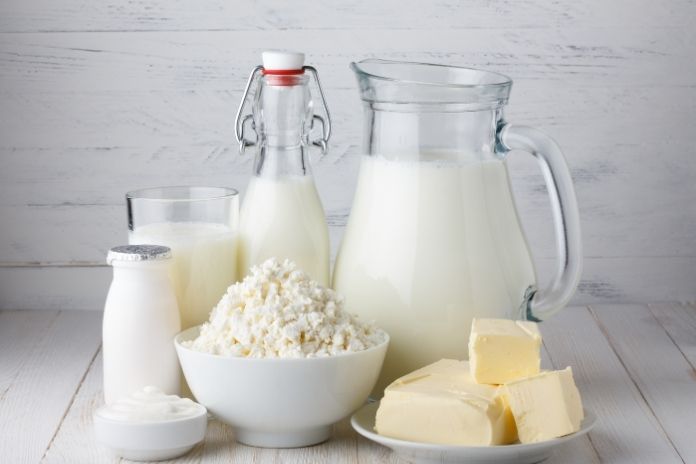
Dairy is often limited on the alkaline diet, not because of lactose or fat, but because of what it produces after digestion.
Milk, cheese, butter, and cream are classified as acid-forming due to their animal protein and phosphorus content. These nutrients increase dietary acid load once metabolized, even though dairy contains calcium.
This creates what’s sometimes called the calcium paradox, the belief that acidic diets weaken bones by pulling calcium from them. Current nutrition science does not fully support this idea. Researchers at Harvard T.H. Chan School of Public Health note that bone health depends more on overall diet quality, vitamin D, and adequate protein than on acid load alone.
Some alkaline diet versions treat fermented dairy differently. Yogurt and kefir are sometimes allowed in small amounts because fermentation improves digestibility and provides probiotics, though they remain mildly acid-forming.
Read More: Is Dairy Really Bad for Your Gut? Here’s What The Science Says
Grains and Refined Carbohydrates
Refined grains
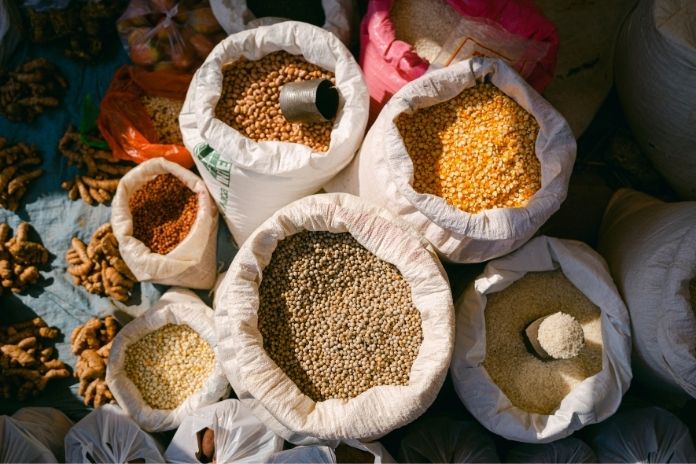
Refined grain products like white bread, pasta, pastries, crackers, and most baked goods are commonly restricted on alkaline diets. The issue is not the acidity of taste but what these foods leave behind after digestion.
Refining strips grains of minerals such as potassium, magnesium, and calcium, which normally help buffer acid in the body. What remains is mostly starch, which is digested quickly and contributes little to acid neutralization. As a result, refined carbohydrates tend to increase dietary acid load relative to their nutrient value.
There’s also a metabolic angle. Highly refined carbs trigger rapid rises in blood glucose and insulin. While insulin itself does not acidify the blood, repeated spikes can influence kidney handling of electrolytes and acid excretion over time, especially in people with metabolic or renal vulnerability.
What about whole grains?
Whole grains are more complex. They provide fiber, B vitamins, and minerals, but they still generate mildly acid-forming residues because of their phosphorus content and protein structure.
For this reason, stricter alkaline diets limit or exclude whole grains. More flexible versions allow them in modest portions, typically balanced with large servings of vegetables to reduce overall acid load.
Most nutrition experts agree that eliminating all grains is unnecessary for healthy individuals. From a practical standpoint, the bigger concern is excess refined grain intake, not occasional whole grains eaten as part of a vegetable-heavy diet.
Processed and Packaged Foods

Ultra-processed foods are almost always discouraged on the alkaline diet, and this is one area where the science and the advice actually line up.
Foods like chips, instant noodles, frozen meals, packaged snacks, and sugary cereals are high in sodium, phosphates, and industrial additives that increase dietary acid load after digestion. At the same time, they displace fruits, vegetables, and other mineral-rich foods that help buffer acid.
But the benefit of cutting these foods has little to do with changing blood pH. According to nutrition experts at the Cleveland Clinic, focusing on whole, minimally processed foods and reducing ultra-processed items can lower inflammation and support metabolic and kidney health.
What this really means is simple: the alkaline diet works best here because it pushes people away from low-quality, highly processed foods, not because it alters the body’s pH balance.
Read More: Why Ultra-Processed Foods Are Being Called ‘The Cigarettes of the Future
Sugary Foods and Sweetened Beverages

Foods high in added sugar are commonly limited on the alkaline diet, less because of their taste and more because of their metabolic impact.
Candies, desserts, syrups, and sweetened snacks place a high demand on insulin and increase oxidative stress. While sugar itself does not directly acidify the blood, repeated spikes in blood glucose influence kidney handling of minerals and acid excretion over time. From an alkaline diet perspective, these foods add acid load without offering buffering nutrients.
This metabolic strain is well recognized beyond alkaline diet theory. Dr. Manish Mittal, consultant physician at Bhailal Amin General Hospital in Vadodara, India, notes, “Consuming high amounts of added sugars can lead to weight gain, inflammation, and insulin resistance. To prevent these risks, opt for unsweetened drinks, and limit sugary beverage intake to less than 10 percent of daily calorie needs.”
Sweetened beverages are treated even more strictly. Colas contain phosphoric acid, which contributes to their high acid-forming potential. Even diet sodas deliver phosphates with no meaningful nutritional value. Fruit juices with added sugar are also discouraged, as they concentrate sugar while stripping away fiber.
Whole fruit is classified differently. Fruits come packaged with fiber, potassium, and organic acids that metabolize into alkaline residues. That’s why apples or berries are typically allowed, while candy and sweetened drinks are not, even though both contain sugar.
Caffeine and Alcohol on the Alkaline Diet

Coffee and tea
Coffee and black tea are classified as acid-forming, but most modern alkaline diets focus on moderation rather than strict avoidance. While these beverages do contribute to dietary acid load, evidence does not support the idea that moderate intake disrupts acid-base balance in healthy people.
Research summarized by the Mayo Clinic shows that moderate coffee consumption does not cause clinically meaningful acid-base disturbances. For many people, the concern is more about overconsumption, dehydration, or sleep disruption than acidity itself.
Green tea is often favored within alkaline frameworks because it is less acid-forming and rich in polyphenols that support antioxidant defenses.
Alcohol
Alcohol increases dietary acid load and places additional stress on both the liver and kidneys. Beer and distilled spirits tend to be more acid-forming than wine, though all forms of alcohol are discouraged when consumed frequently or in large amounts.
Here again, moderation is the guiding principle. Occasional intake is generally considered compatible with flexible alkaline diets, while habitual drinking works against the diet’s broader health goals.
Read More: How Long Does Caffeine Stay in Your System? Timing, Effects, and What to Know
Foods That Surprise People on the Alkaline Diet

One of the most confusing parts of the alkaline diet is that some foods behave very differently in the body than people expect.
Citrus fruits like lemons, limes, oranges, and grapefruit taste acidic, but after digestion, they leave behind alkaline residues. These fruits generate bicarbonate precursors that support buffering, which is why they’re usually allowed despite their sour flavor.
Tomatoes sit in a gray area. They are mildly acid-forming, but many alkaline diets include them because of their high antioxidant content, particularly lycopene. In practice, their nutritional value often outweighs their modest acid load.
Vinegar-based foods and fermented products create similar confusion. While acidic to the palate, some fermented foods have neutral or even mildly alkalizing effects depending on portion size and overall diet context. This gap between taste and metabolic effect is where most alkaline diet misunderstandings begin.
Strict vs Flexible Alkaline Diet Approaches
Alkaline diets vary widely in how rigid they are.
Strict versions eliminate entire food groups, including animal products, grains, processed foods, caffeine, and alcohol. While these plans reduce dietary acid load aggressively, they are difficult to sustain and can lead to nutrient gaps if not carefully structured.
More flexible, plant-forward approaches are far more common. These emphasize vegetables and fruits, limit processed foods and excess meat, and allow moderate amounts of animal protein and whole grains. According to the National Institutes of Health, diets centered on plant foods improve cardiometabolic health regardless of acid-base theory.
What this really shows is that the benefits come primarily from what’s added to the diet, not just what’s removed.
Potential Downsides of Avoiding Too Many Foods
Over-restriction carries real risks, especially when entire food groups are excluded without a plan. Eliminating animal protein without adequate plant-based alternatives can lead to insufficient protein intake, a concern that becomes more relevant with age.
Micronutrient gaps are another issue. Highly restrictive alkaline diets may fall short in vitamin B12, iron, calcium, and zinc unless these nutrients are deliberately replaced through fortified foods or supplements.
There’s also the question of sustainability. Diets with long avoid lists can increase food anxiety, complicate social eating, and reduce long-term adherence. From a health perspective, consistency and overall diet quality matter far more than strict adherence to dietary ideology.
Who Should Be Careful With the Alkaline Diet
Alkaline diet principles are not one-size-fits-all, and some groups should approach them with extra care.
People with kidney disease already manage acid-base balance medically, and dietary changes should only be made under clinical guidance. Individuals with a history of disordered eating may find restrictive food rules triggering or destabilizing.
Athletes often require higher protein and calorie intake than strict alkaline plans allow, which can impair performance and recovery. Pregnant women and older adults also have increased nutrient needs that may be difficult to meet on highly restrictive versions of the diet.
The World Health Organization emphasizes that dietary patterns should be adapted to life stage, health status, and individual needs, not applied universally.
What Nutrition Science Actually Says About Acid-Forming Foods
A key point often missed in alkaline diet discussions is the difference between blood pH and urine pH. Diet can influence urine pH, which reflects how the kidneys excrete acids and bases. Blood pH, however, is tightly regulated in healthy individuals and remains within a narrow range. Claims that specific foods significantly “acidify the blood” are not supported by evidence.
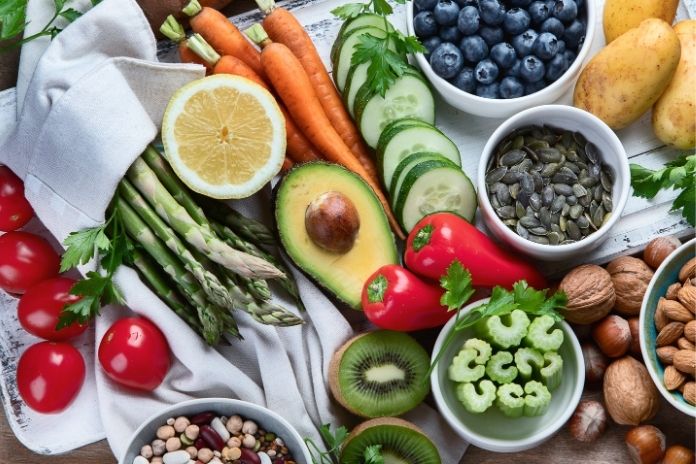
Where alkaline diets do align with science is in their emphasis on plant-based eating. Diets rich in vegetables, fruits, and minimally processed foods are consistently linked to lower inflammation, reduced cardiovascular risk, and improved metabolic health. They also increase fiber and micronutrient intake.
Where the claims go too far is in attributing these benefits to systemic pH changes. Systematic reviews published in journals like BMJ Open show that there’s little evidence dietary acid load or alkaline diets affect major health outcomes or systemic pH and that observed benefits of high-fruit-and-vegetable eating patterns are better explained by overall diet quality than by avoidance of acid-forming foods.
The Practical Takeaway
At its core, the alkaline diet pushes people away from ultra-processed foods, excess meat, refined carbohydrates, and sugary drinks. For most people, those changes alone lead to better metabolic health, improved nutrient intake, and more stable energy, regardless of acid-base theory.
The real value of the diet is not in avoiding “acid-forming” foods out of fear. It’s in shifting the plate toward vegetables, fruits, legumes, and minimally processed foods that naturally support cardiovascular health, digestion, and inflammation control.
Used wisely, the alkaline framework can be a helpful guide. Used rigidly, it becomes a rulebook that creates unnecessary restrictions and nutritional gaps. Balance matters more than perfection, and dietary quality matters more than dietary labels.
When deciding which foods to avoid on an alkaline diet, context is everything. Focus on what you’re adding, not just what you’re cutting out, and let long-term sustainability, not pH myths, drive your choices.
References
- Aditya Birla Capital. (2023, April 6). How to add alkaline-rich food in your diet.
- BMJ Open. (2016). Systematic review of the evidence for an alkaline diet and cancer.
- California Courts. (2024). List of acid- and alkaline-forming foods.
- Cancer.gov. (n.d.). Alkaline diet. National Cancer Institute.
- Cleveland Clinic. (n.d.). The role of the Western diet in inflammation.
- Harvard T.H. Chan School of Public Health. (n.d.). Overall diet quality matters for healthy aging.
- Health.com. (2023). What is the alkaline diet?.
- LLC UK. (2016). Acid–alkaline food chart.
- Mayo Clinic. (n.d.). Coffee and health.
- MD Anderson Cancer Center. (n.d.). Alkaline diet: What cancer patients should know.
- MDPI Nutrients. (2017). Dietary acid load and health outcomes. Nutrients, 9(11), 1211.
- National Institutes of Health. (2018). Healthy dietary patterns for preventing cardiometabolic disease.
- Scribd. (n.d.). Alkaline food charts 5.0.
- SlideShare. (n.d.). The alkaline diet: A complete guide.
- The Proof. (n.d.). Diet myths: Meat and ultra-processed foods (Dr. David Katz).
- The Healthy Indian Project. (n.d.). How sugar-sweetened beverages may harm your health.
- Tua Saúde. (n.d.). Alkaline diet.
- Wikipedia contributors. (n.d.). Alkaline diet.
- Wikipedia contributors. (n.d.). Potential renal acid load.
In this Article