











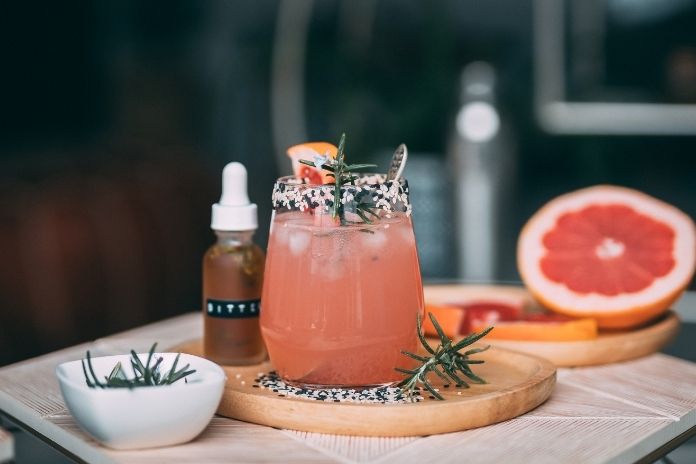
Most of us grew up believing one thing. If you want immunity, you reach for oranges. Orange juice at breakfast. Orange wedges when you feel a cold coming on. Vitamin C equals citrus. End of story.
Here’s the thing. That story is outdated. There’s a tropical fruit quietly outperforming oranges on almost every immunity metric that matters. It’s affordable, widely available, and far more nutrient-dense than most people realize. That fruit is a guava.
One glass of guava juice can deliver four to five times more vitamin C than orange juice, along with antioxidants, fiber, and plant compounds that strengthen immune defenses from multiple angles, not just against colds, but against the daily immune stress caused by pollution, inflammation, poor sleep, and modern diets.
This article breaks down the science behind guava juice benefits, explains why vitamin C in guava is uniquely powerful, and shows how a simple daily glass of guava juice can support immunity year-round without hype or exaggeration.
Why Guava Juice Outperforms Orange Juice for Immunity
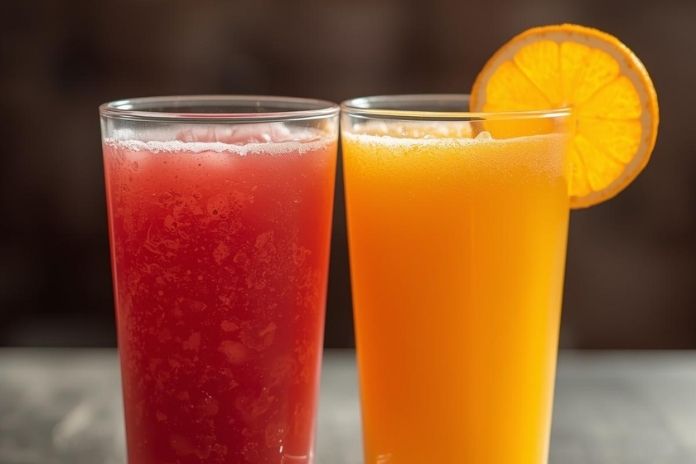
Guava wins immediately on vitamin C density. Per 100 grams, guava provides roughly 200 to 230 mg of vitamin C, while oranges deliver about 50 to 70 mg. That’s close to a fivefold difference in the same serving size. One medium guava can meet or exceed the full daily requirement for most adults, whereas oranges usually need multiple servings to reach the same intake.
USDA nutrient data and repeated analyses across nutrition research consistently rank guava among the most vitamin C–rich fruits worldwide, ahead of oranges, lemons, strawberries, and even kiwi.
Why vitamin C matters for immune readiness
Vitamin C supports immunity through several coordinated mechanisms. It helps stimulate white blood cell production, improves immune cell movement toward infection sites, supports antibody formation, strengthens skin and mucosal barriers, and reduces oxidative stress during immune activation.
Whole-food vitamin C vs isolated intake
Guava juice delivers vitamin C in a whole-food matrix rather than as an isolated compound. This matters because vitamin C consumed with natural fibers, polyphenols, and phytonutrients is absorbed more gradually and remains active longer in circulation.
Whole-food sources also reduce the oxidative breakdown of vitamin C and are gentler on digestion compared to high-dose supplements. Orange juice provides vitamin C as well, but guava delivers it in a more nutrient-dense and synergistic package.
The antioxidant edge of guava brings
“Lycopene, a potent carotenoid antioxidant, has been shown to reduce oxidative stress and may decrease markers of inflammation while supporting endothelial function, suggesting potential benefits for vascular health and cellular defenses.” – P. R. Gajendragadkar, MD, PhD, et al., based on a randomized controlled trial of lycopene and vascular function.
Beyond vitamin C, guava contains a concentrated mix of antioxidants, including lycopene, quercetin, carotenoids, and polyphenols. These compounds work alongside vitamin C to neutralize free radicals generated by pollution, stress, smoking, and infection.
Oranges contain antioxidants, too, but guava’s profile is broader and more potent. Lycopene, in particular, has been shown in peer-reviewed studies to reduce inflammatory markers and support immune cell signaling.
Why this matters for immune resilience
Immune cells are highly sensitive to oxidative stress. When oxidative damage accumulates, immune responses become slower and less coordinated. Guava’s antioxidant density helps protect immune cells while they are active, not just after damage has occurred.
Orange juice remains a healthy option. But when the goal is maximizing immune support per serving, guava juice offers higher nutrient density, stronger antioxidant synergy, and better support for long-term immune resilience. If immunity is about preparation rather than panic, guava is simply the more efficient choice.
Read More: 7 Ways You Could Be Weakening Your Immune System
The Science of Vitamin C and Immune Function
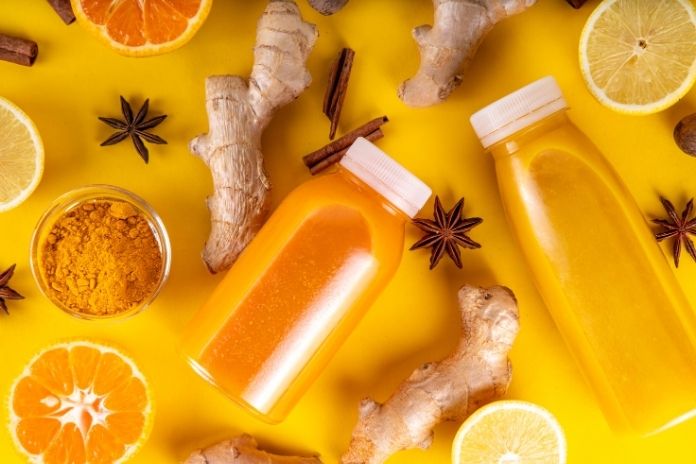
Vitamin C isn’t a miracle cure. But it is essential.
A large review published in the journal Nutrients shows a consistent pattern: vitamin C deficiency impairs immune function and increases susceptibility to infections, while adequate intake strengthens immune defense and shortens recovery time, particularly in respiratory infections.
This isn’t about megadoses or quick fixes. It’s about maintaining sufficient levels so the immune system can function as designed.
The National Institutes of Health summarizes vitamin C’s role clearly. It supports both innate and adaptive immunity; a deficiency increases infection risk, and requirements rise during illness, inflammation, and physical stress. In other words, the times you need vitamin C the most are often the times your body is using it fastest.
This is where guava stands out. Its exceptionally high vitamin C content makes it one of the most efficient food-based ways to meet these elevated needs consistently, without relying on supplements.
Vitamin C, iron absorption, and fatigue
One of the most overlooked benefits of vitamin C is its effect on iron absorption.
Vitamin C enhances the absorption of non-heme iron by converting it into a more bioavailable form in the gut. This matters because non-heme iron, found in plant foods, is absorbed far less efficiently than heme iron unless vitamin C is present. For people experiencing fatigue, low energy, or borderline iron levels, this interaction is clinically relevant.
The American Journal of Clinical Nutrition explains that pairing vitamin C–rich foods with iron-containing meals can significantly improve iron status over time. Improved iron absorption supports red blood cell production, which improves oxygen delivery to tissues, including immune cells that rely on adequate oxygen to function efficiently.
Guava juice, taken between meals or alongside plant-based iron sources, can support this process indirectly. The result isn’t just better energy levels but also a more resilient immune system that isn’t operating under constant metabolic strain.
Collagen synthesis and barrier defense
According to Anitra C. Carr and Silvia Maggini, vitamin C supports epithelial barrier function against pathogens and promotes the oxidant scavenging activity of the skin, thereby potentially protecting against environmental oxidative stress. This reflects how vitamin C contributes to physical barrier defenses that help block pathogens before the immune system has to react.
Vitamin C is also required for collagen synthesis, a function that’s often misunderstood as cosmetic. Collagen is a structural protein essential to immune defense. It forms part of the skin barrier, blood vessel walls, connective tissue, and the integrity of the gut lining.
These structures are the body’s first line of defense against pathogens. When collagen formation is impaired due to low vitamin C availability, barrier strength weakens. That increases vulnerability to infections entering through the skin and mucosal surfaces, even before the immune system has a chance to respond.
Guava juice supports collagen synthesis naturally by supplying vitamin C in a whole-food form, along with compounds that reduce oxidative stress. This helps maintain strong physical barriers, which reduces the immune system’s workload before an infection ever begins.
What this really adds up to
Vitamin C’s immune benefits aren’t dramatic or immediate. They’re foundational. Adequate intake supports immune readiness, improves recovery capacity, enhances iron utilization, and strengthens physical barriers that prevent infection in the first place.
Guava juice doesn’t just supply more vitamin C than most fruits. It delivers it in a way that supports the immune system across multiple layers, from cellular function to structural defense. That’s what makes it uniquely effective, not flashy.
The “Daily Glass” Guava Juice Strategy
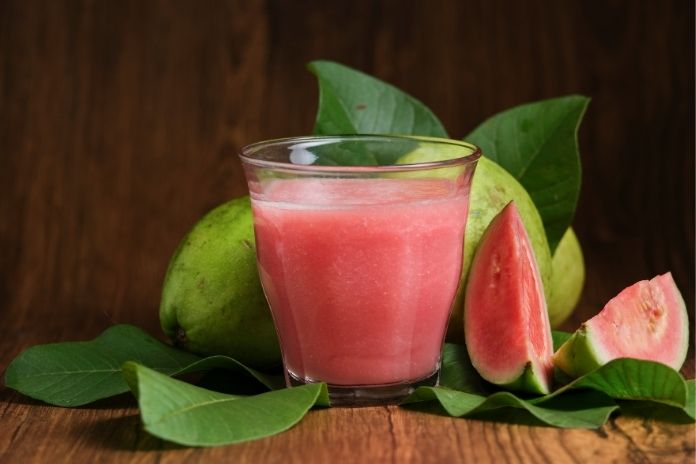
A single daily glass is enough to deliver meaningful benefits if timing, preparation, and consistency are right.
When to drink it
The best time to drink guava juice is in the morning or mid-morning, ideally on an empty or lightly fed stomach. Vitamin C absorption is more efficient when digestion isn’t already burdened by heavy meals, and the natural sugars in guava provide a gentle energy lift without the spike-and-crash pattern seen with refined sugars or caffeine.
Many people replace orange juice or even their first coffee with guava juice and notice steadier energy without jitters. Guava’s relatively low glycemic load, combined with its fiber and polyphenols, supports more stable blood glucose and sustained alertness.
How to prepare it for maximum benefit
Preparation matters more than most people realize. Vitamin C is highly sensitive to heat, light, and oxygen, which means processing methods can dramatically change the nutritional value.
Freshly blended guava juice or cold-pressed guava juice preserves vitamin C, enzymes, and antioxidants far better than commercial bottled options. Pasteurized juices, heat-treated products, and shelf-stable bottles often lose a significant portion of their vitamin C content before they’re ever opened. Clear juices that remove pulp are also less effective, as they strip away fiber and many immune-supportive compounds.
Keeping the pulp is important. The fiber supports gut health, and gut integrity plays a central role in immune regulation. A healthy gut barrier helps prevent unnecessary immune activation and improves nutrient absorption overall.
Small additions that enhance immune support
Guava juice works well on its own, but a few simple additions can amplify its effects without complicating the routine.
A small piece of ginger adds anti-inflammatory and digestive support. Lemon contributes additional polyphenols and supports antioxidant balance. Mint or cucumber can improve hydration and palatability, especially in warmer weather. A small pinch of pink salt can help maintain electrolyte balance, particularly for those who sweat heavily or exercise in the morning.
No sweeteners are needed. Guava is naturally sweet, and adding sugar only dilutes its metabolic and immune benefits.
Why consistency matters more than quantity
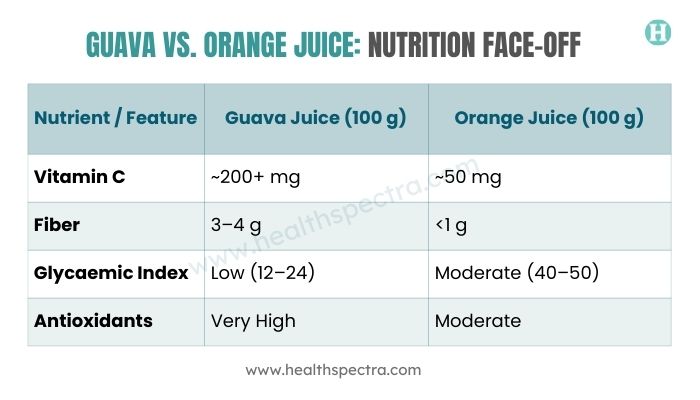 A single glass of guava juice taken consistently does more for immune resilience than occasional large doses. Regular intake helps maintain vitamin C levels, supports antioxidant defenses, and reinforces barrier protection over time. Immunity is built quietly, through daily habits, not emergency interventions.
That’s what makes the daily glass strategy effective. It’s simple, repeatable, and aligned with how the immune system actually works.
This comparison alone explains why many nutritionists now consider guava one of the best juices for immunity, especially for people who want blood sugar stability along with immune support.
Read More: The Healthiest Part of an Orange Isn’t the Juice — It’s the White Pith
Beyond Immunity: Other Health Benefits of Guava Juice
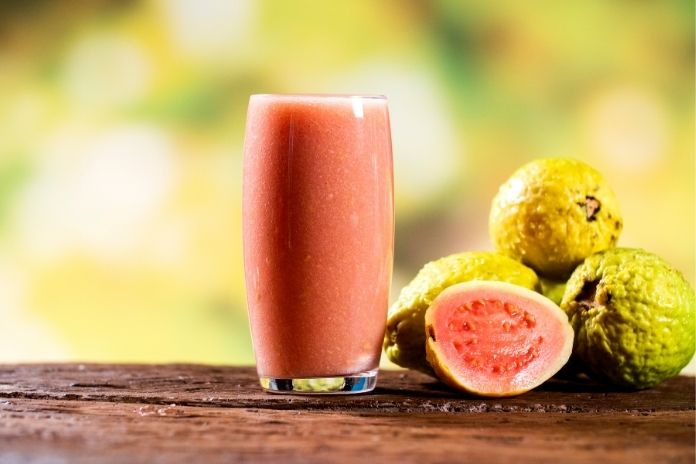
Guava juice earns attention for immunity, but its benefits extend well beyond immune defense. Its nutrient profile supports cardiovascular health, skin integrity, digestion, and metabolic balance in ways that compound over time.
Cardiovascular and blood pressure support
Guava contains potassium and soluble fiber, two nutrients consistently linked to cardiovascular health. Potassium helps counterbalance sodium, supporting healthier blood pressure regulation, while soluble fiber plays a role in improving lipid profiles.
A study published in The Journal of Human Hypertension found that regular guava consumption was associated with reductions in systolic blood pressure and triglyceride levels. Vitamin C further contributes by supporting endothelial function, which helps blood vessels maintain flexibility and proper blood flow.
Healthier blood vessels mean less strain on the heart over time, not just short-term changes on a lab report.
Skin health and collagen support
Guava’s vitamin C content also plays a central role in skin health. Vitamin C is required for collagen synthesis and repair, while carotenoids help reduce oxidative damage caused by UV exposure and environmental stress.
Dermatologists often point out that topical skincare works best when paired with adequate internal nutrient support. Without enough vitamin C, collagen production slows, and skin barrier repair becomes less efficient.
Guava juice provides support naturally, without relying on high-dose supplements that can irritate digestion or offer inconsistent absorption.
Digestive health and gut integrity
The fiber in guava supports regular digestion, helps maintain a healthy balance of gut bacteria, and reduces low-grade gut inflammation. This matters more than most people realize. A well-functioning gut improves nutrient absorption and prevents unnecessary immune activation.
Since roughly 70 percent of the immune system is housed in the gut, supporting gut integrity indirectly strengthens immune resilience. Guava juice with pulp preserved offers a practical way to support digestive health while still being easy to consume daily.
Weight management and metabolic balance
Guava juice fits well into weight management and metabolic health goals. It is relatively low in calories, hydrating, and more filling than most fruit juices due to its fiber content. Its glycemic load is lower than that of many common fruit juices, which helps reduce sharp blood sugar spikes.
That makes guava juice a smarter option for people managing weight, insulin sensitivity, or energy fluctuations. It delivers sweetness and satiety without the metabolic whiplash that often follows refined sugar or heavily processed juices.
Practical Ways to Add Guava Juice to Your Daily Routine
Adding guava juice to your routine doesn’t have to mean drinking a full glass of thick juice every morning. The goal is consistency, not perfection. Guava is versatile, easy to pair with other foods, and forgiving if you need variety. With a few simple approaches, it can become a regular part of your day without feeling forced or repetitive.
Easy ways to include guava juice
- Use guava as the base of a smoothie with mild greens like spinach or lettuce to increase micronutrient intake without overpowering the flavor.
- Add a protein source, such as Greek yogurt or soaked chia seeds, to improve satiety and stabilize blood sugar.
- Mix guava juice with sparkling water and fresh mint for a lighter, hydrating mocktail.
- Combine guava with lemon or lime to add acidity and polyphenols while balancing sweetness.
- Choose pulp-retaining preparations to preserve fiber and gut-supportive compounds.
If buying store-bought guava juice, look for
- Cold-pressed processing rather than heat-treated or pasteurized
- 100 percent juice, not from concentrate
- No added sugar or syrups
- Short ingredient lists with guava listed first
The most effective routine is the one you actually maintain. Whether you drink guava juice plain, blended, or diluted, regular intake matters far more than elaborate recipes. A simple, repeatable habit delivers more long-term benefit than occasional “perfect” nutrition days.
When guava juice fits naturally into your routine, its immune and metabolic benefits compound quietly over time.
When to Be Cautious
Guava juice is generally safe, but context matters.
For people with diabetes, guava’s glycemic index is lower than most fruit juices, but it still contains natural sugars. Keeping portions moderate, pairing juice with fiber or protein, and monitoring individual blood glucose response are sensible steps.
Vitamin C increases iron absorption. If you take iron supplements, it’s best to avoid drinking guava juice at the same time unless advised by a healthcare provider, as absorption may become excessive.
Guava also contains potassium. People on potassium-restricted diets or with a history of kidney-related electrolyte issues should consult a healthcare professional before increasing intake.
The Takeaway: A Small Habit With Outsized Immune Returns
One daily glass of guava juice does a lot of quiet work. It delivers more vitamin C than several oranges combined, but the real value goes beyond the headline number. You’re supporting immune cell function, strengthening the skin and gut barriers that block pathogens, reducing oxidative stress, and contributing to cardiovascular health, all through a single, repeatable habit.
This isn’t about megadoses or quick fixes. It’s about consistency. Whole-food vitamin C, paired with guava’s natural antioxidants, works with the body rather than overriding it. Over time, that translates to better immune readiness, fewer nutritional gaps, and less reliance on supplements to patch basic deficiencies.
No pills to remember. No marketing claims to decode. Just real nutrition doing what it’s supposed to do. If you’re thinking about immunity as something to build year-round, not something to scramble for when you’re already sick, guava juice makes sense. It’s not a trend. It’s a smarter baseline.
References
- Natune Heal. (n.d.). Juicing for health: Tips and recipes.
- Asian International Journal of Nutrition. (2019). The fruit juice industry: Overall fruit juice consumption.
- Nur, Y. (n.d.). Juicing content post [Social media post]. Lemon8.
- Czech Journal of Food Sciences. (2022). [Article on fruit juice or processing].
- Scribd. (2013). 100 HPH juice recipes.
- Fruit Processing. (n.d.). Fruit juice articles.
- Natune Heal. (n.d.). Juicing blog articles.
- Times of India. (2024). How pomegranate juice can help lower high blood pressure naturally.
- Baluni Hospital. (n.d.). Monsoon child safety tips.
- Care Inspectorate. (n.d.). Eating well: Supporting older people and older people with dementia
- Fruit Processing. (n.d.). Juice industry articles.
- TrendHunter. (n.d.). Orange, peach, mango juice trend.
- Gajendragadkar, P. R., Hubsch, A., Mäki-Petäjä, K. M., Serg, M., Wilkinson, I. B., & Cheriyan, J. (2014). Effects of oral lycopene supplementation on vascular function in patients with cardiovascular disease and healthy volunteers. PLOS ONE, 9(6), e99070.
- Carr, A. C., & Maggini, S. (2017). Vitamin C and immune function. Nutrients, 9(11), 1211.
- Singh, R. B., Rastogi, S. S., Niaz, M. A., Ghosh, S., & Gupta, S. (1993). Can guava fruit intake decrease blood pressure and blood lipids? Journal of Human Hypertension, 7(1), 33–38.
- Hallberg, L., & Hulthén, L. (1989). Is there a physiological role of vitamin C in iron absorption? The American Journal of Clinical Nutrition, 49(1), 140–144.
- National Institutes of Health, Office of Dietary Supplements. (n.d.). Immune function.
In this Article