




















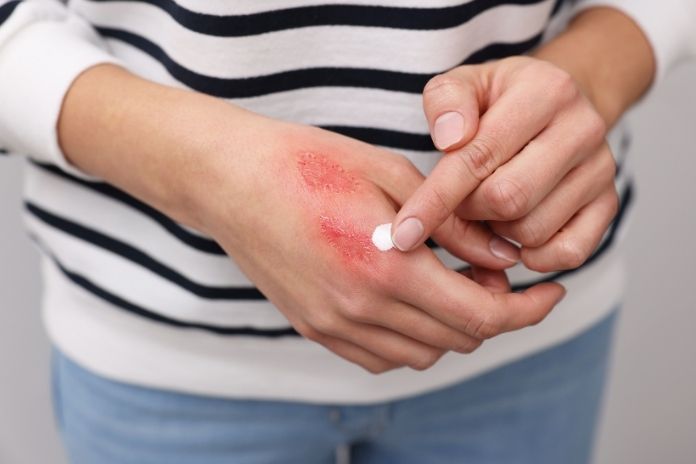
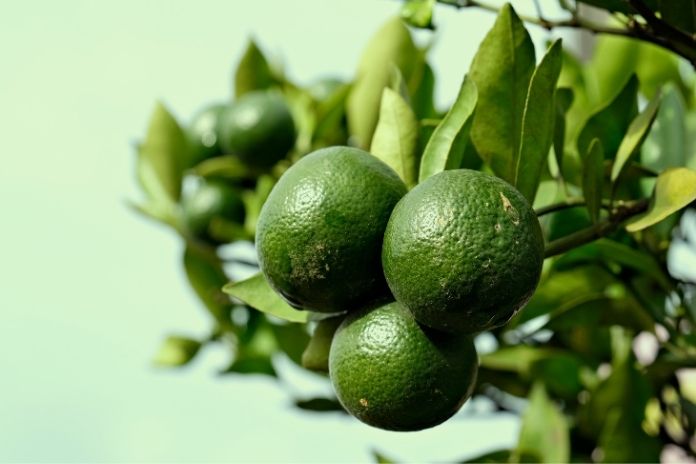
After playing mixologist outside with your pals and squeezing lemons and limes into drinks, you find that your hands are hurting, red, and swollen the following day. When citrus juice, such as lime juice, comes into contact with your skin and then with sunlight, it can cause an odd skin reaction.
Red, blistering, or strangely shaped markings may result from the combination’s chemical reaction, phytophotodermatitis. After the first annoyance subsides, the true frustration starts. After a few weeks, you find yourself staring at brown or purple spots that won’t go away, leaving you to question whether you’ve permanently damaged your skin.
This article will address the causes of margarita burns, how they develop into dark spots, and the best, fastest, and safest methods for fading them.
Read More: Food Allergy vs. Intolerance: How to Tell the Difference and Why It Matters
What Exactly Is a ‘Margarita Burn’?
A molecule called furocoumarin, found in certain plants and fruits, causes a condition known as margarita burns (phytophotodermatitis) when it comes into contact with the skin, and sunlight then activates it.
The term “margarita burn” derives from the popular association of limes with the drink. To visualize this, think of squeezing a lime outside and then exposing it to the sun. This reaction may cause redness or blisters and may also lead to post-inflammatory hyperpigmentation, which can last for several weeks after the initial irritation has healed.
Dermatologist Melissa Piliang, MD, explains, “Typically, phytophotodermatitis is a topical reaction, where you’ve spilled something on yourself.” She adds, “But it can also happen from eating celery soup, as celery contains furocoumarins.”
Why Your Skin Is Still Discolored Months Later
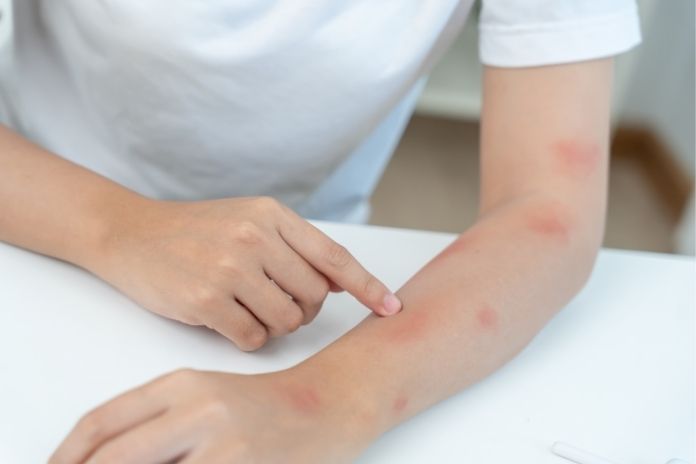
The drama on the surface may end when a margarita burn fades, but the true narrative frequently goes on beneath. Your skin’s recollection of the incident is what you’re seeing months later, not residual irritation. Several unseen elements subtly work together to prolong the visibility of that mark.
The Role of Melanin Overload
In both humans and animals, melanin gives skin, eyes, and hair their color. With enhanced pigmentation in response to sunlight, a process known as tanning, the chemical shields your cells from solar harm.
However, the small pigment factories become alarmed by the inflammation and begin producing more color as a defense mechanism. However, they pour the pigment into specific spots, like splattered paint, rather than dispersing it evenly.
The outcome? Deeper, uneven color deposits beneath the skin surface.
Ongoing Sun Exposure “Locks In” the Stain
Lime juice (or other citrus/plants) on the skin reacts with UV light to cause phytophotodermatitis, sometimes known as “margarita burn,” which results in blisters, rashes, and persistent dark spots (hyperpigmentation). An inflammatory reaction triggered by prolonged sun exposure can intensify these stains and “lock in” the pigmentation, which may take months to resolve.
Barrier Damage Slows Recovery
Like a snake shedding its skin, healthy skin sheds its old pigment cells. However, that renewal process slows down when the skin barrier is dry, irritated, or damaged. The old pigment lingers, making it like attempting to wipe a discolored floor with a shabby mop.
The skin fights to bring those darkened cells to the surface so they can eventually disappear if it isn’t properly hydrated and repaired.
Aging and Skin Type Factors
The natural properties of your skin also affect how long the discoloration lasts. Pigment takes longer to clear as skin ages because cell turnover slows down. While naturally deeper skin tones create more melanin, which can result in longer-lasting spots, thinner or drier skin may have trouble healing.
Read More: How to Cure Small Itchy Bumps on Skin
How Can Margarita Burns Be Treated?
Within a day or two of being exposed to the sun, margarita burns may develop. Within a week, the first blistered, irritated skin often gives way to hyperpigmentation, which fades in a few months. Address the condition promptly to prevent complications, including thickening lesions and deeper sores.
In rare instances, doctors may need to perform skin grafts.
- To ease pain, apply a cool, moist towel to the affected region.
- If necessary, take age-appropriate painkillers.
- Keep the area clean, and consider applying a sterile dressing if there are blisters.
- Hydrocortisone for inflammation is available over the counter.
- For discomfort, take Motrin or Tylenol as necessary.
When to See a Dermatologist
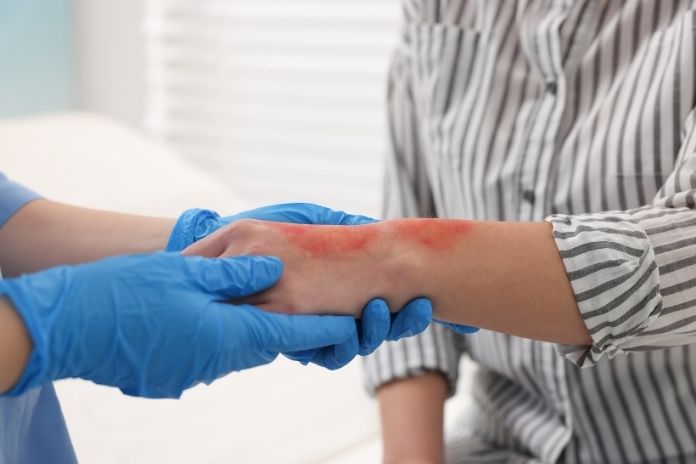
If you end up with a margarita burn, see a doctor. Don’t forget to mention everything you did recently, especially if you were outside handling limes or oranges. The weird thing is, the rash or blisters usually pop up a day or two after you were out in the sun, so people often don’t connect the dots. That’s why doctors sometimes miss it at first, so you may not remember those details.
If you’ve got blisters, your doctor might tell you to use a topical steroid to reduce swelling and relieve pain. They’ll probably suggest a topical antiseptic, too, to keep infection at bay. And don’t be surprised if moisturizers come up; they soothe the skin and give it a better shot at healing. The sooner you spot the problem and get treatment, the faster you start feeling better.
How to Prevent It From Happening Again
The following are the best ways to avoid phytophotodermatitis:
- As soon as you can, wash any oil or citrus juice off your skin.
- To avoid unintentional transfer, avoid touching other people after handling citrus fruits.
- After handling citrus fruits or other reactive plants, avoid the sun as much as possible.
- Use sun protection techniques, such as applying sunscreen or wearing protective clothing.
- When spending time outside, where exposure to the sun is possible, these precautions are especially crucial.
Read More: Dry Eye Syndrome vs. Allergic Conjunctivitis: How to Tell the Difference & What to Do
Conclusion
A margarita burn might seem like no big deal at first, just a weird mark after a sunny day. But that dark patch left behind can be pretty annoying.
The thing is, these stains are really just your skin’s way of remembering an irritation. They’re called post-inflammatory hyperpigmentation. They’re not infections, and they’re definitely not permanent damage. With the right care, you can fade them away, just like you’d erase any unwanted mark.
The safest course of action is a very calm, regular practice that includes reducing inflammation, shielding the skin from the sun, and introducing mild pigment-balancing ingredients instead of any harsh treatments or any rapid fixes. The dark area eventually fades into your natural tone as your skin gradually regenerates with patience, time, and appropriate barrier maintenance.
References
- Cleveland Clinic. (May 18, 2023). The Science Behind Margarita Burns.
- NewBeauty. (June 27, 2024). Margarita sunburn: What it is and how to avoid it.
- Kristin Samuelson. (November 2, 2023). Super melanin’ heals skin injuries from sunburn, chemical burns.
- Kaiser Permanente. (June 30, 2022). Beware of a blistering “margarita burn” this summer: Advice from a dermatologist
- Sneha Khedkar. (October 6, 2025). Margarita Burns: When Lime and the Sun Don’t Blend Smoothly.
- Perry Santanachote. (June 5, 2023). How to Protect Your Kids From ‘Margarita Burn’.
In this Article