


















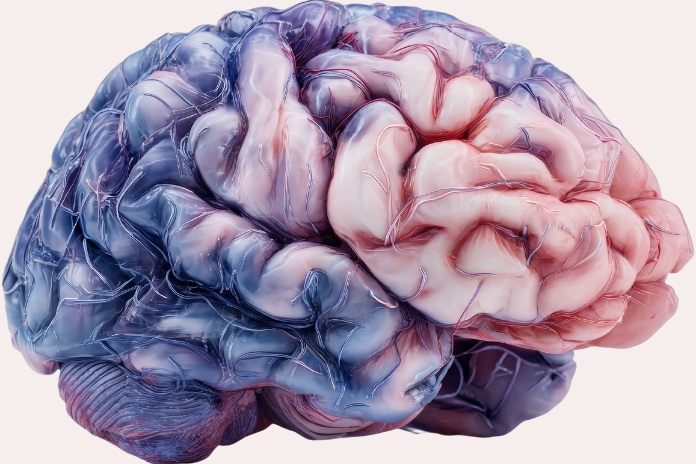
A long-term study from Sweden found that eating full-fat dairy cheese and cream may lower the risk of having dementia.
The research, published in the journal Neurology, reveals that people who regularly consumed high-fat dairy products such as cheddar, Brie, Gouda, and full-fat cream were less likely to develop dementia over several decades.
The findings also showed that persons who consumed 20 g or more of high-fat cheese daily had a 13% lower risk of acquiring dementia than those who had none. According to the research, not all saturated fats have the same effects on the body, and some dairy fats may help maintain brain function and preserve blood vessels.
In this article, we’ll analyze what the study revealed, how dairy fats could influence brain health, the possible mechanisms underlying the results, and how to use these findings safely in a balanced diet.
Read More: Is Dairy Inflammatory? What Studies Really Say About Milk, Cheese, and Yogurt
What the Study Revealed—The “29% Edge.”
Key Findings At a Glance
Eating more high-fat cheese and high-fat cream may be associated with a lower chance of getting dementia, according to a 2025 study published in Neurology, the medical journal of the American Academy of Neurology. This study does not establish that eating high-fat cheese and high-fat cream reduces the risk of dementia; it merely demonstrates an association.
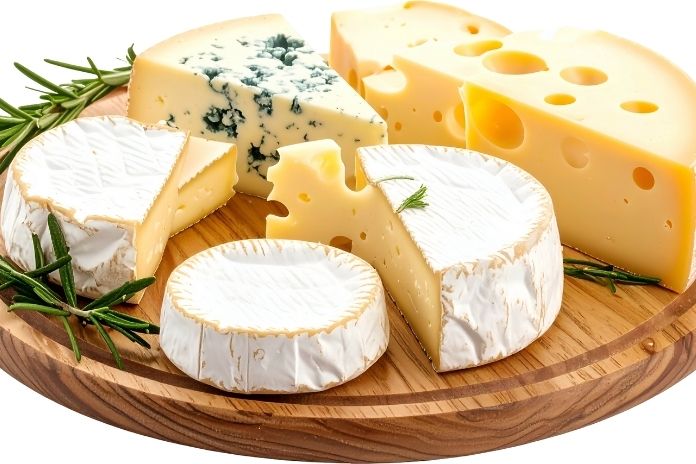
Cheddar, Brie, and Gouda are examples of high-fat cheeses, which have more than 20% fat. High-fat creams often contain 30-40% fat and include whipped cream, double cream, and clotted cream. These are frequently classified as “full-fat” or “regular” variants in supermarkets.
“For decades, the debate over high-fat versus low-fat diets has shaped health advice, sometimes even categorizing cheese as an unhealthy food to limit,” said study author Emily Sonestedt, PhD, of Lund University, Sweden. She noted, “Our study found that some high-fat dairy product may actually lower the risk of dementia, challenging some long-held assumptions about fat and brain health.”
At the beginning of the study, researchers examined data from 27,670 individuals in Sweden, with an average age of 58, for an average of 25 years. Furthermore, 3,208 individuals experienced dementia during the study.
Participants kept track of what they ate for a week and answered questions on how often they ate certain meals throughout the preceding few years. Researchers compared those who ate 50 grams or more of high-fat cheese daily to people who ate less than 15 grams daily.
For example, 50 grams of cheese is about 2 slices of cheddar or half a cup of shredded cheese and is approximately 1.8 ounces. A typical serving of cheese is one ounce. Of individuals who ate more high-fat cheese, 10% had dementia at the conclusion of the trial. Of those who consumed less, 13% acquired dementia.
Why This Matters
Vascular dementia occurs when blood flow to the brain weakens over time. Small, often undetectable “microstrokes” or damage to arteries that doesn’t go away slowly makes it harder for oxygen and nutrients to get to brain tissue. It causes memory problems, slow thinking, and a decline in cognitive function over time.
Because vascular dementia is closely linked to heart health, you can protect your long-term cognitive health by keeping your blood vessels healthy.
How High-Fat Dairy May Protect the Brain’s Blood Vessels
Dementia is becoming a bigger problem for public health around the world. New cases are being reported every few seconds, and the number of cases is expected to rise by 2050 as people get older. Without medicines that can cure diseases, efforts to prevent them have focused on changing factors such as diet and other lifestyle factors.
It remains unclear how dairy consumption correlates with dementia risk, particularly given the disparities in fat content across dairy products. Although associations for cream, milk, and yogurt are less consistent, and findings differ among populations and studies, evidence indicates that cheese may offer some protection against cognitive decline.
Genetic factors, including APOE ε4, may affect these relationships. However, prior research has not demonstrated definitive interactions.
To fill this gap, researchers looked at long-term data from the Malmö Diet and Cancer cohort in Sweden to see if eating a lot of high-fat or low-fat dairy was linked to a higher risk of getting dementia, such as Alzheimer’s disease (AD) or vascular dementia (VaD).
The study included 27,670 people, with an average age of 58 at the start. Sixty-one percent were women. Researchers identified 3,208 cases of all-cause dementia during the follow-up.
Participants with the highest intake of full-fat cheese and cream tended to have lower BMI, higher educational attainment, and fewer cardiometabolic diseases at baseline, suggesting differences in underlying health and lifestyle characteristics across intake groups.
Read More: 7 Reasons Women Are Quitting Dairy—And What They’re Eating Instead
What the Study Didn’t Show—and Why Context Matters
The study was observational, but the findings are fascinating. It indicates that it discovered a correlation rather than evidence of cause and effect.
Researchers tracked food habits and dementia rates, but they could not control every element that affects brain health.
For instance:
- The lifestyles of those who consumed more cheese varied.
- They might have smoked less or worked out more.
- Their diets were more balanced overall.
Practical Takeaways—How to Apply This Research Safely

Choose Wisely
If you are having dairy, think about switching to options that are similar to those that are linked to benefits in the study mentioned.
- Brie, cheddar, and Gouda are some examples of aged cheeses that are high in fat (20% or more).
- Instead of using fake creams, try to use real cream in small amounts.
Pair With a Brain-Healthy Diet
Cheese is not a brain-protective food on its own. Combining it with a more comprehensive, heart- and brain-supportive dietary pattern yields the best outcomes, including:
- Fish high in omega-3
- Vibrant fruits and veggies
- Legumes and whole grains
- Olive oil, nuts, and seeds
Watch Your Portions
The results of the study suggest that a reasonable intake range is advised. Consume 30 to 50 grams (1 to 2 ounces) of cheese every day.
Red Flags and When to Be Cautious
Dairy products high in fat might not be suitable for everyone. Before increasing intake, you should speak with a healthcare provider if you have:
- High cholesterol levels
- A cardiac condition that exists
- A history of cardiovascular issues in the family
- Dairy sensitivity or lactose intolerance
It’s also critical to keep in mind that not every dairy product in the study showed advantages. Studies have not associated highly processed or low-fat dairy products with a lower risk of dementia.
Read More: Is Dairy Really Bad for Your Gut? Here’s What The Science Says
Conclusion
The 25-year Swedish study offers a novel perspective on dietary fat and cerebral health, indicating that moderate consumption of high-fat cheese and cream may correlate with a reduced risk of vascular dementia.
Even though the results are auspicious, it’s important to remember that the study shows only the link, not the cause. Not everyone felt the protective effects, though, because lifestyle choices, diet, and genetics all play a very significant role in cognitive health. Most people should learn to value quality and balance instead of eating too much cheese.
References
- Indo-Asian News Service. (2025, December 18). Is high-fat cheese healthy for your brain? Here is what the new study says.
- Ferrer, B. (2025, December 18). Eating more high-fat cheese and cream to help avoid dementia?
- MedicalBrief. (2026, January 7). High-fat dairy link to good brain health – Swedish study.
- American Academy of Neurology. (2025, December 17). Could cheese protect your brain health?
- ECONEWS. (2025, December 29). A new study on dairy products reveals an unexpected difference in the gut that almost no one imagines.
- Kumar Malesu, V. (2025, December 23). High-fat cheese and cream consumption links to lower dementia risk over 25 years.
- Gerlach, A. (2025, December 30). High‑fat dairy consumption linked to decreased risk of dementia.
- Kritz, F. (2026, January 23). Is high‑fat cheese actually good for your brain?
- Amy Roeder.(December 19, 2025). Experts question study linking whole-fat dairy to better brain health.
In this Article