


















Cheese has a strange reputation in discussions of heart health. It is loved emotionally, but judged medically. Many people carry silent guilt while eating it. Somewhere along the way, cheese became a symbol of “bad fat,” even though modern nutritional science has long since moved beyond this old belief.
The truth is, the question is no longer “Is cheese good or bad for the heart?”
The real question now is: how much cheese is best for the body without causing metabolic stress?
Interestingly, several dietary pattern studies have observed a consistent pattern: people who consume small, regular amounts of cheese often show better cardiovascular markers than those who either avoid it completely or consume it excessively. And this “small, regular amount” often comes close to about 1 to 1.5 ounces per day.
This article is not about glorifying cheese. It is just here to help make practical sense rather than sounding like another diet trend.
Read More: Heart Health in Your 30s: 8 Habits That Can Protect You for Life
The Surprising Science Behind the 1.5-Ounce Rule
Nutrition research rarely works in absolutes. Foods don’t act like medicines where more gives stronger results. Many foods follow a U-shaped curve, meaning that too little and too much can both cause problems, while the middle range offers advantages.
Cheese appears to follow this same pattern.
When researchers observed long-term dietary habits, they noticed that moderate cheese consumption correlated with:
- Better HDL (good cholesterol) levels
- Neutral or slightly improved LDL patterns
- Reduced risk of metabolic syndrome in some populations
But once cheese intake rose beyond moderate levels, these benefits either plateaued or reversed.
Why does this happen?
The answer lies in dose response. Many foods behave differently at different intake levels. Coffee, nuts, dark chocolate, and even exercise follow this curve. Cheese appears to work the same way.
At moderate amounts:
- Beneficial fatty acids support metabolism
- Fermentation compounds improve gut signaling
- Calcium binds certain fats in digestion, reducing cholesterol absorption
At excessive amounts:
- Sodium load increases
- Calorie density becomes a problem
- Saturated fat intake crosses beneficial limits
So the 1.5-ounce mark is not random. It is where benefits stay active, but risks don’t dominate. Food structure plays a far greater role in digestion and metabolic response than previously recognised. And also, moderation is not just a moral concept in nutrition; sometimes it is a matter of biological logic.
Read More: Is Cream Cheese Healthy? Nutrition, Benefits & Downsides Explained
How Cheese Supports Cardiometabolic Health
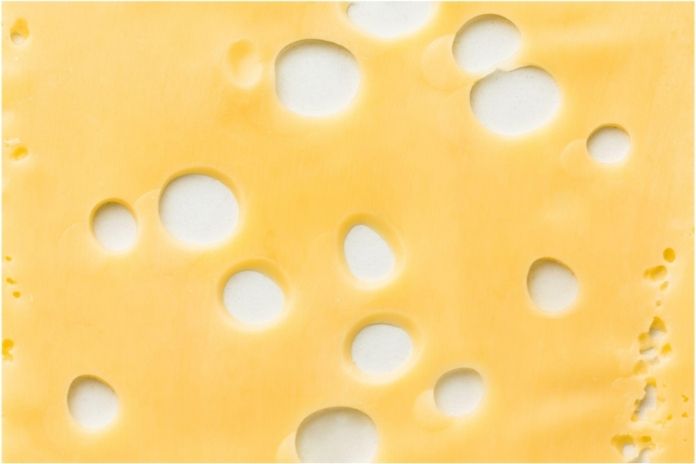
Most people think cheese is only about calcium or protein. But its effect on the heart is more layered than that.
1. The “Cheese Matrix” Effect
Cheese is not just fat, protein, and salt. It has a complex physical structure, often called the “food matrix,” which changes how nutrients are absorbed.
Inside this matrix:
- Fat is trapped within protein networks
- Calcium interacts with fatty acids during digestion
- Certain lipids form compounds that are less harmful to arteries
This is why eating cheese does not produce the same blood lipid response as eating butter, even though both come from milk fat.
The body processes cheese slowly. Slower digestion means:
- Better satiety
- Lower insulin spikes
- More stable lipid metabolism
In simple terms, cheese behaves more gently inside the system than expected.
2. Fermentation: The Silent Star
A point many people miss – cheese is not just dairy; it is fermented dairy. Fermentation produces:
- Bioactive peptides (protein fragments)
- Vitamin K2
- Short-chain fatty acid precursors (dietary fibers)
- Probiotic interactions
These elements can influence:
- Blood pressure regulation
- Arterial flexibility
- Inflammatory balance
Fermented foods communicate with gut bacteria. Gut bacteria then send signals to the immune and cardiovascular systems. So cheese becomes part of a larger metabolic conversation, not just a snack.
Read More: Is Dairy Inflammatory? What Studies Really Say About Milk, Cheese, and Yogurt
Why Moderation Matters: Finding the Sweet Spot
When people hear “cheese is okay for the heart,” they often jump to extremes. But moderation is not just a moral suggestion here; it is biologically strategic.
At around 1.5 ounces:
- Sodium remains manageable
- Calorie load stays controlled
- Fat intake aligns with metabolic tolerance
- Nutrient density remains beneficial
Beyond that, the balance gets disturbed. Too much cheese daily may:
- Raise blood pressure due to sodium
- Add hidden calories
- Shift lipid profile unfavorably
Too little may:
- Remove a nutrient-dense food unnecessarily
- Reduce diet satisfaction
- Increase cravings for processed alternatives
The sweet spot is not about restriction. It is about precision. That precision, however, can shift slightly depending on the rest of a person’s diet and their individual heart risk.
“If your diet, in general, is very low in saturated fats and sodium, having two to three ounces of cheese a day may be safe,” says registered dietitian Alexis Supan. “If you’re trying to eat healthy or have any heart concerns, then I would try to stick to a single ounce of high-quality cheese a day, or maybe even less than that a few times a week.”
This is why the 1-1.5-ounce range appears repeatedly in research: it is at a level that works for most people without requiring detailed tracking or dietary perfection.
Read More: Is Mac and Cheese Healthy? Nutrition Facts, Healthier Versions, and What Dietitians Say
Not All Cheese Is Created Equal
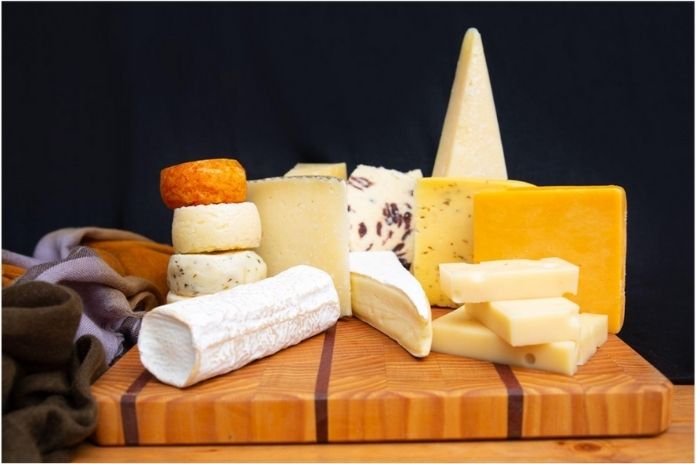
The variety of cheese matters more than people assume. Texture, aging process, fermentation, and salt content all influence health impact.
1. Best Choices for Heart Health
Some cheeses naturally align better with cardiometabolic goals:
- Aged cheese contains higher vitamin K2
- Fermented traditional cheeses support gut diversity
- Lower-sodium varieties help blood pressure control
- Natural cheeses are preferred to processed varieties as they contain fewer additives and better nutrients
Portion still matters even for healthy options.
This is also why judging cheese solely by nutrition labels can be misleading. A cheese that looks “worse” on paper may actually deliver more metabolic benefit because of how it is fermented and structured.
“I wouldn’t want someone to look at a chart showing the nutrition breakdown of different cheeses and think they should avoid specific varieties,” says Emily Gelsomin, a nutritionist. “Those that are slightly higher in sodium or saturated fat, such as Parmesan, may have higher amounts of beneficial fermentation products.”
In other words, fermentation quality often matters more than isolated numbers. When people fear sodium or saturated fat without context, they may avoid some of the most biologically active cheeses altogether.
2. What to Limit or Avoid
Certain types require caution:
- Processed cheese slices
- Extremely salty varieties
- Cheese spreads with additives
- Deep-fried cheese snacks
These often lose the benefits of fermentation and add unnecessary sodium and preservatives. Such products may not provide the same cardiometabolic benefits seen in research.
The more a cheese resembles its original milk structure, the better its potential effect.
Read More: Heart Health in Your 30s: 8 Habits That Can Protect You for Life
How to Add the Right Amount of Cheese to Your Diet
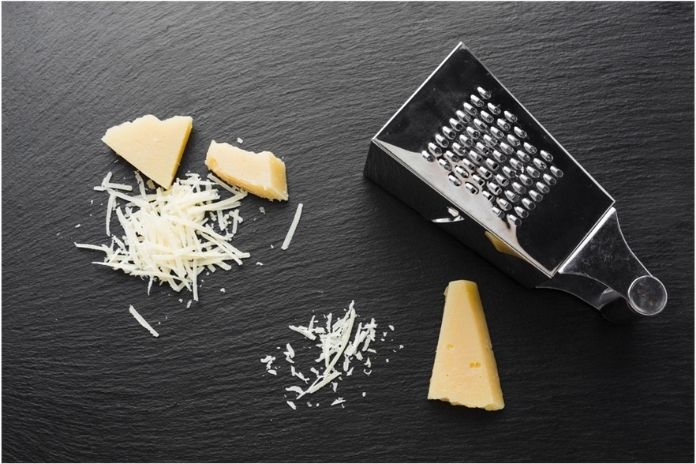
The biggest confusion is not whether to eat cheese, but how to control its intake naturally.
Here are practical ways:
- Add grated cheese as flavor, not base
- Pair with fiber-rich foods to improve satiety
- Use cheese to replace ultra-processed snacks
- Choose a strong-flavored cheese, so less is needed
- Avoid mindless eating directly from blocks
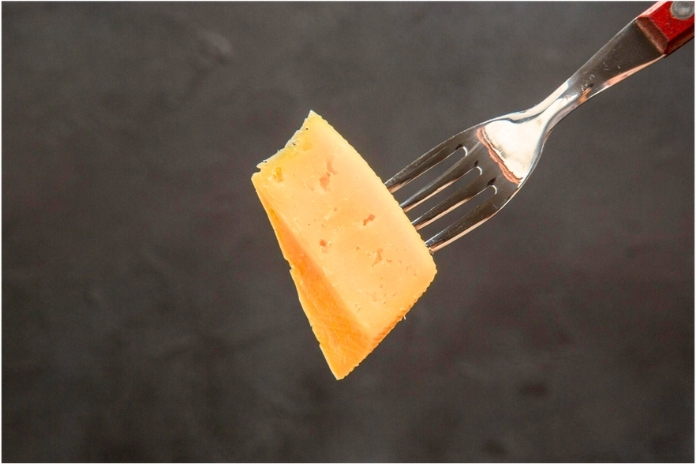
1.5 ounces looks like:
- 2 thin slices
- A small handful of cubes
- 3 tablespoons grated
When cheese becomes a flavor enhancer instead of a meal centrepiece, moderation becomes effortless.
Read More: Dark Chocolate and Heart Health: How a Sweet Treat Supports Circulation
Final Thoughts
Cheese does not need extreme opinions. It needs context. In discussions about heart health, the focus is shifting from “avoid or indulge” to “optimize and balance.” The 1.5-ounce sweet spot reflects a pattern where pleasure meets physiology.
It allows nutrient intake without overload, metabolic support without excess, and dietary satisfaction without guilt. Food works best when it is neither feared nor worshipped, only understood.
Read More: What Happens to Your Blood Pressure When You Eat Cheese Every Day? (Benefits and Risks Explained)
- Moderate cheese intake may influence heart health more positively than complete avoidance, but the long-term mechanisms require more research.
- Fermented dairy shows unique cardiometabolic interactions that are not yet fully mapped in clinical studies.
- The food matrix concept suggests that we should study whole foods instead of isolated nutrients, yet most dietary guidelines still lag behind this idea.
- Variability in sodium content across cheese types is under-researched compared to fat content.
- Future studies should compare cheese consumption across cultural dietary patterns rather than across generalized populations
FAQs
1. Is it okay to eat cheese every day, or will it affect my heart?
Yes, if the portion remains moderate and the diet is balanced overall.
2. Is low-fat cheese really better, or is normal cheese fine?
Not always. Some benefits are linked to fermentation and nutrient structure, not just fat content.
3. If cholesterol is high, should I stop eating cheese?
In moderate amounts, many people tolerate it well, but individual response varies.
4. Can cheese cause inflammation in the body?
Fermented cheese may actually support anti-inflammatory pathways when eaten in moderation.
5. Is plant-based cheese a healthier choice for the heart?
Depends on processing and ingredients; many lack fermentation benefits.
References
- Cleveland Clinic. (n.d.). Should You Eat More Vitamin K2-Rich Foods? Cleveland Clinic.
- Feeney, E. L., Lamichhane, P., & Sheehan, J. J. (2021). The cheese matrix: Understanding the impact of cheese structure on aspects of cardiovascular health – A food science and a human nutrition perspective. International Journal of Dairy Technology, 74(4).
- Raziani, F., Tholstrup, T., Kristensen, M. D., Svanegaard, M. L., Ritz, C., Astrup, A., & Raben, A. (2016). High intake of regular-fat cheese compared with reduced-fat cheese does not affect LDL cholesterol or risk markers of the metabolic syndrome: a randomized controlled trial. The American Journal of Clinical Nutrition, 104(4), 973–981.
In this Article