


















It can be very challenging to determine the actual causes of irritated, watery, or itchy red eyes. Dry eye syndrome and allergic conjunctivitis are among the most common causes of these symptoms. Although they may appear similar, the conditions differ, and understanding the distinction is essential for receiving the proper treatment and lasting relief.
Eye allergies can cause burning, itching, and other general discomfort symptoms similar to dry eye. The similarity between the two conditions often leads to confusion, increasing the risk of misdiagnosis and unsuitable treatment.
In this article, we explain how to differentiate between them, what causes the itching, and which treatments are most effective for each.
Read More: Why Your Vision Is Blurry in the Morning (and What It Means for Your Eyes)
What Is Dry Eye Syndrome?
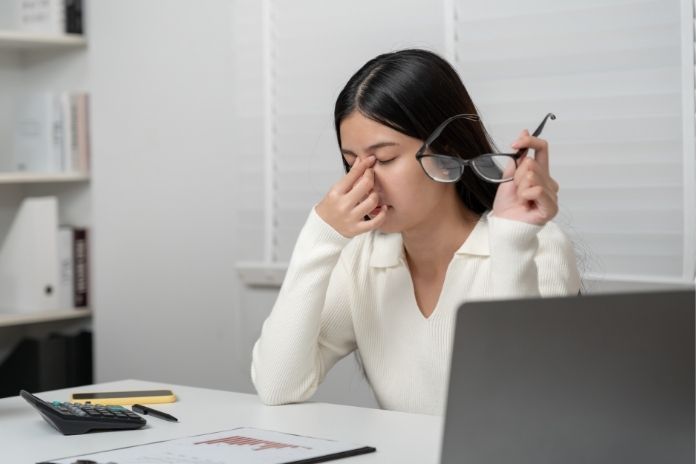
When your eyes don’t make enough tears or when the tears don’t have the proper ratio of water to oil to keep your eyes moisturized, you may experience dry eye syndrome. If treatment is not received, this may result in long-term harm, discomfort, and visual issues.
Common Symptoms
- Burning, stinging, or a grainy feeling are typical signs of dry eye.
- Fatigue and redness.
- Blurry vision that clears after blinking.
- Release of mucus instead of wet tears.
- Symptoms that get worse when exposed to windy conditions, air conditioning, or extended screen time.
Risk Factors
The following factors increase your risk of developing dry eyes:
- Being over fifty years old. As you age, your ability to produce tears begins to decrease. People over 50 are more likely to have dry eyes.
- Biological females are more likely to have hormonal changes as a result of pregnancy, birth control, or menopause.
- Eating a diet deficient in omega-3 fatty acids, found in fish, walnuts, and vegetable oils, or vitamin A, found in liver, carrots, and broccoli.
- A history of refractive surgery or wearing contact lenses.
What Is Allergic Conjunctivitis?
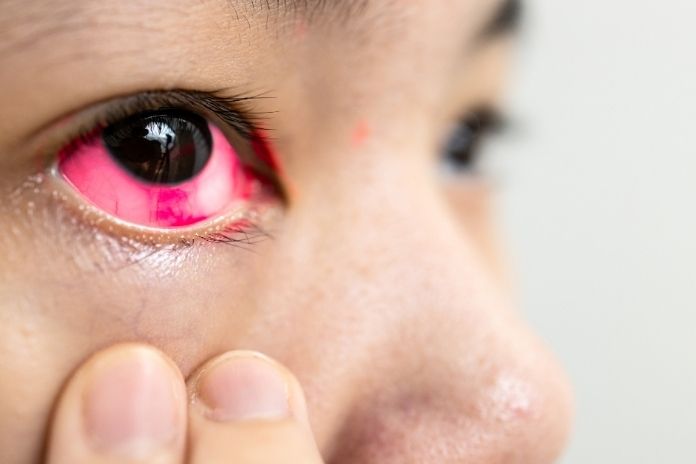
Allergens like dust mites, pollen, or pet dander can cause eye allergies, commonly known as allergic conjunctivitis. Your immune system creates histamines, which cause redness, swelling, and itching, since it perceives these compounds as dangerous even if they are not.
Common Symptoms
- Itchy or burning eyes are common signs of eye allergies.
- Swelling and redness.
- Watery or tearing discharge.
- Swelling of the eyelids.
- Symptoms that worsen after being exposed to triggers or during specific seasons, such as spring or fall.
Types of Allergic Conjunctivitis
Seasonal allergic conjunctivitis is most frequently mistaken for a dry eye condition. Five types of allergens can cause eye symptoms:
Seasonal Allergic Conjunctivitis: The most common eye allergy is seasonal allergic conjunctivitis, which occurs when allergens are more prevalent during specific seasons.
Perennial Allergic Conjunctivitis: Similar to seasonal eye allergies, perennial allergic conjunctivitis has year-round symptoms.
Giant Papillary Conjunctivitis (GPC): This condition causes redness, swelling, and irritation on the inner eyelid. GPC is typically present in contact lens wearers.
Vernal Keratoconjunctivitis (VKC): An excessive reaction to allergens can lead to this condition, which produces hard and raised pimples on the upper eyelid. It occurs more frequently in warm climates.
Atopic Keratoconjunctivitis: Although the pathophysiological process is complex, the treatment of AKC resembles that used in seasonal or chronic allergic conjunctivitis, with topical corticosteroids used to reduce inflammation during acute flares. The addition of around 2% topical cyclosporin is another adjuvant therapy. Your doctor may consider a supratarsal corticosteroid injection if topical treatment fails to improve the AKC.
Read More: 8 Innovative Products for Maintaining Eye Health
Diagnosis — How Doctors Tell Them Apart
The first step in eye irritation diagnosis, dry eye vs. allergic conjunctivitis in the doctor’s office, is a thorough assessment of your symptoms, medical history, and lifestyle. Usually, the evaluation consists of:
Patient history: The eye specialist will ask you about recent illnesses, dry eyes from allergies, any use of contact lenses, when and how your symptoms started, and how long they have persisted.
Visual examination: The doctor will examine your conjunctiva, the quality of your tear film, and the rest of your eyes using bright lights and various magnifying lenses.
Tear film test: If your doctor suspects you have dry eye, they will perform various tests to assess the thickness and adequacy of the tear film. Tests might include tear breakup time and tear meniscus height.
Laboratory testing: If your doctor suspects that a germ is causing your conjunctivitis, they may wish to have a swab test done in the laboratory.
Treatment for Dry Eye Syndrome
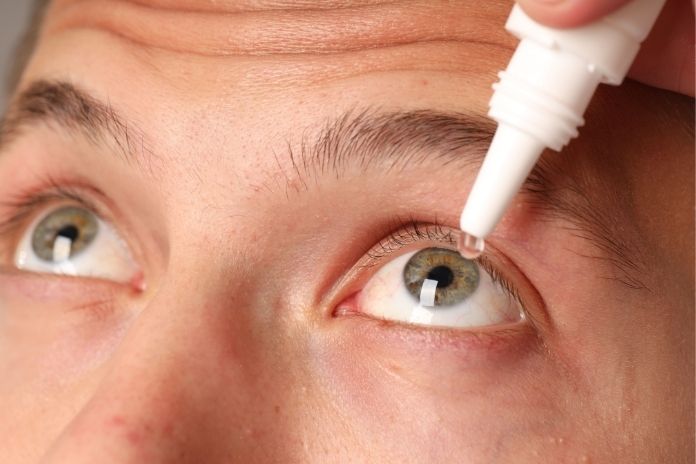
Dry eye can be treated in a variety of ways, from prescription drugs to over-the-counter artificial tears to lid operations.
Dr. Tasha J. Schellenberg, OD, a clinical instructor at the Dean McGee Eye Institute/University of Oklahoma Department of Ophthalmology, says, “finding the right treatment depends on the root of the problem.”
“Ocular allergies are often treated with antihistamine drops. There are several over-the-counter and some stronger prescription antihistamine drops available,” Dr. Tasha J. Schellenberg says. “Additionally, steroid drops may be needed if ocular allergies are severe,” she adds.
Your eye doctor might advise using preservative-free artificial tears in addition to the best eye drops for dry or allergic eyes to keep your eyes lubricated and from drying up since antihistamine drops can reduce tear production.
There are a few easy things you can do to observe if your symptoms get better before taking medicine. Eliminating all allergens can reduce histamine production, thereby lessening the dry, scratchy sensation in your eyes.
Treatment for Allergic Conjunctivitis
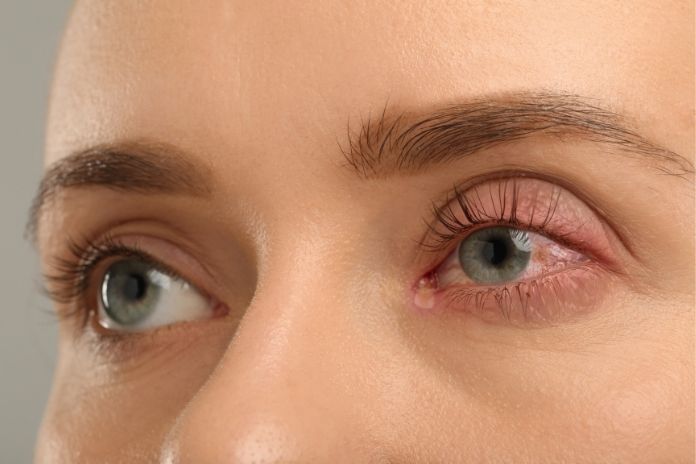
Reducing exposure to the allergens that cause your symptoms is the first step in managing allergic conjunctivitis. Small lifestyle changes can have a very significant impact. Use HEPA air filters to reduce indoor allergens, keep windows closed on high-pollen days, and wash pillowcases weekly to remove dust mites and pollen buildup.
- Eye drops with antihistamines or anti-inflammatory properties may be used to treat eye allergies.
- For relief, apply cold compresses.
Read More: Best Weighted Eye Masks – Do They Improve Deep Sleep?
Can You Have Both Dry Eye vs Allergic Conjunctivitis?
Indeed, many people can have both dry eye syndrome and allergic conjunctivitis simultaneously. Allergies can cause inflammation on the surface of the eyes, which can damage the tear film and accelerate tear evaporation.
Allergies can considerably worsen dry eyes. Allergies could be the cause if you frequently experience watery, irritated, itchy red eyes during particular seasons. Allergy season might exacerbate dry eye symptoms for those who already have them.
Dry eye symptoms can be brought on by or made worse by allergy flare-ups for several reasons:
Disruption of your tear film: Your tear film is less stable due to allergic irritation, leading to tears evaporating more readily.
Rubbing your eyes: This impulsive gesture can scratch the eye’s surface, worsening dryness and sensitivity.
Use of antihistamines: Some allergy medications, including oral antihistamines, can lessen tear production.
Blocked oil glands: Allergic swelling may impair the function of the meibomian glands, which help prevent tear evaporation.
When to See an Eye Specialist

You must visit your ophthalmologist for an eye test if your symptoms don’t clear up, get worse, or disrupt your day-to-day life. Untreated dry eye syndrome may lead to permanent damage to the eye’s surface, and unaddressed allergies can adversely affect both vision and comfort.
Prevention Tips for Year-Round Eye Comfort
If you are experiencing symptoms of dry eye or allergies, or both, you should consider the following recommendations:
- To keep your eyes moist, use artificial tears.
- Stay inside during peak pollen hours to avoid allergens.
- To protect your eyes, you should wear sunglasses when you are outside.
- To maintain clean indoor air, you can use either a humidifier or an air purifier.
- To avoid digital eye strain, take breaks from screens.
Read More: Home Remedies for Healthy Eyes: 6 Tips to Support Vision Naturally
Conclusion
Tiny as they are, your eyes can ruin your day when they are irritated. Understanding the real source of your symptoms is vital to eventual relief, whether it’s the constant itch of allergic conjunctivitis or the scratchy, burning sensation of dry eye. Despite their similarity, the two conditions have quite different causes and therefore different remedies.
Getting the correct eye irritation diagnosis helps protect your long-term eye health and enables you to get to comfort faster. Knowing what you’re up against helps prevent you from unintentionally making things worse by trying remedies that inflame, dry out, or aggravate allergies.
References
- Yealy Eye Care. (2025, September 25). Eye Allergies vs. Dry Eye Syndrome: How to Tell the Difference.
- The Difference Between Dry Eye and Allergies. (April 2025). Total Eye Care Centers.
- What Is Dry Eye? Symptoms, Causes and Treatment. (October 15, 2024). American Academy of Ophthalmology.
- Dry eyes – Symptoms & causes. (2022, September 23). Mayo Clinic.
- Ravi Patel, MD. (January 26, 2025). Allergic conjunctivitis. EyeWiki.
- Is It Allergies or Dry Eyes? Traverse City Eye.
- Conjunctivitis or dry eye? . ReFocus Eye Health – Philadelphia.
- Can Allergies Make Dry Eyes Worse? (2025, August 4). E Eye Place.
In this Article