


















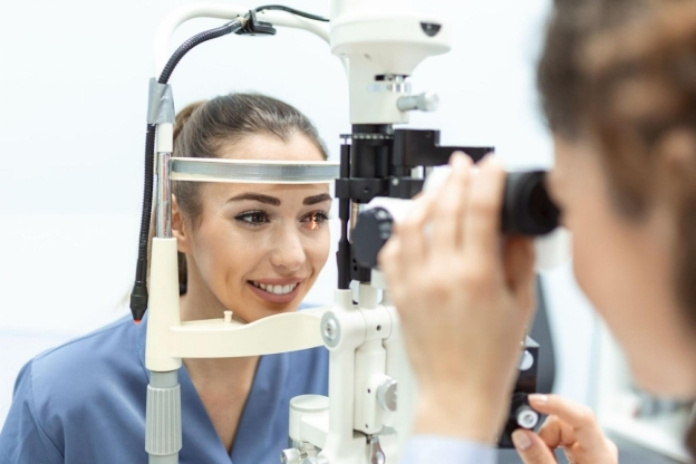
Most adults wait until something goes wrong before they visit an eye doctor, blurry vision, headaches, floaters, or reading struggles. But here’s the surprising truth: by the time vision changes, many eye diseases are already advanced.
A dilated eye exam is not just a “bigger version of a normal test.” It’s one of the very few medical examinations where a doctor can directly see living blood vessels, nerves, and tissue without surgery.
Your eyes are the one place in the body where health issues, both eye-related and systemic, show up quietly, early, and clearly. That’s why regular dilation is worth your time.
What Exactly Is a Dilated Eye Exam?
A dilated eye exam is simple:
- Special drops are placed in your eyes
- The pupils gradually enlarge
- The doctor examines deeper structures using tools like a slit lamp and an ophthalmoscope
The test is not painful. You may have slight burning when drops go in, and might experience temporary light sensitivity afterward.
It takes roughly 20–30 minutes, and the effects usually last a few hours.
What the dilation helps with:
- Exposes the retina fully, including peripheral areas.
- Makes tiny vascular changes visible, especially useful in diabetes or high BP.
- Helps detect early damage before vision loss occurs.
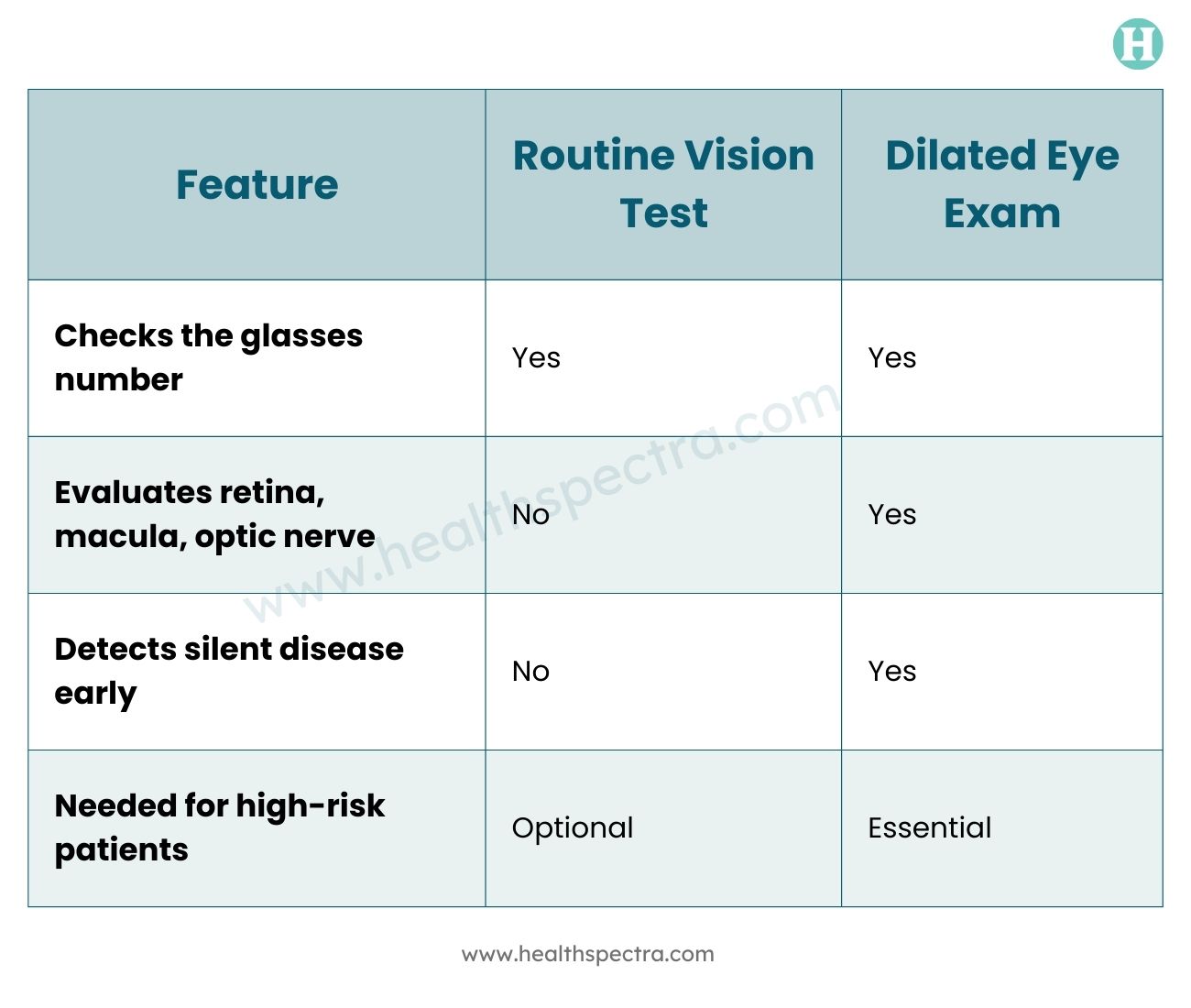
So, a normal eye exam checks whether you can see well. But a dilated exam checks whether your eyes are healthy.
Quick difference
 How Often Should You Get a Dilated Eye Exam?

Different age groups need different screening frequencies:
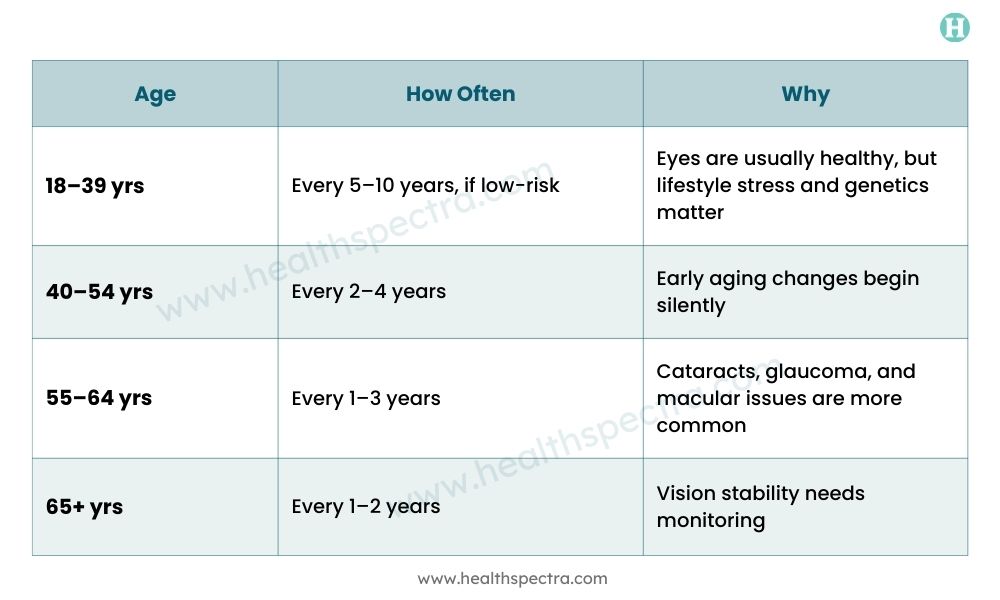 Annual exams are recommended if you have:
Diabetes, hypertension, thyroid issues, a history of family eye disease, migraines, high myopia, or long screen hours.
Most people keep waiting for a noticeable problem. The truth is: late symptoms often mean advanced disease.
What Hidden Problems Can This Exam Detect – Even If You See Perfectly?
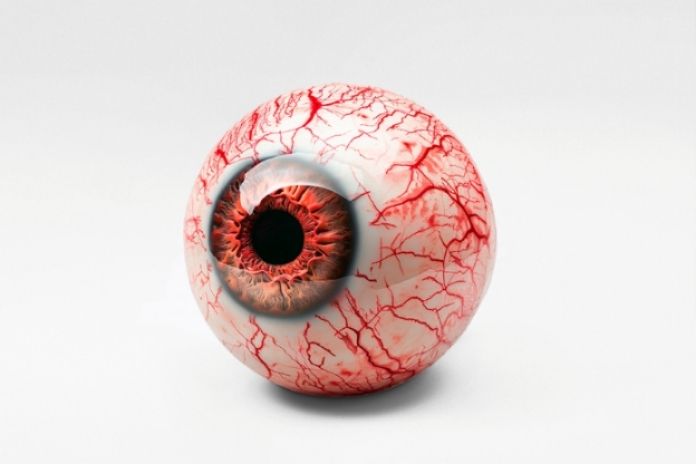
Seeing well does not mean your eyes are healthy. Many dangerous eye conditions show zero symptoms until permanent damage occurs.
A dilated exam can detect:
1. Glaucoma
Often called a “silent thief,” because peripheral vision disappears slowly.
- No redness.
- No pain.
- No blurriness, until late.
A dilated exam allows early optic nerve assessment, the stage at which treatment can prevent loss. The doctor can inspect the nerve shape, color, and health.
2. Age-Related Macular Degeneration (AMD)
This affects central vision, reading, face recognition, and fine work. Early AMD is almost invisible to the patient but obvious under dilation. Early lifestyle and treatment changes slow progression.
3. Diabetic Retinopathy
In diabetes, small retinal vessels leak or swell. Many diabetic patients have eye damage before they have vision symptoms. A dilated exam is the standard screening tool recommended worldwide because early detection prevents avoidable blindness.
4. Retinal Tears or Early Detachment
Symptoms like flashes or floaters sometimes appear after the retina has already torn. A detached retina requires emergency treatment. Small tears can be repaired before major damage happens, but only if they’re found early.
5. Hypertensive Retinopathy
High blood pressure affects blood vessels everywhere, including the retina.
Doctors can see:
- Narrow arteries
- Tiny hemorrhages
- Swelling
- Reduced blood supply
And as Dr. Dimitra Skondra, associate professor of ophthalmology, explains: “Most bleeding in the eye is harmless, sometimes caused by coughing or sneezing too hard, as this puts strain on the eyes. But it can also be related to high blood pressure.”
She notes that this may appear as a small blood vessel broken in the white of the eye (a subconjunctival hemorrhage) or even “a little bit of swelling” inside the eye. In some cases, the eye exam becomes the first sign of uncontrolled hypertension.
6. Cataracts (Even Before They Are Obvious)
Many people think cataracts only matter when vision becomes cloudy. But early detection helps plan lifestyle, night driving, and timed treatment instead of rushing surgery later.
7. Eye Tumors (Including Ocular Melanoma)
This is rare but serious and only visible on a dilated view.
Read More: Home Remedies for Healthy Eyes: 6 Tips to Support Vision Naturally
What Systemic Diseases Can Be Detected Through a Dilated Eye Exam
A dilated eye exam sometimes does what regular medical checkups miss. Conditions that may show signs inside the eye include:
Diabetes
As mentioned, high blood sugar can quietly damage tiny blood vessels in the retina. Sometimes the eye shows these changes before a blood test labels someone diabetic. Small leaks, swelling, or weak vessels give doctors an early warning sign long before vision problems start.
High cholesterol
Cholesterol doesn’t just live in blood reports; it can leave visible deposits in eye vessels or form a pale ring around the cornea. During dilation, hardened or narrowed retinal arteries may indicate that cholesterol levels are higher than ideal, even if you feel perfectly fine.
Autoimmune disease
Conditions such as lupus or rheumatoid arthritis can cause inflammation of blood vessels inside the eye. The doctor may spot swelling, bleeding, or changes in circulation that point toward an overactive immune system, sometimes before joint pain or fatigue becomes noticeable.
Thyroid disease
A thyroid imbalance can affect muscles and tissues around the eyes. Even with normal vision, the retina or optic nerve may show subtle signs of pressure, dryness, or inflammation. If someone has thyroid symptoms but no diagnosis, eye findings can offer valuable clues.
Multiple sclerosis (MS)
MS can affect the optic nerve, one of the first areas where inflammation may appear. A dilated exam may reveal optic nerve swelling, color changes, or unusual patterns suggesting nerve damage. It doesn’t diagnose MS by itself, but it often nudges the next step: neurological testing.
Cardiovascular disease
The retinal blood vessels can show how well or poorly the heart and arteries are coping. Narrowing, reduced blood flow, or tiny hemorrhages may indicate strain on the vascular system. Many people first hear “please check your heart health” in an eye clinic, not a cardiology office.
Kidney disease
Kidneys and eyes share very similar micro-blood vessels. When kidneys are struggling, those tiny vessels in the retina may also look stressed, leaky, or irregular. Sometimes, retinal findings prompt doctors to look more deeply into kidney function, especially when symptoms are silent.
Stroke risk
If blood flow to the retina appears compromised or small clots or plaques are visible, it can be a sign that circulation issues exist elsewhere, including the brain. These changes don’t mean a stroke is happening, but they can indicate a higher risk and the need for preventive care.
“Sometimes we can see little plaque deposits inside the eye that have broken away from buildup on the carotid artery, which supplies most of the blood to the brain,” says Brian Stagg, M.D., an ophthalmologist.
These tiny cholesterol plaques (called Hollenhorst plaques) can show up during dilation and may be an early warning sign of vascular disease or increased stroke risk.
Reduced blood flow can leave long-term marks on the retina as well. “The human retina doesn’t regenerate, so when there’s interruption of blood flow, [cells in] the retina die,” explains retina surgeon Mathieu Bakhoum, M.D. “When cells die, they leave behind visible damage, a kind of permanent mark, which we call retinal ischemic perivascular lesions, or RIPLs.”
Sometimes, an eye doctor may say, “Please get your blood pressure or blood sugar checked.” Not because of your vision but because your retinal blood vessels showed warning signs.
Read More: 5 Effects of Hurting Your Eyes After Swimming
What Happens After the Exam?

Most people experience:
- Light sensitivity
- Mildly blurred near vision
- Difficulty reading screens for a few hours
Driving sometimes works for distance vision, but if unsure, arrange a ride. Carrying sunglasses makes stepping outdoors easier.
Read More: Diabetes and Eye Health: The Critical Need for Regular Eye Exams
Preparing for a Dilated Eye Exam: Simple Checklist
Before your appointment:
- Bring current glasses
- Bring sunglasses
- Carry a list of medical conditions and medications
- Share symptoms like floaters, flashes, or headaches
- Ask whether retinal imaging (like OCT) is needed
Many clinics offer updated digital retinal scans, sometimes useful but not meant to replace dilation.
Read More: Why Your Vision Is Blurry in the Morning (and What It Means for Your Eyes)
Final Thoughts
Most people value their eyesight only when something goes wrong. But the smartest approach is preventive care, not crisis control. A dilated eye exam takes only a short time but plays a vital role in protecting long-term vision health and in detecting hidden systemic conditions.
It is less like a checkup and more like a preventive investment in the only pair of eyes you have.
- You don’t need symptoms to get a dilated exam.
- Many serious eye diseases are silent in the early stages.
- Eyes reveal hidden systemic diseases.
- The screening schedule depends on age and health risk.
- Dilation is safe, quick, and essential for preventive care.
References
- CDC. (2024, May 21). Why Eye Exams Are Important. Vision and Eye Health
- Cui, W., Wang, B., Shi, K., Wang, X., Chen, S., Xu, A., Shi, F., Wang, S., Zhang, X., Yang, X., & Wang, Q. (2024). Causal relationship between thyroid function and multiple sclerosis: A bidirectional Mendelian randomization study. Medicine, 103(37), e39709
- MedlinePlus. (2019). Eye Care. Medlineplus.gov; National Library of Medicine
- National Eye Institute. (2021, May 19). Get a Dilated Eye Exam | National Eye Institute
In this Article