











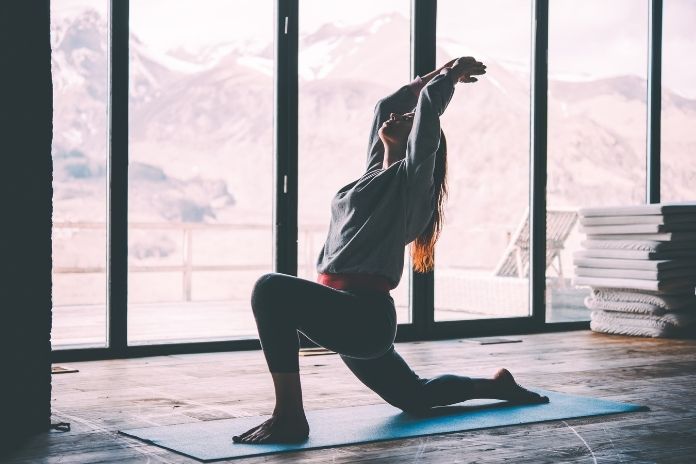
In today’s society, health trends are often associated with expensive gym memberships, high-end fitness technology, and luxury wellness retreats. This widespread narrative suggests that achieving well-being requires substantial financial resources—a belief that can be discouraging for those who feel that wellness is a privilege reserved only for the wealthy.
It’s time to challenge this misconception and redefine what holistic health truly means.
The truth is that wellness doesn’t require a hefty price tag. This post aims to demonstrate that prioritizing your health is possible on any budget by exploring practical, affordable strategies that anyone can implement.
We’ll examine 15 budget-friendly wellness habits that can easily integrate into your daily routine. From mindful food choices to simple yet effective exercise practices, these habits prove that wellness isn’t a luxury; it’s an accessible lifestyle choice available to everyone, regardless of income.
Read More: Here’s What Wellness Experts Do Every Sunday Night
Affordable Nutritional Habits
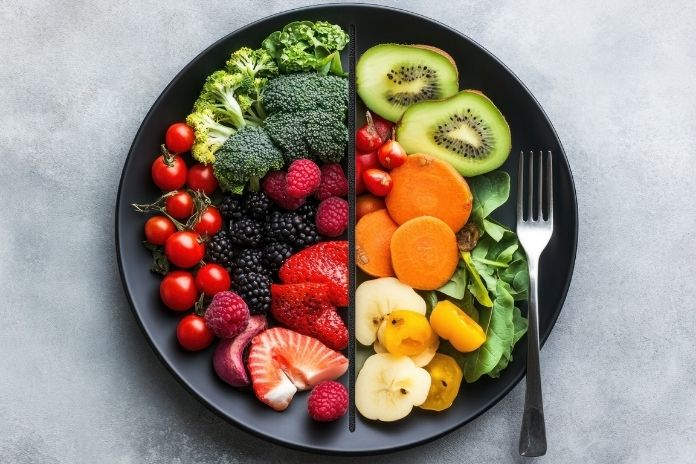
Emphasize Whole Foods: Whole foods are minimally processed and do not contain artificial ingredients or preservatives. Foods such as whole grains, beans, vegetables, and fruits are more affordable, nutrient-rich options that keep you healthy.
Meal Planning: Planning your meals for the week and making a list before you hit the grocery store does cut down on extra spending, makes grocery runs much more pleasant, and helps you stick to a disciplined, nutritious eating plan.
Stock up on Pantry Staples: Buying non-perishables in bulk always lowers the cost per unit. Rice, beans, oats, and pasta are priced lower per unit when purchased in bulk. Keeping them on hand makes it easier to get healthy, inexpensive food on the table each week.
2. Budget-Friendly Fitness Practices
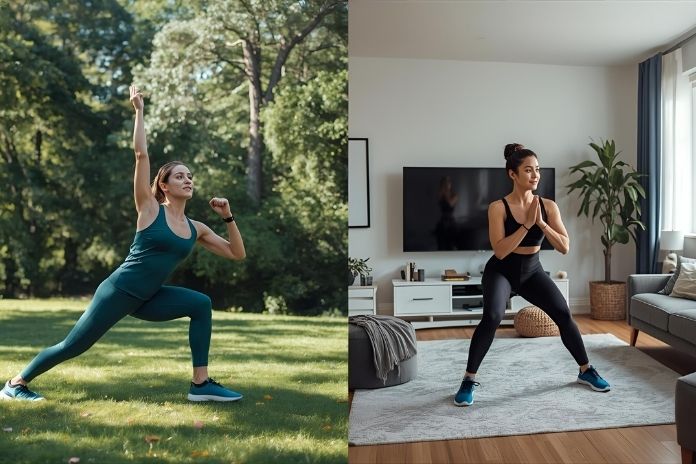
Outdoor Exercise: You don’t need a gym membership to stay fit. Nature provides the perfect workout space for free. Taking in the fresh air by going outside has no financial expense. Without spending any money, you can engage in cardiovascular-healthy activities such as walking, jogging, or hiking in a local park or neighborhood. This low-cost outdoor exercise method offers a welcome change of environment and improves physical fitness.
Schedule a yearly physical exam with your primary care provider (PCP), even if you feel healthy. “We’re seeing a lot more 30- and 40-year-olds with heart problems because of their sedentary lifestyle,” says Lisa Gray, certified personal trainer at Emory Decatur Hospital Wellness Center.
Visit your PCP before starting a new exercise routine—especially if you haven’t been active lately—to prevent serious issues. You’ll review your health history and check your vitals, such as blood pressure and heart rate.
Your provider is best suited to recommend the exercise plan that’s right for you.
Home Workouts: One cannot stress how affordable and convenient at-home workouts are. You have more freedom when you work out at home. To maximize your time, you can work out in the morning, in the evening, or on alternating mornings and evenings.
People can perform various exercises with little to no equipment, such as bodyweight routines, yoga, and Pilates. With home workouts, people can customize their fitness regimens to fit their schedules and interests without paying for costly gym subscriptions.
“Body-weight exercises are an effective way to build strength, endurance, flexibility, and balance — making for a very effective workout,” says Kristin Salinas, athletic trainer at Houston Methodist.
“From pushups and squats to burpees and planks, doing circuits of body-weight exercises can become a full-body workout that can help you burn calories and build muscle.”
Utilizing Free Resources: In the era of digital technology, those looking for advice on their fitness journey can access a multitude of free materials. There is nothing more handy for finding time to work out than a video workout you can do from home.
However, even if you travel a lot, you can still find online exercise videos quickly. Free fitness videos are available on several websites, ranging from advanced training sessions to beginner-friendly exercises.
Read More: Crystal Healing 101: Harnessing the Power of Gemstones for Wellness
3. Mental Well-Being on a Budget
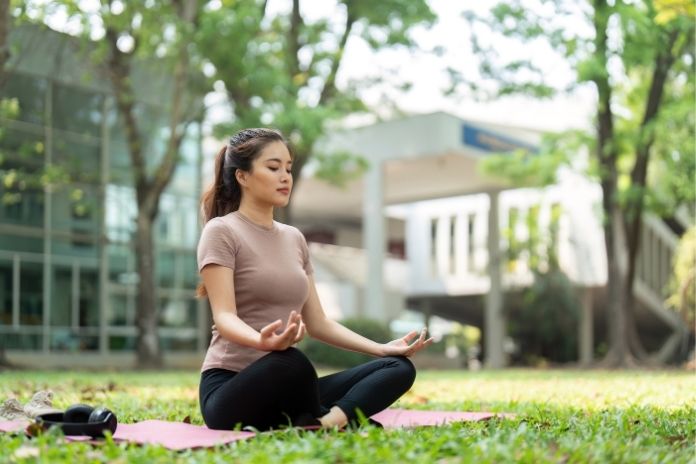
Mindfulness Meditation: One especially beneficial and affordable technique for improving mental wellness is mindfulness meditation. When you practice mindfulness meditation, you focus on paying close attention to your senses and emotions in the present moment, without giving them meaning or passing judgment.
Breathing techniques, guided imagery, and other practices to calm the body and mind and reduce stress are part of the mindfulness practice. Mindfulness meditation is a widely available technique for stress management and improving general mental resilience.
DIY Stress Reduction Techniques: Stress-reduction strategies don’t have to require lavish getaways or pricey spa treatments. Numerous low-cost, high-effectiveness do-it-yourself (DIY) stress-reduction methods exist.
A few techniques include deep breathing exercises, progressive relaxation, walking briefly, squeezing a stress ball, and more. You may practice these easy-to-use yet effective strategies in your home, giving you a valuable toolkit to help you deal with life’s obstacles without breaking the bank.
Utilizing Public Resources: Several options are available for utilizing public areas for unwinding and relieving tension. Parks, botanical gardens, and other green spaces encourage physical activity, connection to nature, and opportunities for community involvement, all of which contribute to a calm respite and a host of health benefits.
These public areas are easily accessible and free to visit, whether you’re looking to take a stroll, find a peaceful place to meditate, or take in the beauty of nature.
4. Affordable Self-Care Practices
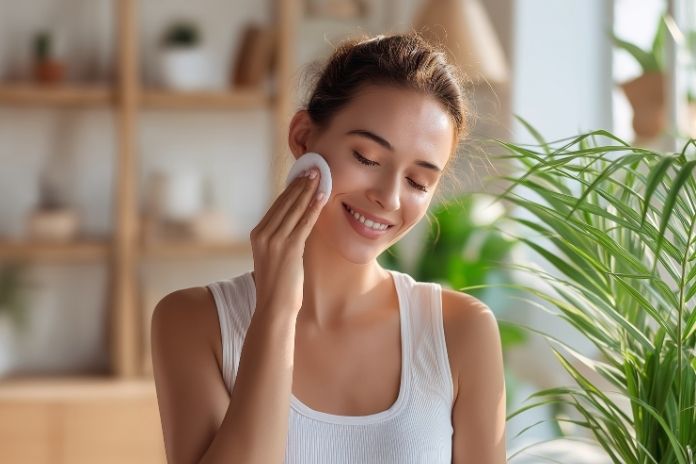
DIY Skincare: Expensive cosmetics are optional to achieve beautiful skin. Adopt a cost-effective skincare regimen by creating it with essential, low-cost ingredients. DIY recipes, ranging from nourishing face masks made with pantry ingredients to sugar and honey scrubs, treat your skin and save money.
Homemade Relaxation Techniques: Without spending a fortune on tools, turn your house into a haven of calm. One excellent method for managing stress is to practice relaxation techniques. Relaxation is more than just having a hobby or finding mental tranquility. It’s a method that lessens the adverse effects of stress on your body and mind. Stress-relieving techniques can be as easy as deep breathing exercises, meditation, or setting up a peaceful environment with candles.
Thrifting for Wellness: Improve your self-care regimen by looking for reasonably priced finds at thrift stores. Thrifting is not only a hobby for many of us; it’s a way to care for ourselves. Thrifting is an experience rather than just purchasing. Thrift stores include a wide selection of reasonably priced self-care products, ranging from soft blankets to gently used novels and calming candles.
Read More: Spiritual Wellness: 8 Daily Habits for Nurturing Your Soul
5. Creating a Budget-Friendly Wellness Routine

Prioritizing Essentials: Start with the essentials. When you know what you need to feel physically and mentally well, you’re in a better place to develop a routine that’s economical and effective. Prioritizing what’s important also helps you avoid burnout and keep work and life in equilibrium.
Sustainable Budgeting: Including wellness in your life doesn’t have to be extremely expensive. Making wise financial decisions to enhance your well-being without overspending requires sustainable budgeting. Establish clear budgetary limits for wellness-related spending, then look into more affordable options.
Find an inexpensive at-home workout, make nutrient-dense foods that fit your budget, go for a stroll outdoors, and consider trying meditation and relaxation at home. You can maintain a healthy lifestyle without jeopardizing your financial security by implementing effective financial planning.
Seeking Community Support: Finding friends along the way can make your journey more affordable and encouraging. A community for motivation, accountability, and comfort during the rough times. They may also be a way for you to save money: food swaps, finding biking buddies, or sharing fitness equipment.
Read More: Wellness Travel: Destinations That Prioritize Your Mind and Body
Conclusion
Better health is possible no matter your budget. A healthier lifestyle isn’t just for wealthy people. If you focus on a few specific areas, budget accordingly, and ask for help occasionally, you can build a responsible wellness routine.
At the very end of this guide, pick one or two low-budget habits to act on. A couple of minor adjustments can add up quickly.
Remember, the path to well-being is open to everyone. Every step counts, and your commitment to taking care of yourself is valuable regardless of how much you spend.
References
- https://nlccwi.org/eat-this-not-that-the-benefits-of-whole-foods/
- https://www.verywellfit.com/what-is-a-whole-foods-diet-2241974
- https://study.com/learn/lesson/menu-planning-overview-importance-food-service.html
- https://www.foodbank.org.au/money-saving-tips-meal-planning-budget/
- https://lifeshouldcostless.com/buying-in-bulk-to-save-money/
- https://myacare.com/blog/how-are-outdoor-activities-better-for-mind-and-body-than-the-gym
- https://us.humankinetics.com/blogs/excerpt/advantages-of-working-out-at-home
- https://www.gigabody.com/blog/benefits-online-workout-videos/
- https://www.mayoclinic.org/healthy-lifestyle/consumer-health/in-depth/mindfulness-exercises/art-20046356
- https://www.colorado.edu/law/25-quick-ways-reduce-stress
- https://cnr.ncsu.edu/news/2022/04/parks-green-spaces-improve-health/
- https://www.goodwill.org/blog/shop/thrifting-as-a-form-of-self-care/
- https://sites.rhodes.edu/counselingcenter/what-wellness-and-why-it-important
- https://www.realsimple.com/work-life/money/saving/self-care-tips-budget
- https://samaritanshope.org/community-education-outreach/the-role-of-community-in-our-mental-health/
- https://www.linkedin.com/pulse/my-personal-reflections-self-care-importance-taking-care-marcela-ugaz
- https://anxietyandbehaviornj.com/self-care-and-wellness-the-important-difference-that-may-affect-your-mental-health/
- https://www.hometeamsonline.com/teams/default.asp
- https://www.emoryhealthcare.org/stories/wellness/starting-a-new-exercise-routine-do-these-things-first
In this Article