

















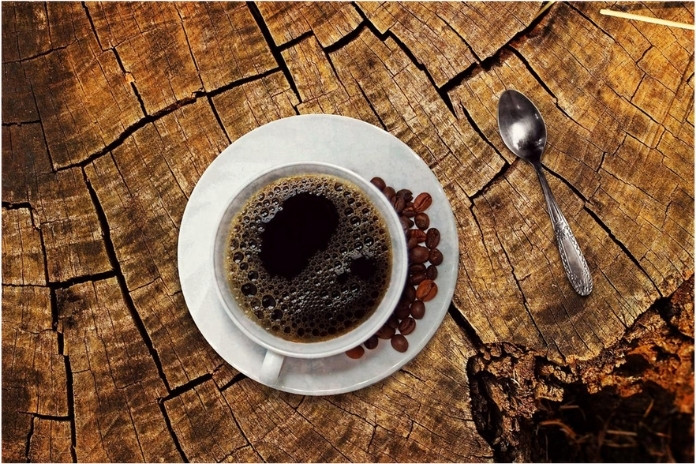
Many people start their day with a cup of coffee, but one question keeps coming up – does that coffee actually count toward your daily water intake, or does it make you more dehydrated?
Hydration is never just a small matter – it affects how your body performs, how clearly you think, and how you feel overall. Some believe coffee causes dehydration and try to limit it, whereas others assume it can completely replace water. Both ideas overlook a crucial aspect of the truth.
This article examines the current research on how coffee affects hydration, whether it can be included in your daily fluid intake, and when you may still need to supplement with plain water to stay properly hydrated.
How Hydration & Diuretic Effects Work
At its core, hydration is a simple balance: the fluid taken in (drinks, food, and water) minus the fluid lost (urine, sweat, and bodily losses) needs to stay roughly in equilibrium. When you’re out in the sun for a prolonged time, you’re heading toward dehydration.
A diuretic is a substance that increases urine production, thereby increasing fluid out and potentially shifting that balance. The concern with coffee is that it contains caffeine, which can have a diuretic effect.
But the nuance is critical: what matters is the net effect of a beverage – how much fluid it provides minus how much loss it triggers. Additionally, coffee is mostly water (typically 95-98%) when brewed plain. So, in terms of sheer volume, it is fluid.
The question is: does that fluid count, or is lost fluid greater because of caffeine?
What the Research Says About Coffee & Hydration
Here’s what the science shows:
- Habitual consumption and moderate doses matter. A study found that in male coffee drinkers, moderate coffee intake did not alter hydration markers compared to water, with no differences in urine volume, osmolality, or body water measures.
- The industry-sponsored/higher level review by the European Food Safety Authority (EFSA) via the site of Coffee & Health summarises: for healthy adults, caffeine doses around 300 mg/day (roughly 3 regular cups of coffee) show only a mild, short‐term diuretic effect, and do not throw off overall fluid balance even in hot conditions.
- But this is the key caveat – if the caffeine dose increases (for instance, ~6 mg/kg body weight, which for a 70 kg person is ~420 mg or more), an acute diuretic effect has been observed in studies.
- Also, the reference values for total water intake from EFSA state that “total water intake” includes *all beverages and drinkable fluids + moisture in food,” under moderate conditions.
- Official guidance from Mayo Clinic states: caffeinated drinks (including coffee) can help meet daily fluid needs, and typical caffeine in those beverages does not automatically cause dehydration.
So the big takeaway from the research: yes, coffee can count toward fluid intake – but moderation and context are key. If you drink large volumes of very strong caffeinated coffee, or you’re in extreme sweat/loss conditions, the picture changes.
Read More: 5 Vitamins You Should Never Take with Coffee (And Why Timing Matters)
Daily Fluid Needs

Most adults need roughly 68 fl oz to 101 fl oz (which is approximately 8½ cups to 12½ cups) of total fluid per day, from all drinks and foods combined. Your need may change with the weather, activity, or body size.
So, if you have 2–3 cups of coffee (around 16.9-20.3 oz, which is approximately 500–600 ml), this can be part of your total. However, it should not be your only source of fluid.
Other Caffeine Sources to Keep in Mind
It’s not only coffee. Tea, cola, and those energy drinks also have caffeine in them. If you’re having all of these throughout the day, it adds up. A little caffeine is fine – most people handle that well – but too much from different drinks can affect your sleep or make you lose a little more water. Just keep a rough idea of how much you’re having in total.
Read More: Gut-Friendly Alternatives to Coffee – What to Drink Instead
So – Can You Count Coffee Toward Your Water Intake?
In short, yes: for most healthy adults, drinking moderate amounts of regular coffee counts toward their daily fluid intake. But, it’s not quite as simple as “coffee = water”. Here are the factors:
When Can You Count Coffee Toward Your Daily Fluid Intake?
- If you are a habitual coffee drinker, i.e., you drink coffee regularly, and your body has adapted.
- If you consume something like 1‐3 cups a day (which keeps caffeine at moderate levels – up to about ~300 mg/day).
- If you use plain brewed coffee (i.e., mostly water, with minimal added sugar/cream that adds calories or alters the equation).
- If your total fluid intake includes water, teas, watery foods, and you’re not relying only on coffee.
This understanding can be applied to make informed adjustments to your coffee routine. Let’s find out how?
How to Practically Work Around Your Coffee Routine?
- Consider each cup of coffee as part of your fluid-intake tally, but don’t let it replace plain water entirely.
- A rough rule: for most, a few (1-3) cups/day is fine to count. If you go beyond that, especially with strong coffee, you need to add extra plain water.
- Monitor cues: your urine colour (pale straw is ideal), frequency, and thirst. If you’re feeling thirsty often or your urine is dark, you likely need more fluid beyond what coffee provides.
- Also note: coffees with heavy milk, sugar, syrups can contribute fluid, but also calories, and sometimes may reduce the “nutrient density” of your hydration strategy.
Read More: Gut-Friendly Alternatives to Coffee – What to Drink Instead
When Coffee Might Not Be Enough (or May Require Extra Water)
Let’s flip the lens: there are scenarios where coffee may not adequately count as your hydration base:
- High heat / heavy sweat: If you’re labouring outdoors in a hot/humid climate or doing vigorous exercise, fluid losses are elevated. In such cases, relying on coffee alone is risky – you’ll need water (or electrolyte‐rich fluids) along with it.
- High caffeine intake: Suppose you drink 5-6 strong coffees/day; caffeine load may push into levels where diuretic effect becomes more noticeable – meaning the net fluid gain from the drink is smaller.
- Non‐habitual users / sensitive to caffeine: If you rarely drink coffee and then ingest a high dose, your body may respond with higher urine output.
- Minimal other fluid sources: If your day’s fluid intake is coffee plus little else (few water glasses, few hydrating foods), you may still fall short of your total needs.
In those cases, treat coffee as part of fluid intake, but not your sole source. You’ll want plain water, maybe flavoured waters, hydrating foods (fruits, vegetables), etc.
Read More: Black Coffee Before a Workout: Does It Really Burn More Fat?
For People with Special Conditions
If you’re pregnant, breastfeeding, or have any heart, kidney, or blood pressure problems, then your body may handle caffeine differently. It is always better to check with your doctor first before changing how much coffee or fluids you take.
Read More: What Happens If You Drink 3 Cups of Coffee a Day?
Conclusion
For most healthy adults who enjoy moderate amounts of coffee (say 1-3 cups/day), coffee can indeed count toward your daily fluid intake. And the old myth that any coffee means dehydration is largely outdated.
The research indicates that moderate caffeine intake in habitual users doesn’t negatively impact hydration status.
However, that never means you should avoid water or think coffee is enough. Hydration is cumulative. Use coffee as one piece of your fluid puzzle, never the whole puzzle. If you find yourself consuming so much caffeine, sweating heavily, or with minimal other fluids, then increase your plain water intake.
FAQs
Q1. Does flavoured coffee (with sugar/cream) count the same as black coffee for hydration?
Flavoured coffee still provides fluid, but added sugar or cream also brings calories and possibly slower absorption or more metabolic load. Hydration‐wise still counts, but from a health/hydration perspective, plain brew has fewer confounders.
Q2. How many cups of coffee before it starts to dehydrate me?
There’s no strict “number of cups” because it depends on strength, your body weight, caffeine sensitivity, and habitual use. In one study, ~6 mg/kg (for a 70 kg person, ~420 mg caffeine) gave a stronger diuretic response. So, if you drink very strong coffee many times a day, then you may approach that zone.
Q3. Does decaffeinated coffee count as water?
Absolutely – if it’s decaffeinated, then the caffeine diuretic issue is negligible, and since the beverage is mostly water, it certainly adds to fluid. It would likely be “better” in terms of hydration vs a strong caffeinated brew in high quantities.
Q4. Can coffee replace water if I don’t like plain water?
It can help, but it’s never recommended to use coffee only. Ideally, include some plain water or other hydrating beverages in your routine. Coffee alone may leave you short if conditions are demanding (heat, exercise) or your volume of fluid is too low.
Q5. What are the signs that my coffee intake isn’t providing enough hydration?
Urine is dark yellow rather than pale straw. You feel thirsty often or dry mouth. You have headaches or light-headedness (may indicate mild dehydration). You’re feeling fatigued or sluggish (sometimes linked to low hydration). You have fewer than typical bathroom visits per day (urine output is low).
References
- Better Health Channel. (2023). Water – a vital nutrient. Better Health Channel; Victoria State Government.
- EFSA. (2010, March 25). Scientific Opinion on Dietary Reference Values for water. European Food Safety Authority.
- Killer, S. C., Blannin, A. K., & Jeukendrup, A. E. (2014). No Evidence of Dehydration with Moderate Daily Coffee Intake: A Counterbalanced Cross-Over Study in a Free-Living Population. PLoS ONE, 9(1), e84154.
- Maughan, R. J., & Griffin, J. (2003). Caffeine ingestion and fluid balance: a review. Journal of Human Nutrition and Dietetics, 16(6), 411–420.
- Seal, A. D., Bardis, C. N., Gavrieli, A., Grigorakis, P., Adams, J. D., Arnaoutis, G., Yannakoulia, M., & Kavouras, S. A. (2017). Coffee with High but Not Low Caffeine Content Augments Fluid and Electrolyte Excretion at Rest. Frontiers in Nutrition, 4(40).
- Zeratsky, K. (2023, January 12). Do caffeinated drinks, such as coffee or energy drinks, hydrate you as well as water? Mayo Clinic.
In this Article