













Living a fulfilling life goes beyond just making choices; it’s about making decisions that shape your well-being at every stage. Staying active isn’t just something to do when you’re younger; it’s a necessity that should span all ages.
Regular exercise is key to keeping both the body and mind in top shape, and the benefits go far beyond just staying fit. From boosting your energy levels to improving mental clarity, staying active helps create a foundation for a stronger, more vibrant life.
When we talk about the impact of physical activity, it’s clear that the advantages extend far beyond physical health. Exercise strengthens the heart, enhances brain function, and can even extend your lifespan. It’s like a powerful tool that promotes long-term well-being, making it one of the most important investments in your health.
No matter where you are in life, staying active plays a critical role in maintaining a balanced and thriving lifestyle.
Prioritizing physical activity isn’t just a choice; it’s a commitment to a better and healthier life. It’s about creating a lifestyle where movement is part of your daily routine, helping you feel energized, positive, and connected to your body.
Whether you’re starting with small steps or incorporating more activity into your routine, every move you make is a step toward living a fuller, more vibrant life.
Childhood Play: Building a Foundation
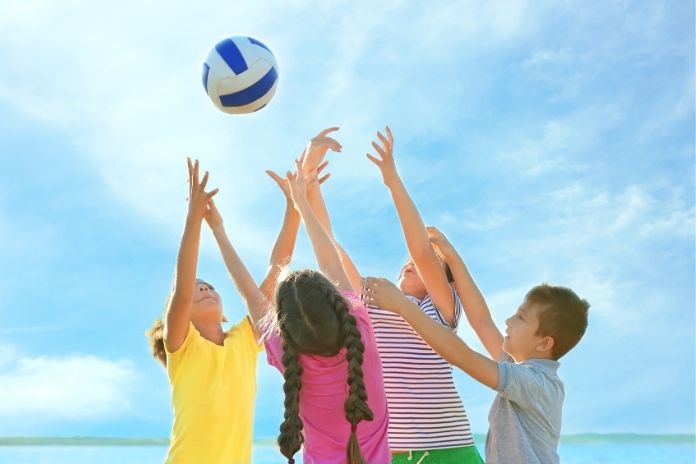
Childhood play is not just about fun; it’s essential for a child’s overall growth and development. It serves as the building block for physical skills and habits that can last throughout their life.
Additionally, these early activities foster a love for movement and exploration that can continue into adulthood.
A meta-analysis of 25 randomized controlled trials found that physical activity significantly improves children’s gross and fine motor skills – 20 out of 25 trials showed marked benefits.
Physical Development Through Play
Play offers much more than entertainment; it plays a significant role in developing strength, agility, and endurance in children. Activities like climbing trees, riding bikes, or engaging in creative games are not just enjoyable, but they also promote a range of physical skills.
- Motor Skills and Coordination: Through activities like running, jumping, and balancing, children enhance their motor control and coordination, which are critical for daily tasks as they grow.
- Strength and Agility: Active games that involve running, climbing, or swimming contribute to building muscle strength and improving overall agility.
- Endurance: Repeated play activities build stamina, allowing children to perform tasks with more energy and for longer periods.
These activities create a foundation for a physically active lifestyle that can continue into adulthood, encouraging exploration and movement throughout life.
Social Skills and Creativity in Play
While play is crucial for physical development, it also supports the growth of social skills and fosters creativity. Games such as tag, hopscotch, or swimming aren’t just fun; they provide opportunities for children to interact, collaborate, and express themselves in unique ways.
- Social Skills: Playing in groups helps children develop communication, teamwork, and conflict resolution skills. These are key components of building relationships and working effectively with others.
- Creativity: Many childhood games, especially those involving imaginative play, help children think creatively, make decisions, and explore different scenarios or roles.
Teenage Energy: Incorporating Sports and Hobbies
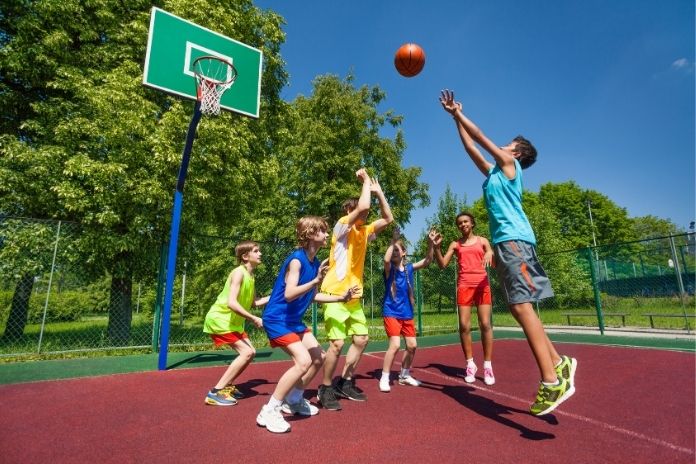
The teenage years are marked by a surge of energy and enthusiasm. Navigating this period requires understanding how to channel this energy effectively. Engaging in physical activities, whether through sports or hobbies, can have a profound impact on a teenager’s overall development.
Not only do these activities enhance physical fitness, but they also instill important life skills such as discipline, teamwork, and resilience.
Exploring Hobbies for Self-Expression and Growth
Beyond traditional sports, hobbies offer unique avenues for personal expression and growth. These activities provide opportunities for teenagers to explore their interests, challenge themselves in new ways, and express creativity.
- Self-Expression: Hobbies such as photography or dance allow teenagers to explore their emotions and communicate their unique perspectives, fostering a sense of individuality and creativity.
- Personal Development: Activities like rock climbing or martial arts not only push physical boundaries but also encourage discipline, mental and emotional development, teaching patience, focus, and perseverance.
- Building Confidence: Successfully mastering a skill or hobby provides a sense of achievement and boosts self-esteem, reinforcing the teenager’s belief in their ability to overcome challenges.
Read More: 20 Personal Development Goals For A Happier And Successful Life
Adulthood Challenges: Balancing Work and Exercise
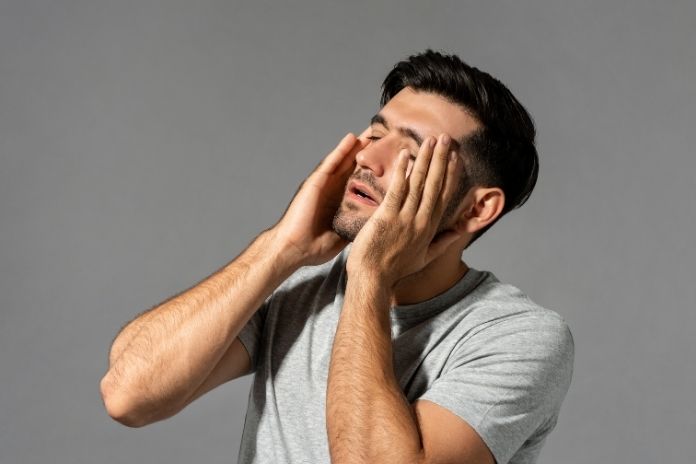
As adults, managing the demands of work and personal life can make it difficult to prioritize an active lifestyle. With work deadlines, meetings, and household responsibilities, finding time for exercise often feels like a challenge.
However, maintaining your physical health is essential, even when time and energy are limited. With some planning and smart choices, you can integrate physical activity into your routine without overwhelming your schedule.
Incorporating Physical Activity into Your Routine
Establishing a fitness routine doesn’t require drastic changes to your daily schedule. Prioritizing regular exercise and fitting it into your day is key to achieving consistency and balance.
- Active Commuting: Walking or cycling to work, if possible, is an excellent way to get some exercise without dedicating extra time. It can help you start or end the day with a boost of energy and physical movement.
- Short Workouts: Even a 10-15 minute workout, whether it’s in the morning or during lunch breaks, can have significant benefits. Quick exercises like bodyweight workouts, stretching, or a brisk walk can easily fit into your day and help maintain fitness.
- Morning Exercise: Starting the day with a workout can set a positive tone for the rest of your day. Whether it’s yoga, stretching, or a quick jog, early morning workouts help energize you for the challenges ahead.
Pregnancy Fitness: Safe and Effective Workouts for Expecting Moms
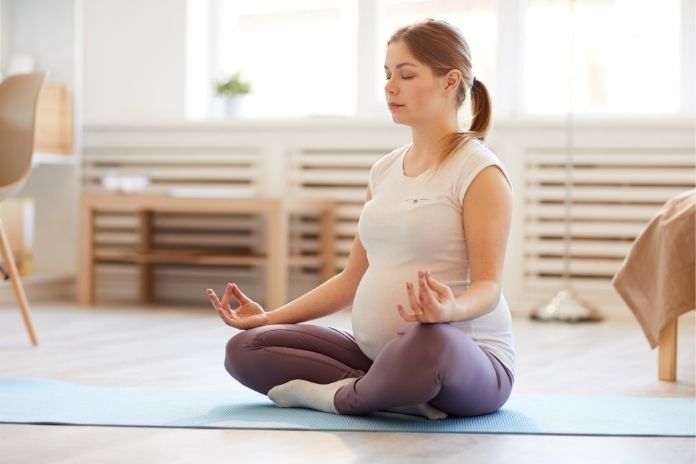
Staying active during pregnancy is not only good for the mother but also offers benefits for the baby. Regular moderate exercise promotes overall health, eases physical discomfort, and supports a smoother birthing process.
Dr. Eziamaka Obunadike, MD, Emory Healthcare, and a Harvard-trained sports medicine specialist, emphasizes that, “For most women, exercising safely during pregnancy is a big yes. It promotes healthy gestational weight gain and decreases the risk of gestational diabetes, preeclampsia, and depression.”
Engaging in physical activity can help relieve common pregnancy discomforts like back pain, swelling, and fatigue while boosting mood and improving sleep quality.
Safe and Effective Exercise Options for Expectant Mothers
Low-impact activities are ideal for maintaining a healthy fitness level without putting undue strain on the body.
- Prenatal Yoga: A gentle way to stretch and strengthen muscles while promoting relaxation. Prenatal yoga also helps improve flexibility and balance, which can be helpful during labor.
- Swimming: This low-impact exercise offers a full-body workout and relieves pressure on joints, making it a perfect choice for pregnant women. The buoyancy of water reduces the risk of strain, providing a comfortable way to stay active.
- Walking: A simple, low-impact activity that can be done at any stage of pregnancy. Walking promotes circulation and helps maintain cardiovascular health without excessive stress on the body.
Postpartum Recovery: Gentle Exercises to Regain Strength
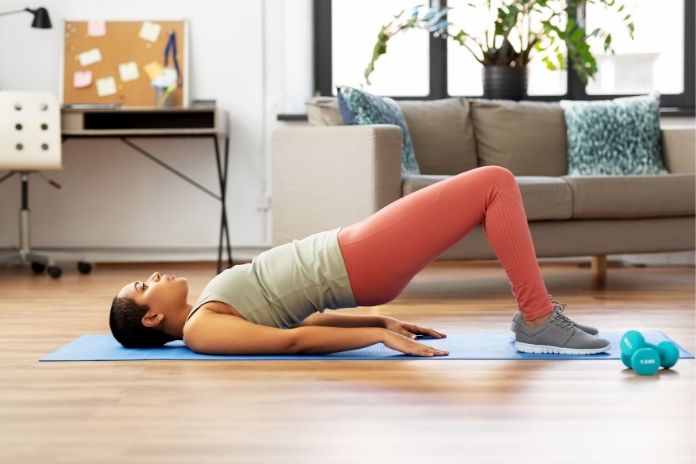
After giving birth, new moms face the important task of rebuilding strength and flexibility, both physically and mentally. The recovery process requires a gentle approach to exercise, one that focuses on gradually restoring the body’s strength while promoting flexibility.
This balanced approach helps new mothers regain their physical health in a safe and sustainable way.
Gentle Exercises for Postpartum Healing
These exercises focus on restoring strength in key areas like the pelvic floor and increasing flexibility to aid the recovery process.
- Pelvic Floor Exercises: Strengthening the pelvic floor is crucial for women who have just given birth. These exercises help prevent incontinence, improve muscle tone, and support overall recovery.
- Gentle Stretches: Practices like cat-cow yoga offer a low-impact way to increase flexibility and reduce tension in the body, especially in the back and hips, which can be strained during pregnancy and delivery.
- Low-Impact Workouts: Activities like walking or gentle postnatal yoga are great options for rebuilding overall strength without putting too much stress on the body. These exercises support circulation, muscle toning, and gradual healing.
Read More: 10 Gentle Workouts Safe for the Postpartum Body
Golden Years: Low-Impact Activities for Joint Health
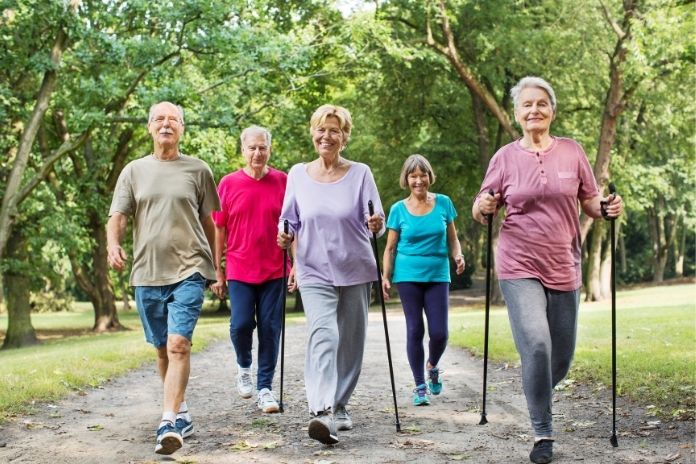
As we age, maintaining joint health becomes increasingly important to ensure a life full of vitality and movement. Joint soreness can make everyday activities more challenging, but regular, moderate exercise can help prevent discomfort and keep the body moving.
Low-Impact Exercises for Joint Health
Engaging in physical activities that are easy on the joints is key to staying active and pain-free as we get older. These exercises provide the benefits of movement and strength-building without causing unnecessary strain or discomfort.
- Water Aerobics: This form of exercise is gentle on the joints due to the buoyancy of the water, which supports the body’s weight and reduces stress on the joints. Water aerobics offers a full-body workout that enhances strength, flexibility, and cardiovascular health.
- Mild Walking: Walking at a comfortable pace is a simple and effective way to stay active. It helps maintain joint mobility and cardiovascular health without putting excessive strain on the knees, hips, or back.
- Tai Chi: A slow, flowing form of exercise that focuses on balance, flexibility, and coordination. Tai Chi is especially beneficial for older adults because it improves joint mobility while also reducing the risk of falls and injuries.
Dr. Kenneth Schmidt, MD, Orthopedic Sports Medicine, considers tai chi a favorite option. It engages your whole body in exercise. By holding a series of poses, you work your core and strengthen the muscles that hold your joints in position.
In addition to being great exercise, you don’t need to buy any equipment to participate. Dr. Schmidt likes to find tai chi videos online to try. For him, the benefits aren’t just physical. “It’s relaxing, and it enriches the soul,” he says.
Group Fitness: The Social Aspect of Exercise
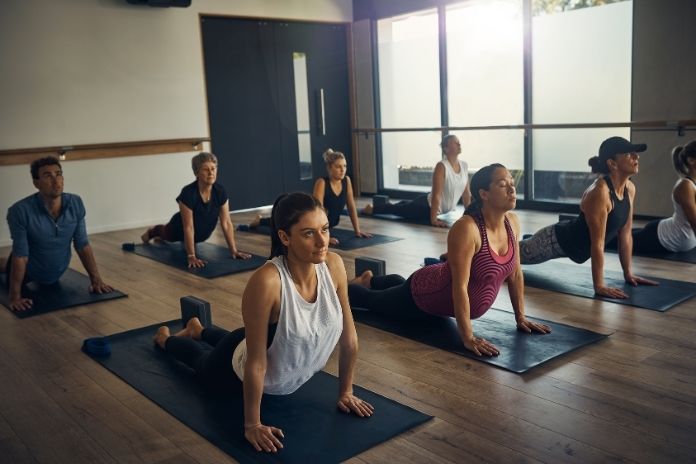
Group fitness plays a crucial role in fostering motivation, accountability, and a sense of community.
Exercising in a group setting not only makes physical activity more enjoyable but also helps individuals stick to their fitness goals. The camaraderie that comes with group workouts can boost your motivation and encourage consistency, leading to better long-term results.
A recent study from the University of Georgia shows that the mental benefits of exercise aren’t just about intensity; they’re profoundly impacted by who you exercise with and how you feel doing it. Group, social, or enjoyable activities boost mood and motivation far more than solo chores.
Popular Group Fitness Options for All Ages and Fitness Levels
Whether you’re looking for an energizing class or a more relaxed, social outdoor activity, there are options available to suit your needs.
- Energizing Group Classes: High-energy options like Zumba and spin sessions provide an exciting way to get your heart rate up while enjoying the company of others. These classes offer both a fun workout and a sense of community.
- Outdoor Group Activities: For those who prefer a more laid-back approach, group walks or fitness clubs offer an opportunity to enjoy the outdoors while getting active. These activities are great for all fitness levels and promote social interaction.
Adaptive Fitness: Inclusive Exercises for Diverse Abilities
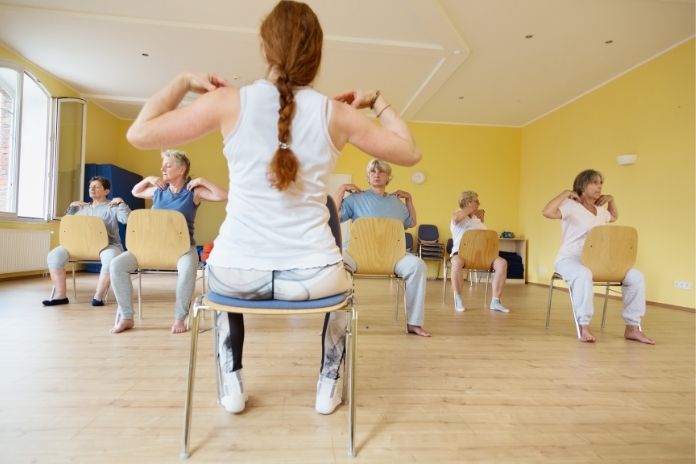
Adaptive fitness focuses on inclusivity, offering exercises and activities that cater to individuals with varying physical abilities. The idea behind adaptive fitness is to ensure that everyone, regardless of their physical condition, has the opportunity to engage in fitness routines tailored to their specific needs.
Inclusive Exercises for Diverse Abilities
Adaptive fitness encompasses a variety of exercises that can be modified to suit different strength levels, mobility challenges, and fitness goals. These exercises ensure that people with various abilities can participate in physical activity without feeling left out or overwhelmed.
- Resistance Band Workouts: Resistance bands offer a versatile way to build strength at any level. These bands can be used for a variety of exercises, from gentle stretches to more intense strength training, making them ideal for people with different levels of physical strength.
- Chair Exercises: For individuals with limited mobility, chair exercises are a great option. These exercises allow people to stay active and build strength while remaining seated, reducing strain on joints and providing a safe way to work out.
Technology and Fitness: Apps and Gadgets for All Ages
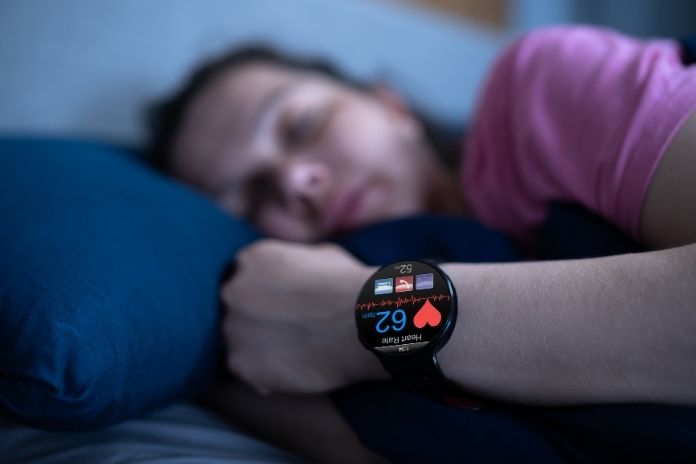
Whether you’re using fitness apps to track progress or wearable devices to monitor your health, technology has made fitness more personalized and engaging. This modern approach is particularly beneficial for seniors, who can now access exercise routines and tools that help them stay active in a way that suits their needs.
Fitness Apps and Wearable Technology for Seniors
For older adults, using technology to stay fit can be a game-changer. Fitness apps that offer simple, guided routines and wearable devices that track activity levels and encourage movement can make it easier for seniors to maintain their mobility and overall health.
- User-Friendly Fitness Apps: Many apps are designed with seniors in mind, offering easy-to-follow exercise routines that can be done at home. These apps can guide individuals through low-impact exercises and offer progress tracking to keep them motivated.
- Wearable Technology: Devices like fitness trackers or smartwatches help seniors monitor their activity levels, heart rate, and steps taken, encouraging them to stay active throughout the day. Some devices also offer reminders to move, which can help seniors stay consistent with their physical activity.
Read More: 24 Best Health and Fitness Apps that You Need to Have
Conclusion
Just like a beautiful melody that evolves, exercise plays a unique role throughout every stage of our lives. From the carefree movement and play of childhood to the more structured activities of adulthood, physical activity is a constant companion that supports our health and vitality.
As we move through different life stages, whether navigating the changes of pregnancy or focusing on postpartum recovery, staying active remains essential for maintaining overall well-being. It’s a journey that adapts and grows, just like we do.
As we embrace the changes that come with different stages of life, it’s also important to integrate technology and adaptive fitness into our routines. The digital era has brought us a wealth of tools that make staying fit easier and more personalized than ever, especially for those who need modifications in their exercise due to age or physical limitations.
Whether it’s through wearable devices that track progress or fitness apps offering customized routines, technology allows us to stay on top of our health, regardless of where we are in our journey.
Ultimately, the key to maintaining a healthy lifestyle is finding joy in movement. As our bodies change, our approach to fitness should remain flexible and adaptable.
By embracing new ways to stay active and continuing to nurture a lifelong passion for physical movement, we not only improve our health but also create habits that last a lifetime. The goal isn’t just to exercise, it’s to find pleasure in caring for our bodies and enjoying the process along the way.
References
- https://www.nidirect.gov.uk/articles/how-play-helps-childrens-development
- https://www.virtuallabschool.org/infant-toddler/physical-development/lesson-3
- https://www.montana.edu/extension/health/documents/MT201003HR.pdf
- https://www.muhealth.org/conditions-treatments/pediatrics/adolescent-medicine/benefits-of-sports
- https://health.gov/sites/default/files/2020-09/YSS_Report_OnePager_2020-08-31_web.pdf
- https://parentandteen.com/benefits-teens-sports-physical-activity/
- https://halifaxhealth.org/strong-body-strong-mind-the-physical-and-mental-benefits-of-teen-sports/
- https://www.physio-pedia.com/Barriers_to_Physical_Activity
- https://www.heart.org/en/health-topics/cardiac-rehab/getting-physically-active/common-problems-and-solutions-for-being-physically-active
- https://nelowvision.com/identifying-specific-challenges-and-limitations-in-daily-activities-a-comprehensive-guide/
- https://www.cdc.gov/physicalactivity/basics/adding-pa/barriers.html
- https://www.whereyoulivematters.org/resources/mobility-exercises-for-seniors/
- https://newsinhealth.nih.gov/2014/07/physical-activity-helps-seniors-stay-mobile
- https://www.ncbi.nlm.nih.gov/pmc/articles/PMC6304477/
- https://www.betterhealth.vic.gov.au/health/healthyliving/pregnancy-and-exercise
- https://www.ncbi.nlm.nih.gov/pmc/articles/PMC4622376/
- https://www.whattoexpect.com/pregnancy/exercise-benefits
- https://www.betterhealth.vic.gov.au/health/healthyliving/postnatal-exercise
- https://www.hopkinsmedicine.org/health/wellness-and-prevention/what-really-helps-you-bounce-back-after-pregnancy
- https://www.healthline.com/health/exercise-fitness/postnatal-exercises
- https://www.pampers.com/en-us/baby/parenting-life/article/postpartum-workout
- https://www.webmd.com/healthy-aging/features/joints-change-age
- https://www.webmd.com/rheumatoid-arthritis/ss/slideshow-keep-joints-healthy
- https://www.niams.nih.gov/health-topics/kids/healthy-joints
- https://fitness.edu.au/the-fitness-zone/the-benefits-of-group-fitness-classes-and-social-support-for-mental-health/
- https://kin.hs.iastate.edu/group-exercise-may-be-even-better-for-you-than-solo-workouts-heres-why/
- https://nuvowellbeing.com/2023/10/25/group-fitness/
- https://eugenecivicalliance.org/physical-activity-benefits-social-health
- https://www.fight2fitnessri.com/adaptive-fitness-tailoring-workouts-for-different-abilities/
- https://apjcc.org/embracing-adaptive-training-for-individuals-with-disabilities/
- https://www.healthkept.com/inclusive-fitness-adapting-workouts-for-different-abilities/
- https://www.physio-pedia.com/Physical_Activity_and_Technology
- https://medium.com/@entrustech/the-incredible-impact-of-technology-on-our-wellness-and-quality-of-life-317bf0a24930
- https://www.ncbi.nlm.nih.gov/pmc/articles/PMC6912378/
In this Article