Mounjaro (tirzepatide) uses GLP-1 and GIP hormones that are associated with appetite and digestion, helping moderate blood sugars and promoting weight loss. While Mounjaro helps you feel full and reduces hunger, it is also important to understand that your food choices will impact how effectively Mounjaro works for you.
The right foods can help you feel better overall, reduce side effects such as nausea, and accelerate the speed of weight loss. This guide will provide you with an easy summary of the foods to eat and what foods to avoid to gain maximum success with Mounjaro.
Focus on eating foods that are high in fiber, healthy fats, and proteins. Focus on limiting fried foods, sugar-based snacks, and high-carbohydrate foods as well. Drinking plenty of fluids and thinking about smaller meals throughout the day will help as well.
Additionally, if you are on a good diet, Mounjaro can work even better and help you develop long-term good habits.
Read More: Misconceptions About Vegan and Vegetarian Diets
Why Diet Matters While on Mounjaro
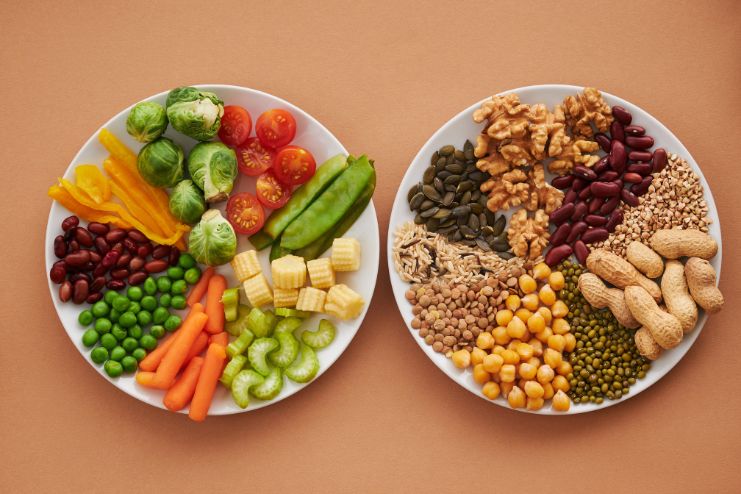
Eating well when taking Mounjaro is as important as taking the medication. The food you eat can either facilitate your journey on Mounjaro or slow it down.
Eating a healthy diet helps with side effects and makes Mounjaro more effective with respect to weight loss.
Appetite Suppression Doesn’t Mean You’re Eating Right
Mounjaro helps to manage appetite and blood sugar by focusing on hormones associated with appetite and blood sugar. Mounjaro may get your appetite low enough that eating smaller portions of food becomes easier, but just eating less is not the full picture.
You still need to get the proper nutrition so you do not experience fatigue easily, you can continue losing weight, and you protect your health. You could be under-eating, not eating only small amounts, or possibly skipping meals altogether while not eating nutrient-dense foods. This could mean missing out on vitamins, fiber, or protein.
Slower Digestion = Smarter Food Choices
One of the mechanisms by which Mounjaro works is by altering the rate of food emptying in the stomach. It is beneficial to feel fuller, saves you money, and makes you feel better, but particularly with the increase of heavy grease or sugar, you may be even more bloated and feel nauseated because the food sits in your stomach for longer.
If you make the smart food choice of light-balanced meals and snacks: lean proteins, vegetables, and whole grains as opposed to heavier, greasy, or sugary foods, your stomach and digestion will perform smoothly and comfortably. A smart Mounjaro diet plan takes these effects into account.
Avoid Foods That Can Make Side Effects Worse
Certain foods can aggravate some common Mounjaro side effects; nausea, fatigue, and constipation being the most common. Avoid fried or high-fat foods and processed snacks, and dessert-type foods.
These foods can overload your already slowed stomach from emptying and can cause your blood sugar to spike. You may also want to avoid caffeinated beverages and carbonated sodas, as they can cause more bloating and upset your stomach temporarily.
Eat Smart for Better Results
To use Mounjaro to its fullest potential, it is best to eat a balanced diet. Good suggestions include high fiber vegetables, lean protein like chicken, fish, eggs, or tofu, and whole grains. Drink plenty of water to assist both digestion as well as constipation avoidance.
Some people find it easier to eat smaller meals more frequently. Take your time chewing, and eating slowly can assist your body in adjusting to Mounjaro. Understanding what to eat on Mounjaro can greatly improve your experience and your outcome on the medication.
Words of a Dietitian
Experienced registered dietitian Rita Faycurry, RD, explains that according to dietary guidelines, it is recommended that 10–35% of daily calories be obtained from protein. However, it is noted that individual protein needs can vary significantly.
If consumed in excess, protein may be stored in the body as fat. To ensure the appropriate amount of protein is included in the diet, guidance should be sought from a registered dietitian.
Read More: Detox Safely Without Fad Diets
Core Principles of Eating on Mounjaro
Making smart food choices while on Mounjaro is essential for better results and fewer side effects.
Since Mounjaro and appetite changes often lead to reduced hunger, it’s easy to skip meals or eat less, but your body still needs the right nutrition. What you eat matters just as much as how much you eat.
1. Focus on Protein and Fiber
While taking Mounjaro, your body needs the right fuel to function well and support weight loss. Protein is important because it helps maintain muscle mass, especially when you’re losing weight.
Fiber helps you stay full longer, supports digestion, and can ease constipation, a common side effect of Mounjaro. Try to include a source of protein and fiber in every meal, such as chicken and leafy greens, or eggs and whole-grain toast. A thoughtful Mounjaro meal plan should prioritize these two nutrients daily.
2. Choose Low-GI, Whole Foods
To keep your blood sugar levels stable, it’s best to eat low-glycemic index (low-GI) foods that don’t cause sharp spikes. Whole foods like vegetables, beans, whole grains, and unsweetened dairy help improve insulin sensitivity and give you steady energy.
Avoid sugary snacks, white bread, and processed foods, as they can make side effects worse and reduce the benefits of Mounjaro. Smart Mounjaro and food choices can make a big impact on your weight loss progress.
3. Eat Smaller, More Frequent Meals
Because Mounjaro slows digestion, large meals may feel heavy or uncomfortable. Eating smaller portions more often throughout the day is often easier on your stomach and helps reduce nausea.
It’s also helpful to eat mindfully—slow down, chew thoroughly, and avoid distractions like screens while eating. This allows your body to better recognize fullness cues and avoid overeating.
4. Stay Hydrated
Drinking enough water is essential while on Mounjaro. Since digestion slows down and constipation can occur, proper hydration helps keep things moving smoothly in your gut.
It also supports kidney function and overall well-being. Aim for water or herbal teas instead of sugary drinks or sodas, which can upset your stomach and add unnecessary calories.
Read More: Study Suggests Keto Diets are Suitable for Short Term
Best Foods to Eat While on Mounjaro

The way you feel and how well Mounjaro works might be greatly impacted by the items you eat while taking it.
Eating nutrient-dense, easily digested foods will help you stay energized, minimize side effects, and promote healthy weight loss because Mounjaro slows digestion and lowers appetite.
A detailed approach to the best foods for Mounjaro weight loss is provided below, emphasizing blood sugar-friendly foods and high-protein, low-carb meals.
Lean Protein
- Eggs, Greek yogurt, tofu, lentils, and chicken breast
- Maintaining muscle mass during weight loss is facilitated by lean protein.
- Additionally, it prolongs feelings of fullness, which is beneficial because Mounjaro and fluctuations in appetite can cause you to eat less.
- These protein sources are easy to digest and perfect for high-protein, low-carb meals.
Non-Starchy Vegetables
- Bell peppers, spinach, broccoli, and zucchini
- These vegetables are high in water and fiber, helping in digestion and reducing constipation, a common Mounjaro side effect.
- They are ideal blood sugar-friendly foods that can be consumed in big quantities without influencing insulin levels because they are high in nutrients and low in calories.
Healthy Fats
- Nuts, avocados, flaxseeds, and olive oil (in moderation)
- Healthy fats enhance nutrient absorption, lower inflammation, and boost brain function.
- As digestion slows down on Mounjaro, it’s crucial to maintain gut health and feel content for longer by including a tiny amount of healthy fat in each meal.
Low-Glycemic Carbohydrates
- Quinoa, oats, sweet potatoes, and berries
- These foods low in glycemic carbohydrates help maintain your blood sugar level and provide you constant energy as Mounjaro and dietary choices impact insulin response .
- For a well-rounded Mounjaro meal plan, combine them with vegetables and protein.
Fermented Foods (if tolerated)
- Kefir, kimchi, and miso
- These are examples of fermented foods that, if tolerated, promote gut health by enhancing the balance of beneficial bacteria.
- They might also lessen bloating and nausea in the first several weeks of treatment.
- To observe your body’s response, start with tiny portions.
Read More: What High-Protein Diets Can Do to Your Bodies
Foods to Avoid (Especially in Early Weeks)

When starting Mounjaro, your body needs time to adjust to the way the medication works—slowing digestion and changing how full you feel. While there’s no strict diet, certain foods can make side effects like nausea, bloating, and fatigue worse, especially in the early weeks.
Being careful with foods to avoid on Mounjaro can help you feel more comfortable and get better results. Here are some key items to limit or skip while shaping your Mounjaro meal plan and following essential GLP-1 diet tips.
Greasy, Fried Foods
Fried foods like chips, fast food, and oily snacks can worsen nausea and are difficult to digest.
Since Mounjaro slows how quickly food leaves the stomach, heavier meals can feel uncomfortable and may increase bloating—especially in the early stages. For better gut health while on weight loss injections, it’s best to stick to lighter, nutrient-dense meals.
Sugary Snacks or Drinks
Candy, cakes, sweetened drinks, and even fruit juices can spike your blood sugar and leave you feeling tired and sluggish later.
These are not blood sugar-friendly foods and can interfere with Mounjaro’s ability to support insulin balance. Even naturally sweet foods like honey should be consumed cautiously.
Processed Carbs
White bread, pasta, pastries, and other refined carbs digest quickly but don’t keep you full for long. These foods contribute to energy crashes and increase hunger soon after eating.
Instead, swap them with fiber-rich, low-GI foods to support satiety and smoother blood sugar control—an important part of your GLP-1 diet tips.
Carbonated Beverages
Sparkling water, soda, and fizzy drinks can cause gas and bloating. When digestion is already slow on Mounjaro, carbonation can make you feel overly full or uncomfortable.
Stick to flat water or caffeine-free herbal teas to keep things gentle on your stomach.
Large Meals
Because Mounjaro slows gastric emptying, big meals can be tough to digest. They may increase nausea, lead to indigestion, or cause vomiting.
Eating smaller, more frequent meals helps manage appetite and supports better gut health on weight loss injections, especially during the adjustment period.
Avoiding these common triggers early on can help reduce discomfort, support digestion, and improve your overall experience with Mounjaro.
Read More: Best Diets and Foods to Control Hypertension
Sample 1-Day Mounjaro-Friendly Meal Plan
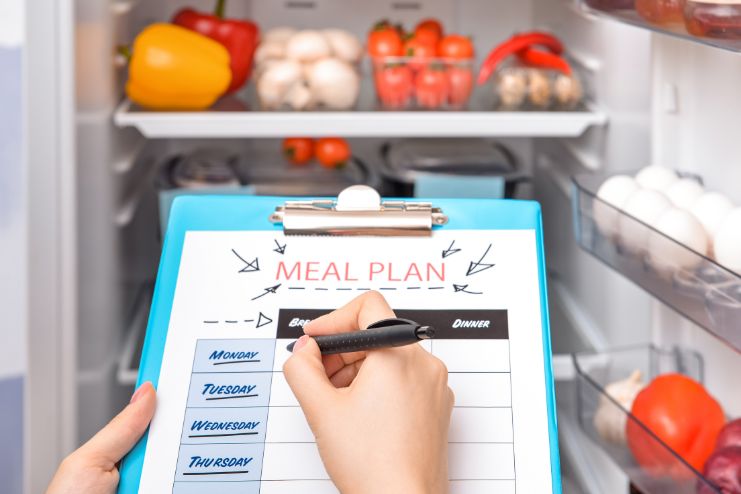
Eating the right foods while taking Mounjaro (tirzepatide) can help reduce side effects, improve digestion, and boost weight loss. The key is to focus on balanced meals with high protein, fiber, healthy fats, and low-glycemic carbs.
Here’s a simple and satisfying meal plan that supports your medication and overall wellness.
Breakfast
- Scrambled eggs – A great source of protein to start the day
- Sautéed spinach – High in fiber and easy to digest
- Half an avocado – Healthy fats help keep you full
- Herbal tea or black coffee – Avoid sugar or creamers to reduce stomach upset
Why it works: This low-carb, high-protein breakfast supports blood sugar control and reduces the risk of nausea in the morning.
Lunch
- Grilled chicken salad – Lean protein paired with fresh veggies
- Olive oil & quinoa – Heart-healthy fats and slow-digesting carbs
- Cucumber mint water – Refreshing and helps with hydration
Why it works: Light and nutrient-rich, this lunch offers satiety without bloating. Quinoa supports stable energy levels and complements the Mounjaro diet plan.
Snack
- Greek yogurt – High in protein and gut-friendly
- Chia seeds – Packed with fiber and omega-3s
- Blueberries – Low-glycemic and antioxidant-rich
Why it works: This snack satisfies cravings while supporting digestion and gut health, important when dealing with Mounjaro and appetite changes.
Dinner
- Lentil soup – A fiber- and protein-rich plant-based option
- Steamed broccoli – A non-starchy veggie that’s easy on the stomach
- Ginger tea – Naturally helps ease nausea and bloating
Why it works: A warm, easy-to-digest dinner to end the day gently. Lentils support fullness without spiking blood sugar, and ginger tea aids with side effects like queasiness.
This sample Mounjaro meal plan emphasizes real, whole foods that help you feel good while maximizing the benefits of the medication.
Read More: Best Electrolyte Powders for Runners and Gym Goers
Tips to Reduce Side Effects Through Diet
When you first start Mounjaro, its intended effects include weight loss, but symptoms like nausea, bloating, or heartburn are common. Thankfully, making small tweaks to your eating habits and choices can help you feel more comfortable.
Here are some easy recommendations to help your stomach feel more comfortable during your Mounjaro meal plan.
Eat Slowly and Chew Thoroughly
Eating slowly and thoroughly chewing your food can help your stomach do its job and reduce nausea and bloating. It also allows your brain to recognize fullness.
Bananas, oatmeal, and plain crackers are all nausea-reducing foods. They are all gentle on the stomach and may support better digestion.
Don’t Lie Down Right After Eating
Lying down immediately after a meal may lead to acid reflux and/or indigestion, which may be more common when starting Mounjaro because it can slow gastric emptying.
For your own comfort, try to stay upright at least 30-60 minutes after eating. A little bit of time commitment can make a big difference in digestion and nausea.
Try Ginger or Peppermint Tea for Nausea
Drinking ginger or peppermint tea can be an excellent way to reduce nausea and calm your stomach.
Ginger is good for digestion and eases queasiness, and peppermint can help relax the muscles of the digestive system. Both types of tea can accompany your GLP-1 diet tips, and the only calories will be in the tea bag.
Stay Upright After Meals
Staying upright after eating may help in the digestive process and curb bloating or heartburn. A short, gentle walk after eating may also assist with how your body processes food and help with discomfort.
Keep a Food + Symptom Tracker
Keeping a track of your meals and symptoms can help reveal which foods work the best for you. The more you can identify the trigger foods rather than symptoms, the better options you can make to avoid foods that create worse side effects.
Avoiding processed carbs and fried foods can support better digestion and reduce discomfort while taking Mounjaro.
By following these small tips, you can make your Mounjaro journey a bit easier—while supporting long-term weight loss goals and improving gut health along the way.
Read More: A Four-Week Diary of Elimination Diet
What Nutritionists Recommend for Long-Term Success

To get the best long-term results from Mounjaro, it’s important to focus not just on eating less, but on eating smart.
A nutrition-focused approach helps you lose fat while protecting your muscles, improving energy, and managing side effects. Here’s what experts suggest for lasting success, based on practical tirzepatide nutrition advice.
Ensure Adequate Protein Intake
Getting enough protein is essential to preserve muscle as you lose weight. Nutritionists usually recommend around 1.2–2.0 grams of protein per kilogram of body weight daily.
Include lean food sources like eggs, chicken breast, tofu, lentils, and Greek yogurt in every meal. These are ideal for high-protein, low-carb meals, which support fullness and fat loss, making them a key part of any effective Mounjaro meal plan.
Use Body Composition Tools, Not Just the Scale
The scale doesn’t always show whether you’re losing fat or muscle. That’s why using body composition tools, like smart scales, body scanners, or DEXA scans, gives a better picture of your progress.
Tracking muscle mass helps you make sure you’re burning fat and not valuable muscle tissue as you lose weight.
Consider Electrolyte Support if You Feel Fatigued
Fatigue, dizziness, or low energy are sometimes signs that your body is low on electrolytes like magnesium, potassium, or sodium. This can happen as your food intake drops on Mounjaro.
Replenish these with foods like leafy greens, bananas, avocados, and nuts—or try low-sugar electrolyte drinks. Supporting hydration and mineral balance is also essential for gut health on weight loss injections.
Work with a Registered Dietitian
If you’re able, connect with a registered dietitian who understands tirzepatide nutrition advice. They can customize your eating plan to match your weight loss goals, lifestyle, and any side effects you’re experiencing.
A dietitian will also ensure you’re getting the right balance of nutrients while adjusting your GLP-1 diet tips for long-term success.
With the right guidance, food choices, and professional support, your Mounjaro journey can lead to lasting fat loss, better energy, and improved overall health.
Some Advice from the Experts
To get the most out of a GLP-1 diet, a registered dietitian Talya Kurzion, MS, RD, from UCSF Health, suggests emphasizing whole foods with nutrient density. When on GLP-1 medication, prioritize fruits, vegetables, whole grains, lean proteins, and healthy fats from sources like olive oil, nuts, and seeds.
Talking about Mounjaro, Dr. Paunel Vukasinov states that if someone experiences fatigue while taking tirzepatide, typically, they will be advised to drink sufficient amounts of water and electrolytes to drink. Managing energy levels during treatment can be optimized by staying well-hydrated, engaging in regular exercise, eating smaller, balanced meals, and getting enough sleep.
Read More: Understanding Macronutrients in Your Diets
Conclusion
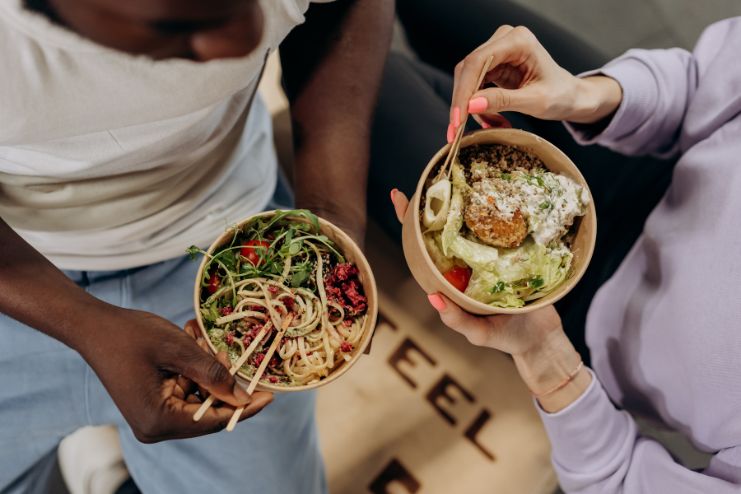
Eating well while on Mounjaro is not about being on a diet, but rather about making intentional and balanced choices that will be good for your health and goals.
Furthermore, even though there are all sorts of diets that claim to eliminate certain foods or count calories, the best Mounjaro diet plan would include meals that have protein, fiber, healthy fats, and complex carbohydrates balanced out to sustain your energy and reduce as many side effects as possible.
Hydration, minimizing processed foods and sugar, and portion control around meals will help your body better adapt to the medication. If you are following your correct tirzepatide nutrition tips, you will not only lose weight but also feel more energized and in control.
Everybody’s needs change over time, and no one can determine that better than you, along with a healthcare provider or registered dietitian. Working with them will hone in on your plan to fit your lifestyle and ensure long-term success. Tune into your body and adjust as needed for the best results.

Here are some frequently asked questions that represent what a lot of people are asking in relation to the Mounjaro nutrition guidance.
When you are intentional in your Mounjaro and food choices, it is easier to manage side effects and set you up for long-term success. When in doubt, seek the advice of your healthcare provider or registered dietitian for personalized advice.
Read More: A Simple Way to Eat Healthier Without Overthinking
References
- https://www.seasonhealth.com/blog/mounjaro-diet-plan
- https://onlinedoctor.asda.com/uk/what-to-eat-on-mounjaro.html
- https://my-bmi.co.uk/diet-advice/foods-to-avoid-while-taking-mounjaro
- https://www.goodrx.com/well-being/diet-nutrition/what-foods-to-avoid-on-mounjaro
- https://www.seasonhealth.com/blog/mounjaro-diet-plan
- https://www.faynutrition.com/post/best-mounjaro-diet-what-to-eat-with-dietitian-insights
- https://weprescribe.co.uk/blog/mounjaro-diet-what-to-eat-for-the-best-results
- https://ro.co/weight-loss/what-to-eat-on-mounjaro
- https://thecarepharmacy.com/mounjaro-diet-guide-what-to-eat-and-avoid-for-best-results
- https://onlinedoctor.asda.com/uk/what-to-eat-on-mounjaro.html
- https://www.privatedoc.com/resource-library/weight-loss/what-to-eat-when-taking-mounjaro
- https://zayacare.com/blog/mounjaro-diet-plan/
- https://www.drugs.com/medical-answers/mounjaro-diet-plan-what-you-eat-3578942
- https://www.formhealth.co/blog/mounjaro-foods-to-avoid
- https://happypharmacy.co.uk/blogs/wellbeing-and-pharmacy-updates/your-mounjaro-diet-what-should-you-eat-and-what-should-you-avoid
- https://www.webmd.com/obesity/mounjaro-side-effects
- https://www.theindependentpharmacy.co.uk/weight-loss/guides/nausea-on-mounjaro
- https://www.faynutrition.com/post/best-mounjaro-diet-what-to-eat-with-dietitian-insights
- https://e-surgery.com/optimising-your-mounjaro-journey
- https://www.simpleonlinepharmacy.co.uk/health-advice/weight-loss/mounjaro/mounjaro-supplements
In this Article