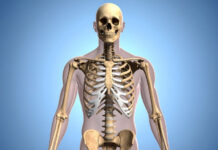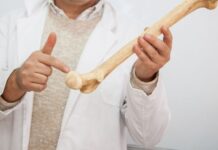

















Bone density refers to the amount of bone mineral in bone tissue. It reflects the strength and structural integrity of bones, which are essential for mobility, posture, and overall skeletal health. Low bone density increases the risk of fractures and long-term complications like osteoporosis.
Estrogen, a primary female sex hormone, plays a vital role in bone metabolism. It influences both the formation and breakdown of bone tissue by regulating key cells responsible for bone remodeling. While both men and women produce estrogen, women experience more significant fluctuations, especially during life transitions like menopause.
This article explores the intricate relationship between estrogen and bone density. We’ll delve into how estrogen supports bone health, what happens when its levels decline, and the role it plays at different life stages. We’ll also discuss hormone therapy, diet, lifestyle changes, and other hormones that impact bone strength.
What Is Estrogen and How Does It Influence Bone Health?
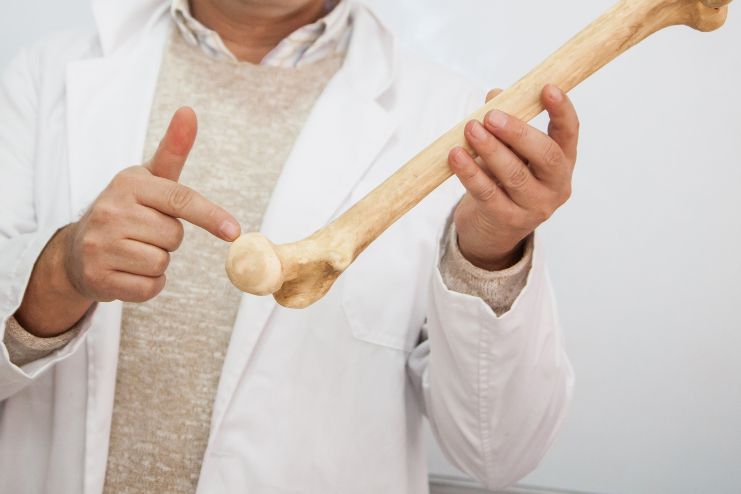
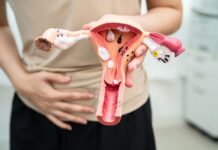
Estrogen is a vital hormone primarily produced by the ovaries in women, though it is also present in men in smaller amounts, mainly produced by the adrenal glands and fat tissue. While it plays a central role in regulating the female reproductive system and menstrual cycle, estrogen also exerts powerful effects on various systems throughout the body, one of the most important being the skeletal system.
“Estrogen plays an important role in the growth and maturation of bone as well as in the regulation of bone turnover in adult bone.”
— PubMed
The Role of Estrogen in Bone Metabolism
Bones are living tissues that continuously undergo a remodeling process, involving two key types of cells:
- Osteoblasts– responsible for building new bone
- Osteoclasts– responsible for breaking down old bone
Estrogen plays a crucial role in maintaining the balance between these two cell types:
- It inhibits the activity of osteoclasts, reducing bone resorption (breakdown).
- It promotes the lifespan and activity of osteoblasts, supporting bone formation and regeneration.
By regulating these cells, estrogen helps maintain bone density and strength throughout adulthood.
Estrogen and Calcium Utilization
Estrogen also plays an indirect but vital role in bone health through its influence on calcium metabolism:
- It enhances calcium absorption in the intestines.
- It supports calcium retention in the kidneys.
- It facilitates the incorporation of calcium into bone tissue, aiding mineralization.
These actions are essential for ensuring that the bones have enough calcium to remain strong and structurally sound.
Consequences of Low Estrogen
When estrogen levels drop, such as during menopause, certain medical treatments, or hormonal imbalances, the protective effects of the hormone on bone are lost. This leads to:
- Increased activity of osteoclasts
- Accelerated bone breakdown
- Reduced bone formation
Over time, this imbalance can result in decreased bone mineral density (BMD) and increase the risk of conditions like osteopenia and osteoporosis, particularly in postmenopausal women.
Estrogen is not just a reproductive hormone — it is a key regulator of bone health. By controlling bone turnover and enhancing calcium metabolism, it plays a central role in preserving bone mass and preventing degeneration. Maintaining healthy estrogen levels is therefore critical, especially as women age, to protect against bone loss and fractures.
Read More: Low Estrogen Levels and Everything You Need to Know About It
The Impact of Estrogen Deficiency on Bone Density
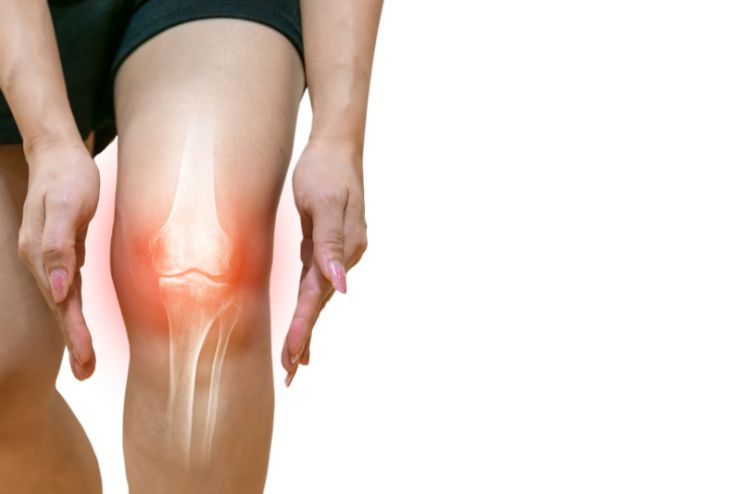
Estrogen deficiency can result from natural aging, surgical menopause, or certain medical conditions. Its absence significantly affects bone turnover, often leading to more bone being broken down than formed.
- As estrogen levels drop, osteoclast activity increases, leading to excessive bone resorption.
- The body can no longer effectively absorb and retain calcium, weakening the bones from within.
- Over time, this imbalance results in reduced bone mass and structural deterioration, increasing the risk of osteoporosis.
Women entering perimenopause or menopause are at the highest risk. This phase marks a sharp decline in estrogen production, making it a critical time to monitor and support bone health through proactive measures.
“Women are four times as likely to develop osteoporosis as men. The primary reason for this discrepancy is the loss of estrogen in menopause, which is considered the most common cause of osteoporosis.” — Mary Claire Haver, MD
Estrogen and Bone Health at Different Life Stages
Bone health is a lifelong concern, and estrogen plays a critical role at each stage of development. Its effects on bone density vary depending on age and hormonal status.
Adolescence and Early Adulthood:
- During puberty, estrogen stimulates bone growth and helps achieve peak bone mass by the late 20s.
- Achieving optimal bone density during these years can significantly lower the risk of osteoporosis later in life.
Reproductive Years:
- Stable estrogen levels in premenopausal women maintain bone homeostasis.
- Any disruptions, such as hypothalamic amenorrhea or excessive physical stress, can reduce estrogen and affect bone mass.
Post-Menopause:
- The most dramatic bone loss occurs after menopause due to a steep drop in estrogen.
- Women can lose up to 20% of their bone mass within 5-7 years after menopause, making this a high-risk period for osteoporosis.
Osteoporosis and the Role of Estrogen in Preventing It
Osteoporosis is a condition marked by weakened bones that are more prone to fractures. Estrogen is a key defender against its development.
- Estrogen suppresses osteoclast activity, slowing the breakdown of bone tissue.
- It supports the production and activity of osteoblasts, helping maintain strong and resilient bones.
- Lower estrogen levels after menopause are directly linked to increased osteoporosis risk, especially in the spine, hips, and wrists.
Maintaining adequate estrogen levels through natural or medical means can drastically reduce the likelihood of developing osteoporosis. Early diagnosis and treatment can help manage this silent disease before irreversible damage occurs.
“As women get older, our bones become weaker due to drops in estrogen levels after menopause. That’s why it is important to undergo a bone density test starting at age 60 and as young as 50 if you are in menopause or have underlying conditions that could affect your bone density.” — Dr. Wright, a surgeon and author specializing in orthopedics and women’s health.
Hormone Replacement Therapy (HRT) and Bone Health

Hormone Replacement Therapy is often prescribed to mitigate the effects of estrogen deficiency. It can also significantly benefit bone health when used appropriately.
- HRT helps restore estrogen levels, slowing bone resorption and improving bone mineral density.
- Studies show that HRT can reduce the risk of fractures, especially in postmenopausal women at a high risk of osteoporosis.
- However, it comes with potential risks, including cardiovascular issues and certain cancers. Therefore, it should be considered based on individual risk profiles and under medical supervision.
HRT remains a powerful option for bone protection in menopausal women, but it must be weighed carefully against potential health risks. Non-hormonal treatments may be preferred for those with contraindications.
Alternative Therapies for Estrogen Support
Not every woman is a candidate for hormone replacement therapy, and many prefer more natural or lower-risk approaches. Thankfully, several alternatives exist that support estrogen levels or mimic estrogen’s positive effects on bone health. These options can help mitigate the risks of estrogen deficiency without the need for traditional HRT.
Selective Estrogen Receptor Modulators (SERMs)
SERMs like raloxifene are medications that act like estrogen in certain tissues, including bones, while blocking estrogen in others, such as the breast. They are FDA-approved for preventing and treating osteoporosis in postmenopausal women and can reduce fracture risk without stimulating breast tissue, making them a safer choice for some.
Phytoestrogens and Estrogen-Mimicking Foods
Natural compounds found in foods like soy, flaxseeds, legumes, and whole grains—called phytoestrogens—can weakly mimic estrogen in the body. While their effect is milder than that of actual estrogen, consistent consumption may help support hormonal balance and bone density, especially when paired with a calcium- and vitamin D-rich diet.
Lifestyle and Supplement-Based Support
Certain supplements like black cohosh, red clover, and maca root are often explored for their hormone-balancing effects, though more research is needed. Women can also support estrogen naturally by maintaining a healthy body weight, managing stress (which impacts hormone balance), and limiting xenoestrogen exposure from plastics and chemicals. Consulting a healthcare provider is key before starting any alternative regimen.
How Estrogen Affects Calcium Absorption and Bone Mineralization
Calcium is the most abundant mineral in the body and a key building block of bone. Estrogen significantly influences how well your body absorbs and uses calcium.
- Estrogen enhances the efficiency of calcium absorption in the intestines and reduces calcium excretion through urine.
- It promotes the deposition of calcium into the bone matrix, which strengthens bone mineral density.
- When estrogen levels are low, the body struggles to absorb enough calcium, often pulling it from bones to meet daily needs.
This calcium drain leads to demineralized, brittle bones. Ensuring sufficient estrogen and calcium intake together is essential for strong, healthy bones throughout life.
“Estrogen enhances the efficiency of calcium absorption in the intestines and reduces calcium excretion through urine. It promotes the deposition of calcium into the bone matrix, which strengthens bone mineral density.” — Medical News Today
Natural Ways to Support Estrogen Levels for Bone Health
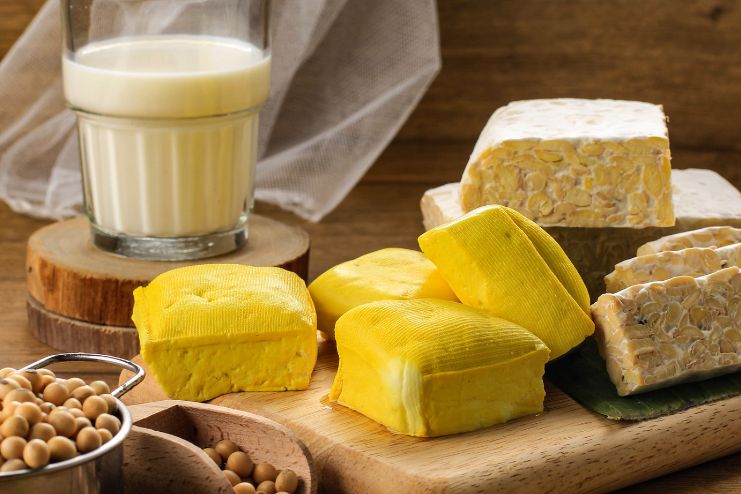
While hormone replacement therapy is one route to counter estrogen deficiency, many women prefer natural approaches to support their hormone levels. These methods can complement medical treatments or serve as preventive strategies for bone health. This section explores how to naturally boost estrogen levels and protect your bones in the process.
Nutritional Support
Certain foods contain phytoestrogens—plant-based compounds that mimic estrogen in the body. Soy products (tofu, tempeh, soy milk), flaxseeds, chickpeas, and sesame seeds are rich in these compounds. Including them in your diet may help balance hormone levels and offer mild estrogen-like effects that benefit bone health.
Lifestyle Habits That Enhance Estrogen Balance
Regular moderate exercise, particularly yoga and strength training, can support hormonal balance. Managing stress is also essential, as chronic stress elevates cortisol, which can disrupt estrogen production. Maintaining a healthy body weight is crucial, too—being underweight or having very low body fat can suppress estrogen levels and increase bone loss.
Read More: Best Estrogen-Rich Foods
Signs of Estrogen Deficiency Affecting Bone Health

Estrogen deficiency doesn’t always show obvious symptoms until bone loss becomes severe. However, there are warning signs to watch for.
- Bone pain, backaches, or frequent fractures may indicate weakened bones.
- Changes in posture, such as stooping or loss of height, suggest spinal bone loss.
- Irregular menstrual cycles, night sweats, and mood swings often precede bone-related symptoms.
Early detection through bone mineral density tests (DEXA scans) is crucial. Women over 50 or those with risk factors like family history or early menopause should screen regularly.
Other Hormones That Impact Bone Health
While estrogen is a major player, other hormones also contribute to bone metabolism. A hormonal imbalance can amplify bone density issues.
- Progesterone supports new bone formation and works alongside estrogen to maintain balance.
- Testosterone also affects bone strength, and deficiencies in women can contribute to bone loss.
- Thyroid hormones (especially in hyperthyroidism) can increase bone turnover and cause density loss.
Maintaining a balanced hormonal environment is key to optimal bone health. It’s important to consider the entire hormonal picture, not just estrogen, when evaluating risks and treatment plans.
Frequently Asked Questions (FAQs)
1. How does estrogen help maintain bone density?
Estrogen plays a critical role in bone remodeling by inhibiting the activity of osteoclasts — the cells that break down bone tissue. It also supports osteoblasts, the bone-building cells, ensuring a healthy balance. This regulation helps maintain strong bones and prevents excessive bone loss over time.
2. What age do women typically start losing bone due to declining estrogen?
Bone loss can begin in the late 30s to early 40s, but it becomes more rapid during perimenopause and post-menopause, usually around ages 45–55, when estrogen levels drop significantly. Up to 20% of bone mass can be lost in the first 5–7 years after menopause if not managed properly.
3. Can low estrogen cause osteoporosis in men, too?
Yes, although estrogen is considered a female hormone, men also produce it in smaller amounts, and it contributes to their bone health as well. Extremely low estrogen levels in men, often due to underlying health conditions or aging, can increase their osteoporosis risk, too.
4. Is Hormone Replacement Therapy (HRT) safe for improving bone health?
HRT can be effective in slowing or preventing postmenopausal bone loss, but it’s not suitable for everyone. The decision to use HRT should be made with a healthcare provider, weighing benefits vs. risks, such as blood clots or breast cancer risk, based on individual history.
5. What are the early warning signs of estrogen-related bone loss?
Signs may include frequent fractures, back pain, loss of height, or a stooped posture. These symptoms often go unnoticed until significant bone loss has occurred, which is why regular bone density scans (DEXA) are recommended for women over 50 or earlier if there are risk factors.
Conclusion
Estrogen is deeply woven into the architecture of your skeletal health. From puberty to post-menopause, this hormone orchestrates a delicate dance between bone formation and breakdown. When estrogen levels drop, the balance tips, often leading to significant loss in bone density, calcium deficiency, and increased risk of fractures.
By understanding this connection, women can take charge of their bone health through every life stage. Whether it’s incorporating weight-bearing exercises, eating calcium-rich foods, or exploring hormone therapy under medical guidance, proactive steps can prevent long-term complications like osteoporosis.
Your bones are not just passive structures—they’re dynamic, living tissues shaped by hormones, nutrition, and lifestyle. Estrogen is one of their strongest allies. Prioritizing hormonal health today lays the foundation for a stronger, more resilient future. If you’re approaching menopause or experiencing symptoms of estrogen deficiency, talk to a healthcare provider. Early intervention is the most powerful tool in preserving your bone strength for years to come.
References
- https://www.medicalnewstoday.com/articles/estrogen-and-osteoporosis
- https://pubmed.ncbi.nlm.nih.gov/8865143/
- https://pmc.ncbi.nlm.nih.gov/articles/PMC3424385/
- https://www.sciencedirect.com/science/article/abs/pii/S0039128X14003031
- https://www.healthline.com/health/osteoporosis/estrogen-and-osteoporosis
- https://www.endocrine.org/patient-engagement/endocrine-library/menopause-and-bone-loss
- https://www.nejm.org/doi/full/10.1056/NEJM199310143291601
- https://www.mdpi.com/1422-0067/22/4/1568
- https://www.nature.com/articles/s41598-017-06614-0
- https://theros.org.uk/information-and-support/osteoporosis/treatment/hormone-replacement-therapy/
- https://pmc.ncbi.nlm.nih.gov/articles/PMC4520366/
- https://pmc.ncbi.nlm.nih.gov/articles/PMC8022851/
- https://www.nhs.uk/medicines/hormone-replacement-therapy-hrt/benefits-and-risks-of-hormone-replacement-therapy-hrt/
- https://www.healthline.com/health/osteoporosis/hrt-for-osteoporosis
- https://pmc.ncbi.nlm.nih.gov/articles/PMC8836058/
- https://www.healthline.com/health/womens-health/low-estrogen-symptoms
- https://my.clevelandclinic.org/health/diseases/22354-low-estrogen
In this Article