












Standing tall isn’t just a sign of confidence—it’s a literal key to your long-term health. Most of us don’t realize just how much our posture affects our body and mind. Slouched shoulders and forward head tilt aren’t just bad habits; they can lead to chronic fatigue, headaches, back pain, poor digestion, and even lower self-esteem.
The best news? Posture isn’t set in stone—it’s a habit that can be developed over time with tiny, conscious adjustments. In this article, we’ll demystify the importance of posture and present nine evidence-based, easy-to-implement techniques to help you naturally align your body.
Read More: 10 Best Posture Support Products for Work: Ergonomic Must-Haves
Why Good Posture Is More Than Just Looking Confident
Posture refers to the way you sit or stand with your body in a particular position. Although it may seem trivial, good posture helps keep bones and joints in proper alignment, reduces strain on ligaments, and enables muscles to function more efficiently.
Donald Murphy, a certified spine practitioner with the Musculoskeletal Health Program at Brown Health Medical Group, in his article, stresses the fact that good posture can uplift mood, improve muscle health, make the mood better, prevent injury, and give you a good range of motion.
Here’s what proper posture does for your health:
- Promotes energy by reducing muscle fatigue and enhancing circulation.
- Maintains spinal alignment, lessening your chances of back, neck, and hip issues.
- Enhances breathing by allowing your diaphragm to function optimally.
- Supports digestion and organ function by eliminating compression in the belly.
- Encourages a positive frame of mind, decreasing anxiety, and enhancing mental clarity.
Poor posture, on the other hand, can lead to several health issues, including chronic pain and stiffness, reduced lung capacity, and poor circulation.
11. Think of a String Pulling You Up

A simple visualization can do wonders. Imagine a string between the crown of your head, pulling you straight up toward the ceiling. The mental reminder elicits length in the spine, better head placement, and peaceful shoulders.
Pro tip: Rehearse this visualization several times a day, particularly when standing, walking, or working.
22. Tape an “X” on Your Back

This DIY technique serves as a physical reminder to maintain proper posture. Here’s how:
- Use two pieces of athletic or kinesiology tape to create an X from one shoulder to the other hip.
- Add a horizontal strip across your mid-back to finish the setup.
- Maintain your shoulders slightly back while taping for optimal results.
Note: Use skin-friendly, breathable tape and remove it each day to prevent irritation.
33. Walk Like You’re Balancing a Book
Walking is often when posture slips the most, because your mind is elsewhere. To correct this:
- Pretend you’re balancing a book on your head as you walk.
- Keep your head up, shoulders back, and steps light and even.
This gentle visualization helps retrain your muscles to maintain alignment even when you’re not consciously thinking about it.
Read More: How Your Jaw Alignment Affects Your Posture, Breathing & Sleep
44. Use Visual Cues As Reminders
Linking posture to visual cues can make it a subconscious habit. Select a repeated object in your surroundings, such as a pink sticky note or your computer monitor, and utilize it as a posture reminder cue.
Each time you notice it, correct your posture. With persistence, this helps secure an improved posture in your daily habits.
55. Strengthen Your Calves for Better Balance
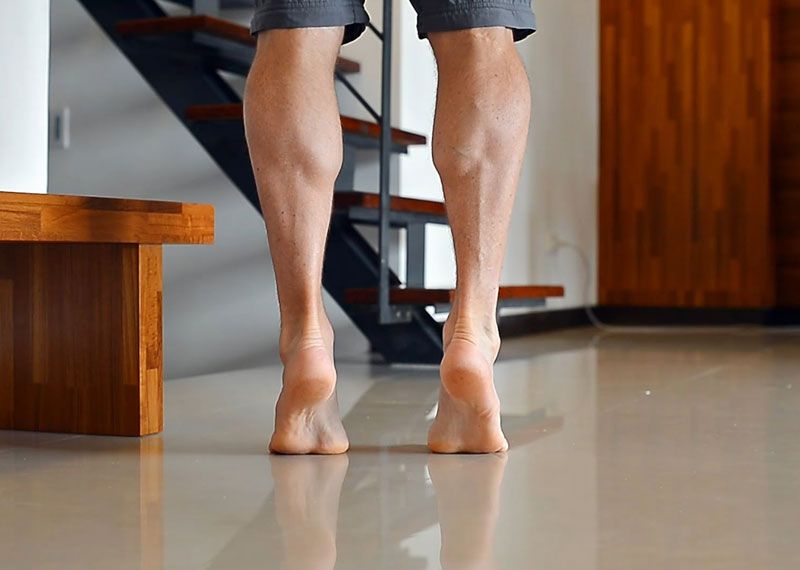
Interestingly, your calves play a significant role in keeping you upright. Firm, flexible calf muscles stabilize your lower body and affect how you hold your upper body.
Try this:
- Slowly stand on your toes and sit back down 15 times.
- Include ankle circles and calf stretches in your warm-ups.
- When your calves are engaged, standing up tall with an assured stride is easier and puts less strain on your lower back.
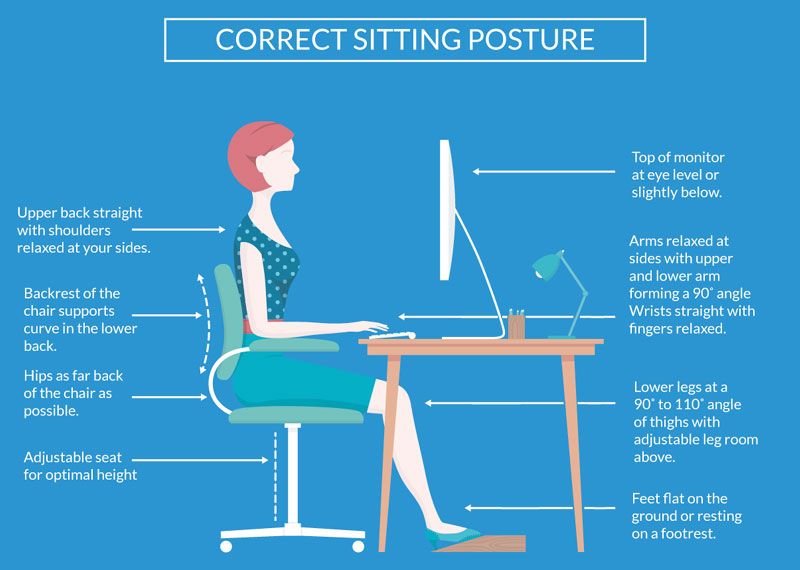
66. Master Your Sitting Posture
Office jobs are a posture killer. Here’s how to sit smarter:
- Sit in an ergonomic chair that accommodates the natural curve of your spine.
- Adjust monitor height so that it’s slightly above eye level—this decreases forward head tilt.
- Keep both feet flat on the floor or a footrest—never dangling.
- Use a lumbar pillow if your chair doesn’t provide sufficient support for your lower back.
- Place elbows at 75–90 degrees to decrease tension in the shoulders and arms.
77. Set Armrests to the Right Height
The alignment of your arms affects the amount of stress you put on your back, neck, and shoulders. Your forearms should rest on your armrests without lifting your shoulders or causing you to lean forward.
Ideal arm angle: Between 75 to 90 degrees. Too acute or too wide, and you’ll end up slouching.
88. Keep Moving—Even with Perfect Posture
Even if your sitting posture is textbook-perfect, your body isn’t designed to stay still for long hours. Prolonged sitting compresses the spine and weakens postural muscles.
Here’s what you can do:
- Set a timer to stand and stretch every 30–60 minutes.
- Do a few neck rolls, shoulder shrugs, or torso twists.
- Try “posture resets” by doing 5 standing marches or heel raises during breaks.
Motion maintains muscle tone and helps break the cycle of static strain.
99. Train Your Core Without Crunches
Having a strong core inherently helps support your spine, enabling you to stand taller with less strain.
Do these posture-supportive exercises:
- Planks (front and side)
- Bird-dog
- Wall angels
- Dead bug
These activate deep stabilizing muscles and promote healthy alignment in the long term.
10Final Thoughts: Posture Is a Practice—Not a Perfection

Better posture isn’t about standing stiff or seeking perfection. It’s about establishing small, repetitive habits that serve your body’s natural alignment. Posture is like a moving target—something you nudge along during the day, rather than something you get once and forget.
You don’t have to transform your whole routine in one night. Even small things, such as moving your chair or doing a few heel raises, can help retrain your body to move more easily and confidently.
Good posture is not so much about discipline as it is about awareness. And once you begin paying attention to it, you’ll notice how much lighter, more energized, and more in control you feel.