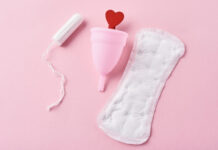













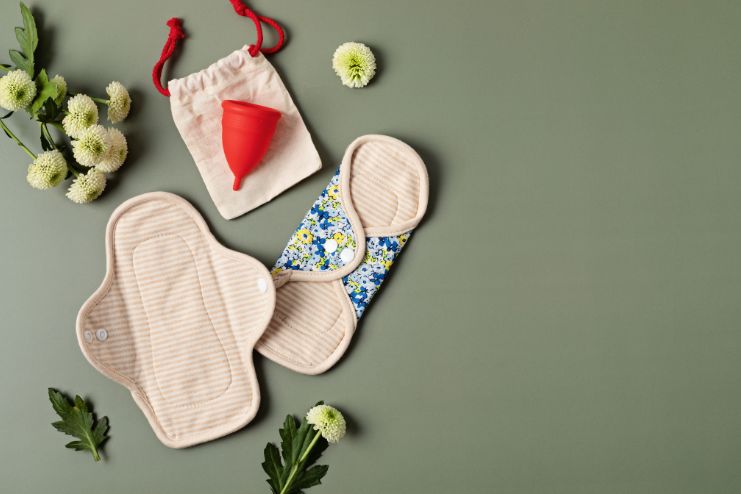
As awareness of menstrual hygiene and sustainability increases, more women are ditching traditional tampons and pads. The change is spurred by environmental issues as well as an interest in healthier, skin-friendly solutions.
No wonder, then, that the market for sustainable menstrual care is flourishing. According to Grand View Research, the increasing worldwide demand for eco-friendly products. Each disposable pad can take 500 to 800 years to break down, and one menstruator can go through as many as 5,000 to 15,000 pads and tampons in a lifetime.
This increasing plastic waste is a critical issue. The Ellen MacArthur Foundation reports that the majority of period waste is not recyclable, with massive contributions to landfill accumulation. To fight this, more and more consumers are opting for products that are reusable, biodegradable, organic, and compostable.
Read More: How to Talk to Your Teen About Period Health Without Shame or Awkwardness
Reusable Menstrual Products Available
Below is your list of the top sustainable period products.
1. Reusable Cloth Pads
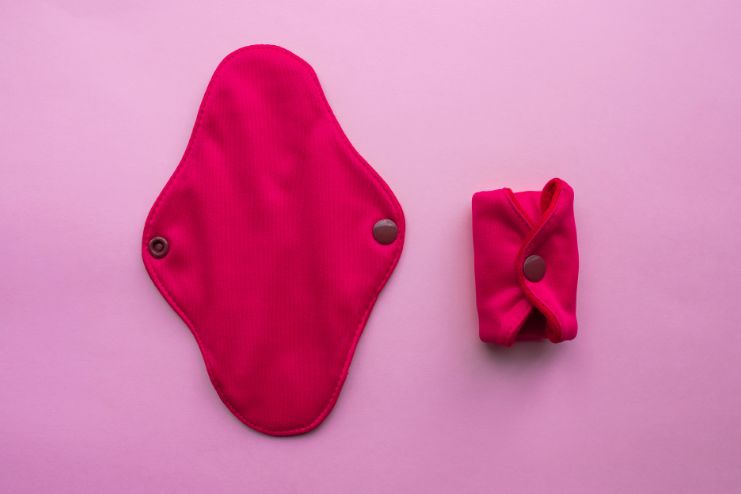
Reusable cloth pads have evolved to be smarter, softer, and more efficient. Constructed of layers of organic cotton, hemp, or bamboo, they feel gentle yet offer security from irritation or landfill remorse with disposables.
Features and Usability:
- Snap fasteners hold them in position.
- Come in multiple sizes and absorbencies (liners to overnight).
- The majority contain waterproof PUL layers to avoid leaks.
- Easy to clean: rinse in cold water, wash in the machine, and air dry.
Advantages:
- Affordable in the long term
- Breathable and free of chemicals
- Durable over the years
Best For: Pad users who want to lead a low-waste life.
2. Organic Cotton Tampons with Non-Plastic Applicators
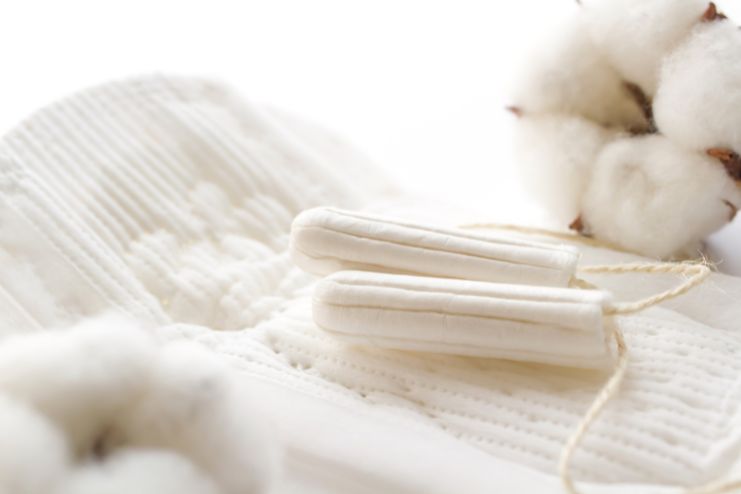
If tampons are your choice but plastic is a no-no, organic cotton tampons are the solution. They are chemical-free, fragrance-free, and chlorine-free, and have biodegradable cardboard or paper applicators.
Features and Usability:
- GOTS-certified organic cotton
- Hypoallergenic
- Packaged individually in compostable material
- Works exactly like regular tampons
Advantages:
- Best for sensitive skin
- Good for the planet
- Completely biodegradable in industrial composting systems
Best For: Users who want to limit their exposure to artificial products.
3. Menstrual Cups
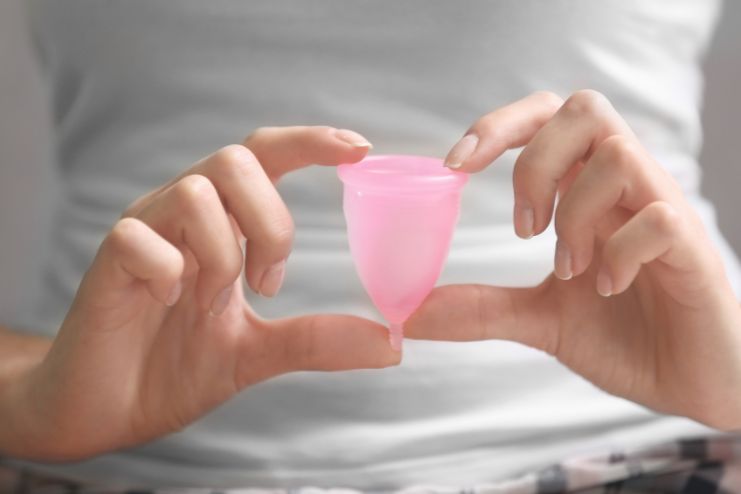
Menstrual cups continue to be one of the most sustainable and cost-effective menstrual care products available. They are made of medical-grade silicone and can be used for 10 years with care.
Features and Usability:
- Funnel-shaped, foldable
- Added in various sizes and flexibilities
- Accommodates 20–40 ml of liquid (12 hours of wear)
- Sterilize by boiling once a month
Advantages:
- Long-term cost savings
- Zero leakage when inserted properly
- Travel-friendly and zero-waste
Best For: Experienced users or those comfortable with internal options.
4. Reusable Menstrual Discs
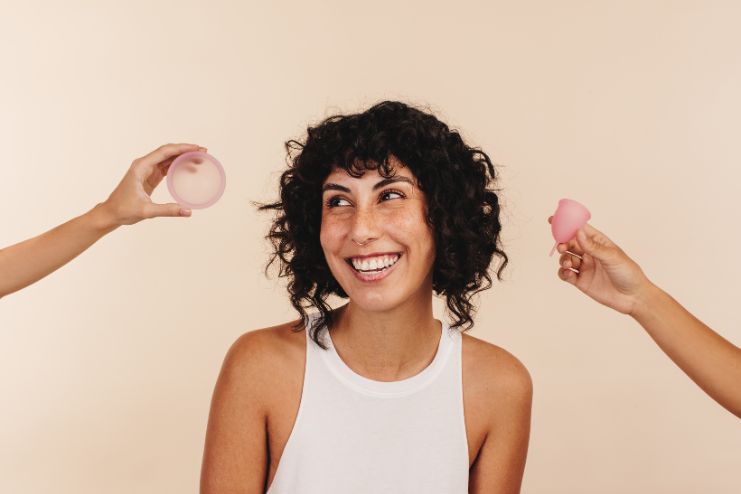
Menstrual discs provide a mess-free and discreet option. Unlike cups, they sit below the cervix and do not use suction.
Features and Usability:
- Inserted horizontally under the pubic bone
- It can be worn during intimacy
- Holds more fluid than a tampon or pad
- Washable and reusable silicone versions are now widely available
Advantages:
- Excellent for women with lower cervixes
- Does not disrupt intercourse
- Great for heavy flow
Best For: Consumers in search of an internal product with no suction-based support.
Read More: What No One Tells You About Your First Period After Pregnancy
5. Leak-Proof Period Underwear
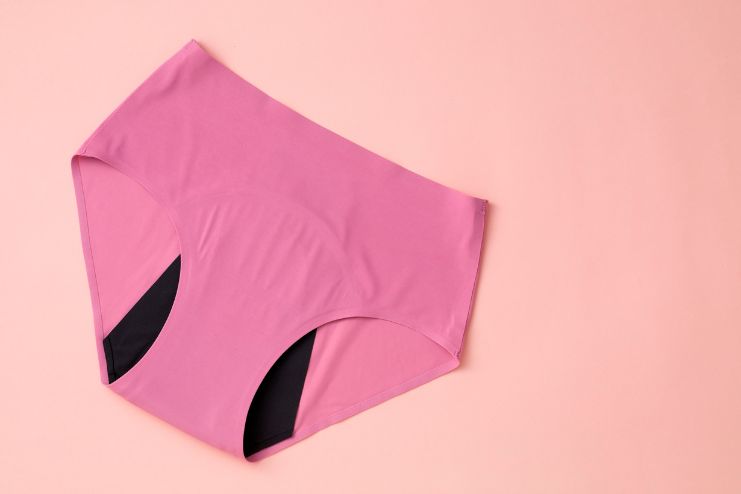
This has become a new favorite with many. Period underwear feels and looks exactly like normal underwear, but has several layers of absorbency to trap moisture and odor.
Features and Usability:
- Reusable and washable
- Can hold up to 4 tampons’ worth/volume of liquid
- Available in bikini, brief, boyshort, and high-waist styles
Advantages:
- Ideal for nighttime wear or less heavy days.
- May be used by itself or as a backup
- Unobtrusive and comfortable
Best For: Individuals seeking low-maintenance period protection.
6. Interlabial Pads

Small, soft, petal-shaped fabric pads are inserted between the labia to channel menstrual flow away from the back or onto a pad.
Features and Usability:
- Cotton or hemp material
- Soft and breathable
- May be used with cloth pads or liners
Advantages:
- Additional protection against leaks
- Best for light flow or spotting
- Reduces back leakage when sleeping
Best For: Individuals who require an addition to primary protection measures.
7. Biodegradable Disposable Pads
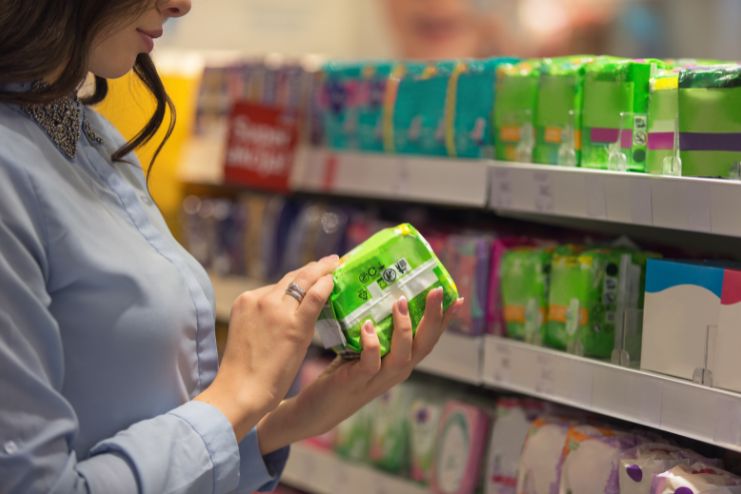
These biodegradable disposable pads function similarly to standard ones but break down significantly quicker, often in 6–12 months.
Features and Usability:
- Made from bamboo or banana fiber
- Plastic-free and synthetic chemical-free
- Compostable film wrapping
Advantages:
- More practical compared to cloth
- Perfect for travel
- Better for the planet compared to plastic pads
Best For: Women switching to more eco-friendly options.
8. DIY or Boutique Cloth Pads
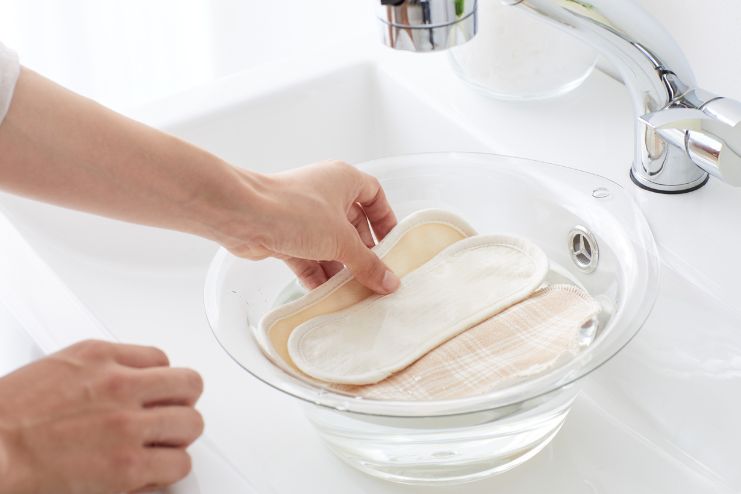
DIY or boutique cloth pads are hand-made and available widely these days, with more women opting for those. These are handmade or small-batch types using custom fabrics and prints.
Features and Usability:
- Cotton, bamboo, or hemp fleece material
- Generally more attractive and softer than mass-produced types
- Adjustable size and absorbency
Advantages:
- Helps support small businesses
- Offers personalized comfort and style
- It is high-quality and handmade
Best For: Users looking for customized solutions and artisan quality.
Read More: 8 Period Symptoms That Might Actually Be a Thyroid Issue
Why Use Eco-Friendly Period Products?
There are several reasons why you must switch from contemporary pads to more eco-friendly options. Here are a few of them:
- Less Waste: Plastic pads and tampons account for more than 12 billion discarded products annually. Eco-alternatives greatly minimize landfill and ocean pollution.
- Better for Your Body: Regular pads and tampons often contain VOCs and phthalates. Organic and reusable products are gentler on the skin and free from toxins.
- Cost Savings: A menstrual cup costs around $30 but lasts 10 years. Compare that to the thousands spent on disposables.
- Empowering Choice: Switching to sustainable products feels good—you’re aligning your habits with your values.
Are Reusable Sanitary Products Hygienic?
Absolutely. When cleaned and dried properly:
- Cloth pads last 3–5 years.
- Menstrual cups have a lifespan of 10 years.
- Period underwear remains good for 2–3 years.
Store in breathable storage pouches, use mild detergent, and sterilize internal devices every month.
Are Biodegradable Disposables Sustainable?
Improving on traditional disposables, but not zero waste. They are still made and tend to end up in landfills unless adequately composted. Works best as a backup to reusables.
What to Consider When Searching for a Sustainable Period Product?
Here is a checklist you can follow when buying a sustainable period product:
- Reusable: Eliminates repeated waste and cost.
- Antimicrobial Fabrics: Avoid rashes and infection.
- Plastic and Toxin Free: Check labels for a synthetic-free guarantee.
- Good Reviews: Read about comfort and durability.
- Price: Value over the long term is more important than initial cost.
Top Period Hygiene Tips
- Use fragrance-free products to keep your vaginal pH in balance and minimize unnecessary irritation.
- Replace cloth pads every 4–6 hours to stay clean and prevent bacterial growth.
- Sterilize menstrual cups by boiling them for 5–10 minutes after every cycle to avoid infection.
- Wear natural, breathable materials such as cotton to avoid heat rashes and irritation.
- Keep a cold, waterproof wet bag with you for carrying dirty cloth pads or underwear discreetly when you are away from home.
- Drink plenty of water and eat iron-dense foods like greens, lentils, and dates to maintain your energy levels.
- Always wash your hands thoroughly with soap and water before and after handling any menstrual products to prevent infections.
Final Thoughts
Ditching disposable period products isn’t just good for the planet; it’s also excellent for you. It’s about feeling comfortable, saving money, and staying healthy.
Take the first step by going with biodegradable pads, or make the big change with a cup and cloth pads combo. Join the transition in 2025, because your period gear can make so much difference, not just for your menstrual hygiene but for the environment too!
References
- https://saalt.com/blogs/news/how-many-tampons-and-pads-end-up-in-landfills-each-year
- https://www.bemewoman.com/blogs/be-me/bamboo-sanitary-pads-a-sustainable-choice-for-women
- https://www.jockey.in/blogs/blogs/everything-you-need-to-know-about-period-panties-the-what-the-how-and-the-why
- https://www.jockey.in/blogs/blogs/everything-you-need-to-know-about-period-panties-the-what-the-how-and-the-why
- https://www.sciencedirect.com/science/article/pii/S2213398423002609
- https://www.jockey.in/blogs/blogs/everything-you-need-to-know-about-period-panties-the-what-the-how-and-the-why
- https://www.goodrx.com/health-topic/womens-health/are-organic-tampons-safety
- https://obgyn.onlinelibrary.wiley.com/doi/full/10.1002/ijgo.14311
In this Article