













Choosing the best period product can feel overwhelming, especially with so many period hygiene options available. There is no one-size-fits-all answer, despite the widespread discussion about menstrual cup vs tampon vs pad. Depending on your body, lifestyle, and tastes, each choice has advantages, drawbacks, and best usage cases.
This comprehensive comparison of tampons, pads, and menstrual cups explores how each product works, along with its pros and cons, safety considerations, cost, environmental impact, and beginner-friendly tips.
This article will help you make an informed, self-assured choice, whether you’re comparing reusable vs. disposable period products or seeking a beginner’s guide to period products.
- Cups are eco-friendly and last longer, but need practice.
- Tampons offer comfort and mobility but require frequent changes.
- Pads are beginner-friendly and safe, though bulkier and less eco-friendly.
Read More: Best Non-Toxic Period Products for a Healthier Cycle: Eco-Friendly & Safe Alternatives
Overview of the Three Main Period Products
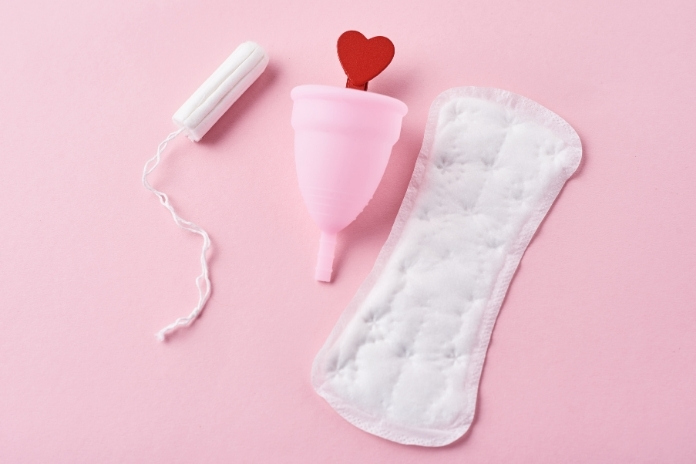
You can go about your regular life during your period without getting blood on your clothes or linens if you use a menstrual cup, tampon, or pad. You wear pads in your underwear while you insert tampons, cups, and discs into your vagina.
Pads are absorbent pieces of material that stick to the inside of your underwear to absorb menstrual blood during your period. People frequently refer to them as sanitary pads. Some have “wings” or flaps that fold over the edges of your underpants to hold your pad in place and prevent leaks and stains. Manufacturers make some pads from disposable materials that you use once and then discard, while others make pads from cloth so you can clean and reuse them.
Tampons are little cotton plugs that fit inside your vagina to absorb menstrual blood.
Some tampons include an applicator that facilitates insertion, and a string at the end makes removal easy.
Manufacturers make menstrual cups from rubber, silicone, or soft plastic and shape them like tiny bells or bowls. The cup gathers menstrual blood when you wear it inside your vagina. The majority of cups can be reused by simply emptying, washing, and using them again. Other menstrual cups are disposable, meaning you discard them after only one use or cycle.
Menstrual Cups: Pros, Cons, and Best Use Cases
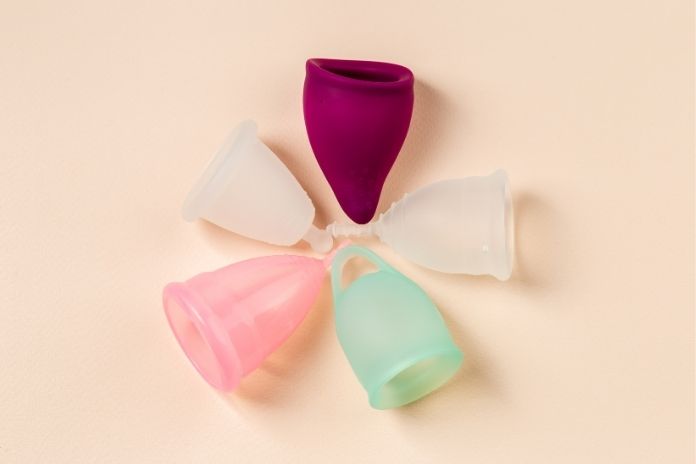
When it comes to managing their periods, there are numerous menstruation solutions available. The menstrual cup is one item that has been around for a while but has gained popularity recently. Some menstrual cups are composed of rubber, although silicone is the most common material. Silicone versions are better for those who are allergic to latex.
Pros:
Eco-Friendly and Cost-Effective: By using the cup instead of pads and tampons, you can reduce the amount of trash you generate during your menstrual cycle.
Reduced Menstrual Product Shopping: If you use disposable menstrual products, such as pads or tampons, you will need to purchase them every time you have a period. It is not only more costly than using a menstrual cup, but it can also be inconvenient to make several journeys to the pharmacy.
Less Odor: If you’ve previously used tampons or pads, you may have observed that as they absorb more blood, they can start to smell. Exposure to air intensifies the smell, which is particularly problematic with menstrual pads.
Cons:
It Takes Practice to Learn to Insert it Correctly: The most frequent criticism of the menstrual cup is that it is initially challenging to insert. Some women become discouraged and give up after multiple attempts due to the learning curve.
Fit Issues: The menstrual cup is available in several sizes, with recommendations and guidelines to help determine which size may suit particular women. Fit, however, could be a problem if you have a condition like a lowered uterus or extensive fibroids.
Problems with Cup Removal: It can be just as difficult to remove a menstrual cup as it is to insert one. Furthermore, poor removal might result in far more mess than wrong insertion.
Who might find them most appropriate?
Menstrual cups are perfect for:
- People who care about the environment
- People with excessive flow require longer wear times
- Individuals who feel at ease using internal products
Read More: Sustainable, Safe & Smart: 8 Period Products to Switch to
Tampons: Pros, Cons, and Best Use Cases
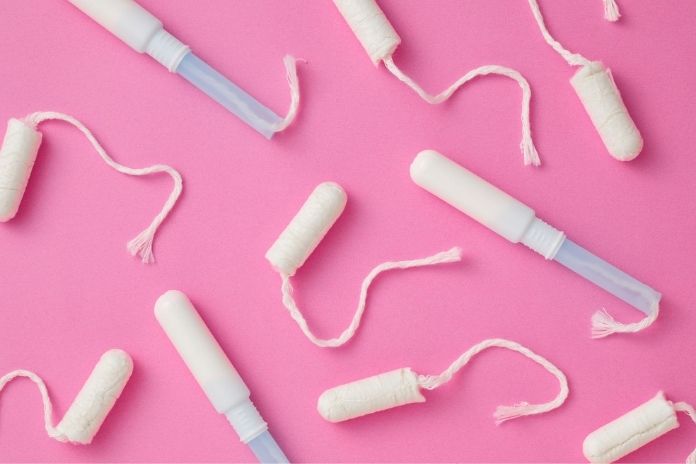
One of the most popular menstrual products is a tampon. They usually have a long, thin, cylindrical shape with a string on the end and are composed of an absorbent material (often cotton, rayon, or a combination of the two). They are placed within the vagina to stop leaks and absorb the blood from your period. The size of a tampon varies based on the intensity of your menstrual flow.
Pros:
Tampons are Hygienic: The majority of tampons come with an applicator, so your hand never comes into contact with the part that is inserted in your vagina, even though you should always wash your hands before applying.
Removal is Simple and Clean: You won’t have to worry about blood leaking onto the floor or onto you, because the tampon will likely absorb most of the blood when you throw it in the trash.
You can use a Variety of Sizes: A light tampon one day and a mega tampon on your heavier days, since your period flow can vary.
They Feel at Ease: When you position a tampon properly, you should not feel it, and you can perform any activity as usual.
Cons:
It might be Uncomfortable: It could be painful because some tampon brands expand more than others and absorb more blood.
They are not Eco-Friendly: Because you use tampons only once and then throw them away, they require additional resources and contribute to waste.
Needs to be Replaced Frequently: Tampons require more frequent changes than menstrual cups and discs, which means more trips to the restroom.
Use Tampons only during Menstruation: You cannot consistently use a tampon to stop leaks if you have irregular periods and are unable to predict when you will bleed next.
Pads: Pros, Cons, and Best Use Cases
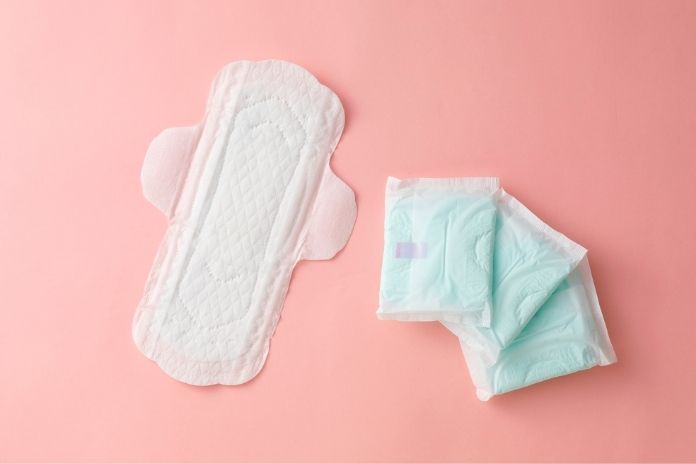
Among the most popular feminine hygiene products are sanitary pads and panty liners.
Manufacturers line them with plastic, use absorbent fabrics such as cotton or rayon, and add adhesive on one side so they stick to undergarments. During “that time of the month,” an estimated 62% of US women use disposable menstrual pads.
Pros:
Pads Offer Choices to Meet Activity Level and Flow: Period pads go with the flow, which is a nice feature. Every kind of menstruation has a menstrual pad. Are you seeking “just in case” protection? Take out a panty liner. Is it a typical flow day? The solution should be an extremely thin pad. At night? Additionally, there is a pad for that; choose the longer overnight with wings.
They’re also Low Maintenance: They require less upkeep than disposable pads, which take longer to clean than menstrual cups or discs.
Pads come in Several Options: There are several types of pads available to suit the varying amounts of menstrual fluid you may experience during your period.
The Risk of TSS is Reduced: Pads reduce the likelihood that bacteria enter the vagina and cause illness because you do not place them inside. Changing your pad regularly is still crucial, though.
Cons:
They can Feel Bulky: Super absorbent pads are often compared to wearing a diaper because they can feel heavy. It might be more appropriate to wear these kinds of pads at night.
There’s a Chance of Leaks or Soaking Through: All feminine products have the potential to leak or soak through, but because pads absorb menstrual fluid externally, they are more likely to move out of position or soak through.
They May Smell: Menstrual fluid naturally has an odor, but it’s not always pleasant. You can reduce the odor by changing the pad more frequently.
They are not Eco-Friendly: Because you use most pads only once and then throw them away, they contribute to increased resource consumption and waste.
Read More: Why Period Pain Gets Worse With Age — and What to Do About It
Safety Considerations Across All Options
Hygiene Practices and Changing Frequency
Maintaining proper hygiene is essential for all period hygiene options.
- Change the tampons every 4 to 8 hours
- You should empty menstrual cups every eight to twelve hours
- Every four to six hours, replace the pads
Understanding and Reducing TSS Risk
Risk of toxic shock syndrome (TSS) is primarily associated with tampons but can also occur rarely with cups.
To reduce danger:
- Steer clear of extended use
- Keep yourself clean
- Make use of the proper absorbency
Skin Sensitivity and Irritation
Tampons and pads may irritate certain people. Maintaining dryness and selecting fragrance-free products can be beneficial.
When to Consult a Healthcare Provider
Consult a doctor if you encounter:
- Enduring annoyance
- Unusual release
- Extreme discomfort
Comfort and Lifestyle Factors to Consider
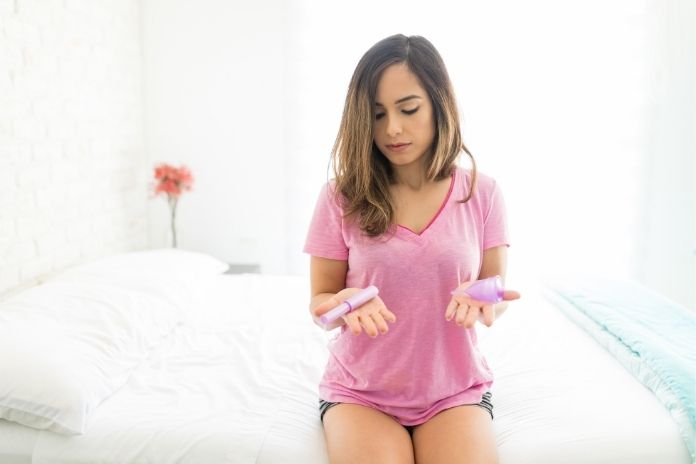
Daily Routine: Selecting the best period product is heavily influenced by your routine. People with hectic schedules could prefer long-wear solutions like cups.
Sports and Physical Activity: Tampons or cups are frequently more practical than pads for physically active people.
Sleep and Sleep Protection: Because they provide longer protection, pads and cups are frequently used for overnight use.
Personal Comfort: Your comfort with internal vs external products is crucial in the menstrual cup vs tampon vs pad decision.
Cost and Environmental Impact
Comparison of upfront and long-term costs
- Menstrual cups are more expensive initially but less expensive over time.
- Pads and tampons: less expensive initially, more expensive over time.
It makes cups a strong option in cost comparison period product discussions.
Reusable vs. Disposable Goods: The decision between reusable vs disposable period products affects both convenience and expense.
Environmental Footprint Considerations: Disposable products often increase waste. Switching to eco-friendly menstrual products, like reusable pads or cups, reduces environmental impact.
Read More: Do “Period Blood Detoxes” Actually Work? What Science Says
Which Product Is Best for Beginners?
Comfort, convenience, lifestyle, and health all play a role in product selection. Although they are an inexpensive and simple method of managing periods, disposable period products like pads and tampons greatly contribute to environmental degradation.
Menstrual cups are cost-effective and environmentally friendly, but if you don’t feel comfortable wearing one, period underwear or a reusable pad are excellent alternatives.
Can You Combine Different Period Products?
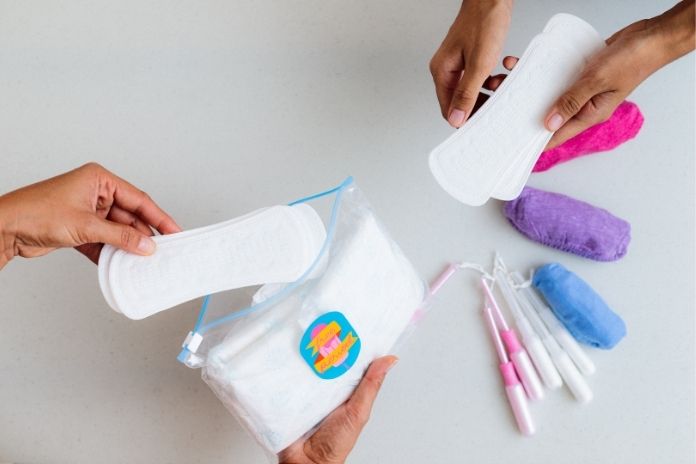
To improve security, minimize leaks, and control the large flows, we can mix goods from different periods. It is especially true when you combine internal products (tampons/cups) with external backups (pads/underwear).
Although you should never use any two internal products at once, popular combinations include combining a tampon with a pad for additional protection or a menstrual cup with period underwear.
Read More: 8 Period Symptoms That Might Actually Be a Thyroid Issue
Conclusion
Your comfort, lifestyle, and personal preferences will ultimately determine whether you choose a menstrual cup, a tampon, or a pad. Each choice has unique benefits: pads for simplicity of use and beginner-friendliness, tampons for mobility and convenience, and cups for sustainability and extended wear.
There isn’t a single best period product for everyone, and it’s perfectly acceptable to try a few products before figuring out what works best for you. The secret to a safe and pleasurable experience is to prioritize your hygiene, understand your flow, and pay attention to your body.
In this Article