










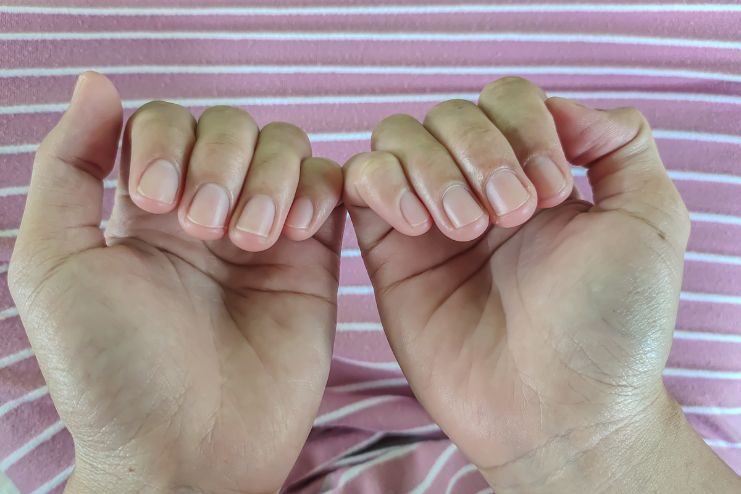
Have you ever considered that your fingernails could be a window to your overall wellness?
Beyond their cosmetic appeal and glossy appearance, your fingernails can provide valuable insights into your internal health conditions. Your nails often act as early warning signs, displaying subtle changes in color, texture, or ridge patterns that may indicate underlying health issues before other symptoms become apparent.
Whether it’s indicating nutritional deficiencies, signaling respiratory concerns, or highlighting serious conditions like anemia or hepatic problems, your nails might be sending important messages about your well-being.
In this comprehensive guide, we’ll explore 11 fascinating ways your fingernails can reflect your health status. Through detailed explanations and practical guidance, you’ll learn to identify various nail symptoms and understand when medical consultation might be necessary. Before your next nail care session, take a moment to examine your nails closely – they might be offering crucial insights about your health condition.
Read More: How To Stop Biting Nails? 10 Ways To Get Rid Of This Bad Habit
Understanding What Your Fingernails Say About Your Health

Your fingernails can provide numerous clues about your health status through various signs and indicators.
From subtle white marks to noticeable ridges, these signs can manifest in multiple ways, each potentially indicating different health conditions.
Understanding these indicators early can help you take appropriate preventive measures or seek medical attention before conditions worsen.
Let’s explore some key indicators in detail.
1. Brown Vertical Stripes on Nails
A brown vertical stripe appearing on your nail might indicate melanoma. While nail melanomas are relatively rare, occurring in only 1% of Caucasian populations, they’re more common in African Americans, affecting up to 20%. Some medications can also cause a darkening stripe extending from the nail tip to the cuticle. If you notice such changes, it’s essential to have them evaluated by a healthcare professional.
2. Brittle Nails
This common condition often results from nutritional deficiencies or exposure to harsh environmental factors.
Nails are produced by the nail matrix, also known as the nail root. When your body lacks proper nutrition or specific nutrients, it struggles to produce healthy nails. This explains why individuals with eating disorders frequently experience nail problems. Additionally, brittle nails might indicate underlying thyroid issues or iron-deficiency anemia.
Nails are primarily composed of keratin protein. Even when your body can produce healthy nails, exposure to harsh chemicals can deteriorate their structure. Think of your nails as a brick wall – harmful substances can gradually break down the binding material holding the structure together.
Read More: How to Remove Dead Toenails: Causes, Symptoms and Treatment
3. Ridges on the Nails
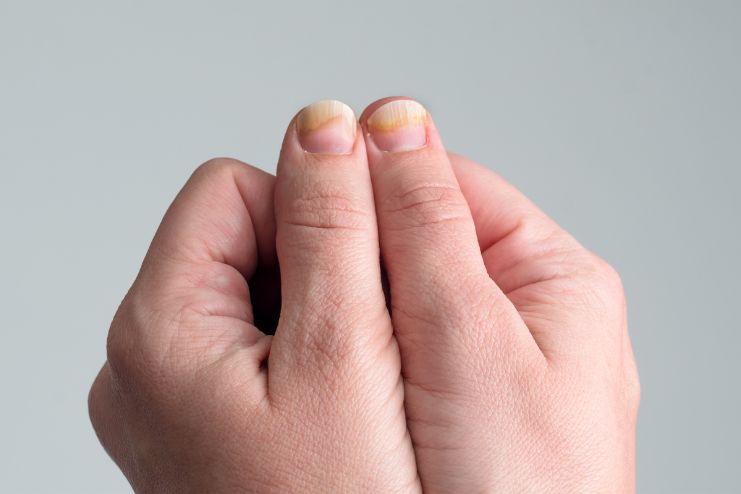
Vertical nail ridges are a common occurrence, particularly as one ages. However, deep horizontal indentations known as Beau’s lines warrant more attention. These horizontal depressions indicate a temporary halt in nail growth, often triggered by significant events such as physical trauma, blood transfusions, severe accidents, chemotherapy treatments, or intense periods of psychological stress.
For those concerned about vertical ridges, specialized ridge-filling products can effectively camouflage them. However, if you notice the development of horizontal lines, it’s advisable to seek professional medical consultation.
4. Horizontal Ridges
Physical injuries or severe illnesses accompanied by high fevers, such as scarlet fever or pneumonia, can manifest as horizontal ridges. These Beau’s lines might also develop due to various health conditions, including circulatory disorders, psoriasis, poorly managed diabetes, or severe zinc deficiency.
Another distinct type of horizontal marking, known as Mees’ lines, appears as horizontal discolorations. These can result from various serious conditions, including carbon monoxide exposure, malaria infection, leprosy, Hodgkin’s disease, or arsenic toxicity.
5. Yellow Fingernails
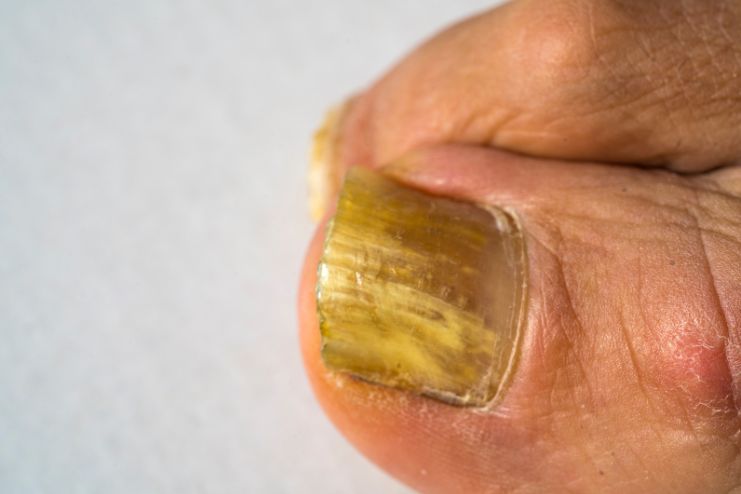
Significant yellowing of nails may indicate underlying respiratory conditions. A rare condition called yellow nail syndrome can lead to persistent respiratory tract infections and inflammation. Fungal infections commonly cause nail yellowing, particularly affecting toenails. Regardless of the cause, these symptoms warrant professional medical evaluation.
Read More: How to Remove White Spots on Nails
6. Nail Clubbing
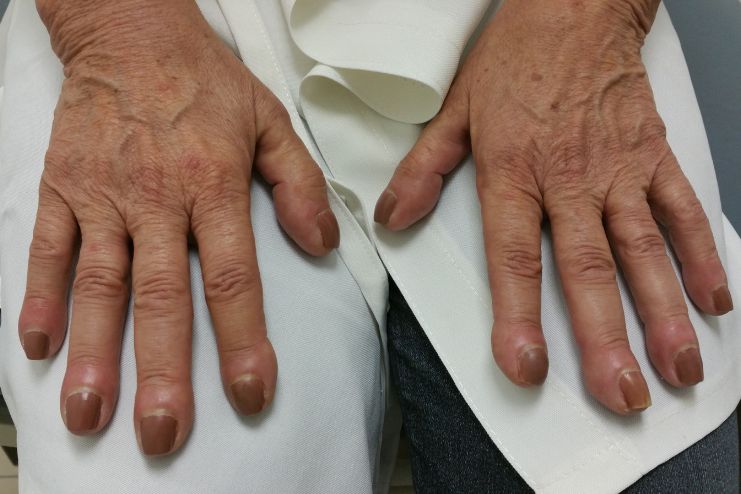
Nail clubbing typically develops gradually, characterized by enlargement of fingertips and downward-curving nails.
This condition often results from reduced blood oxygen levels and may indicate various pulmonary disorders. Additionally, nail clubbing has been associated with conditions like AIDS, hepatic diseases, cardiovascular disorders, and inflammatory bowel disease.
7. Skin around the Nail is Infected
Paronychia, characterized by infected, inflamed, and reddened skin around the nail, often results from aggressive cuticle pushing. While common in nail salons, this practice can compromise nail health. Disrupting the cuticle creates entry points for harmful microorganisms like bacteria, fungi, yeast, and mold, leading to infections.
For symptomatic relief, soak affected areas in warm water multiple times daily. If symptoms persist, consult a healthcare provider who may prescribe oral antibiotics. To prevent paronychia, avoid cutting or pushing back cuticles with sharp implements. Instead, gently massage the cuticle area with a soft cloth after showering to remove dead skin cells.
8. Thumb Horizontal Depressions
A distinctive pattern of horizontal depressions resembling washboards on thumbnails often indicates a habit tic deformity. This condition typically develops when individuals repeatedly manipulate their thumb’s cuticle with their index finger during nail growth.
Read More: Health Tips for Stronger Nails
9. Tiny White Patches on the Nails
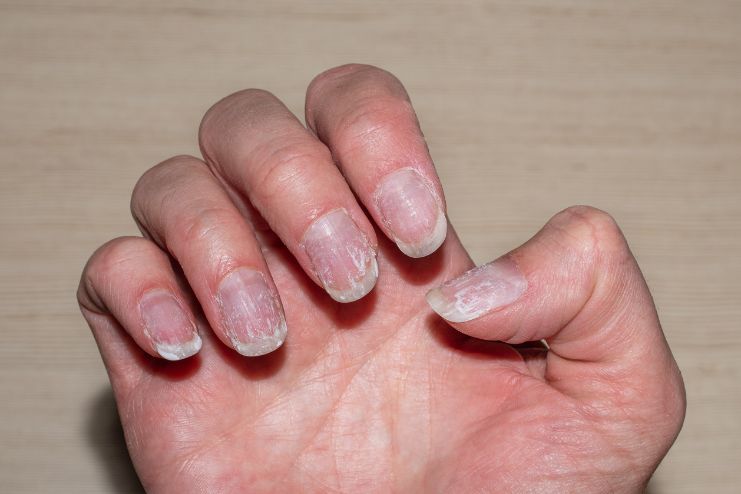
Contrary to popular belief, small white spots on nails aren’t indicative of vitamin deficiencies. These spots, medically termed punctate leukonychia, typically result from minor trauma during the nail formation process.
These spots naturally migrate upward as your nails grow. Given that complete fingernail regeneration takes approximately six months, these marks may remain visible for an extended period.
10. Spoon Nails
Koilonychia, commonly referred to as spoon nails, is an uncommon condition characterized by nails that develop a concave, spoon-like depression.
Medical professionals primarily attribute spoon nails to iron deficiency anemia. Another potential underlying cause is hemochromatosis, which can exacerbate the condition.
Additionally, thyroid dysfunction, particularly hypothyroidism, may contribute to the development of spoon nails.
11. Puffy Nail Folds
Paronychia manifests as swollen, puffy nail folds. This inflammatory nail condition can emerge from physical trauma, persistent irritation, or infectious agents. Both fingernails and toenails are susceptible to these changes.
Paronychia develops when microorganisms infiltrate damaged skin surrounding the cuticle and nail fold. The cuticle refers to the protective skin at the nail’s base, while the nail fold marks the junction between skin and nail. Healthcare providers typically prescribe antibiotic treatments to resolve paronychia.
Read More: How Hand Washing Works: The Science of Germ Removal
When Should You See a Doctor?

While many nail changes are harmless or indicate minor nutritional imbalances, certain symptoms demand immediate medical attention. Warning signs include dark streaks beneath the nail, persistent inflammation or tenderness around cuticles, unexpected nail separation, unexplained pitting or ridging, or sudden color alterations like pale, yellowish, or bluish nails. These symptoms could indicate serious conditions including autoimmune disorders, cardiopulmonary issues, melanoma, or chronic infections.
Consult a healthcare professional if you experience these concerning symptoms or if standard nail care practices fail to improve your condition. A medical provider can perform appropriate diagnostic tests to identify underlying conditions and recommend optimal treatment strategies. Remember that your nails often serve as valuable indicators of your overall health status.
Read More: How to Teach Your Kids About the Importance of Personal Hygiene
Conclusion
Your fingernails serve as more than mere aesthetic elements – they function as subtle yet powerful windows into your overall health status. From slight discolorations to unusual textures and inflammation, your nails frequently display early warning signs of underlying health conditions that might otherwise remain undetected. This natural monitoring system enables early identification of various issues, from basic infections and nutritional deficiencies to more serious conditions like autoimmune disorders and cardiovascular complications.
While not every nail abnormality signals a health crisis, understanding potential warning signs and responding appropriately is crucial. By maintaining awareness and staying observant, you’re taking an active role in safeguarding your well-being.
Remember that your body communicates through various signals – your nails represent just one of these important channels! When you notice unusual changes, take time to understand their message, and don’t hesitate to seek professional medical guidance. Sometimes, the most crucial health insights emerge from these seemingly minor indicators.
References
- https://www.mayoclinic.org/healthy-lifestyle/adult-health/in-depth/7-fingernail-problems-not-to-ignore/art-20546860
- https://thecenterforskinandthyroid.com/dr-bishops-blog/f/7-nail-changes-you-shouldnt-ignore
- https://www.signaturemobilespa.com/4-nail-symptoms-you-shouldnt-ignore/
- https://www.today.com/health/7-nail-symptoms-explained-signs-you-shouldn-t-ignore-t105511
- https://phoeberichmd.com/6-nail-symptoms-that-shouldnt-be-ignored/
- https://my.clevelandclinic.org/health/diseases/15327-nail-infection-paronychia
In this Article