















Women’s health is entering a whole new era—and it’s about time. Today, it’s no longer treated as a side note or specialty topic. It’s front and center, with serious innovation, investment, and attention behind it. Science, tech, and personalization are working together to create smarter, more proactive, and more empowering healthcare experiences.
From at-home hormone testing kits to AI-driven pelvic floor therapy, the landscape is rapidly changing. New tools and technologies are making it easier for women to take control of their health, whether it’s managing mental wellness, balancing hormones, or understanding the microbiome.
Care is becoming more precise and personalized than ever before.
We’re diving into six major, data-backed trends reshaping how women approach their health journeys.
These innovations are helping women tune into their bodies in ways that were never possible before, leading to better outcomes, greater confidence, and a stronger sense of agency. Here’s what’s changing—and how it’s designed to work better for you.
At-Home Hormone and Fertility Testing Goes Mainstream
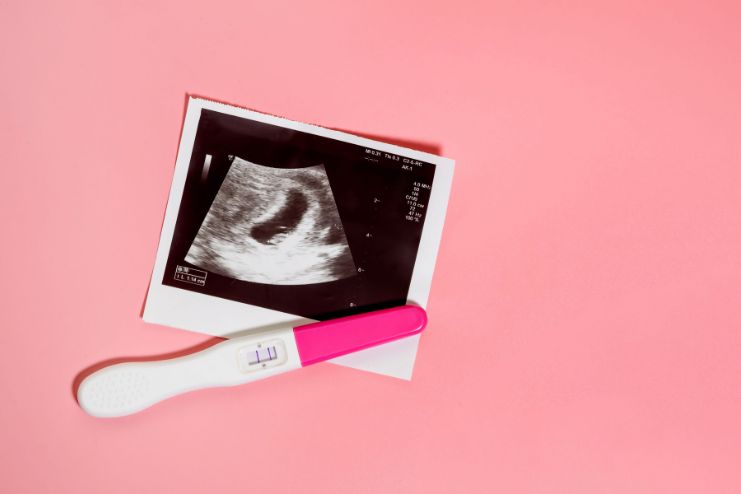
Not long ago, understanding your reproductive health meant long waits, awkward appointments, and confusing lab results. Fast forward to today, and that experience is rapidly becoming a thing of the past. At-home hormone and fertility testing is no longer just a niche option—it’s fast becoming the new normal.
Today’s technology offers clarity, convenience, and control, all from the comfort of home. Researchers at the University of Chicago have developed a cost-effective home test that quantifies the female fertility hormone estradiol without specialized lab equipment.
“Low-cost, accurate home hormone tests could save a huge amount of medical costs as well as eliminate lots of the burden on patients,” says Dr. Junhong Chen, Crown Family Professor of Molecular Engineering at the University of Chicago.
What’s Changing
Women now have access to a wide range of tools designed to deliver real-time insights into their reproductive health. Wearables, smartphone apps, and mail-in diagnostic kits can measure:
- Hormone levels (including estrogen, progesterone, and LH)
- Ovulation windows and fertility markers
- PCOS and thyroid function indicators
- Perimenopausal and menopausal transitions
Platforms like Modern Fertility, Inito, and Mylo go beyond just providing raw data—they offer user-friendly dashboards that track trends over time, helping women visualize patterns and make sense of their results. Many of these solutions also integrate with popular cycle-tracking apps, creating a comprehensive, 360-degree view of reproductive health in one streamlined place.
Why it Matters
The growing demand for accessible, autonomous health tools is clear. By 2027, the women’s health diagnostics market is projected to reach $47.8 billion, reflecting how much women value empowered, on-demand care. With these modern platforms, women can make confident, informed decisions about conception, birth control, hormone management, and lifestyle choices—privately and efficiently, without unnecessary appointments or barriers.
What it Means for You
Faster, clearer insights into your hormonal health—on your schedule, in your space, and without the red tape. It’s reproductive healthcare that finally keeps pace with your life.
Read More: Understanding Hormonal Imbalance and Its Impact on Fertility
Personalized Supplements for Hormonal Health
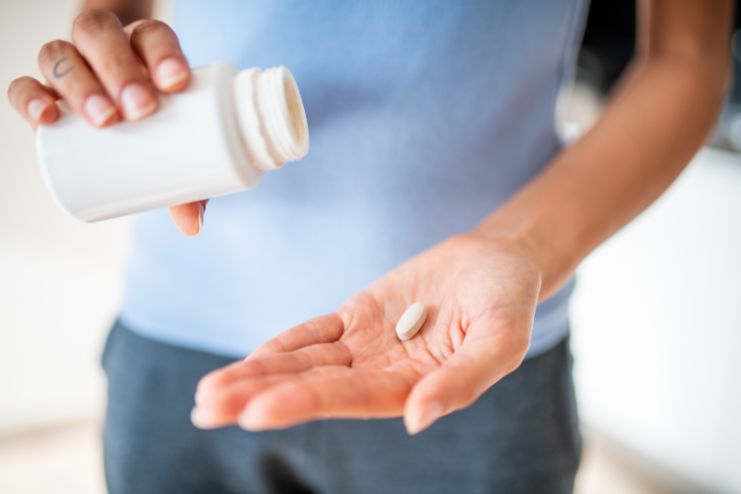
If you’re still popping the same multivitamin every day, no matter where you are in your cycle, this is your sign to upgrade. The future of supplementation is here—and it’s all about personalization. Cycle-specific, targeted nutrition is emerging as the new standard for smarter, more effective hormonal support.
A mini-review explores the potential of precision medicine and personalized nutrition in addressing health challenges faced by perimenopausal women, emphasizing the role of genetic polymorphisms.
According to Dr. Weston, Functional Medicine Expert at Donaldson Plastic Surgery, “Finding the right supplements can be confusing, especially when comparing experiences with others.”
What’s Emerging
Supplement brands are now leveraging AI, data, and research to create custom blends tailored to your unique needs. These formulas consider:
- Age and menstrual cycle phase
- Health history and hormonal concerns
- Lifestyle habits and nutritional gaps
Adaptogens, functional herbs, and clean-label ingredients are taking center stage—particularly for addressing PMS, PCOS, perimenopause, fatigue, and low libido. Brands like HUM Nutrition, Semaine, and Flo Living offer subscription models that evolve alongside your hormonal profile, ensuring your supplements stay relevant as your body’s needs shift over time.
Supporting Data
1 in 3 women is now using a supplement designed specifically for hormone balance. The personalized nutrition market is expanding rapidly, fueled by consumer demand for targeted support and ingredient transparency.
Added Benefits
- Fewer side effects, thanks to cleaner, more relevant formulations.
- Better consistency and habit formation through convenient subscription models.
- Tangible improvements in mood, energy, and reproductive health.
What it Means for You
Supplements that actually work with your body, not just the calendar. It’s time to ditch the generic pills and embrace solutions that are as dynamic as you are.
Read More: 6 Supplements You Shouldn’t Take Without Consulting a Doctor
Tech-Enabled Pelvic Floor Therapy
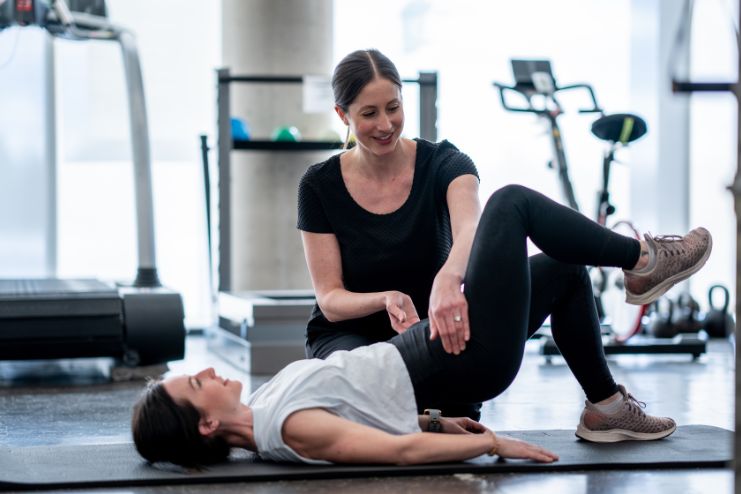
For too long, pelvic health has been overlooked, misunderstood, or burdened by stigma. Today, that’s changing fast. Thanks to smart, user-centered innovations, pelvic care is getting the tech-powered upgrade it deserves, making it easier, more accessible, and far less awkward to manage.
What’s Changing
New devices and platforms are transforming how women strengthen and care for their pelvic floors. Tools like the Elvie Trainer and Perifit combine:
- Biofeedback to provide real-time muscle engagement data
- Gamified exercises to make routines more motivating
- Virtual coaching to guide users through personalized strengthening programs
Mobile apps complement these devices with:
- Reminders and goal tracking
- Educational content for deeper understanding
- Telehealth access to licensed pelvic therapists for discreet, expert support—all from home
Why it Matters
An estimated 1 in 4 women experience pelvic floor disorders such as incontinence, prolapse, or chronic pain—yet less than 20% seek treatment. Postpartum women, athletes, those going through menopause, and individuals recovering from pelvic surgery can now access effective care without the pressure of clinical settings or invasive appointments.
User-Centered Innovation
- Gamified workouts keep motivation high
- Discreet, portable designs fit into everyday life
- Online communities and forums foster support and shared experiences
What it Means for You
Greater autonomy, comfort, and confidence in managing your pelvic health—no awkward clinic visits, no waiting rooms, just care that meets you where you are.
Read More: Pelvic Floor Exercises: Strengthening Solutions for Incontinence
Mental Health + Menstrual Cycle Awareness
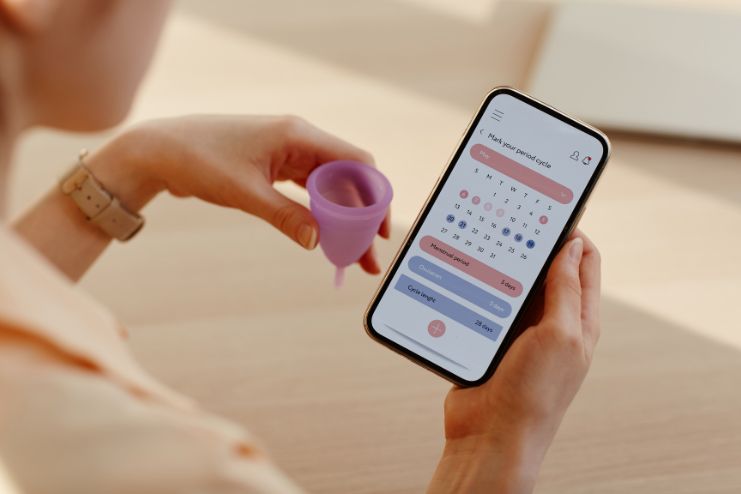
We’ve long known that hormones shape mood, but now, we finally have the technology to track, predict, and adapt to those shifts in real time. Emotional wellness is no longer about guesswork—it’s about informed, proactive self-care that works with your cycle, not against it.
“Incorporating technology into pelvic floor therapy holds promise not just for enhanced diagnostics but superior patient outcomes,” stated Dr. Pelvic Health Physical Therapy Center, Madison, NJ.
What’s Emerging
Cycle tracking apps are evolving into powerful mental wellness tools. Platforms like Clue, Hormona, and 28 now feature:
- Mental wellness dashboards that reflect hormonal fluctuations.
- Luteal phase insights, spotlighting mood dips and anxiety risks.
- Personalized recommendations for adjusting self-care, productivity, and daily routines based on where you are in your cycle.
Data-Driven Benefits
- Reduced stress from unpredictable mood swings.
- Tailored support through meditation, nutrition, and therapy suggestions.
- Early signs of institutional change, with employers and educators starting to recognize the value of cycle-informed accommodations and support systems.
Why it Matters
By turning invisible hormonal shifts into clear, actionable insights, women gain greater emotional self-awareness and resilience. Whether it’s tweaking your work schedule, enhancing self-care, or simply understanding why your energy or mood dips, the power of this data transforms how you navigate everyday life.
What it Means for You
Emotional self-awareness that empowers—not limits—you. Finally, your mood makes sense, and you have the tools to manage it with confidence.
Read More: What Does Your Menstrual Cycle Say About Your Health?
Menopause and Perimenopause Innovation
For too long, menopause has been dismissed as an ending. That narrative is shifting. With 1.1 billion women expected to be postmenopausal this year, innovation is finally catching up, offering smarter, more supportive solutions that celebrate this phase of life as a powerful new beginning.
What’s Emerging
A wave of modern tools and platforms is transforming how women navigate hormonal aging:
- Telehealth platforms now offer customized hormone replacement therapy (HRT), including bioidentical options tailored to individual needs.
- Digital communities and support networks are breaking the silence, combating isolation, and normalizing menopause conversations.
- Supplements and skincare designed for hormonal aging are on the rise, addressing concerns like skin elasticity, bone health, and energy.
- Sleep tech (cooling pads, smart mattresses) and mental health resources (like cognitive therapy for brain fog and mood shifts) are rounding out holistic, full-body care.
Market Momentum
Menopause-focused startups have secured over $500 million in funding globally within the past 24 months. Wellness brands are finally producing ads, campaigns, and content that portray an authentic version of midlife women.
Why it Matters
This era of innovation means that midlife women no longer have to settle for outdated care or silence around their experiences. From physical health to mental wellbeing and community support, there are now comprehensive resources that respect and uplift this important phase of life.
What it Means for You
Care that celebrates your evolution, not ignores it. Menopause support is no longer hidden or hush-hush; it’s informed, empowered, and designed for how you live now.
Read More: Perimenopause: Symptoms to Watch and Lifestyle Strategies
Holistic Vaginal and Gut Microbiome Health
One of the most exciting breakthroughs in women’s health is the growing recognition of the gut-vaginal axis—a dynamic connection that influences everything from immunity and digestion to mood and skin health. Microbiome care is no longer niche; it’s central to everyday wellness.
Research from Harvard T.H. Chan School of Public Health uncovers new findings on the vaginal microbiome, emphasizing the association between lactobacilli prevalence and better health outcomes.
What’s Emerging
A new generation of products is empowering women to support both gut and vaginal health simultaneously:
- Probiotic blends designed to nourish the microbiomes of both systems are surging in popularity.
- Brands like Uqora, Evvy, and Happy V are leading the charge with microbiome-safe hygiene products and diagnostic tools.
- Innovations include pH-balancing cleansers, prebiotic-rich foods, and yeast-fighting supplements that promote balance.
Fast Facts
- Around 70% of women will experience yeast infections or bacterial vaginosis (BV) at some point in their lives.
- The vaginal health supplements market is growing at a 7.2% CAGR, reflecting rising consumer trust and demand for microbiome-focused care
Why it Matters
By nurturing the gut-vagina connection, women can reduce the recurrence of infections, improve digestive comfort, and even experience benefits like clearer skin and a more stable mood, thanks to the intricate gut-brain-vagina link. It’s proactive, preventive health at its smartest.
What it Means for You
Whole-body balance that starts in your core. With smarter tools and better insights, you can care for your microbiome with confidence—and feel the benefits far beyond digestion or hygiene.
Conclusion
This is a turning point for women’s health, as the conversation shifts from being overlooked to being empowered. No longer confined to outdated models, wellness is now driven by smart, data-backed solutions that cater to the unique needs of every woman.
From hormone tracking to personalized care, the tools we have today offer unprecedented autonomy and clarity.
These innovations aren’t just about convenience—they’re about empowerment, understanding, and control over one’s own health journey.
The future is inclusive, intersectional, and designed to meet women where they are. The era of women’s health as a niche concern is over—the future is informed, empowered, and long overdue.
References
- https://www.ecgmc.com/insights/blog/3469/womens-health-top-trends-to-watch-for-in-2025
- https://www.womenshealthmag.com/uk/health/a64306244/wellness-trends-2025
- https://www.aspria.com/en/magazine/health-and-wellbeing/6-wellness-trends-to-embrace-in-2025
- https://www.healthitanswers.net/the-future-of-femtech-7-trends-to-watch-in-2025
- https://hertilityhealth.com/hormone-and-fertility-testing
- https://www.bbc.com/worklife/article/20231206-the-proactive-fertility-care-industry-is-soaring-is-that-a-good-thing
- https://fertility.womenandinfants.org/blog/tips-on-getting-the-most-from-at-home-fertility-tests
- https://mybinto.com/?srsltid=AfmBOoqr9HUVJxt-JkGxdqs-FcT3poejOTk5t13wXsO2wmZf6nfEOnYj
- https://www.rupahealth.com/post/supplements-to-balance-hormones
- https://pmc.ncbi.nlm.nih.gov/articles/PMC10357376
- https://www.roswellpark.org/cancertalk/202504/how-ultrasound-technology-improves-pelvic-floor-therapy
- https://www.mdpi.com/1424-8220/24/12/4001
- https://www.psychiatry.org/news-room/apa-blogs/the-menstrual-cycle-and-mental-health-concerns
- https://uifightdepression.psych.uic.edu/ui-center-on-depression-and-resilience/understanding-the-menstrual-cycle-effect-on-mental-health
- https://www.telefonica.com/en/communication-room/blog/menopausetech-tech-innovation-womens-wellness
- https://www.paconsulting.com/newsroom/femtech-world-how-will-femtech-innovations-change-the-menopause-in-2025-27-november-2024
- https://pmc.ncbi.nlm.nih.gov/articles/PMC9959050
- https://asm.org/articles/2025/april/can-probiotics-transform-vaginal-microbiome
In this Article