















If you’re wondering why bacterial vaginosis keeps coming back, you’re not alone. Studies show that 50% to 80% of women experience recurrent BV within 6 to 12 months of treatment. The biggest reasons are biological, not behavioral.
BV-causing bacteria can survive inside a protective biofilm that antibiotics may not fully eliminate, and healthy Lactobacillus bacteria often fail to re-establish after treatment. New research also suggests that sexual partners may play a larger role in recurrence than previously recognized.
- Recurring BV is common and usually not caused by poor hygiene. About 50% to 80% of women get BV again within a year after treatment.
- Treatment may not fully restore healthy vaginal bacteria. Some bacteria can survive in protective biofilms, while beneficial Lactobacillus bacteria may not return to normal levels.
- Sexual partners may also play a role in recurrence. Partner treatment, condom use, and maintenance therapies may help reduce the risk of BV coming back.
Read More: Home Remedies for Bacterial Vaginosis: What Actually Works (and What to Skip)
Why BV Keeps Coming Back Can Feel So Frustrating
For many women, bacterial vaginosis (BV) becomes a cycle they can’t seem to break. Symptoms improve after treatment, only to return weeks or months later. If you’ve experienced this, it’s understandable to feel frustrated, embarrassed, or exhausted. The good news is that recurrent BV is not a sign of poor hygiene, a personal failing, or something you’re doing wrong.
Researchers now understand that several biological factors contribute to recurrence, many of which are beyond your direct control. This article explains why BV keeps coming back, what recent research has uncovered, and which evidence-based strategies may help reduce future episodes.
The Recurrence Rate: Why This Is Not Your Fault
Recurrent BV is incredibly common. While standard treatment with oral metronidazole can achieve cure rates approaching 80% within the first month, recurrence remains a major challenge. Studies have reported BV recurrence rates ranging from 30% to 70%, depending on the population studied and the length of follow-up.
Some research suggests that most women who have BV will experience another episode within a year. This high recurrence rate matters because it helps remove unnecessary blame. Scientists still do not fully understand every factor involved in BV development and recurrence.
What current evidence does show is that biological mechanisms, rather than hygiene habits or personal choices, are the primary drivers behind recurring infections. In other words, if your BV keeps coming back, you are far from alone.
Reason 1: The Biofilm Problem
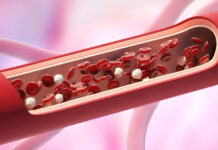
One of the most important reasons BV returns is something called a biofilm. Researchers have found that BV-associated bacteria, particularly Gardnerella vaginalis, can form a dense biofilm on the vaginal lining.
A biofilm is a structured community of bacteria surrounded by a protective matrix that sticks tightly to tissue surfaces. Think of it as a shield that helps bacteria hide from treatment. Antibiotics can successfully reduce bacterial overgrowth and relieve symptoms, but they may not completely penetrate the biofilm.
As a result, some bacteria remain protected even after treatment appears successful. Once antibiotic therapy ends, these surviving bacteria can multiply again and trigger another episode of BV. This understanding has changed how clinicians think about recurrent BV.
Standard treatment is often effective for bacteria floating freely within the vaginal environment, but biofilm-associated bacteria may require a different approach. That’s one reason healthcare providers sometimes recommend longer treatment courses or maintenance therapy for women who experience frequent recurrences.
Reason 2: Antibiotics Don’t Automatically Restore a Healthy Microbiome

Another major reason BV returns is that treatment doesn’t automatically rebuild the healthy vaginal microbiome. A healthy vagina is typically dominated by Lactobacillus species, including Lactobacillus crispatus and Lactobacillus iners. These beneficial bacteria help maintain an acidic vaginal environment and produce substances that suppress harmful microorganisms.
When BV develops, Lactobacillus populations decline while BV-associated bacteria increase. Antibiotics can reduce the overgrowth of harmful bacteria, but they don’t necessarily restore healthy Lactobacillus dominance.
After treatment, the microbiome must rebuild itself. For some women, this restoration happens naturally. For others, Lactobacillus levels remain low, creating an environment where BV-associated bacteria can return more easily.
Researchers also believe that some women may have microbiome characteristics that make it harder to maintain long-term Lactobacillus dominance. This appears to be a biological tendency rather than something a person can control through hygiene or lifestyle changes.
Reason 3: The Partner Factor and the 2025 Breakthrough Study
One of the most significant developments in BV research came in March 2025. A study found that treating male partners of women with recurrent BV reduced recurrence rates compared with treating women alone. Historically, BV has not been treated like a sexually transmitted infection.
Healthcare providers typically treated only the affected woman because earlier studies did not clearly show benefits from partner treatment. The 2025 findings challenged that approach. Researchers found that treating male partners with both oral and topical therapies helped reduce the likelihood of BV returning.
The results provide some of the strongest evidence yet that bacterial exchange between sexual partners contributes to recurrence. This does not mean BV is a traditional STI. BV can occur in women who have never had sex, and it also affects women with female partners.
However, the study suggests that for women in ongoing heterosexual relationships, untreated partners may serve as a source of re-exposure to BV-associated bacteria. The findings have already influenced clinical guidance, with updated recommendations encouraging healthcare providers to consider partner treatment in recurrent cases.
Condom use may also help reduce recurrence risk. Semen can temporarily raise vaginal pH, and unprotected sex may facilitate bacterial exchange that disrupts microbiome balance.
Read More: What Vaginal Discharge Color Says About Your Health
Other Factors That May Contribute to Recurrence

Several additional factors can increase the likelihood of recurrent BV.
Douching and Vaginal pH Disruption
Douching is strongly associated with BV and recurrent BV. Washing inside the vagina disrupts the natural balance of bacteria and changes vaginal pH. Healthcare professionals recommend avoiding douching entirely. The vagina is self-cleaning and does not require internal cleansing products.
Hormonal Changes
Hormones influence the vaginal microbiome. Estrogen supports Lactobacillus growth, helping maintain an acidic environment. Periods of lower estrogen, such as menopause, certain menstrual cycle phases, or some hormonal contraceptive methods, may make the vaginal environment more vulnerable to bacterial imbalance.
Antibiotic Resistance
Researchers are increasingly concerned about antibiotic resistance among BV-associated bacteria. Women who have received multiple courses of treatment may harbor bacteria that respond less effectively to standard medications, making future episodes harder to treat.
Racial and Ethnic Disparities
BV affects approximately 29% of women in the United States, but prevalence differs across populations. Research shows higher rates among Black and Hispanic women compared with White women. Experts believe these differences result from a combination of biological, social, environmental, and healthcare-related factors rather than any single cause.
What Helps Prevent BV From Coming Back?
If you’re experiencing recurrent BV, it’s important to discuss evidence-based options with your healthcare provider.
Extended or Maintenance Treatment
For recurrent BV, longer treatment strategies are often more effective than repeating standard antibiotic courses. One commonly recommended approach involves twice-weekly vaginal metronidazole gel for several months after initial treatment. Maintenance therapy may help suppress bacterial regrowth while the vaginal microbiome stabilizes.
Boric Acid as an Adjunct
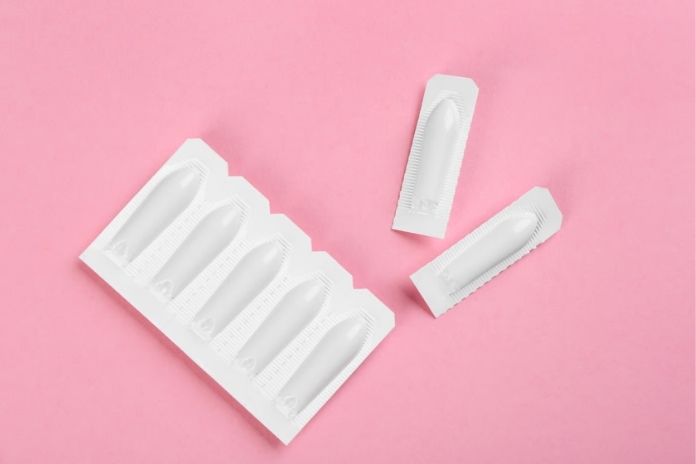
Boric acid vaginal suppositories are sometimes used alongside standard treatments, particularly in women with recurrent or treatment-resistant BV. Because boric acid is not appropriate for everyone and can be dangerous if used incorrectly, it should only be used under medical supervision.
Partner Treatment
Based on the 2025 findings, women in heterosexual relationships with recurrent BV should ask their healthcare provider whether partner treatment is appropriate. This represents one of the most important changes in BV management in recent years.
Condom Use
Consistent condom use may reduce exposure to semen-related pH changes and decrease bacterial exchange between partners. While condoms are not a guarantee against recurrence, evidence suggests they can be a helpful part of a broader prevention strategy.
Probiotic Support
Some studies suggest that Lactobacillus-based probiotics may help support microbiome restoration after treatment. The evidence is still evolving, and probiotics should not replace standard medical therapy. However, they may be a useful complementary approach for some women.
Avoid Douching
Among lifestyle-related factors, avoiding douching remains one of the strongest evidence-based recommendations for reducing recurrence risk.
Read More: Best Probiotics for Vaginal Health: Strains, Benefits, and How to Choose the Right One
The Bottom Line
Recurrent BV is not a personal failure. It is a complex biological condition influenced by bacterial biofilms, microbiome disruption, hormonal factors, and, in some cases, sexual partner re-exposure. While researchers continue to investigate the exact causes, recent advances, including improved understanding of biofilms and the groundbreaking 2025 partner-treatment study, are providing better tools for prevention and management.
Women experiencing frequent recurrences deserve individualized care, consideration of extended treatment options, and referral to a gynecologist when needed.
FAQs
Q. Is it normal for BV to keep coming back?
Yes. Recurrence is extremely common. Research suggests that 50% to 80% of women experience recurrent BV within 6 to 12 months after treatment. Biofilm persistence and incomplete restoration of healthy Lactobacillus bacteria appear to be the primary reasons. Women with repeated episodes should consider consulting a gynecologist rather than relying on repeated standard antibiotic courses alone.
Q. Can my partner give me BV back?
Possibly. A landmark 2025 study found that treating male partners reduced BV recurrence rates. While men do not develop BV themselves, they may carry bacteria associated with the condition and contribute to re-exposure.
Q. What is the best treatment for recurrent BV?
Recurrent BV often requires a different strategy than an initial episode. Extended or maintenance treatment, such as twice-weekly metronidazole gel, has strong evidence behind it.
References
- Bagnall, P., Rizzolo, D., & Austin, M. N. (2022). Bacterial vaginosis: A practical review. JAAPA, 35(4), 15–21.
- European Journal of Obstetrics & Gynecology and Reproductive Biology. (2026). Article S0301-2115(26)00113-2. Elsevier.
- Muzny, C. A., Sobel, J. D., Schwebke, J. R., & Taylor, C. M. (2023). Understanding and preventing recurrent bacterial vaginosis: Important considerations for clinicians. Clinical Microbiology Reviews, 36(2), e00079-22.
- Nature Partner Journals. (2025). Vaginal microbiome research and recurrent bacterial vaginosis. npj Biofilms and Microbiomes.
- Sterling Hospitals. (n.d.). How to maintain a healthy intimate balance: Simple tips.
In this Article