
















Does your ‘to-do’ list look like a ‘to-dread list? Or do your small tasks feel challenging to finish? This is common and happens to the best of us!
In today’s 24/7 work culture, where you’re always on the go, it’s easy to feel overwhelmed. We overconsume internet and digital content, emails flood our inboxes, and notifications must be attended to constantly. Additionally, we must be updated, tackle relationship struggles, and juggle between having personal space and caregiving, all of which take a toll on our mental health. This leads to an invisible challenge: emotional burnout. This mental and emotional exhaustion doesn’t drain your energy; it snatches your happiness away.
Read More: 18 Ways to Boost and Improve Mental Health For A Better Life.
You might be juggling deadlines, replying to late-night emails, attending meetings in the wee hours, and crushing it at work. However, a constant feeling of tiredness, irritability, and detachment always creeps in, making you feel vulnerable and depressed. This emotional exhaustion is not new to many people; it is just a stark reminder of our 24/7 stressful lives.
Emotional exhaustion is severe and can have profound implications if not treated promptly. To address the issue of emotional burnout, we must first understand the signs and symptoms. In this article, we will learn how to cope with burnout, work-life balance tips, and a few burnout recovery strategies that help promote mental well-being.
What Is Emotional Burnout?

Emotional burnout is much more than usual stress. It’s a state of chronic emotional and mental exhaustion characterized by feelings of apathy, irritability, and detachment. It differs from physical fatigue and stems from prolonged exposure to emotionally taxing situations.
Common signs of emotional burnout include:
- A feeling of constant fatigue despite getting proper rest.
- A lack of motivation or enthusiasm.
- Irritability and a short temper.
- Difficulty concentrating on fundamental and daily tasks.
- A sense of detachment from personal or professional life.
Read More: 14 Ways To Cope Up with Seasonal Depression For Sustained Mental Health
While stress might cause a brief mental fatigue, emotional burnout leaves you feeling completely depleted. Recognizing and addressing these symptoms is the first step toward recovery.
The Causes of Emotional Burnout

Emotional burnout doesn’t occur suddenly; it often worsens due to factors that build up over time. Understanding these causes allows you to identify triggers and take the necessary steps to combat them. Let’s explore the key causes of emotional burnout:
Work-Related Factors
When work creeps into your personal life, it can wreak havoc mentally. Long hours, tight deadlines, and the inability to disconnect from work are key factors for emotional burnout in working professionals. And, despite remote work being flexible, it blurs the line between professional and personal time and space, making it hard to switch off and relax.
Personal Life Pressures
You feel emotionally exhausted not just due to an improper work-life balance but also personal responsibilities. Caregiving responsibilities, financial struggles, and relationship challenges worsen your emotional burnout. Tackling all these challenges while you are at an emotional low can make the situation feel unsurmountable.
Digital Overload
The constantly connected world has its own drawbacks. Social media, which was designed to keep us updated, often encourages overconsumption of information, leading to digital overload and mental clutter. Negative news and a never-ending stream of notifications add to the digital overload. All these cause overstimulation and lead to stress and mental fatigue.
Read More: Emotional Burnout vs. Depression: How To Tell The Difference.
The Impact of Emotional Burnout
You are not right if you feel that emotional burnout simply makes you tired. The toll of emotional burnout extends far beyond tiredness. Its ripple effects touch every aspect of life:
- Mental Health: Emotional burnout makes you feel highly anxious, depressed, and hopeless. Emotional burnout can cloud your thinking, making it harder to focus or feel motivated. This leads to a vicious cycle of self-doubt and mental strain.
- Physical Health: When you struggle with emotional exhaustion, it leads to sleep disturbances, chronic fatigue, and a weakened immune system. Emotional burnout can go beyond and show up as physical symptoms like headaches, muscle tension, or digestive issues, further impacting overall well-being.
- Productivity: Your productivity takes a hit when you struggle emotionally. Continuous emotional burnout might make you an underperformer, as you miss deadlines, make errors, and lose interest in work you once enjoyed.
- Relationships: Emotional burnout significantly impacts your relationships with loved ones. You might strain connections with loved ones and coworkers due to irritability, short temper, and disengagement. The emotional toll can make you less empathetic and alert in conversations, creating distance in personal and professional relationships.
- Decision-Making Abilities: Emotional burnout leads to a mental fog, which reduces the ability to make sound judgments. Burnout compromises critical thinking, leading to impulsive decisions or an inability to make any decisions at all. This is either due to overthinking or overanalyzing or because of disinterest in tasks and decisions.
Read More: 10 Ways To Stop Emotional Eating – Know The Facts.
How to Cope with Emotional Burnout
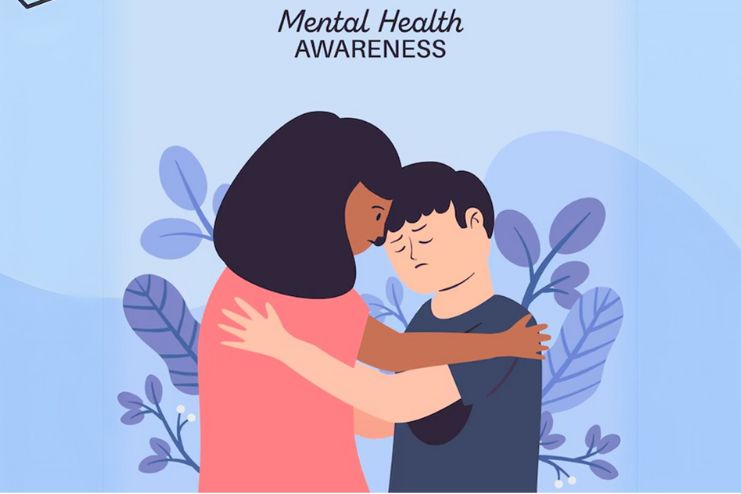
After understanding the signs and impact of emotional burnout, the next step is coping with it. Here’s how to cope with emotional burnout:
Recognize the Signs:
Common signs of emotional burnout are mood swings, becoming withdrawn, or being irritable and short-tempered. Other physical symptoms include fatigue, headaches, or sleep disturbances. Burnout can also affect your thinking, making you forgetful, unable to concentrate, or feeling mentally foggy. Behaviorally, you might become reclusive or resort to unhealthy coping behaviors such as overeating or caffeine/alcohol use. This might lead to performance decline, missing deadlines, or feeling inadequate even though you try. Self-awareness is key, as knowing the signs early can help you take the necessary steps toward recovery.
Set Boundaries:
Setting boundaries is essential. You must protect your time and energy. Try to limit work hours, schedule breaks, and unplug from digital devices during non-work hours. Saying no to additional commitments is not selfish—it’s necessary. Ensure you aren’t saying no to yourself before saying yes to others.
Read More: Why Saying No Can Be An Ultimate Self-Care Strategy.
Practice Self-Care:
Include stress-relief practices into your routine, such as:
- Exercise: Even a 20-minute walk can boost your mood.
- Mindfulness: Meditation or deep breathing can calm your mind.
- Hobbies: Engage in activities that bring you joy and relaxation.
You can also opt for a digital detox that helps you regain your mental health and helps you cope with emotional exhaustion.
Seek Professional Help:
Consult therapists and counselors to address and manage emotional burnout effectively. Professional guidance helps in severe cases, and do not hesitate to take help if needed.
Build a Support Network:
Build a strong support network on whom you can rely for help. If you feel emotionally exhausted, connect with optimistic people or friends whom you trust and take their advice. Sharing your experiences can lighten the emotional load and make you happier.
Preventing Emotional Burnout
A few practical steps can help prevent emotional burnout. Taking these steps proactively will help you have a calmer and happier mind:
- Consider establishing a routine that focuses on work-life balance. This will help you draw a line between your professional and personal lives and prevent unnecessary complications. Stick to professional commitments, but also find time to spend on personal growth and mental health.
- Schedule downtime and stick to it. Learn the art of relaxation. Doing nothing can sometimes be a great way to heal you mentally. Fix a time in your schedule to unwind, and stick to the same. Don’t let professional or personal commitments bother you during this time.
- Practice gratitude. This helps shift focus from stress to positivity. Being grateful for things you have achieved or been blessed with paves the way for abundance. This helps prevent mental burnout as you tend to focus more on the positive aspects of life.
- Reframe negative thoughts into positive affirmations to build a stronger mind. Negative thoughts are natural, and we all have them at some point. However, you must change them and affirm something positive each time you get stuck with a depressing thought. This will help you see things in a different light and pave the way for optimism.
Conclusion

Emotional burnout is a serious issue, but it’s not unavoidable. You can regain your mental and physical well-being by recognizing the signs, setting boundaries, and prioritizing self-care. Do not let the fast-paced, 24/7 world dictate your well-being. Take proper measures to protect yourself from falling into the emotional burnout trap.
If you’re feeling overwhelmed, know that you’re not alone. Several resources, ranging from digital platforms to in-person support, are available to help you cope with emotional burnout. Start by setting small and achievable targets for self-care. Do not shy away from seeking professional help when needed. You deserve not just to survive but to truly thrive and win every battle of your life!
Remember to take small steps and set the right goals. A happy mind gives you a happy life; make every moment count!
In this Article