





















Starting a weight loss journey begins with three evidence-based foundations: creating a modest calorie deficit through sustainable dietary changes, increasing physical activity gradually, and setting realistic, measurable goals.
Research consistently shows that sustainable weight loss averages 0.5 to 1 kg per week rather than rapid transformation. Approaches that combine nutrition, movement, sleep, and behavior change produce better long-term outcomes than restrictive dieting alone.
For people searching for how to start a weight loss journey, research shows that the starting point matters less than the strategy used. Most people who successfully lose weight and keep it off long-term did not begin with a perfect routine.
They started with manageable changes they could sustain consistently. Gradual habit changes are more effective than extreme short-term plans. The sections below explain the first steps most strongly linked to sustainable weight loss.
- Sustainable weight loss starts with small, realistic changes rather than extreme diets or intense workout plans.
- Research shows that a modest calorie deficit, regular movement, quality sleep, and consistent habits produce the best long-term results.
- Most experts recommend aiming to lose 0.5 to 1kg per week through gradual lifestyle changes that can be maintained over time.
Read More: Saving Calories for the Weekend: Does It Help or Hurt Your Health Goals?
Set a Realistic Target Before You Do Anything Else
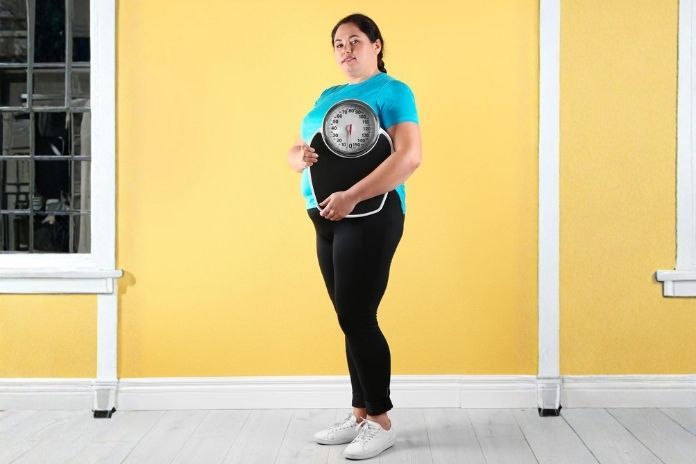
Many people abandon a weight loss plan because their expectations are unrealistic from the beginning. Research from the National Weight Control Registry and multiple clinical trials shows that specific and achievable goals improve long-term adherence.
For most adults, a sustainable rate of fat loss is around 0.5 to 1 kg (1 to 2 pounds) weekly. This usually requires a calorie deficit of roughly 500 calories per day through a combination of dietary changes and increased activity. Faster weight loss increases the risk of muscle loss, fatigue, nutrient deficiencies, and rebound regain.
The SMART framework is useful here: Specific, Measurable, Achievable, Relevant, and Time-bound. Instead of setting a vague goal like “lose weight,” a more effective target would be “lose 5 kg over 12 weeks by maintaining a moderate calorie deficit and exercising three times weekly.” Realistic goals create structure and reduce frustration early in the process.
Track What You Currently Eat Before Changing Anything
Tracking food intake is one of the strongest evidence-supported early steps in starting a weight loss journey. It should be viewed as an assessment tool, not a punishment. Studies consistently show that self-monitoring improves weight loss outcomes.
A 2019 study published in Obesity found that participants who tracked meals consistently lost significantly more weight than those who did not. Most people underestimate calorie intake, especially from snacks, drinks, and portion sizes. Tracking for one to two weeks provides a realistic baseline before making changes.
Tools like MyFitnessPal, Cronometer, or a handwritten food diary can all work effectively. Consistency matters more than the specific method. For many people, tracking becomes less necessary over time once portion awareness improves.
Build a Calorie Deficit Through Food Quality, Not Extreme Restriction

A calorie deficit is the foundation of fat loss, but the quality of that deficit matters for sustainability and appetite control. One of the most effective strategies is increasing protein intake. Protein improves satiety and requires more energy to digest compared with fats or carbohydrates.
The International Society of Sports Nutrition recommends around 1.2 to 1.6 g of protein per kilogram of body weight during a calorie deficit to help preserve muscle mass. Protein-rich breakfasts are also associated with lower calorie intake later in the day.
Increasing vegetables, legumes, fruits, and whole grains can also help create fullness without excessive calorie intake. These high-fiber foods slow digestion and improve satiety. Reducing ultra-processed foods is equally important. These foods are designed for overconsumption and contribute heavily to excess calorie intake.
Add Movement Gradually, Not All at Once

Exercise supports both weight loss and long-term weight maintenance, but research consistently shows that consistency matters more than intensity at the beginning. Starting with an aggressive workout routine often leads to injury, burnout, or abandonment. A gradual approach produces better long-term outcomes.
The World Health Organization recommends 150 to 300 minutes of moderate aerobic activity weekly alongside two resistance-training sessions.
For beginners, walking 20 to 30 minutes daily is a realistic starting point that can improve cardiovascular and metabolic health within weeks. Resistance training should also begin early because it helps preserve muscle mass during a calorie deficit. Maintaining muscle supports resting metabolic rate and reduces the risk of rebound weight gain.
Plan Meals to Remove Daily Decision-Making

Meal planning reduces decision fatigue, which is a major driver of poor food choices. When meals are decided at the point of hunger, convenience foods usually become the easiest option. Planning removes that variable.
A 2017 study in the International Journal of Behavioral Nutrition and Physical Activity found that meal planning was associated with better diet quality and lower obesity risk.
A practical strategy is planning meals for the upcoming week and shopping with a list based on that plan. Batch-cooking proteins such as eggs, lentils, tofu, or chicken can also reduce preparation time during busy days. The goal is to make healthier choices easier and more consistent.
Address Sleep and Stress — the Two Variables Most People Ignore
Sleep and stress directly affect appetite, cravings, and fat storage. Research shows that insufficient sleep increases ghrelin, the hormone that stimulates hunger, while reducing leptin, the hormone linked to fullness. Chronic stress raises cortisol levels, which can increase cravings for high-calorie foods and encourage visceral fat storage.
For people sleeping fewer than seven hours regularly, improving sleep quality may have more metabolic impact than minor dietary adjustments. Experts generally recommend seven to nine hours of sleep per night.
Consistent sleep timing also supports metabolic health and appetite regulation. Sleep is not simply a lifestyle bonus during weight loss; it is part of the biological process itself.
Build Sustainable Habits, Not a Temporary Diet
Long-term weight loss depends less on a specific diet and more on whether the habits involved are sustainable. Research from the National Weight Control Registry shows that people who maintain weight loss long-term typically share similar behaviors: consistent meal patterns, regular physical activity, and ongoing self-monitoring.
This is why extreme diets often fail. If an approach cannot realistically be maintained for years, it is unlikely to produce lasting results. A sustainable weight loss journey focuses on gradual behavioral change rather than perfection. Missing one workout or eating one high-calorie meal does not erase progress. Consistency across months matters far more than short-term intensity.
Read More: WFPB for Weight Loss Plateaus: Why “Healthy” Refined Grains May Be Stalling Your Progress
Conclusion
There is no perfect moment to begin a weight loss journey, and waiting for one often delays progress entirely. Research consistently supports the same foundations: a modest calorie deficit, gradual movement, better sleep, stress management, and sustainable habits rather than extreme restriction.
Starting with two or three manageable changes and applying them consistently produces better long-term outcomes than attempting a complete lifestyle overhaul that becomes impossible to maintain.
Frequently Asked Questions
Q. How quickly should you expect to lose weight at the start?
Most evidence supports aiming for 0.5 to 1 kg of weight loss weekly for sustainable fat reduction. Faster rates increase the risk of muscle loss and rebound gain. The first week may show larger-scale changes due to water loss rather than fat loss.
Q. Do you have to count calories to start a weight loss journey?
Not necessarily, but some form of food awareness helps significantly. Research shows people often underestimate intake. Alternatives include portion awareness, the plate method, meal planning, and reducing ultra-processed foods. For people with a history of disordered eating, strict calorie counting may not be appropriate, and guidance from a registered dietitian may help.
Q. How long does it take before you see results from a weight loss journey?
Scale weight may begin changing within weeks, but visible body composition changes usually take eight to twelve weeks of consistent effort. Internal improvements such as lower blood pressure, improved energy, and better sleep often appear earlier. Setting non-scale goals can make the process feel more rewarding during slower visual progress.
References
- Hall, K. D., & Kahan, S. (2018). Maintenance of lost weight and long-term management of obesity. The American Journal of Clinical Nutrition, 107(Supplement_1), 7–15.
- Molumphy, N., & Brock, S. (2024, August 12). How sleep deprivation affects your metabolic health. Stanford Lifestyle Medicine. Stanford Lifestyle Medicine
- Ducrot, P., Méjean, C., Aroumougame, V., Ibanez, G., Allès, B., Kesse-Guyot, E., Hercberg, S., & Péneau, S. (2017). Meal planning is associated with food variety, diet quality and body weight status in a large sample of French adults. International Journal of Behavioral Nutrition and Physical Activity, 14(1), 12.
- Results Gym Alexandria. (n.d.). Daily cardio routine. Results Gym Alexandria
- WebMD Calorie Deficit Guide. (n.d.). Calorie deficit: What it is and how it works. WebMD. Kumospace. (n.d.). SMART goals framework guide.
In this Article