














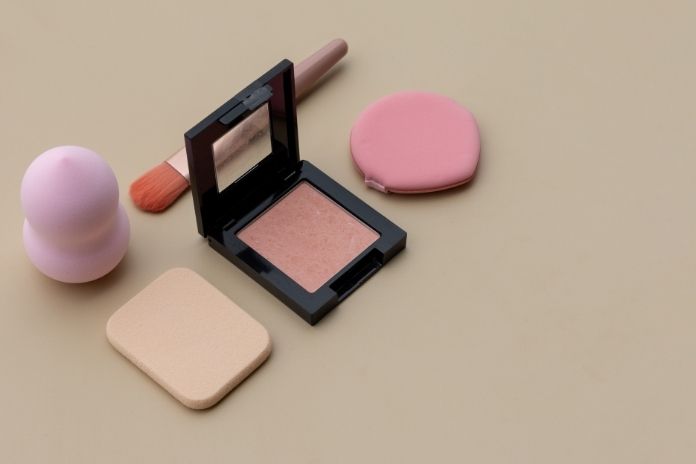
If you’ve ever wondered how often to change your makeup sponge, you’re already thinking about the right thing. The hygiene of makeup sponges is one of the most overlooked steps in a beauty routine.
We spend considerable time choosing the perfect foundation or blending technique. However, the tool we come into physical contact with every day often gets ignored until it starts looking questionable.
Here’s the truth: makeup sponges are like little product magnets. They pull in foundation, concealer, oils, dead skin cells, and moisture every time you use them. And where there’s moisture combined with product buildup, there’s also the perfect environment for bacteria in makeup sponges to multiply.
Research shows that damp beauty blenders can harbor harmful microbes if not cleaned or replaced on time. This is why dermatologists constantly emphasize makeup tools’ hygiene.
Poor hygiene doesn’t just affect the look of your makeup application. It can lead to acne, irritation, fungal issues, and breakouts. On the other hand, replacing it often keeps your skin healthier, and the makeup finish is much better.
Quick Preview: Most experts agree that one should replace their beauty blender once every 1–3 months, depending on how frequently they use and clean it.
Read More: Why Your Moisturizer Isn’t Working (And How to Layer Skincare the Right Way)
How Often Should You Replace Your Makeup Sponge?
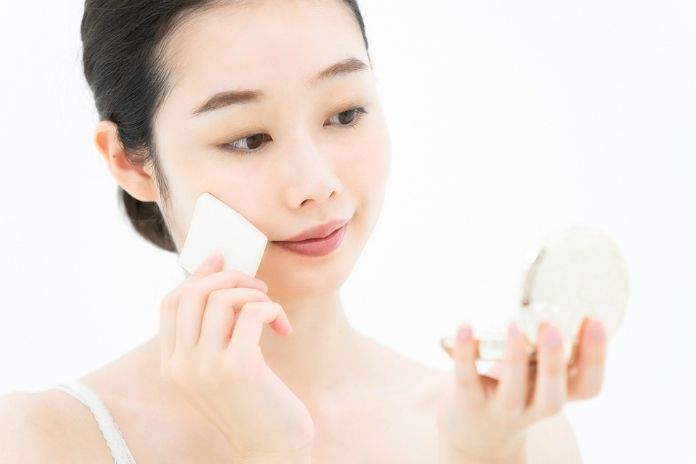
If you’re wondering when to replace a makeup sponge, here’s a clear answer: every 1-3 months. This range fits most skin types, makeup habits, and sponge styles.
But the timeline for replacing them depends on personal use, as not everyone uses their sponge in the same way.
Replace Every 4–6 Weeks If You:
- Use your sponge daily.
- Prefer liquid or cream formulas.
- Suffer from acne-prone or sensitive skin.
- Don’t wash your sponge after each use.
- Notice frequent staining or trapped foundation.
- Store it in a pouch, drawer, or airtight bag.
When you use it daily, the moisture can lead to faster bacterial growth. So if your sponge is used every morning, a shorter beauty blender replacement time keeps your skin safer.
Replace Every 8–12 Weeks If You:
- Use your sponge only a few times a week.
- Clean it properly after each use.
- Deep-clean it once a week.
- Always completely dry in the air.
- Keep it in a clean and well-ventilated area
When cared for well, this is typically how long a beauty sponge lasts before hygiene or performance starts dropping.
Think of sponge replacement like brushing your teeth. It is a small habit that protects your skin in the long run.
Read More: Why Your Moisturizer Isn’t Working (And How to Layer Skincare the Right Way)
Why Makeup Sponges Need Frequent Replacing
When you understand why frequent replacement is necessary, it gives you more confidence in your beauty routine. Here are a few reasons that make it necessary to replace the sponge often:
1. Bacterial Growth
Makeup sponges stay damp after use, especially when used wet, as most people prefer. That dampness, along with warmth and makeup residue, acts as a prime breeding ground for bacteria.
Studies on beauty sponge cleanliness, including research on beauty blenders’ microbial load, show that used sponges commonly contain acne-triggering bacteria if not cleaned well. This can contribute to:
- Breakouts
- Whiteheads
- Blackheads
- Skin infections
Even if you clean your sponge often, bacteria can get deeper into the material over time. This is one of the reasons to change your makeup sponge.
2. Mold Risk
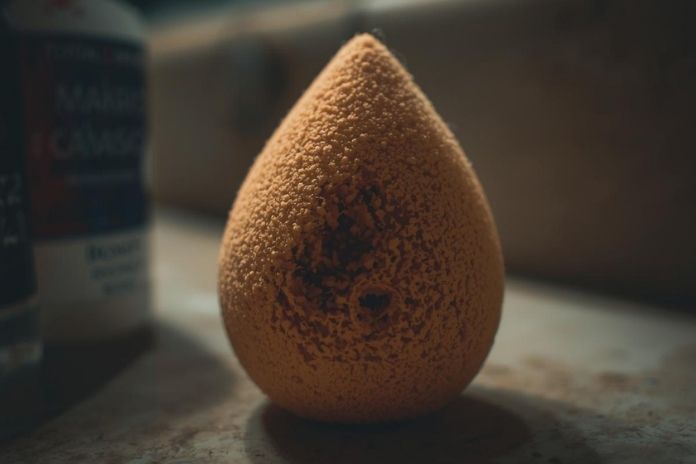
Here’s the scary part that many people never consider. Mold can grow inside a makeup sponge. You may not see it on the surface, but internal mold can appear if your sponge stays damp in closed spaces. These can be drawers, makeup bags, boxes, or containers.
If you’ve ever cut open a sponge and noticed dark patches, that’s exactly why. Any sign of mold on a makeup sponge indicates it must be thrown away immediately.
3. Product Build-Up
Products such as the foundation, concealer, sunscreen, oils, and powders layer up inside the sponge with prolonged use. Even with regular makeup sponge cleaning, some of this residue settles permanently. Over time, this affects:
- Blending capability
- Bounce
- Smoothness
- Even application
A saturated sponge stops performing like it used to and starts leaving streaks or patches. This is one of the clearest early signs that your makeup sponge has expired.
4. Sponge Breakdown Over Time
No sponge is made to last forever. Repeated squeezing, washing, and blending wear down the fibers. Over time, you may notice:
- Small tears
- Cracks
- Uneven texture
- Loss of elasticity
- Stiffness or too much softness
Once the breakdown starts, bacteria get trapped in those tiny tears. Moreover, no amount of soap can fully eliminate them.
Read More: Detoxifying Face Masks: The Top 5 Options for Clearer, Healthier Skin
Signs It’s Time to Replace Your Makeup Sponge
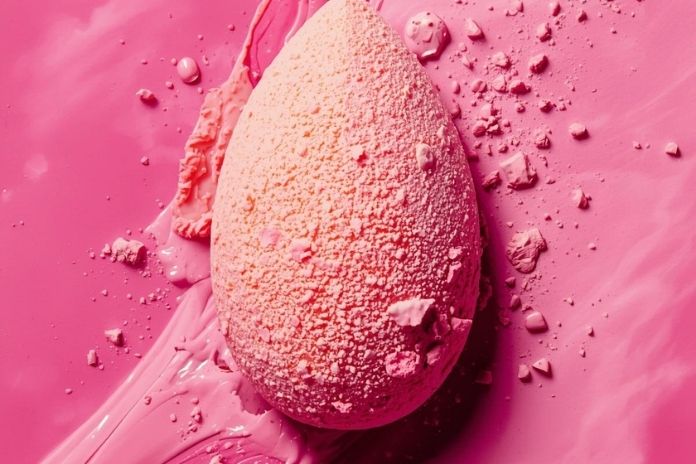
Even if you clean regularly, certain signs indicate exactly when to replace your makeup sponge. These are the most reliable indicators that your sponge has expired and is unsafe to use:
- Visible tears or cracks mean bacteria hide inside the damaged fibers.
- An odd or sour smell indicates bacteria or mold growth inside.
- Heavy discoloration, which indicates excessive product accumulation.
- A greasy, tacky, or slick sensation happens due to entrapped oils and bacteria.
- Texture changes can also be observed, which include the sponge getting too soft, too dense, uneven, or rubbery.
- Dark spots of black, green, or grey colors signal classic mold patches.
- Patchy or uneven application indicates the sponge is no longer performing well.
If you see any of these, do not think ‘let me replace it later’. It’s time to discard the sponge right away.
How Frequently Do You Have to Clean the Makeup Sponge?
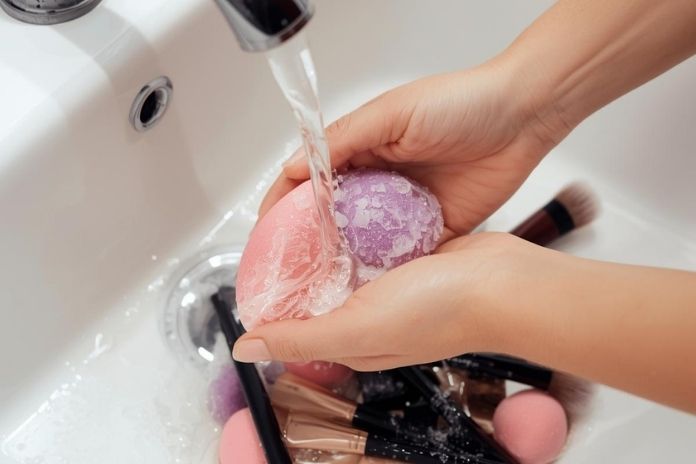
Cleaning matters almost as much as replacing. Proper makeup sponge cleaning is what determines how long a beauty sponge lasts and reduces bacterial buildup.
Daily Quick Clean: After Every Use
A quick cleanse removes surface-level product, limiting bacterial growth.
Weekly: Deep Clean
The complete wash to eliminate the trapped makeup, oils, and microbial buildup.
Mild cleansers you can use:
- Baby shampoo
- Dedicated sponge cleaner
- Mild face-safe soap
Avoid:
- Bleach
- Strong detergents
- Alcohol
These break down sponge fibers and reduce replacement time.
“Sponges should be cleaned after every use,” says Dr. Cynthia Bailey, a dermatologist and skin wellness blogger.
Cleaning won’t make your sponge last forever. However, it does keep your makeup sponge hygiene on track.
When You Should Replace Your Makeup Sponge Immediately- Do Not Wait
Certain situations call for the urgent replacement of a makeup sponge, regardless of how recently you bought it.
Replace immediately if:
- You had a skin infection, cold sore, or active acne breakout.
- You notice even the tiniest dot of mold on the makeup sponge.
- Your sponge was left damp in a bag or drawer for days.
- It came into contact with something unclean, such as a sink, floor, or the inside of a handbag.
- It smells musty, sour, or rotten.
- Feels slimy even after cleaning.
These signs could indicate contamination that cannot be fixed. Throw it away, and your skin will thank you.
Read More: Top 10 Skincare Ingredients for Radiant and Healthy Skin
Final Summary
To keep both your skin and your makeup routine healthy:
- Replace your makeup sponge every 1-3 months for optimal performance.
- Clean it daily and deep-clean weekly.
- Store in a well-ventilated area, away from moisture and direct sunlight.
- Watch for signs that your makeup sponge is expired. Look for tears, odor, mold, or patchy blending.
- Replace immediately if contaminated or moldy.
Good makeup sponge hygiene is truly one of the easiest ways to maintain clearer skin and flawless makeup. Treat your sponge like your skincare, because anything that touches your skin daily deserves ultimate care.
References
- https://www.aad.org/public/everyday-care/skin-care-secrets/prevent-skin-problems/replace-makeup-sunscreen
- https://www.rmsbeauty.com/blogs/news/how-to-clean-a-makeup-sponge
- https://beautyblender.com/blogs/beauty-101/when-to-replace-your-beautyblender
- https://beautyblender.com/blogs/beauty-101/best-makeup-sponge-hacks-for-flawless-skin
- https://bocajbeauty.com/can-makeup-sponges-go-moldy-understanding-the-risks-and-prevention
- https://buycosmetics.cy/when-to-replace-your-foundation-sponge-hygiene-tips-for-better-skin/
- https://beautyblender.com/blogs/beauty-101/how-long-to-use-a-makeup-sponge
- https://beautyblender.com/blogs/beauty-101/best-makeup-sponge-hacks-for-flawless-skin
In this Article