













Most people use the term gastritis to refer to almost anything happening in the stomach. Little burning after food? Gastritis. Feeling bloated? Gastritis. Some gas after eating spicy food? Again gastritis.
But actual gastritis is a little different. It means the stomach lining has become inflamed or irritated. Sometimes only mild irritation. Sometimes enough damage to cause ulcers later. The symptoms may look almost the same. The treatment may be completely different.
That is why understanding the cause matters much more than collecting random home remedies from internet articles.
- Gastritis means inflammation or damage to the stomach lining.
- H. pylori infection is the most common cause worldwide.
- H. pylori infection needs antibiotic treatment, not just home remedies. Finding the cause is usually more important than finding another remedy.
What Is Gastritis, And Why Does The Cause Matter More Than The Symptoms
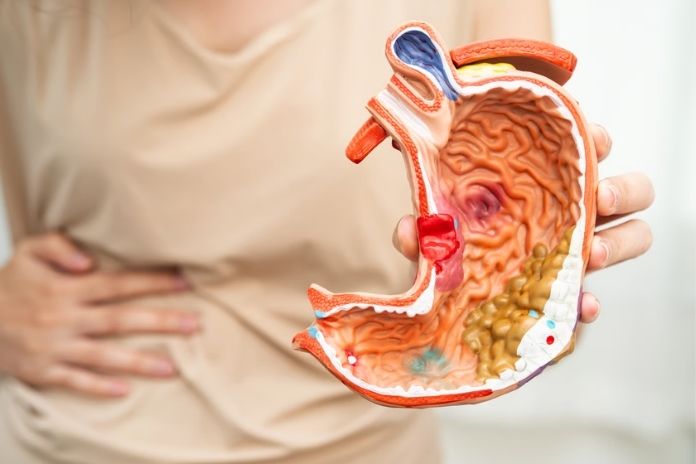
Gastritis means inflammation of the stomach lining. The problem is that the causes and symptoms of gastritis are not the same for every person. This is where many articles on gastritis become confusing. They give one list of foods to eat and one list to avoid, as if all gastritis patients have the same symptoms.
Sometimes, gastritis appears suddenly. Maybe after heavy alcohol intake. Maybe after medicines. Doctors call this acute gastritis.
Sometimes it develops slowly over the years. This is chronic gastritis. The stomach keeps getting irritated. Symptoms come and go. It can be mistaken for acidity; however, the actual underlying problem remains unknown for a long time.
The Three Main Causes And The One Most People Do Not Know About
“Gastritis is a condition that has many potential causes,” said Dr. Kevin Liu, MD, a gastroenterologist.
H. pylori Infection
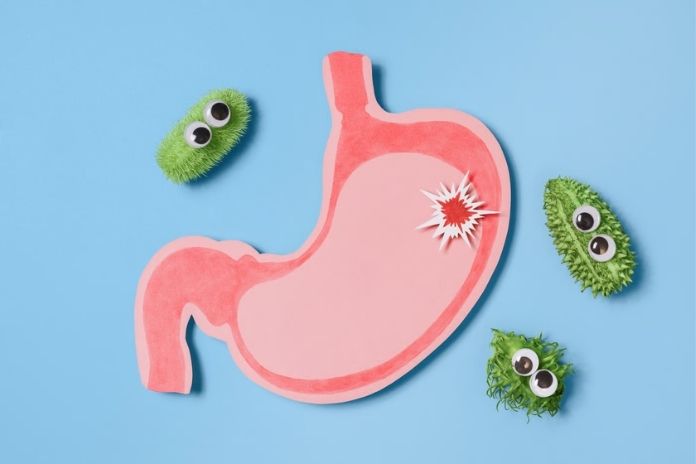
According to Dr. Erick Alayo, a gastroenterologist, infection by Helicobacter pylori (H. pylori) bacteria is the most common cause of gastritis. The strange thing about H. pylori is that it can live in the stomach for years. Sometimes it causes no major symptoms, and sometimes occasional discomfort.
Meanwhile, the bacteria continue to irritate the stomach lining. Ulcers and the risk of stomach cancer also become higher when the infection remains untreated for years.
And this is also why home remedies are not enough. If H. pylori is present, proper antibiotic treatment is needed.
Regular NSAID Use
This is another cause many people miss. Especially older adults. They take ibuprofen for knee pain. Naproxen for back pain. Aspirin for different reasons. At first, everything seems normal.
Then the stomach starts acting up. The stomach has protective mechanisms that help it defend itself from its own acid. NSAID medicines interfere with those protective mechanisms.
The protection becomes weaker gradually. Acid causes increasing irritation, leading to gastritis. Some people keep increasing antacids without realizing that the medicine causing the problem is still being taken every day.
Alcohol
For some people, even one evening of heavy drinking can cause burning, nausea, and stomach irritation the next day. Regular excess alcohol can keep irritating the stomach lining again and again.
The stomach never really gets enough time to recover. Symptoms may settle after alcohol is reduced. Sometimes quite quickly.
Autoimmune Gastritis
This one is less common. Many people with gastritis never have it.
In autoimmune gastritis, the body’s immune system mistakenly attacks stomach cells. The cells being damaged are important because they help produce stomach acid and help absorb vitamin B12.
Over time, vitamin B12 deficiency may develop. Some people eventually develop a condition called pernicious anemia. Doctors also monitor these patients more closely because long-term cancer risk is higher than normal.
Symptoms: Including The Warning Signs People Should Never Ignore

The symptoms of gastritis are not very dramatic in many people. That is one reason why people ignore them. Common symptoms include:
- Upper stomach burning
- Nausea
- Bloating
- Burping more than usual
- Feeling full very quickly
- Reduced appetite
- Mild stomach pain
- Occasional vomiting
The tricky thing is, these symptoms are not unique to gastritis. Acid reflux can cause similar complaints. Ulcers can cause similar complaints. Even gallbladder problems sometimes confuse the picture. That is why symptoms alone don’t always give the answer.
The Symptoms That Are Not “Normal Gastritis”
Some symptoms should immediately prompt a change in the conversation. Not “which food should I avoid?” Not “which home remedy should I try?” Instead, the question becomes “how quickly should I see a doctor?”
Black Or Tarry Stools
People sometimes describe it as very dark stool. Sticky. Black. Almost like tar. This can mean bleeding is happening somewhere in the upper digestive tract.
Stomach bleeding is not a home treatment situation. Medical assessment is needed urgently.
Vomiting Blood
Sometimes bright red. Sometimes dark and looking like coffee grounds. Both need emergency medical attention.
Sudden Severe Upper Abdominal Pain
Most gastritis pain comes and goes. It annoys people. It rarely makes them double over in severe pain.
If severe pain suddenly appears, doctors need to rule out more serious problems, such as complications from ulcers.
Unexplained Weight Loss
Many stomach conditions can affect appetite. But losing weight without trying, while stomach symptoms continue, deserves proper investigation.
Bloating is one thing. Black stools are a completely different category. They should never be treated as ordinary symptoms of gastritis.
How Gastritis Is Diagnosed
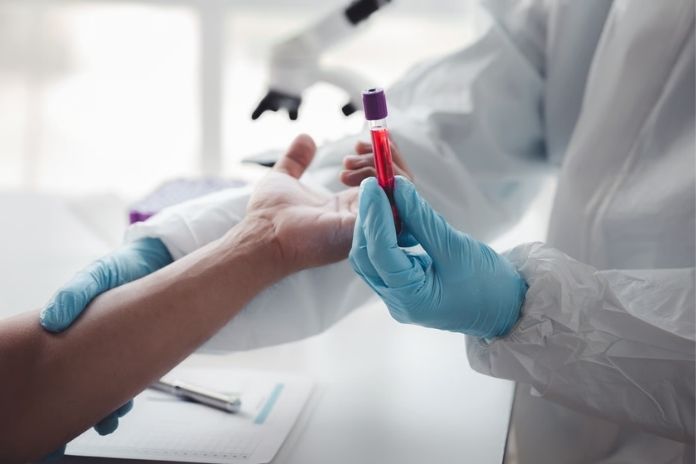
If H. pylori is suspected, doctors often start with non-invasive tests. The urea breath test is commonly used. The stool antigen test is also very accurate. Neither requires endoscopy nor hospital admission.
Blood tests used to be more common. The problem is that antibodies can stay positive long after the infection has already been treated.
For people with persistent symptoms, doctors may recommend an endoscopy. Many patients get nervous hearing this. Understandable.
But endoscopy often gives answers that symptoms alone cannot. The doctor can actually see the stomach lining. They can see irritation. Ulcers. Bleeding areas. Suspicious changes.
Small samples called biopsies can also be taken. Those samples help show what kind of gastritis is present. Because again, not all gastritis is the same thing. H. pylori gastritis looks different from autoimmune gastritis.
Treatment: What Actually Works

This is probably where most confusion exists. People often ask for one treatment. One diet. One remedy. One supplement.
Gastritis usually doesn’t work that way. The treatment depends on what started the problem.
If H. pylori Is The Cause
Then the infection needs treatment. This means antibiotics combined with a proton pump inhibitor medicine. Usually for around 10 to 14 days.
Years ago, doctors often prescribed similar antibiotic combinations to almost everyone. Now things are becoming more complicated because resistance has increased. Some antibiotics that worked very well in the past do not work as reliably today.
That is one reason doctors pay more attention to local resistance patterns than they did years ago. Another thing many patients don’t realize: Symptoms can improve while the infection remains. That is why follow-up testing is often recommended after treatment.
If NSAIDs Are Causing The Problem
Then the stomach keeps getting injured every day the medicine continues. This doesn’t mean everyone should suddenly stop prescribed medicines. But it does mean that discussing alternatives with the doctor becomes important.
Sometimes the dose can be changed. Sometimes another medicine can be used. Sometimes stomach-protecting treatment is added.
Proton pump inhibitors are commonly used because they reduce acid production and give the stomach lining a chance to heal.
Lifestyle-Related Gastritis
This category gets the most attention online. Probably because it sounds easier. And yes, lifestyle changes can genuinely help. Especially if alcohol, irregular eating habits, or food triggers are involved.
But people sometimes overestimate how much lifestyle changes can do when a bacterial infection is sitting underneath everything.
That is where disappointment happens. A person follows a strict diet for months. Symptoms improve a little. Then return. Because the actual cause was never treated.
The stomach lining can heal. But only when the thing damaging it is also dealt with.
Diet And Lifestyle: What Helps And What The Evidence Does Not Support
This is usually the first thing people search for. “What should I eat?” “What should I stop eating?” Sometimes the internet makes a gastritis diet look impossible. No dairy. No gluten. No coffee. No spices. No citrus.
After reading some lists, it feels easier to ask what is left to eat. The reality is usually less dramatic. For most people, there is no universal gastritis diet. Different people react differently. One person drinks coffee and feels normal.
Another gets a burning sensation within thirty minutes. One person eats spicy food without trouble. Another regrets it the whole evening. That is why paying attention to personal triggers is often more useful than blindly following long lists of restrictions.
Smaller Meals Usually Help
Many people notice this themselves before any doctor tells them. Large meals often make symptoms worse. The stomach stretches more. More acid gets produced.
Pressure increases. Symptoms become more noticeable. Smaller meals don’t cure gastritis. But they often make daily life easier while the stomach is healing.
Alcohol Is Worth Looking At Honestly
People sometimes focus on tiny dietary details while ignoring alcohol completely. But alcohol can be a direct irritant. For some people, reducing alcohol helps more than removing five different foods from the diet.
Not always. But often enough that it deserves attention.
Be Careful With NSAIDs
This is technically not diet advice. Still important. Many people spend months trying dietary changes while continuing the medicine that may be causing the problem.
If ibuprofen, naproxen, or similar medicines are involved, discussing alternatives with a doctor can sometimes make a bigger difference than any food change.
Foods That Have Some Evidence
Broccoli sprouts are one example. Researchers became interested in them because they contain sulforaphane. Some studies suggest sulforaphane may help suppress H. pylori activity.
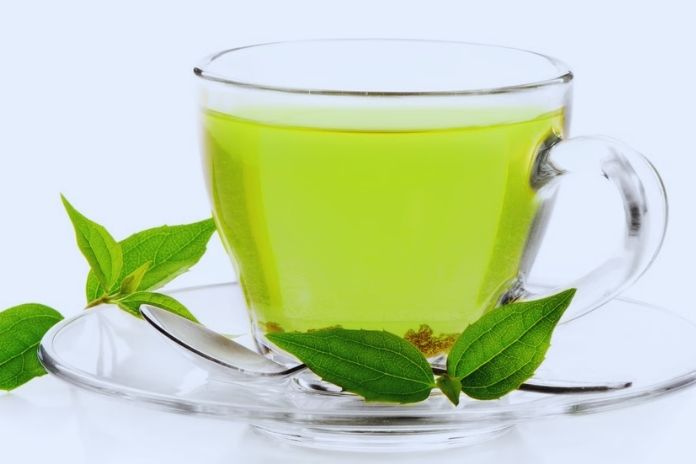
Green tea has also attracted interest. Some compounds inside green tea appear to affect H. pylori in laboratory studies. But neither broccoli sprouts nor green tea removes H. pylori infection the way antibiotics do. They are not a replacement treatment.
Things That Get Repeated Without Much Evidence
The internet loves home remedies. Some get copied so many times that people assume there must be strong research behind them. Often it doesn’t.
Parsley root tea is a good example. You will find it recommended in many places. Finding good clinical evidence for it is much harder. The same thing happens with dozens of traditional remedies.
Some may make people feel better. That is possible. But feeling better and treating gastritis are not always the same thing. That difference gets lost online quite often.
What About Dairy And Gluten?
One of the strangest things online is seeing dairy and gluten removed from almost every gastritis diet. For most people, there is no reason.
Lactose avoidance makes sense for lactose intolerance. Gluten avoidance makes sense for coeliac disease. Neither is standard treatment for gastritis itself.
Unnecessarily removing foods can sometimes make eating more stressful without much improvement in symptoms.
Read More: Stomach Ache or Something Else? How to Tell Pancreatitis from Common Digestive Problems
When To See A Doctor And When Not To Self-Manage
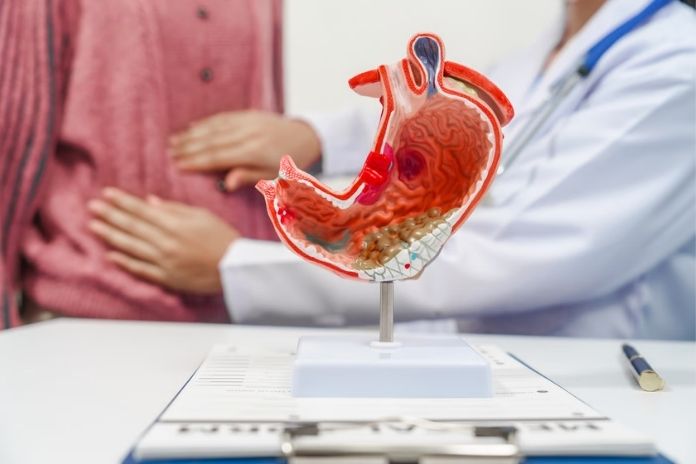
Not every stomach symptom needs scans and specialist appointments. But if symptoms persist for weeks, something else may be going on, such as H. pylori, medication-related irritation, or another digestive condition entirely.
See a doctor if:
- Symptoms continue beyond two weeks
- Gastritis keeps returning
- You regularly use NSAID painkillers
- There is a family history of stomach cancer
- New stomach symptoms appear later in life
- Appetite keeps falling
- Weight loss starts happening without trying
The biggest mistake many people make is assuming all stomach discomfort is just acidity. Sometimes it is. Sometimes it isn’t.
Situations That Need Urgent Care
Some symptoms belong in a completely different category. Black tarry stools. Vomiting blood. Sudden severe upper abdominal pain. These are not symptoms to watch for over the next week while drinking herbal tea.
Medical assessment is needed quickly. The reason doctors take these symptoms seriously is that they can signal bleeding ulcers or other complications.
Read More: Best Antihistamines for Hay Fever: Which One Is Right for You?
Conclusion
Gastritis sounds simple when people first hear the word. In reality, there can be very different reasons behind it. For many people, the actual problem is H. pylori infection. Others develop gastritis because of NSAID medicines, alcohol, or autoimmune conditions. Home remedies never replace proper diagnosis. Once the real cause is identified, treatment becomes much more effective, and long-term complications become easier to prevent.
Read More: Still Gaining Weight on Levothyroxine? Here’s What Doctors Know
- Gastritis is really the result of several different problems, not a single disease with a single solution.
- Many people with H. pylori infection do not realize they have it because symptoms can stay mild for years.
- Black stools and vomiting blood should never be treated as routine symptoms of gastritis.
- Many popular gastritis remedies online have very little clinical research to back them, despite being widely repeated.
- One growing challenge doctors face now is antibiotic resistance in H. pylori, which is changing treatment decisions in many places.
FAQs
1. What is the most common cause of gastritis?
The most common cause of gastritis worldwide is Helicobacter pylori infection. This bacterium colonizes the stomach lining and can persist for years without symptoms. Regular NSAID use, including ibuprofen and aspirin, is another major cause frequently seen in clinical practice.
2. Can gastritis be cured at home?
Some mild cases of gastritis may improve with home care, but not all can be cured without medical treatment. Gastritis caused by Helicobacter pylori requires antibiotics to eliminate the infection. An untreated infection can lead to persistent inflammation and increase the risk of ulcers over time.
3. How long does gastritis last?
Gastritis duration depends on the underlying cause and treatment. Acute gastritis from irritants like alcohol or food may resolve within days. Chronic gastritis can persist for months or years if causes such as Helicobacter pylori infection or NSAID use remain untreated.
References
- Gwee, K.-A., Goh, V., Lima, G., & Setia, S. (2018). Coprescribing proton-pump inhibitors with nonsteroidal anti-inflammatory drugs: risks versus benefits. Journal of Pain Research, Volume 11(11), 361–374.
- Haristoy, X., Angioi-Duprez, K., Duprez, A., & Lozniewski, A. (2003). Efficacyof Sulforaphane in EradicatingHelicobacter pyloriin HumanGastric Xenografts Implanted in NudeMice. Antimicrobial Agents and Chemotherapy, 47(12), 3982–3984.
- Kulnigg-Dabsch, S. (2016). Autoimmune gastritis. Wiener Medizinische Wochenschrift, 166(13-14), 424–430.
- Sohail, R., Mathew, M., Patel, K. K., Reddy, S. A., Haider, Z., Naria, M., Habib, A., Abdin, Z. U., Razzaq Chaudhry, W., & Akbar, A. (2023). Effects of Non-steroidal Anti-inflammatory Drugs (NSAIDs) and Gastroprotective NSAIDs on the Gastrointestinal Tract: A Narrative Review. Cureus, 15(4).
- Stoicov, C., Saffari, R., & Houghton, J. (2009). Green tea inhibits Helicobacter growth in vivo and in vitro. International Journal of Antimicrobial Agents, 33(5), 473–478.
In this Article