















Did you know that a simple mineral deficiency could be making you feel tired, weak, and more susceptible to infections? Copper, though needed in only trace amounts, is absolutely essential for your body’s optimal function.
Copper is an essential mineral that plays a crucial role in your body’s health. Working alongside iron, copper helps produce red blood cells and supports numerous vital functions.
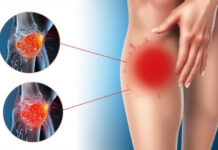
While your body only needs small amounts of this mineral, a deficiency can lead to serious health problems, including anemia, thyroid issues, irregular heartbeat, and loss of skin pigmentation. Copper also strengthens your immune system, helps reduce signs of aging, and promotes healthy bones.
The good news is that you can easily meet your daily copper requirements through a well-balanced diet. Many common foods contain significant amounts of copper, making it simple to prevent deficiency and maintain optimal health.
Read More: Pediatric Anemia Solutions: 5 Child-Friendly Supplements for Iron Deficiency
Why Copper Matters for Your Health
Beyond its role in red blood cell production, copper serves several important functions in your body. It helps produce collagen, supports proper nerve function, and offers numerous health benefits that make it essential for overall wellness.
1. Strengthens Your Immune System
Copper deficiency can lead to a condition called neutropenia, where your body fails to produce adequate white blood cells. Without enough white blood cells, your immune system becomes compromised, leaving you vulnerable to infections and illness.
2. Fights Signs of Aging
Thanks to its antioxidant properties, copper helps reduce age spots and wrinkles. This makes it valuable not just for internal health, but for maintaining youthful-looking skin as well.
3. Promotes Strong Bones
Since copper aids in collagen production, it plays a vital role in maintaining bone health. Strong collagen means stronger, healthier bones throughout your life.
4. Supports Brain Function
Research shows that adequate copper intake promotes better mental functioning and higher-level thinking processes. Copper helps enable neural pathways that support creative, out-of-the-box thinking. This is especially important for growing children, as copper deficiency during development can impair proper nerve and brain development.
5. Maintains Energy Levels
Copper helps synthesize ATP (adenosine triphosphate), your body’s primary energy storage molecule. When you’re copper deficient, your mitochondria—the cell’s energy producers—can’t generate sufficient ATP, leading to fatigue and lethargy. Additionally, copper helps your body properly utilize iron, reducing anemia and supporting better energy management.
Read More: Relationship Between Vitamin Deficiency and Diabetes
Top Foods Rich in Copper
Including these copper-rich foods in your diet will help ensure you meet your daily requirements and avoid deficiency-related health issues.
1. Seafood
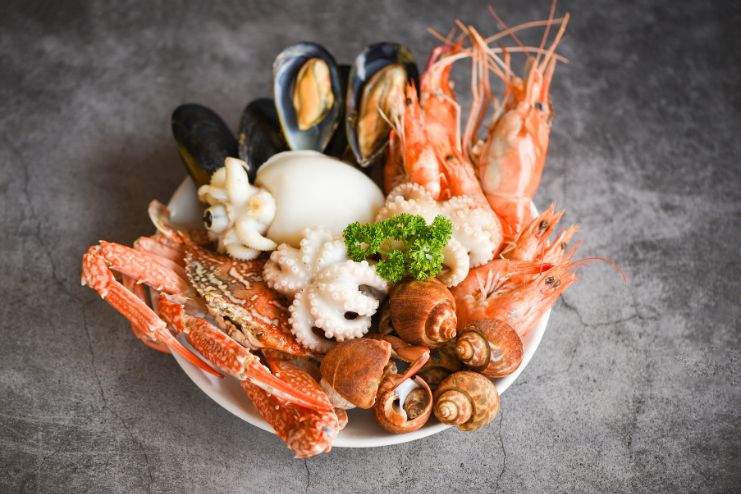
Most seafood contains high levels of copper, making it an excellent dietary choice. Great options include tuna, lobster, squid (calamari), haddock, salmon, and sardines. However, oysters stand out as the richest source of copper among all seafood varieties.
2. Meat
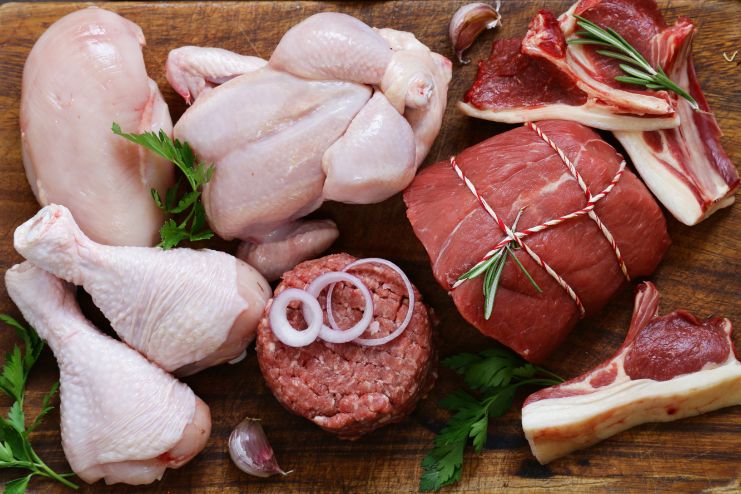
While meat is well-known for its protein content, many people don’t realize it’s also rich in copper. Pork, beef, turkey, chicken, and organ meats like liver all provide substantial amounts of this essential mineral. Veal liver contains the highest concentration of copper among meat products.
3. Eggs
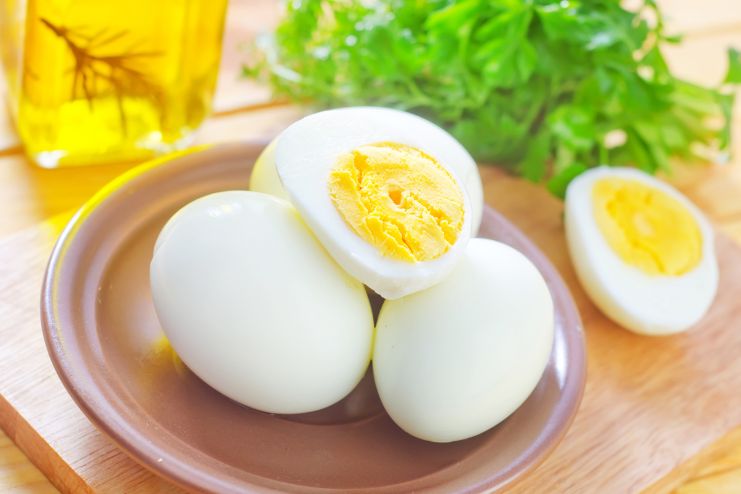
Egg yolks contain modest amounts of copper. If you don’t eat meat but can include eggs in your diet, they’re a good way to boost your copper intake while enjoying their many other nutritional benefits.
Read More: Top 3 At-Home Vitamin Deficiency Tests for Better Wellness
4. Herbs and Spices
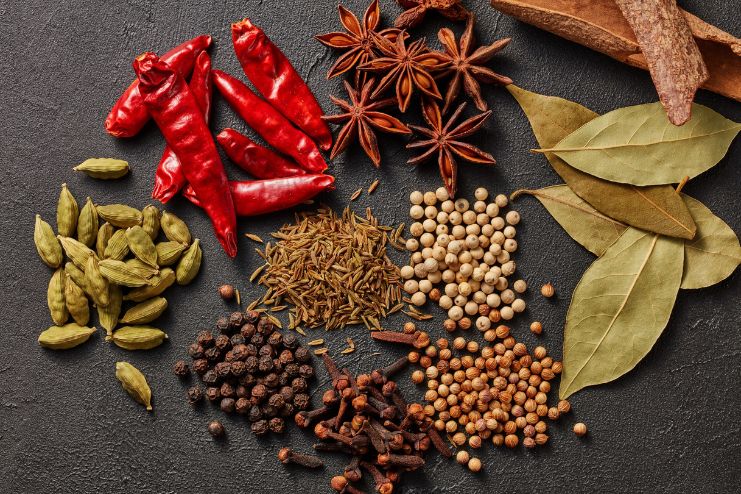
Many common spices and herbs can help increase your copper levels. These include chili powder, mustard, cloves, cumin, celery seeds, spearmint, saffron, dill, coriander leaf, curry powder, and onion powder. Dried herbs like thyme, chervil, tarragon, and marjoram also provide copper in smaller amounts.
5. Sun-Dried Tomatoes
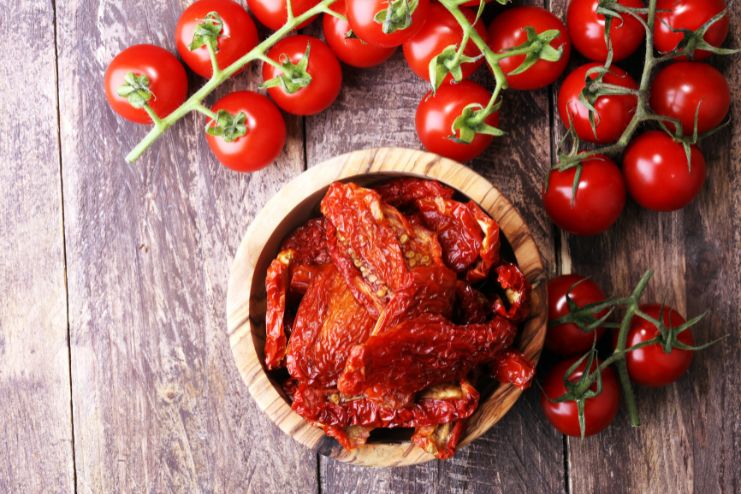
Sun-dried tomatoes have long been recognized as an excellent source of copper. They also provide potassium and iron, making them a nutritious addition to sauces, pizzas, and salads.
6. Nuts
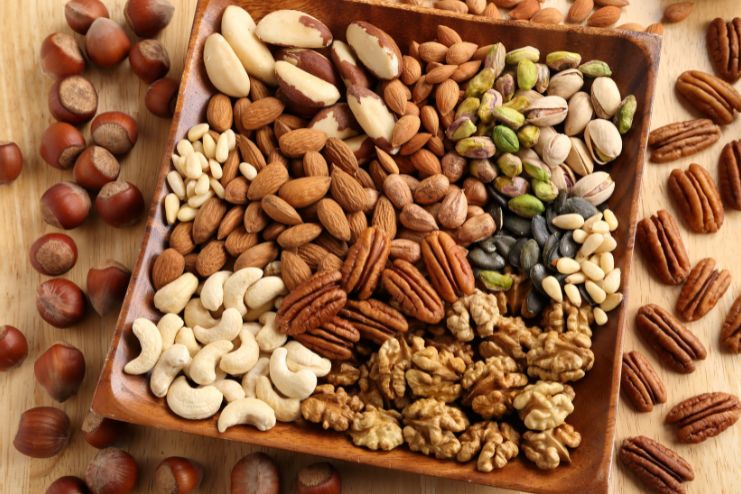
Nuts offer multiple health benefits, and many varieties are high in copper. Peanuts, almonds, pistachios, cashews, hazelnuts, pine nuts, and walnuts all provide both copper and iron. These nuts also contain omega-3 fatty acids, which promote healthy hair, skin, and nails.
7. Beverages
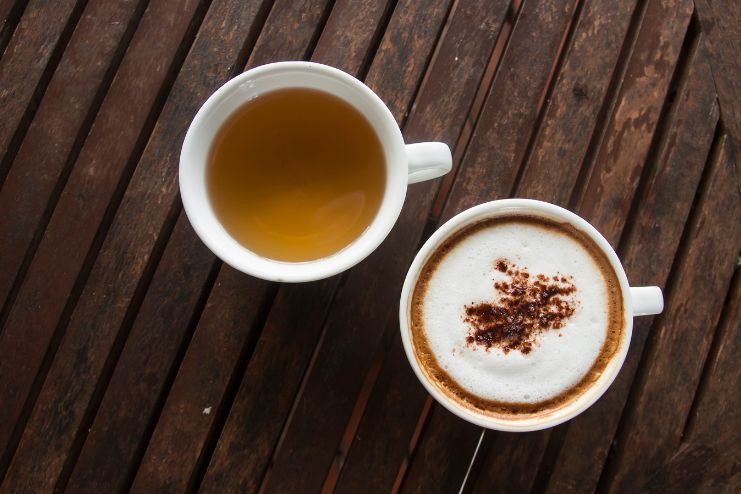
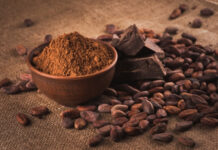
Several beverages contain small amounts of copper, including black tea, coffee, cocoa, beer, and wine. While these drinks can contribute to your copper intake, consume them in moderation due to their caffeine content and other potentially harmful substances.
8. Seeds
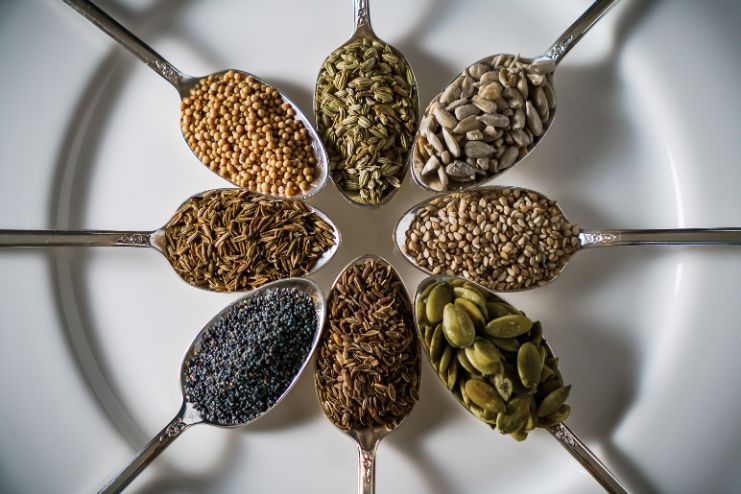
Nearly all edible seeds are rich sources of copper while also providing potassium, protein, zinc, iron, magnesium, vitamins B and E, and calcium. Excellent choices include pumpkin seeds, squash seeds, watermelon seeds, sesame seeds, flax seeds, and sunflower seeds.
Read More: Magnesium Deficiency: The Silent Problem You Didn’t Know You Had (And How to Fix It)
Conclusion
Copper is essential to human biology and helps to facilitate many processes, from the formation of pigments in hair and eye color to new blood vessels. The mineral is also important to cognition.
Copper imbalances have been associated with several neurological disorders, and altered copper levels were linked to depression and changes in sleep patterns, according to Svetlana Lutsenko, Ph.D., professor of physiology at the Johns Hopkins University School of Medicine and a senior researcher on the study.
“We have seen over and over again that when there is a copper misbalance in a tissue, there are significant effects on its health,” says Lutsenko.
Maintaining adequate copper levels is essential for your overall health and well-being. By incorporating these copper-rich foods into your regular diet, you can easily meet your body’s needs while enjoying delicious, nutritious meals. Focus on variety and balance to ensure you’re getting not just copper, but all the nutrients your body needs to thrive.
Ready to boost your copper intake? Start by adding just one or two of these copper-rich foods to your meals this week. Your immune system, energy levels, and overall health will thank you for it!
Frequently Asked Questions
How much copper do I need daily?
Adults need about 900 micrograms (0.9 mg) of copper per day. Most people can meet this requirement through a balanced diet without needing supplements.
Can I get too much copper?
Yes, excessive copper intake can be harmful. The upper safe limit is 10,000 micrograms (10 mg) per day for adults. Stick to food sources rather than supplements unless recommended by your healthcare provider.
What are the early signs of copper deficiency?
Early signs include fatigue, weakness, frequent infections, pale skin, and brittle bones. A more severe deficiency can cause anemia and neurological problems.
Which foods have the highest copper content?
Oysters contain the most copper of any food, followed by liver, nuts (especially cashews), seeds, and dark chocolate. A single oyster can provide more than your daily copper needs.
Should I take copper supplements?
Most people don’t need copper supplements if they eat a varied diet. Supplements should only be taken under medical supervision, as too much copper can interfere with zinc absorption and cause other health issues.
Can cooking methods affect copper content in foods?
Cooking generally doesn’t significantly reduce copper content in foods. However, using copper cookware can actually increase the copper content of acidic foods.
Are there any foods that interfere with copper absorption?
High doses of zinc, iron, and vitamin C supplements can interfere with copper absorption. If you take these supplements, space them out from copper-rich meals.
Is copper deficiency common?
True copper deficiency is relatively rare in healthy people eating a varied diet. It’s more common in people with certain medical conditions, those who have had gastric surgery, or infants fed only cow’s milk.
References
- https://pmc.ncbi.nlm.nih.gov/articles/PMC5637704/
- https://pubmed.ncbi.nlm.nih.gov/9587153/
- https://nutritionsource.hsph.harvard.edu/copper/
- https://pubmed.ncbi.nlm.nih.gov/6110524/
- https://pubmed.ncbi.nlm.nih.gov/25311541/
- https://pubmed.ncbi.nlm.nih.gov/23595677/
- https://www.ncbi.nlm.nih.gov/books/NBK493231/
- https://pubmed.ncbi.nlm.nih.gov/25069832/
- https://ods.od.nih.gov/factsheets/Copper-HealthProfessional/
- https://profiles.hopkinsmedicine.org/provider/svetlana-lutsenko/2777888
- https://www.hopkinsmedicine.org/news/newsroom/news-releases/2018/10/low-copper-levels-linked-to-fatter-fat-cells
In this Article