














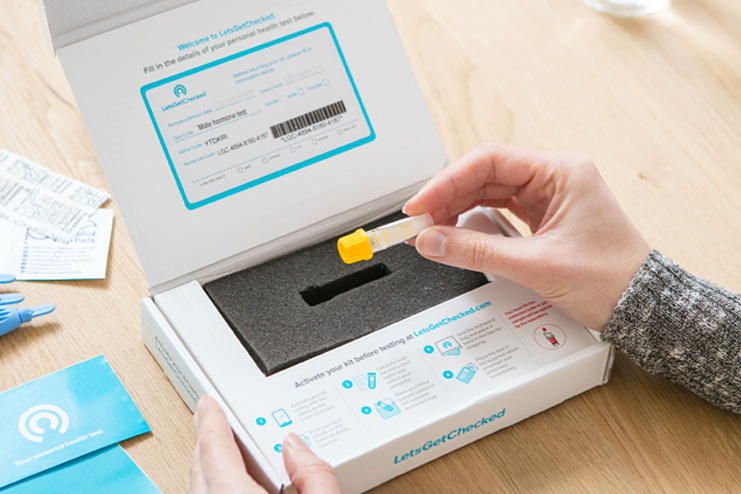
It’s critical to monitor our health in today’s fast-paced world. Vitamin deficiency tests that can be done at home provide a proactive means of preserving our health. However, it’s important to note that these tests have their limitations and should not replace professional medical advice.
By offering a quick and easy way to determine vitamin deficiencies, these tests empower people to take charge of their health from the comforts of their own homes.
This article will examine the role of at-home vitamin deficiency tests in tracking general health and wellness while stressing the practicality and value of these tests in preventative healthcare.
Understanding Vitamin Deficiencies

Vitamins, as essential micronutrients, play a crucial role in various body processes, including energy metabolism and immune system support.
When these vitamins are deficient, it can have severe implications for our health. Common deficiencies, such as those in iron, vitamin B12, and vitamin D, can lead to symptoms like weakness, exhaustion, and increased susceptibility to infections. Prolonged deficiency can even result in more severe health conditions, such as neurological diseases, osteoporosis, and anemia.
Maintaining sufficient vitamin levels is essential for achieving physical and mental health. Adequate vitamin intake promotes healthy growth and development, strengthens immunity, and prevents chronic illnesses. Awareness of warning signs and symptoms of vitamin deficiencies enables people to take preventative action to correct imbalances and preserve general health and vigor.
However, it’s important to understand that the context of these results, such as your overall health, lifestyle, and diet, also plays a significant role in their interpretation.
Also, read: Vitamin D Deficiency – Causes, Symptoms, Diseases and Treatment
Benefits of At-Home Testing Kits
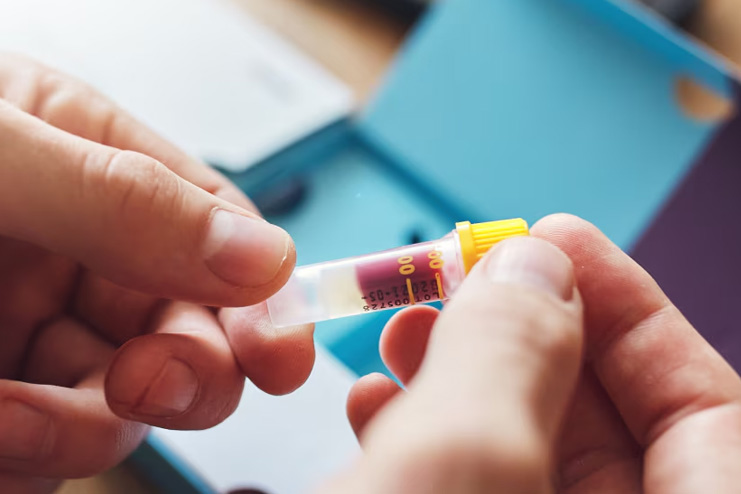
At-home vitamin deficiency testing provides numerous benefits to transform how people track their health. However, it’s important to be aware of potential risks and side effects, such as minor discomfort during the testing process or the possibility of misinterpreting results without professional guidance.
One of the most significant advantages of these packages is the unparalleled convenience they offer. Without the need to schedule appointments or visit a medical facility, individuals can obtain crucial information about their vitamin levels with just a quick prick of the finger or a saliva sample. This convenience factor is a game-changer in health monitoring.
Another advantage is privacy. With at-home testing, people may evaluate their vitamin status in the privacy and comfort of their homes, eliminating any potential awkwardness when discussing private health issues with medical professionals.
Furthermore, at-home testing kits are sometimes more affordable than conventional lab tests, increasing their accessibility to a broader group of people. Because of its affordability, health monitoring becomes more accessible to everyone, enabling them to take proactive measures to improve their health. The value of at-home testing also lies in its convenience, privacy, and the empowerment it provides to individuals to manage their health.
Most importantly, these kits empower individuals to take control of their health. At-home testing kits provide valuable information about vitamin levels, enabling individuals to make informed decisions about dietary modifications and supplementation based on their unique needs. This sense of empowerment is a key aspect of proactive health management.
People are empowered to optimize their well-being and lead healthier, more fulfilling lives with this proactive approach to health management. However, it’s important to remember that self-diagnosis based on at-home testing results can be risky. It’s always best to consult with a healthcare professional for a comprehensive assessment of your health.
Also, read: 8 Most Effective Prenatal Vitamins for Hair Growth
Key Features to Consider
Several essential elements should be considered when selecting an at-home vitamin deficiency test to ensure reliable findings and a satisfying testing experience.
To start, precision is crucial. Seek testing kits that are highly accurate in identifying vitamin deficiencies and have undergone clinical study validation. This ensures that the results you receive are reliable and can be trusted.
Another important consideration is the ease of usage. Kits that provide straightforward, easy-to-use testing protocols reduce the risk of errors and ensure a seamless testing experience for users with varying levels of expertise.
Panels for thorough testing are also crucial. To thoroughly assess your nutritional status, use a kit that tests for a variety of vitamins, such as vitamin D, vitamin B12, and iron. This ensures that you get a comprehensive understanding of your nutritional status.
The testing kit’s reputation is equally important. Select a recognized brand with a track record of offering precise instructions and dependable results. One way to assess a testing kit’s dependability and guarantee confidence in the results is to read customer reviews and testimonials.
Considering these important factors, you can choose an at-home vitamin deficiency test that suits your needs and gives you precise, helpful information about your nutritional status.
Also, read: 8 Side Effects of Too Much Vitamin D That Can Be Dangerous
Top 3 At-Home Vitamin Deficiency Tests

In the age of preventative health management, there has been a meteoric rise in the popularity of at-home vitamin deficiency tests.
This article will examine and contrast the top five available at-home vitamin deficiency tests. We will explore testing techniques, vitamin panels, and user reviews for each of these kits to help you make an informed decision on which kit is best suited to your requirements.
1. Everlywell Vitamin D & Inflammation Test Kit
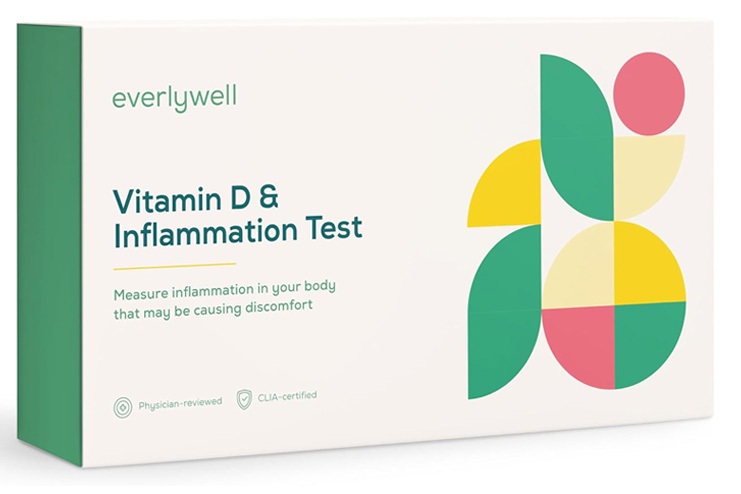
Everlywell’s Vitamin D & Inflammation Test Kit is a unique offering for individuals seeking a comprehensive way to learn about their vitamin D and inflammation levels. This kit simplifies testing by requiring only a tiny blood sample, which users can obtain with a quick finger prick.
After collecting the sample, users send it to Everlywell’s approved laboratory for in-depth analysis. Users can safely view their results on Everlywell’s online platform within a matter of days, receiving essential information about their current health.
Many have praised Everlywell’s kit for its user-friendliness. Users with varying experience levels can use it thanks to the simple collection method and straightforward instructions. Users also value the thorough explanations in the findings report, which aid in their understanding of their vitamin D levels and inflammation markers.
Although it has many benefits, some users have reported inconsistent results. Although most users report positive experiences, some have expressed dissatisfaction with differences in test results between tests taken at home and those taken later in a clinical environment. This highlights the potential drawbacks of at-home testing, underscoring the importance of considering various factors and speaking with medical specialists to thoroughly understand one’s current health.
2. AFIL | Food, Drinks & Vitamin Sensitivity Testing Kit for Adults & Kids
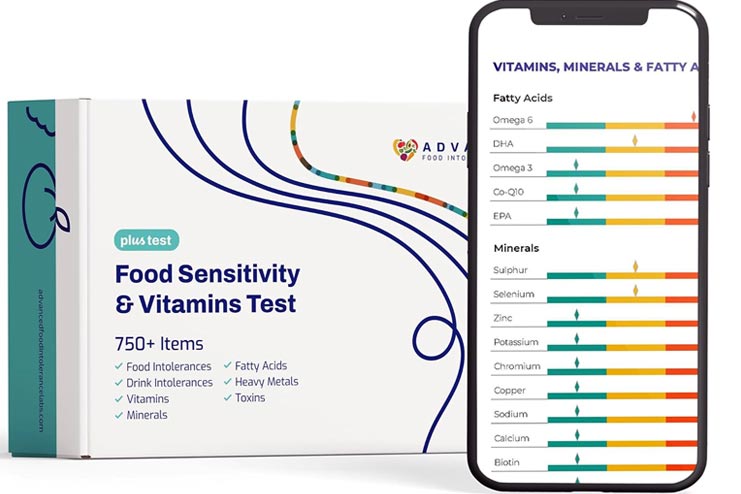
The AFIL Food, Drinks, and Vitamin Sensitivity Testing Kit tests for food sensitivities, intolerances, and vitamin deficiencies and is designed for adults and children.
Blood, needles, and appointments are not allowed. It’s just a tiny sample of hair, maybe ten strands near the root. Additionally, hair on the body or the face is accepted and welcomed.
With the AFIL Food, Drinks, and Vitamin Sensitivity Testing Kit, you can quickly determine whether you have any sensitivities to foods and beverages and any dietary deficiencies that could be affecting your energy levels. Your results will be available in just three working days, providing prompt and efficient service.
To receive and register your kit, you must develop an account online. Take a sample of hair and return it using the pre-paid envelope.
Within three business days of your sample arriving at our facility, you can access the results of your tests through your portal. It uses biofeedback technology to identify your cellular patterns and responses, stimulating inflammatory reactions in your cells.
3. 5Strands Nutrition Deficiency Test
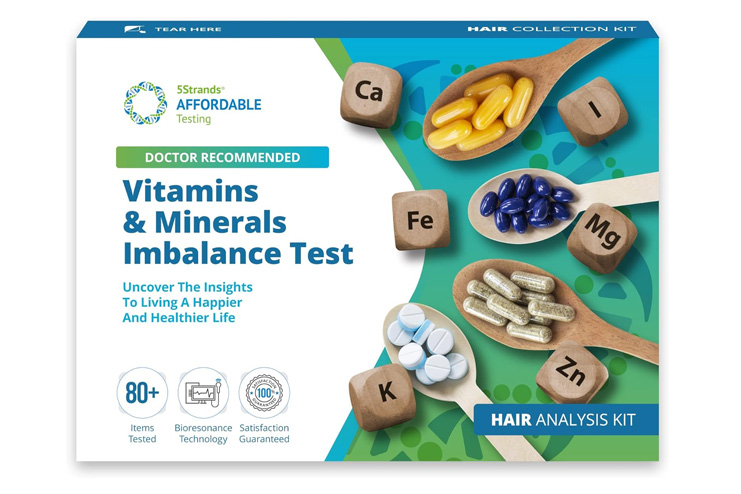
A variety of physical health problems may arise when your body cannot appropriately absorb particular nutrients from your food and supplements, according to the 5Strands Nutrition Deficiency Test. Dry skin, brittle nails, hair loss, inflammation, and muscle cramping are typical signs of nutritional imbalances.
Using their hair-analysis imbalance testing solution, you can determine whether your body is deficient in specific vitamins, minerals, fatty acid, amino acid, and trace minerals.
Knowing which foods you are mildly, moderately, or severely unable to absorb will help you modify your diet proactively. Once you’ve determined which vitamins and minerals your body struggles to absorb, you can modify your diet to achieve optimal absorption.
To start, give whole foods (meats, fruits, veggies, and nuts) more priority because your body can absorb these naturally occurring forms of nutrition more readily. (2) If you take supplements, prefer companies that provide nutrients in their entire food form instead of artificial additives that interfere with your body’s natural processing.
How to Interpret Results
Understanding one’s current health status and taking the necessary action requires being able to interpret the findings of at-home vitamin deficiency tests. If the results show low amounts of a particular vitamin, understanding the possible effects on general health is critical.
Common symptoms linked to low levels: fatigue, weakness, hair loss, frequent infections, tingling/numbness (for B12), or bone pain (for vitamin D). High vitamin levels may indicate excessive intake from supplements, and in rare cases, an underlying health condition.
Fat-soluble vitamins (A, D, E, K) are more likely to accumulate in the body and cause toxicity compared to water-soluble vitamins.
After receiving such results, people should consider speaking with a healthcare provider to discuss the possible treatment choices. Vitamin supplements or dietary changes that include foods high in the lacking vitamins may be part of the treatment. Lifestyle modifications like reducing stress or getting more sun exposure to synthesize vitamin D may also be helpful.
People can enhance their long-term health and well-being by appropriately interpreting test results and taking proactive measures to remedy shortcomings.
Precautions and Considerations
It is essential to approach the process of using at-home vitamin deficiency testing kits with particular safeguards and considerations. Although these tests provide valuable insights into a person’s health, they cannot replace expert medical guidance. Individuals should undergo additional testing and discuss any abnormal results with a healthcare provider to decide on the best course of action.
Furthermore, in addition to routine medical exams, at-home testing kits should be considered an additional tool for health monitoring. Combining the convenience of at-home testing with the knowledge and experience of healthcare professionals ensures a comprehensive strategy for preserving optimal health and well-being.
Conclusion
In summary, at-home vitamin deficiency tests offer a practical and proactive means to enhance well-being and health. These tests provide people with the information they need to take charge of their health and make informed decisions about dietary adjustments and supplements, offering easily accessible insights into their nutritional status.
We urge readers to investigate the testing kits discussed in this manual and take proactive steps to optimize their vitamin intake. People can start their journey towards improved general health and well-being with the help of healthcare professionals and the ease of at-home testing.
More Related Articles:

References
- https://www.mayoclinic.org/diseases-conditions/vitamin-deficiency-anemia/symptoms-causes/syc-20355025
- https://www.testing.com/tests/at-home-vitamin-d-test/
- https://www.forbes.com/health/medical-supplies/best-vitamin-deficiency-tests/
- https://www.consumerreports.org/cro/2012/12/test-yourself-at-home/index.htm
- https://www.testing.com/vitamins-and-nutritional-testing/
- https://ada.com/micronutrients/vitamin-deficiency-test/
- https://www.rupahealth.com/post/understanding-nutritional-deficiencies-when-to-utilize-micronutrient-testing
- https://www.ncbi.nlm.nih.gov/pmc/articles/PMC8469089/
- https://www.talktomira.com/post/how-do-you-test-for-vitamin-deficiency
- https://www.privatebloodtestslondon.co.uk/blog/decoding-your-vitamin-deficiency-results-what-they-mean
In this Article