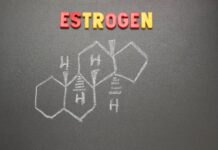











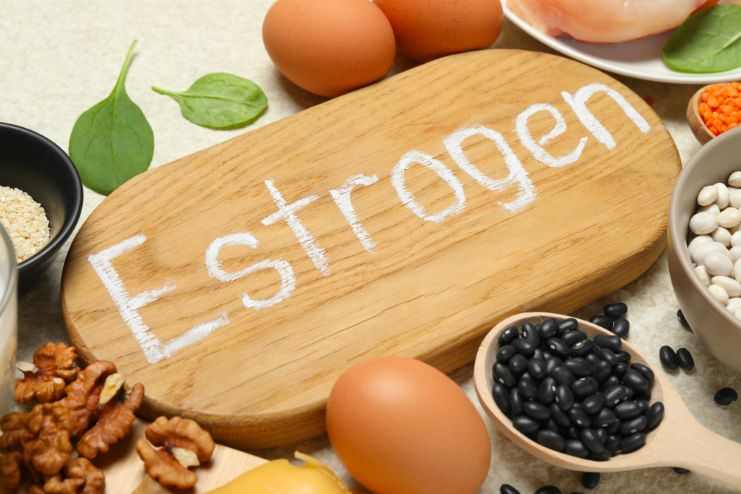
Estrogen plays a crucial role in women’s reproductive health, metabolism, bone density, and mood regulation. When women reach menopause, estrogen levels naturally decline—a condition known as hypoestrogenism. This hormonal shift can trigger uncomfortable symptoms including hot flashes, night sweats, vaginal dryness, bone loss, and mood changes.
While hormone replacement therapy (HRT) remains an option for some women, many prefer incorporating estrogen-rich foods into their diet as a natural approach to symptom management.
Phytoestrogens are plant compounds that structurally resemble human estrogen. These naturally occurring plant compounds may function similarly to the estrogen the human body produces, binding to estrogen receptors and producing mild estrogenic effects. Foods rich in phytoestrogens can potentially help maintain hormonal balance during menopause and beyond.
This article explores scientifically-backed foods that can naturally support estrogen levels in women.
Read More: Ease Menopause Symptoms: 6 Cooling Gel Pads for Hot Flash Relief
Top Foods that Naturally Boost Estrogen in Women
Here’s a detailed look at the most effective estrogen-supporting foods based on current research, ranging from the most potent sources to moderate contributors.
1. Soy Products (Highest Potency)
Soy products are by far the richest dietary sources of isoflavones, making them the most potent natural estrogen-supporting foods available. These include:
- Tofu: Contains concentrated isoflavones that can bind to estrogen receptors
- Tempeh: A fermented soy product with enhanced bioavailability and additional protein
- Edamame: Whole soybeans containing 90-134 mg of isoflavones per 100 grams
- Miso: Fermented soy paste that combines isoflavones with beneficial probiotics
- Soy milk: Provides concentrated isoflavones in an easily consumed form
Research consistently shows that soy isoflavones can help reduce hot flashes, support bone health, and provide cardiovascular benefits. The fermentation process in foods like tempeh and miso may enhance the bioavailability of these beneficial compounds.
Tip: Start with small amounts if you’re new to soy products, as some people may experience digestive adjustments. Aim for 1-2 servings daily for optimal benefits.
2. Flaxseeds (Top Non-Soy Source)
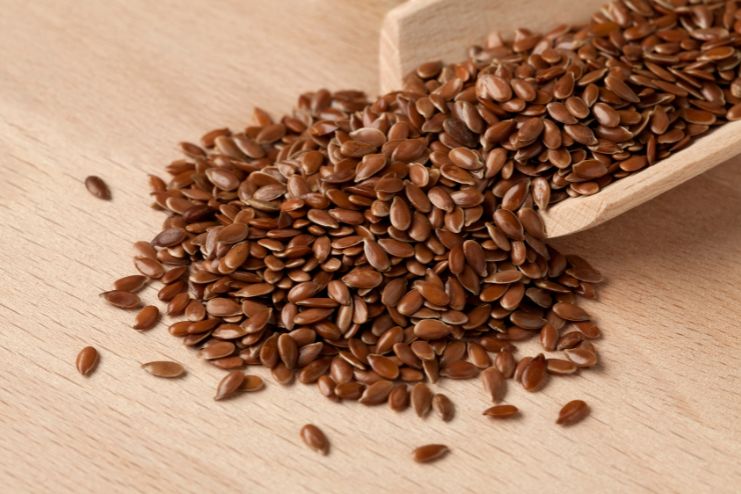
Flaxseeds are among the most common sources of phytoestrogens and are exceptionally rich in lignans, a type of phytoestrogen that may:
- Reduce hot flash frequency and intensity
- Support vaginal health
- Help maintain healthy cholesterol levels and cardiovascular function
- Promote digestive regularity, which can be affected during menopause
Research shows that flaxseed supplementation modifies urinary estrogen metabolite excretion to a greater extent than soy supplementation, suggesting particularly strong hormonal benefits.
Studies have found that flaxseed consumption helps improve menopausal symptoms, including hot flashes, night sweats, and mood disturbances, leading to enhanced overall quality of life.
Flaxseeds also provide alpha-linolenic acid (ALA), a plant-based omega-3 fatty acid that supports heart health, though it’s less efficiently converted to EPA and DHA compared to fish-derived omega-3s.
Tip: Use ground flaxseed in smoothies, yogurt, oatmeal, or sprinkled over salads. Whole flaxseeds pass through the digestive system largely intact and provide limited nutritional benefit.
Read More: 8 Ways To Deal With Night Sweats After Menopause
3. Whole Grains
Whole grains are rich sources of lignans and provide sustained energy while supporting hormone balance:
- Oats: Contain lignans and beta-glucan fiber for heart health
- Barley: Provides lignans along with blood sugar-stabilizing properties
- Rye: Particularly rich in lignans compared to other grains
- Brown rice: Contains modest lignan levels plus essential nutrients
Whole grains also provide fiber, which helps regulate hormone metabolism and supports digestive health during menopause.
Tip: Replace refined grains with whole grain alternatives in your daily meals. A bowl of oatmeal with ground flaxseed creates a powerful phytoestrogen combination.
4. Nuts and Seeds
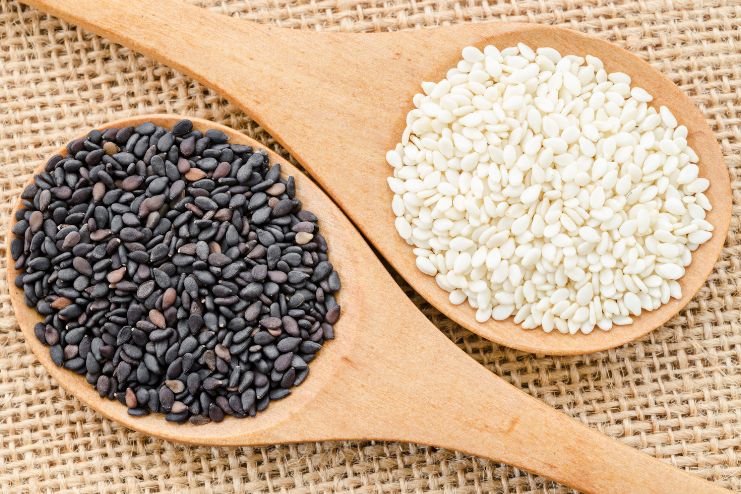
Beyond flaxseeds, several nuts and seeds provide valuable lignans and other phytoestrogens:
- Sesame seeds: Excellent sources of lignans that may naturally support estrogen balance
- Sunflower seeds: Contain moderate lignan levels plus vitamin E
- Walnuts: Particularly rich in lignans and omega-3 fatty acids
- Almonds: Provide lignans along with calcium and healthy fats
Studies have shown that sesame seeds have a positive impact on bone-related issues and can improve hormone status, antioxidant levels, and blood lipid profiles in postmenopausal women.
These nutrient-dense options also provide essential minerals like calcium for bone density, magnesium for sleep quality and stress management, and iron to combat menopause-related fatigue.
Tip: Sprinkle seeds on soups and stir-fries, or use tahini (sesame paste) as a base for dressings and sauces. Enjoy a small handful of mixed nuts as a hormone-supporting snack.
5. Dried Fruits: Apricots, Prunes, and Dates
Dried fruits, particularly apricots, prunes, and dates, provide moderate levels of phytoestrogens, specifically lignans and isoflavonoids. These compounds may help reduce menopausal symptom severity while supporting bone health.
Prunes deserve special attention for their bone-protective properties. A 2022 study published in Advances in Nutrition demonstrated that daily prune consumption increased bone formation markers and reduced osteoporosis risk in older women.
Apricots and dates contain natural sugars, fiber, and essential minerals like potassium and magnesium, which may help stabilize blood pressure and support mood balance.
Tip: Enjoy a small portion (3-4 pieces) as a snack or add them to oatmeal, trail mix, or salads. Monitor portion sizes to manage sugar intake.
6. Legumes and Beans
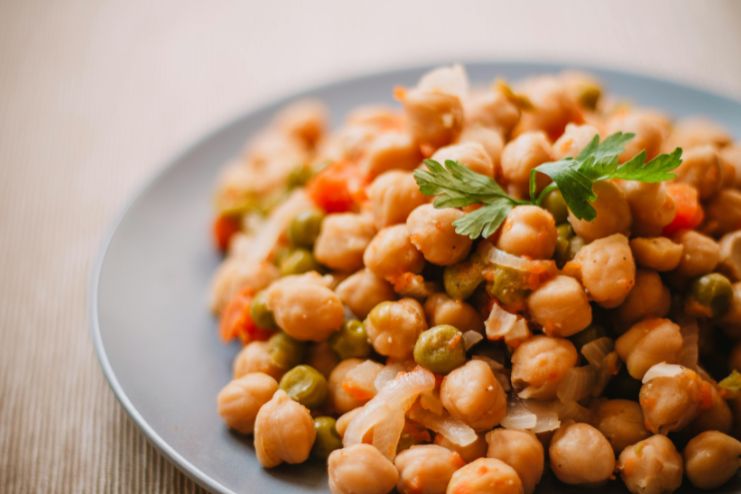
Beyond soy, other legumes provide valuable isoflavones and support hormonal health:
- Chickpeas: Contain biochanin A, a phytoestrogen with estrogen-like activity
- Lentils: Provide moderate isoflavone levels plus plant-based protein
- Black beans, kidney beans, and navy beans: Rich in isoflavones and lignans
- Bean sprouts: Concentrated source of isoflavones during the sprouting process
These fiber-rich legumes offer hormone-modulating properties while helping to stabilize blood glucose levels, lower LDL cholesterol, and promote satiety for appetite control.
While beans contain fewer phytoestrogens than soy or flax, they contribute meaningfully to total phytoestrogen intake. Research indicates that legume isoflavone consumption is associated with reduced breast cancer risk and improved hormonal profiles in postmenopausal women.
Tip: Include beans in soups, salads, and grain bowls. Their complex carbohydrates provide sustained energy and help maintain stable blood sugar levels. Use chickpeas in hummus, roast them as a snack, or add them to curries and salads.
7. Vegetables and Additional Sources
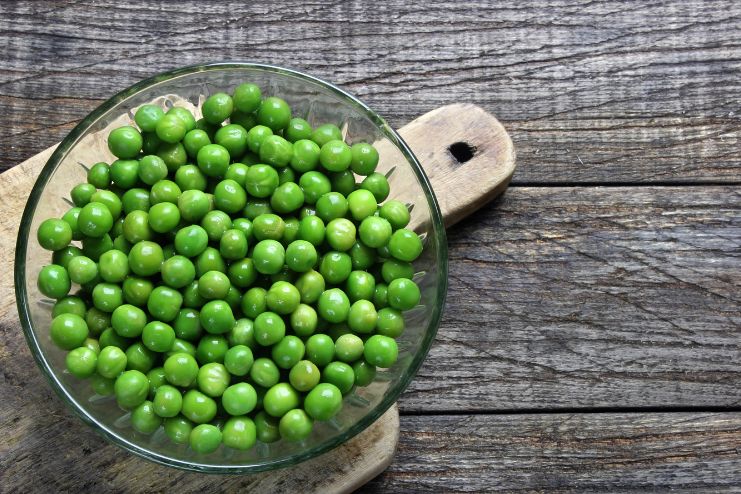
While not as potent as the foods listed above, certain vegetables and other foods contribute to overall phytoestrogen intake:
- Peas: Contain coumestrol, a plant compound with mild estrogenic properties
- Bean sprouts: Provide concentrated isoflavones
- Broccoli and cruciferous vegetables: Contain compounds that support hormone metabolism
Research published in Nutrients indicates that vegetables like green peas contribute to overall phytoestrogen intake and support menopausal health when consumed as part of a plant-focused diet.
Read More: Are Chickpeas for Weight Loss a fact or myth?
Final Thoughts
Estrogen-rich foods, particularly those containing phytoestrogens, can potentially support the body’s natural hormone balance during and after menopause. While these foods don’t replace the body’s natural estrogen production or match the potency of hormone therapy, they may offer several benefits:
- Gentle relief from mild menopausal symptoms
- Enhanced bone and cardiovascular health
- Support for healthy metabolism and weight management
It’s important to remember that individual responses to phytoestrogens vary significantly. Some women experience noticeable symptom relief, while others may need additional support. If you’re considering significant dietary changes, especially if you have a history of hormone-sensitive conditions such as breast cancer, consult with a healthcare professional for personalized guidance.
Incorporating these nutrient-rich foods as part of a balanced diet can be a safe, natural way to support your body through the menopausal transition and beyond.
References
- https://pmc.ncbi.nlm.nih.gov/articles/PMC10224089/
- https://www.researchgate.net/publication/7166652_Sesame_Ingestion_Affects_Sex_Hormones_Antioxidant_Status_and_Blood_Lipids_in_Postmenopausal_Women1
- https://www.sciencedirect.com/science/article/pii/S2161831323000236
- https://pmc.ncbi.nlm.nih.gov/articles/PMC9864699/
- https://www.ncbi.nlm.nih.gov/books/NBK493191/