














Most people searching for natural diuretic foods are not really searching for diuretics. They are searching for relief. Maybe rings suddenly feel tight. Maybe shoes fit differently by the evening. Sometimes the face looks a little puffy after a weekend of eating out. Sometimes it is the scale. Two kilos up in three days, and panic starts.
The strange thing is that many people blame water. In reality, water is often not the main problem. A lot of everyday fluid retention starts with sodium. The body is trying to keep things balanced. The more sodium comes in, the more water gets held onto. The result is that swollen, bloated feeling that people describe as “water weight.”
This is where natural diuretic foods get attention. But there is also a lot of confusion. Many internet lists simply throw random fruits and vegetables together and call them diuretics. Some foods genuinely have evidence behind them. Others seem to appear on every list because somebody copied another article ten years ago.
The difference matters. If someone has mild fluid retention after a salty meal, certain foods may help. If someone has swelling because of heart failure or kidney disease, a cucumber salad is not going to solve the problem. Understanding that distinction is probably more important than any individual food on this list.
- Natural diuretic foods can genuinely help with mild water retention, but they are often misunderstood.
- The strongest evidence supports asparagus, dandelion, coffee, hibiscus tea, and potassium-rich foods such as leafy greens, beans, avocados, and bananas.
- Their effects are modest and mostly work by helping the kidneys manage sodium and water more efficiently.
- They are useful for everyday fluid retention caused by sodium, heat, or hormonal changes. They are not substitutes for prescription diuretics or treatment for heart, kidney, or liver disease.
Read More: Stage 2 CKD Food Myth: Do You Really Need to Avoid Potassium?
What a Diuretic Does and Why Food-Based Diuretics Are Different From Prescription Ones
One reason natural diuretic articles become confusing is that they use the same word for two very different things. Doctors use diuretics every day. These are medicines designed to make the kidneys remove more sodium and water. They work at specific locations inside the nephron, which is basically the kidney’s filtering system.
The effects can be powerful. A patient with heart failure may lose several kilograms of excess fluid after treatment. Someone with severe edema may notice dramatic changes within days. Food doesn’t work like that. Natural diuretic foods generally work through smaller, slower mechanisms.
Sometimes they provide potassium, which encourages the kidneys to get rid of more sodium. Sometimes they contain compounds that appear to influence kidney function. Sometimes they simply support better fluid balance overall.
This sounds like a small difference, but it changes the whole conversation. For example, somebody feels swollen after three days of restaurant food. Natural diuretic foods may help.
Someone develops persistent ankle swelling, breathlessness, and rapid weight gain because of fluid. That is not a “try some watermelon” situation. The body retains fluid for many reasons. Some are completely normal. Others need medical attention. Before talking about the foods themselves, that distinction should always come first.
The Most Evidence-Supported Natural Diuretic Foods
One thing that becomes obvious when you start looking into natural diuretics is how often the same foods get repeated. One article mentions lemon. The next mentions cabbage. Then another adds apple cider vinegar. After a while, it starts looking less like evidence and more like everyone is copying everyone else.
“In general, any food that is high in water content will increase the volume of urine—think fruits, soups, smoothies, and any fluids that are consumed during the day,” says Dr. Elizabeth Kavaler, MD, urologist.
The foods below are different. Not because they are miracle remedies. Mostly because there is at least some reasonable explanation or research behind why they keep appearing in discussions about fluid balance.
Asparagus
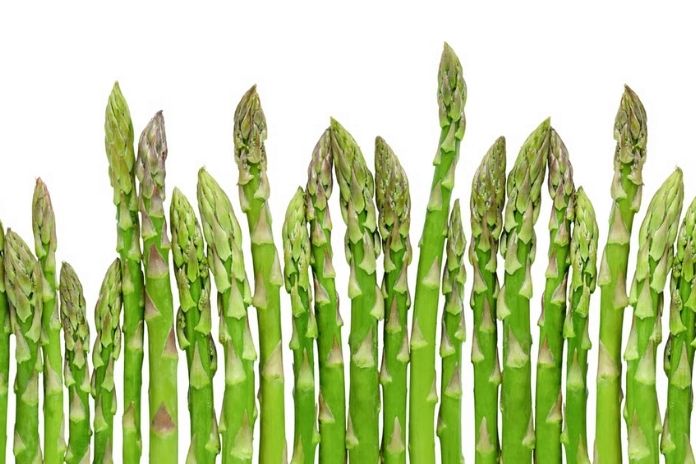
If there is one food that has earned its place on natural diuretic lists, it is probably asparagus. The reason is not internet hype. Researchers have been discussing asparagus and its diuretic effects for a long time because of a compound called asparagine.
This amino acid appears to influence how the kidneys handle fluid. Not in a dramatic prescription-drug way. But enough that asparagus developed a reputation as a natural diuretic long before wellness blogs existed. There is another thing people notice: the smell. Some people eat asparagus, and a few hours later, their urine smells completely different.
Others never notice it. That strange smell comes from breakdown products of asparagusic acid. It is harmless. In fact, it is one of the reasons asparagus remains one of the more interesting foods in this area because you can literally notice that your body is processing unique compounds from it.
Dandelion
Dandelion is one of those herbs that sounds like it belongs in traditional medicine rather than modern research. Yet it has something many herbal remedies don’t. Actual human data. A small pilot study published in 2009 found that dandelion extract increased both urinary frequency and urine output in healthy volunteers over several hours.
That doesn’t suddenly make dandelions equivalent to prescription diuretics. But it does put it ahead of many popular “detox” ingredients that have little human evidence at all. Dandelion is usually consumed as tea, though extracts and tinctures are also common.
“Herbs are not regulated or researched very well,” registered dietitian Julia Zumpano, RD, LD, says. “Generally, it’s hard to manage and to figure out a proper dose because there aren’t enough clinical trials to show how much you should be really taking.”
Coffee and Other Caffeinated Drinks
Coffee has a strange reputation. Half the internet says it dehydrates you. The other half says it doesn’t. The truth sits somewhere in the middle. Caffeine is a genuine mild diuretic. Scientists understand the mechanism fairly well. It affects adenosine receptors in the kidneys, reducing the reabsorption of sodium and water.
The interesting part is what happens after years of coffee drinking. The body adapts. Someone who rarely drinks coffee may notice a stronger effect than somebody who has been drinking three cups every morning for ten years. So yes, caffeine works, just not equally in everyone.
Hibiscus Tea
Hibiscus tea is usually talked about in relation to blood pressure. The diuretic part often gets overlooked. Several studies have observed mild increases in urine output alongside improvements in blood pressure.
Researchers believe part of this effect comes from ACE-inhibitory activity, meaning hibiscus influences some of the same hormonal systems involved in fluid regulation. It is not an aggressive diuretic. But it is one of the few herbal drinks where researchers keep seeing signals that suggest a real physiological effect rather than marketing claims.
High-Potassium Foods
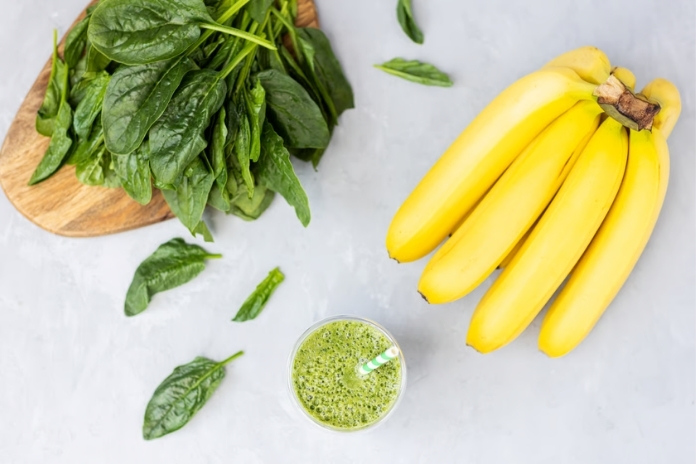
Bananas, avocados, beans, leafy greens, and spinach are not usually advertised as natural diuretics. Yet they influence one of the biggest drivers of everyday fluid retention. Sodium. Many people trying to lose water weight focus on drinking less water. Usually, that is the wrong target.
The kidneys are constantly balancing sodium and potassium. When potassium intake improves, the body often becomes more efficient at getting rid of excess sodium. Water follows sodium. This is why increasing potassium-rich foods can sometimes help with puffiness better than searching for some exotic detox ingredient.
Watermelon
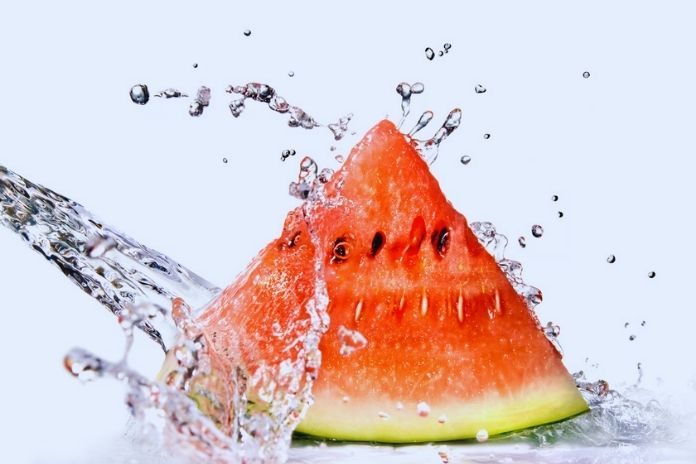
Watermelon works differently. There is no famous diuretic compound driving most of the effect. Instead, it is mostly about water content. Around 92% of watermelon is water. That sounds obvious, but hydration itself affects urine production. People often assume drinking more water automatically causes water retention.
In healthy individuals, the opposite can sometimes happen. Watermelon also contains citrulline, a compound involved in blood vessel function and circulation. Researchers continue studying its wider effects, though its direct role in diuresis remains less clear.
Green Tea
Green tea sits somewhere between coffee and herbal tea. It contains caffeine, though less than coffee. It also contains polyphenols, particularly EGCG, which may have mild effects on sodium handling and fluid regulation.
The evidence here is not as strong as it is for caffeine itself. Still, many people who regularly drink green tea notice mild increases in urine output, likely because multiple small mechanisms are working together.
Celery and Cucumber
These are probably the foods most people expect to see. Both contain large amounts of water. Both provide potassium. Both fit well into diets aimed at reducing excess sodium intake. Celery is especially interesting because it contains compounds called phthalides, which researchers have studied for potential effects on blood vessels and blood pressure.
The evidence remains limited. But unlike some foods commonly promoted as diuretics, there is at least a plausible biological reason why celery keeps appearing in these discussions.
What Actually Causes Fluid Retention and When Natural Diuretics Help

One reason people become disappointed with natural diuretic foods is that they never ask what even caused the fluid retention inside them in the first place. Not all swelling comes from the exact same problem. A person who is spending a weekend eating in a restaurant: meals, packaged snacks, and all that takeaway food. Then on Monday morning, they start feeling puffy.
The body is holding onto extra water because of increased sodium levels. Hormones such as aldosterone help regulate this process. More sodium retention usually means more water retention.
Then there is premenstrual bloating. Many women notice rings fitting differently, mild swelling, or temporary weight changes before their period. Hormonal shifts influence fluid regulation in ways that can make water retention more noticeable.
Heat creates another situation. Anyone who has spent a long day standing in hot weather has probably noticed swollen feet or ankles at some point. These are situations where dietary changes often help. More potassium. Less sodium. Better hydration. Some natural diuretic foods. Reasonable expectations. That combination usually works better than searching for a miracle food.
But there are limits. If swelling keeps happening for no obvious reason, if shoes suddenly stop fitting because ankles are swelling, if weight is increasing rapidly because of fluid, or if breathlessness is happening alongside swelling, then it becomes a medical question rather than just a nutrition question.
Read More: Red Raspberry Leaf Tea: Benefits, What the Research Says & Safety Tips
Safety Considerations: Who Should Be Careful With Natural Diuretics
“Natural” never automatically means “harmless.” People often forget that. When someone is already taking furosemide, hydrochlorothiazide, or spironolactone, then it is already influencing fluid balance because of the medication. And when more, multiple natural diuretics are added on top, it may sound harmless, but it can sometimes create problems.
Fluid loss is only part of the issue. Electrolytes like sodium, potassium, and magnesium are tightly controlled by the body. Kidney disease deserves special mention. Many of the foods that help healthy people manage sodium balance are rich in potassium. For somebody with reduced kidney function, excess potassium may become dangerous rather than helpful. The same food can have completely different implications depending on kidney health.
People who are taking lithium also need caution because if their fluid balance changes, then it can affect lithium levels inside them and increase toxicity risk. Dandelion’s safety profile is mostly good, but anyone who is already using blood pressure medication or prescription diuretics should discuss regular use with a healthcare professional first.
The Foods Many Natural Diuretic Lists Mention: What the Evidence Actually Shows
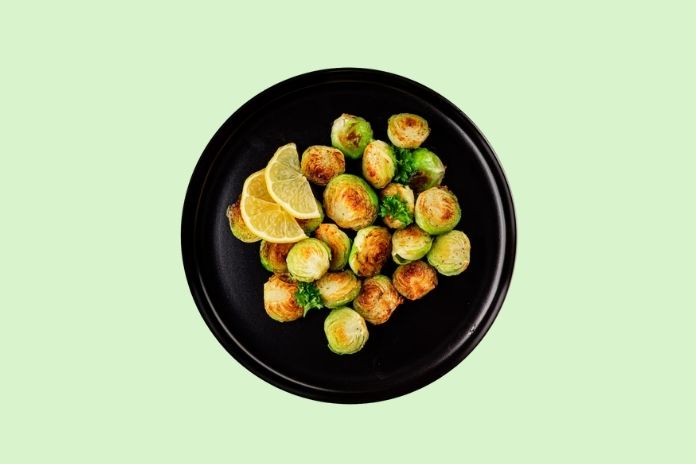
This is probably the least exciting section, but maybe the most useful. Because some foods keep showing up on natural diuretic lists despite surprisingly weak evidence. Ginger is one example.
It has benefits. Anti-inflammatory effects. Some cardiovascular research. But strong human evidence showing meaningful diuretic activity is lacking. Brussels sprouts and cabbage often get promoted too. Mostly because they are healthy vegetables with good water content. That is not the same thing as being a diuretic.
Lemon falls into a similar category. Refreshing? Yes. Useful source of vitamin C? Sure. Well-established natural diuretic? Not really. Oats are another strange addition found on many wellness websites. There is no convincing evidence that oats increase urine output in any meaningful way.
Apple cider vinegar may be the most exaggerated example. Claims about detoxification, pH balancing, fat burning, cancer prevention, and water loss have followed ACV for years. The evidence rarely keeps up with the claims. Which is a useful reminder. A food does not become a diuretic simply because enough websites call it one.
Read More: C3 Glomerulopathy vs Dense Deposit Disease: Key Differences Explained
Conclusion
Natural diuretic foods are one of those topics where the internet usually makes things sound more dramatic than they really are. What these foods can do is support the systems that are already controlling fluid balance. Their effects are real, but they are physiological rather than pharmaceutical.
And that distinction matters. Because when swelling worsens, the conversation needs to move beyond food and toward finding out why the body is retaining fluid in the first place.
- Most everyday water retention is usually a sodium problem. Excess sodium is frequently the bigger driver.
- A surprising amount of fluid balance comes back to the sodium-potassium relationship. Potassium foods encourage sodium excretion, rather than because they contain a special diuretic compound.
- Not all natural diuretics work through the same mechanism. Grouping everything under the label “natural diuretic” makes it sound like one process, when in reality several different physiological mechanisms may be involved.
- Research on natural diuretics is surprisingly uneven. In some cases, the food became famous as a natural diuretic long before meaningful clinical research was ever done.
- Many food-based diuretics have not been studied in large human trials. Questions remain about ideal amounts, long-term effects, and which people benefit most.
References
- Arenas, I. A. (2021). Invited Perspective: Phthalates and Blood Pressure: the Unknowns of Dietary Factors. Environmental Health Perspectives, 129(12).
- Clare, B. A., Conroy, R. S., & Spelman, K. (2009). The Diuretic Effect in Human Subjects of an Extract of Taraxacum officinale Folium over a Single Day. Journal of Alternative and Complementary Medicine, 15(8), 929–934.
- Ellis, L. R., Zulfiqar, S., Holmes, M., Marshall, L., Dye, L., & Boesch, C. (2021). A systematic review and meta-analysis of the effects of Hibiscus sabdariffa on blood pressure and cardiometabolic markers. Nutrition Reviews, 80(6), nuab104.
- Vergoten, G., & Bailly, C. (2025). Interaction of Asparagusic Acid, Asparaptines and Related Dithiolane Derivatives With Angiotensin‐Converting Enzyme‐2 (ACE‐2): A Molecular Docking Study. Journal of Biochemical and Molecular Toxicology, 39(4).
In this Article