















Did you know that over 50 million Americans suffer from allergies each year, making it the 6th leading cause of chronic illness in the United States?
If you’re tired of relying solely on conventional medications with their potential side effects, you’re not alone. More Americans than ever are discovering the power of essential oils—nature’s concentrated healing compounds—to manage their allergy symptoms naturally.
These potent plant extracts have been backed by scientific research showing their ability to reduce inflammation, combat allergens, and support respiratory health. While they shouldn’t replace professional medical care, essential oils can be a valuable addition to your allergy management toolkit.
In this comprehensive guide, we’ll explore the best essential oils for allergies and how to use them safely and effectively for natural symptom relief.
Read More: 5 Essential Oils To Cure Headaches
What Are Essential Oils?
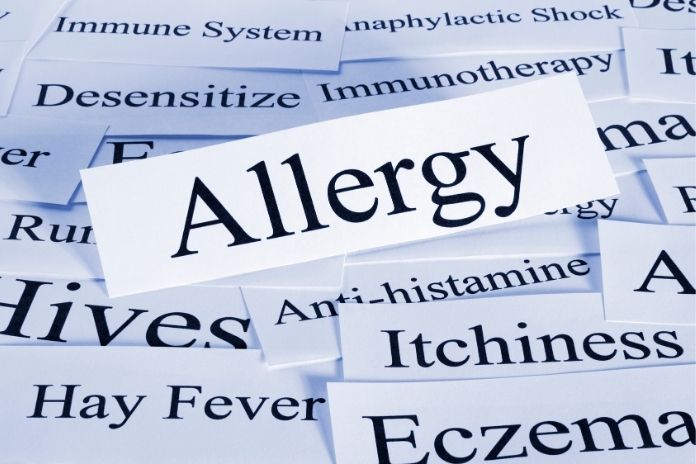
Essential oils are highly concentrated extracts derived from plants through distillation or cold-pressing methods. According to the National Institute of Environmental Health Sciences, these natural oils retain the natural smell and flavor of their source and contain potent therapeutic compounds that have been shown to effectively reduce inflammation, repair damaged respiratory tissues, and improve breathing.
Many essential oils also possess antimicrobial properties that help eliminate harmful pathogens that can trigger allergic reactions. For centuries, essential oils have been used in traditional medicine to treat various ailments, including allergies and respiratory conditions.
Understanding Allergies: Why Do They Happen?

According to medical experts, allergies occur when your immune system overreacts to typically harmless substances. When your body encounters an allergen, it releases histamine, which causes irritation and inflammation in various parts of the body, including the eyes, nose, throat, and skin.
Gillian Ehrlich, ARNP, DNP, is Ayurveda & Functional Medicine certified and is a Gut Council Member for Jetson, which is a probiotics firm.
She describes that during seasonal sinus and respiratory allergies, oils may be diffused while you are sitting in a room within your home; inhaled through steam by placing your head covered in a towel over a bowl of hot water with a few drops of oil; inhaled directly by smelling an oil vial; or oil being applied directly into the nose through a carrier oil such as coconut or grape seed oil.
Ehrlich says, “All oils should be tested in dilute levels via inhalation or on tougher skin before being inhaled at full strength or put into any respiratory cavity, such as with steam inhalation or via direct application to nasal membranes.”
Essential oils can help counteract this response due to their natural anti-inflammatory and antihistamine properties.
Common Types of Allergies
Seasonal Allergies
- Hay fever (allergic rhinitis), caused by pollen from grass, trees, and weeds
- Mold spore reactions
Environmental Allergies
- Pet dander from cats, dogs, and other animals
- Dust mites and household allergens
Food Allergies
- Nuts, dairy products, and shellfish
- Various food additives and preservatives
Chemical Sensitivities
- Strong odors and fragrances
- Cigarette smoke and air pollution
- Changes in humidity levels
Common Allergy Symptoms
Typical allergy symptoms include:
- Sneezing and a runny nose
- Itchy, watery eyes
- Skin rashes and hives
- Nasal congestion
- Fatigue
- Difficulty breathing
Read More: DIY Essential Oil Blends: 6 Home Remedies for Stress and Anxiety
Top Essential Oils for Allergy Relief
1. Lavender Oil
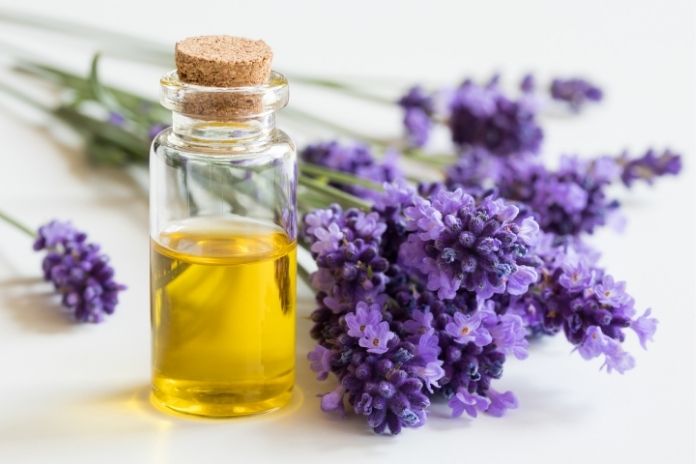
Lavender oil is renowned for its antihistamine and anti-inflammatory properties, making it excellent for reducing allergic reactions. This versatile oil is particularly effective for treating:
- Insect bites and stings
- Skin reactions and hives
- Asthma symptoms
- General inflammation
Clinical studies have shown that lavender oil can help suppress inflammation by reducing histamine production in the body. It’s also effective for pain relief and soothing irritated skin.
2. Tea Tree Oil
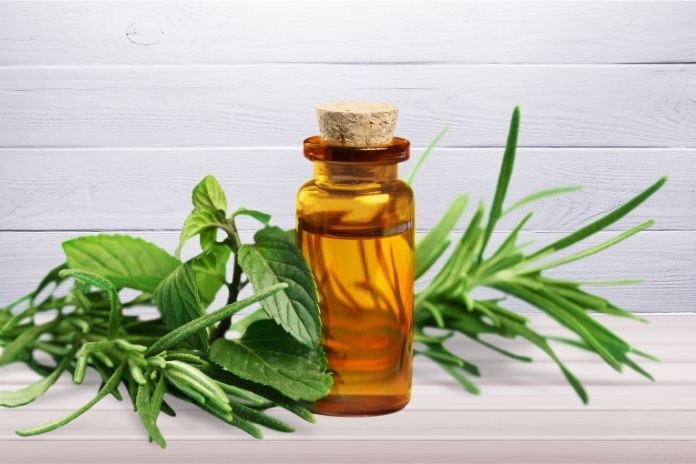
Tea tree oil offers powerful antibacterial, antifungal, and antimicrobial properties that make it ideal for:
- Destroying mold and fungi in your living space
- Reducing skin reactions when diluted with carrier oils like coconut oil
- Eliminating bacteria, viruses, and fungi that can trigger allergies
- Creating a healthier, allergen-free home environment
3. Peppermint Oil
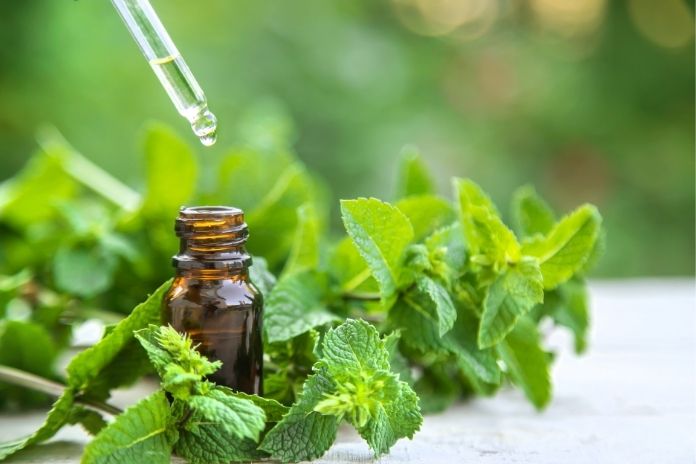
Research published in the National Center for Biotechnology Information has shown that peppermint oil (Mentha piperita) can have protective effects on inflammation in allergic rhinitis. This makes it one of the most effective essential oils for allergies, particularly for sinus-related issues. Its menthol content provides:
- Natural decongestant properties
- Reduced phlegm production
- Easier breathing
- Anti-inflammatory effects on the respiratory system
- Headache relief
Add a few drops to a diffuser to inhale its decongestive benefits throughout the day.
4. Thyme Oil
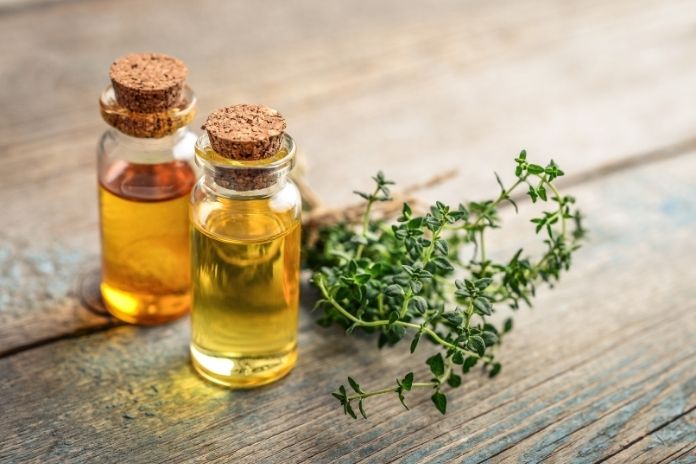
Thyme oil contains multiple therapeutic properties that combat allergies effectively:
- Anti-inflammatory compounds that reduce swelling
- Antifungal and antibacterial properties
- Antimicrobial and antispasmodic effects
- Specific benefits for asthma and bronchitis
This oil is particularly useful for respiratory conditions and can help clear congested airways.
5. Oregano Oil
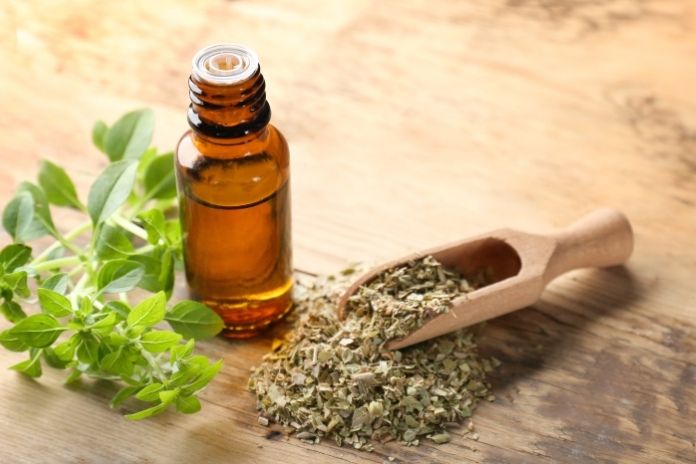
Oregano oil strengthens the immune system while fighting allergic reactions through:
- Antibacterial and antimicrobial properties that keep respiratory tracts clear
- Historical use in treating bronchitis, flu, and colds
- Relief from bacterial infections
- Natural immune system support
6. Clove Oil
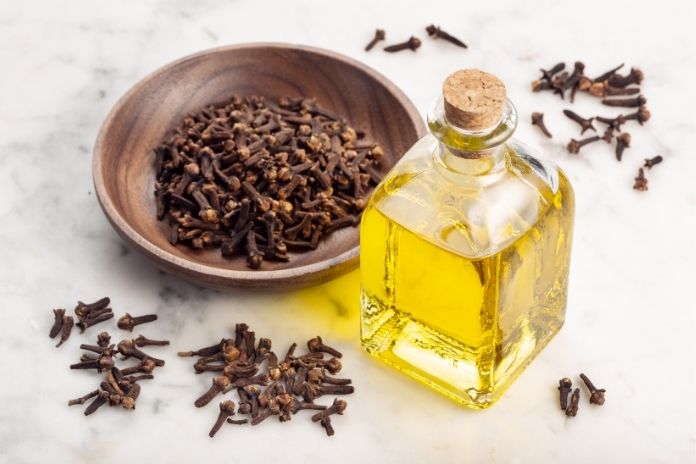
Clove oil provides comprehensive allergy relief by:
- Countering allergic responses throughout the body
- Eliminating fungal infections
- Reducing the severity of allergic reactions
- Boosting immune system function
- Destroying dust mites that promote allergies
- Providing anti-inflammatory benefits
7. Rosemary Oil
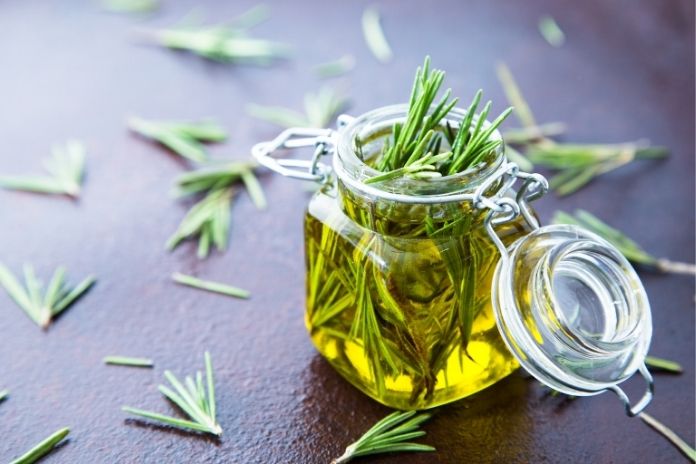
Rosemary oil offers natural antihistamine properties and additional benefits, including:
- Relief from muscle pain and tension
- Antioxidant and antimicrobial properties
- Effectiveness against cough and asthma symptoms
- Protection against histamine damage
- Support for overall respiratory health
8. Basil Oil

Basil oil fights infections while reducing inflammation, making it particularly useful for:
- Long-term allergic reactions
- Bacterial and fungal infections
- Yeast and mold-related issues
- Promoting relaxation and better sleep quality
Additional Benefits of Essential Oils
Beyond allergy relief, essential oils offer numerous other health benefits:
- Natural mosquito and insect repellent
- Wound healing and protection
- Treatment of skin infections
- Relief from joint pain
- Support for various bacterial infections
- Natural aromatherapy benefits
Safety and Usage Guidelines

According to Mayo Clinic experts, when using essential oils for allergies, it’s crucial to follow safety guidelines:
- Always dilute essential oils with carrier oils before applying to skin
- Start with small amounts to test for sensitivity
- Consult with healthcare providers, especially if you have severe allergies
- Use high-quality, pure essential oils from reputable sources
- Follow proper storage guidelines to maintain potency
- Be aware that side effects may include allergic reactions, skin irritation, and sun sensitivity
- The American Lung Association warns that essential oils are highly concentrated, and inhaling them directly can irritate the respiratory tract
Important: Individuals with respiratory conditions like asthma should use extra caution when using essential oils.
Read More: 10 Best Essential Oil Blends for Detoxification and Wellness
Conclusion
Essential oils represent a natural, effective approach to managing allergy symptoms. Clinical studies have demonstrated their ability to improve symptoms and quality of life for people with allergic rhinitis.
These plant-based extracts offer powerful therapeutic benefits with minimal side effects when used properly. By incorporating the right essential oils into your wellness routine, you can find relief from allergies while supporting your overall respiratory and immune system health.
Remember that while essential oils can be highly effective, they should complement, not replace, professional medical care for severe allergies. Always consult with healthcare professionals for persistent or severe allergic reactions.
Ready to start your natural allergy relief journey? Begin with one or two essential oils from our list above, start with small amounts to test your sensitivity, and always prioritize safety by diluting oils and consulting with healthcare providers when needed. Your path to natural allergy relief starts today!
Frequently Asked Questions (FAQ)
Q: Are essential oils safe for everyone with allergies? A: While many people can safely use essential oils, some individuals may experience allergic reactions to the oils themselves. Always perform a patch test before using any new essential oil, and consult with healthcare providers if you have severe allergies or respiratory conditions.
Q: Can I use essential oils if I have asthma? A: The American Lung Association cautions that people with asthma and other respiratory conditions should be especially careful with essential oils, as they can potentially irritate the respiratory tract. Always consult with your doctor before using essential oils if you have asthma.
Q: How should I dilute essential oils for topical use? A: Essential oils should typically be diluted to 1-3% concentration for topical use. This means adding 1-3 drops of essential oil per teaspoon (5ml) of carrier oil like coconut, jojoba, or sweet almond oil. Johns Hopkins Medicine recommends patch testing any diluted oil before full application.
Q: Can essential oils replace my allergy medications? A: Essential oils should complement, not replace, prescribed allergy medications. While research shows promising results for essential oils in managing allergy symptoms, they should be used as part of a comprehensive treatment plan under medical supervision.
Q: Which essential oils are best for seasonal allergies? A: Studies suggest that peppermint, lavender, and eucalyptus oils may be particularly effective for seasonal allergy symptoms. However, individual responses vary, so it’s best to try different oils under proper guidance.
Q: Are there any essential oils I should avoid? A: Some essential oils can cause photosensitivity (increased sun sensitivity) or skin irritation. Citrus oils, in particular, can cause skin reactions when exposed to sunlight. Always research specific oils and their contraindications before use.
Q: How long does it take to see results from essential oils? A: Clinical trials have shown that some people may notice improvements in allergy symptoms within days of consistent use, while others may need several weeks. Results can vary significantly between individuals.
Q: Can children use essential oils for allergies? A: Children’s skin is more sensitive than adults’, and their respiratory systems are still developing. Mayo Clinic notes that further research is needed to determine how essential oils affect children. Always consult with a pediatrician before using essential oils with children.
References
- https://pubmed.ncbi.nlm.nih.gov/24682420/
- https://www.niehs.nih.gov/health/topics/agents/essential-oils/index.cfm
- https://pmc.ncbi.nlm.nih.gov/articles/PMC9790934/
- https://newsnetwork.mayoclinic.org/discussion/home-remedies-what-are-the-benefits-of-aromatherapy/
- https://www.lung.org/blog/essential-oils-harmful-or-helpful
- https://pmc.ncbi.nlm.nih.gov/articles/PMC4808543/
- https://www.hopkinsmedicine.org/health/wellness-and-prevention/aromatherapy-do-essential-oils-really-work
- https://pubmed.ncbi.nlm.nih.gov/32623381/
- https://parade.com/1186274/shelby-deering/essential-oils-for-allergies/
In this Article