












Colorectal cancer has traditionally been considered a disease that affects older adults. However, healthcare professionals and researchers have become increasingly concerned about a growing number of cases diagnosed in younger people.
While colorectal cancer remains more common after age 50, awareness of early-onset colorectal cancer is becoming increasingly important because symptoms are often overlooked or mistaken for less serious digestive conditions. Understanding the warning signs, risk factors, and screening recommendations can help people seek medical attention sooner when needed.
- Early-onset colorectal cancer is colorectal cancer diagnosed before age 50.
- Symptoms may include rectal bleeding, blood in the stool, bowel habit changes, abdominal pain, unexplained weight loss, and fatigue.
- Risk factors include family history, inherited genetic conditions, inflammatory bowel disease, and certain lifestyle factors, though some cases occur without known risk factors.
Read More: Colon Cancer – Types, Stages, Diagnosis, Treatment And Prevention
What Is Early-Onset Colorectal Cancer?

How Early-Onset Colorectal Cancer Is Defined
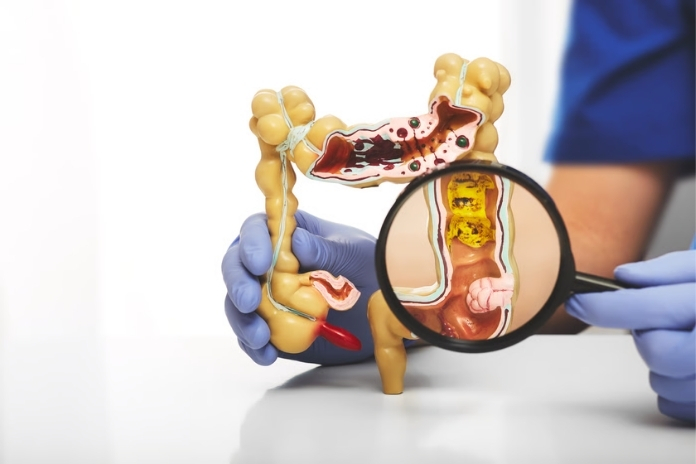
Early-onset colorectal cancer refers to colorectal cancer diagnosed in adults younger than age 50. Colorectal cancer includes cancers that develop in the colon or rectum, which are parts of the large intestine.
Routine screening for average-risk adults began at age 50. Although screening guidelines have changed in recent years, cancers diagnosed before age 50 are still considered early-onset cases.
How It Differs From Colorectal Cancer in Older Adults
The disease itself is biologically similar in many ways to colorectal cancer diagnosed in older adults. However, younger patients are often diagnosed at later stages because cancer may not be immediately suspected.
Symptoms such as rectal bleeding, abdominal discomfort, or changes in bowel habits may initially be attributed to hemorrhoids, stress, irritable bowel syndrome, or other common digestive issues.
Why Healthcare Professionals Are Paying Closer Attention to This Trend
Researchers have observed rising rates of colorectal cancer among some younger populations over the past several decades. Although the overall risk for young adults remains lower than for older adults, the increase has prompted significant research efforts.
Scientists continue to investigate the reasons behind this trend. No single cause has been identified, and multiple factors may contribute to the rise in early-onset colorectal cancer.
What Are the Symptoms of Early-Onset Colorectal Cancer?

Common Warning Signs
Symptoms of colorectal cancer can vary depending on the location and size of the tumor. Common warning signs include:
- Blood in the stool
- Rectal bleeding
- Persistent changes in bowel habits, including diarrhea or constipation
- Abdominal pain or cramping
- A feeling that the bowel does not empty completely
- Unexplained weight loss
- Fatigue caused by iron-deficiency anemia
Some people may experience only one symptom, while others may notice several.
Symptoms That Can Be Mistaken for Less Serious Conditions
Many symptoms associated with colorectal cancer can also occur with non-cancerous conditions. For example, rectal bleeding may result from hemorrhoids, and abdominal discomfort may be linked to digestive disorders. Because these symptoms often have benign explanations, younger adults may delay seeking medical attention.
Why Persistent or Unexplained Symptoms Should Not Be Ignored
Most digestive symptoms are not caused by cancer. However, symptoms that persist, worsen, or have no clear explanation should be evaluated by a healthcare professional.
Read More: Why Do Some People Feel Fine Even With Advanced Cancer?
Who Is Most at Risk for Early-Onset Colorectal Cancer?

Family History and Inherited Genetic Conditions: A family history of colorectal cancer can significantly increase risk, especially when close relatives were diagnosed at a younger age. Several inherited genetic conditions are associated with higher colorectal cancer risk, including:
Lynch Syndrome: Lynch syndrome is the most common hereditary colorectal cancer syndrome. People with Lynch syndrome have inherited genetic mutations that increase the risk of colorectal cancer and several other cancers.
Familial Adenomatous Polyposis (FAP): Familial adenomatous polyposis, or FAP, is a rare inherited condition that causes hundreds to thousands of colorectal polyps. Without appropriate monitoring and treatment, colorectal cancer risk becomes extremely high.
Other Hereditary Cancer Syndromes: Other inherited syndromes may also increase risk, although they are less common than Lynch syndrome and FAP.
Personal Medical History That May Increase Risk
Certain medical conditions can increase the likelihood of developing colorectal cancer at a younger age. These include:
- Inflammatory bowel disease, including Crohn’s disease and ulcerative colitis
- A personal history of colorectal polyps
- Previous radiation therapy involving the abdomen or pelvis
Individuals with these conditions may require earlier or more frequent screening.
Lifestyle and Environmental Factors Associated With Colorectal Cancer Risk

Several lifestyle factors have been linked to an increased risk of colorectal cancer. These include:
- Obesity
- Physical inactivity
- Diets high in processed meats and red meat
- Tobacco use
- Excessive alcohol consumption
While these factors are associated with increased risk, they do not guarantee that someone will develop cancer.
Can You Develop Early-Onset Colorectal Cancer Without Known Risk Factors?
Yes. Some younger adults diagnosed with colorectal cancer have no obvious risk factors, no family history, and no known inherited condition. These cases are known as sporadic cancers. This is one reason symptom awareness remains important, even for people who consider themselves healthy.
Why Are Colorectal Cancer Rates Rising in Younger Adults?

Current Theories Researchers Are Exploring
Researchers are actively studying why colorectal cancer rates have increased among younger adults. Several possible explanations are being investigated:
Changes in Diet and Lifestyle: Modern dietary patterns, including increased consumption of highly processed foods, may influence colorectal cancer risk.
Obesity and Metabolic Health: Obesity has become more common over recent decades and is a well-established risk factor for colorectal cancer.
Gut Microbiome Research: Scientists are exploring whether changes in gut bacteria may affect inflammation, metabolism, and cancer development.
Environmental Exposures: Researchers are also studying environmental factors that could potentially contribute to colorectal cancer risk.
What Is Established Evidence Versus Emerging Research
Some risk factors, such as obesity, smoking, alcohol use, and certain inherited conditions, are supported by substantial evidence. Other areas, including changes in the gut microbiome and certain environmental exposures, remain active areas of research. More studies are needed before firm conclusions can be drawn.
How Is Early-Onset Colorectal Cancer Diagnosed?

Medical History and Physical Examination
The diagnostic process typically begins with a review of symptoms, personal medical history, and family history. Healthcare providers may ask about bowel habits, bleeding, abdominal discomfort, weight changes, and other relevant concerns.
Tests That May Be Recommended
Several tests may be used to evaluate symptoms and diagnose colorectal cancer.
Colonoscopy: A colonoscopy allows a healthcare provider to examine the entire colon and rectum using a flexible camera. It is considered the most comprehensive screening and diagnostic test.
Blood Tests: Blood tests may identify anemia or other abnormalities that warrant further investigation.
Imaging Studies: Imaging tests such as CT scans may help evaluate suspected tumors and determine whether cancer has spread.
Tissue Biopsy for Confirmation: If suspicious tissue is found, a biopsy is performed. Examining the tissue under a microscope is necessary to confirm a cancer diagnosis.
Why Early Diagnosis Can Improve Treatment Options
When colorectal cancer is detected earlier, treatment may be more effective and less extensive. Early diagnosis can increase the number of available treatment options and improve outcomes.
When Should You Get Screened for Colorectal Cancer?
Current Screening Recommendations for Average-Risk Adults
Most major health organizations recommend that average-risk adults begin routine colorectal cancer screening at age 45. Screening can detect cancer at an earlier stage and may also identify precancerous polyps before they become cancerous.
Who May Need Screening Earlier Than the Standard Age?
Some people may benefit from screening before age 45. Higher-risk groups include those with:
- A strong family history of colorectal cancer
- Lynch syndrome
- Familial adenomatous polyposis
- Inflammatory bowel disease
- Other high-risk medical conditions
The appropriate starting age depends on individual circumstances and should be discussed with a healthcare provider.
Types of Colorectal Cancer Screening Tests
Several screening options are available.
Colonoscopy: Colonoscopy remains one of the most effective methods because it can both detect and remove precancerous polyps.
Stool-Based Tests: Stool-based tests can identify hidden blood or abnormal DNA markers associated with colorectal cancer.
Other Approved Screening Methods: Additional options may include CT colonography and flexible sigmoidoscopy, depending on individual circumstances and healthcare provider recommendations. Screening recommendations vary based on personal and family history, making individualized medical guidance important.
Can Early-Onset Colorectal Cancer Be Prevented?

Lifestyle Habits That May Help Lower Risk
While no strategy can completely prevent colorectal cancer, certain habits may help reduce risk. These include:
- Eating a balanced diet rich in fruits, vegetables, and whole grains
- Staying physically active
- Maintaining a healthy weight
- Avoiding tobacco products
- Limiting alcohol consumption
The Role of Routine Screening and Follow-Up Care
Screening plays a critical role in prevention because it can identify and remove precancerous polyps before cancer develops. Following recommended screening schedules and medical follow-up is important for long-term colorectal health.
Genetic Counseling and Testing for High-Risk Families
People with strong family histories of colorectal cancer or known hereditary cancer syndromes may benefit from genetic counseling and testing. These services can help guide screening decisions and identify family members who may also be at increased risk.
When Should You Seek Medical Attention?
Symptoms That Warrant Prompt Evaluation
Medical evaluation should be considered for symptoms such as the following:
- Rectal bleeding
- Blood in the stool
- Persistent abdominal pain
- Ongoing changes in bowel habits
- Unexplained weight loss
- Iron-deficiency anemia
- Persistent fatigue without a clear cause
Why Age Alone Should Not Delay Evaluation
Young age does not take away the risk of colorectal cancer. While most cases still occur in older adults, persistent symptoms deserve attention regardless of age. Seeking medical evaluation when symptoms arise can help identify both cancerous and non-cancerous conditions that may require treatment.
Read More: Think You’re Too Young for Cancer? 75% of Patients Thought So Too
Key Takeaways
Early-onset colorectal cancer refers to colorectal cancer diagnosed before age 50. While inherited genetic conditions and family history can increase risk, some younger adults develop the disease without any obvious risk factors. Symptoms such as rectal bleeding, persistent bowel changes, abdominal pain, fatigue related to anemia, and unexplained weight loss should not be ignored.
Although these symptoms often have non-cancerous causes, persistent or unexplained symptoms deserve medical evaluation. Routine screening, awareness of personal risk factors, and timely medical attention play important roles in the early detection of colorectal cancer.
FAQs
Q. What age is considered early-onset colorectal cancer?
A. Early-onset colorectal cancer refers to colorectal cancer diagnosed before age 50.
Q. Can people in their 20s or 30s get colorectal cancer?
A. Yes. Although uncommon, colorectal cancer can occur in people in their 20s and 30s.
Q. Does having a family history mean you will develop colorectal cancer?
A. No. A family history increases risk but does not guarantee that colorectal cancer will develop.
Q. What are the first signs of colorectal cancer in younger adults?
A. Common early signs may include rectal bleeding, blood in the stool, persistent changes in bowel habits, abdominal discomfort, and unexplained fatigue.
Q. Should younger adults get screened for colorectal cancer?
A. Some younger adults with elevated risk factors may benefit from earlier screening. Screening decisions should be based on individual risk and medical guidance.
References
- American Cancer Society. (n.d.). Blood in the stool, rectal bleeding, and colorectal cancer.
- Patel, S., et al. (2024). Early-onset colorectal cancer: Epidemiology, risk factors, and prevention strategies. Cancers.
- Siegel, R. L., et al. (2024). Rising incidence of early-onset colorectal cancer: Current evidence and future directions. CA: A Cancer Journal for Clinicians.
- UCHealth. (n.d.). Recognizing colorectal cancer symptoms in young adults.
- Yeo, H., et al. (2023). Early-onset colorectal cancer: Clinical characteristics and emerging trends. Journal of Clinical Medicine.
In this Article