











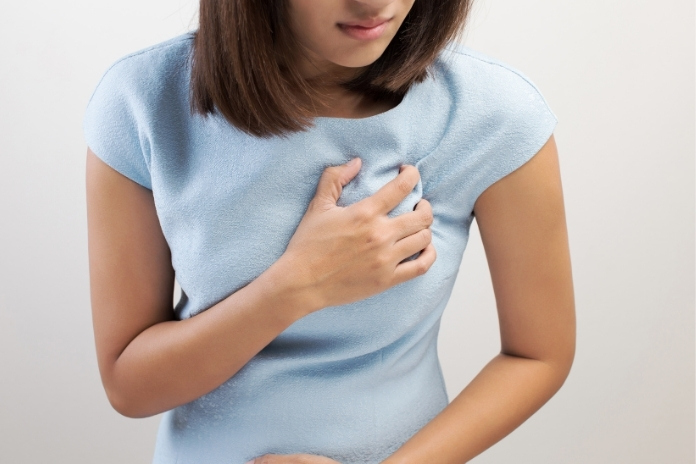
Women’s heart disease is one of the leading causes of death in women in the world, but because their symptoms and risk factors differ from men’s, it frequently goes undiagnosed.
The fact that heart disease symptoms in women might be mild, unusual, or confused with less serious illnesses may go unnoticed by many women. For early detection and improved results, it is crucial to comprehend these distinctions.
This article explores the unique relationship between women and cardiovascular disease, including the early warning signs of heart disease in women, the symptoms of a heart attack in women, and the key risk factors that can increase their risk of developing heart disease.
- Women often experience subtle signs such as fatigue, shortness of breath, or jaw/back pain rather than classic chest pressure.
- Pregnancy complications (like preeclampsia) and post-menopausal estrogen drops sharply increase long-term cardiovascular risk.
- Up to 80% of heart disease is preventable through proactive screenings, stress management, and heart-healthy habits.
Read More: Valvular Heart Disease: Types, Symptoms, and When to Seek Treatment
Why Heart Disease Can Look Different in Women
Many people are unaware that cardiovascular disease (CVD) is the top cause of death for women in the US. Even though over 60 million women, or 44% of the female population, suffer from cardiovascular disease, only approximately half of the American women consider heart disease to be the biggest threat to their health.
Understanding your health risks is the first step in safeguarding your heart health if you are born with a female reproductive system.
Pregnancy:
Certain health issues during pregnancy may have an impact on your heart health both before and after the baby is born.
The following are the most frequent issues that raise your risk of heart disease:
Preterm delivery: Your body may get inflamed if you give birth before 37 weeks of pregnancy. You are more likely to experience a cardiac issue in the future as a result.
Preeclampsia: High blood pressure during pregnancy increases risk of high blood pressure, heart disease, heart stroke, and blood clots in the legs. After delivery, some of these hazards may persist for up to 14 years.
Gestational diabetes: You may develop type 2 diabetes in the future if you are diagnosed with diabetes during pregnancy. Type 2 diabetes increases your risk of a heart attack or stroke.
Menopause:
By their mid- to late-50s, most women no longer have monthly periods. Menopause is the term for this phase of life. A woman’s risk of heart disease increases after getting menopause. This is a result of your body producing less estrogen, a female hormone. Higher cholesterol may result from this. Atherosclerosis can be brought on by high cholesterol.
What Are the Unique Symptoms of Heart Disease in Women?
Women frequently exhibit symptoms that are not typically linked to heart disease, which can cause serious delays in diagnosis and treatment. Women should be especially mindful of the following symptoms:
Struggle to Breathe When Lying Flat: A buildup of fluid in the lungs, an indication of heart failure, may cause difficulty breathing when lying flat.
Snoring or Sleep Apnea: Sleep disorders, such as snoring or sleep apnea, are associated with a higher risk of heart disease and can strain the heart.
Soreness or Pain in the Upper Back, Jaw, or Neck: These areas may present as heart-related pain and are frequently misdiagnosed.
Leg Pain During Walking: Peripheral artery disease (PAD), which is associated with heart disease, may be indicated by leg pain during physical activity.
Swollen Ankles: New swelling may indicate heart failure, a condition in which the heart’s capacity to pump blood is diminished.
Spot Fatty Growths: Fatty deposits around the eyes (xanthelasmas) may indicate heart disease and elevated cholesterol.
What Increases the Risk of Heart Disease in Women?
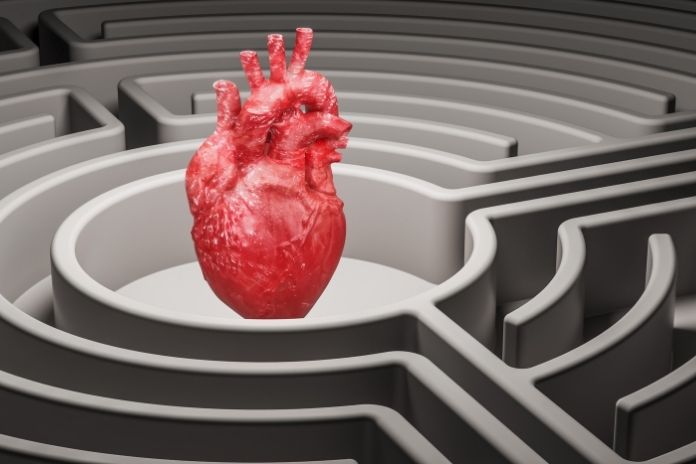
Obesity, high blood pressure, and high cholesterol are risk factors for heart disease. Both men and women are impacted. However, the development of heart disease in women may be more influenced by other factors.
Health issues that raise the risk of heart disease are more common in women than in men and include:
Smoking: Compared to men, women are more at risk of heart disease from smoking.
Being inactive: One of the main risk factors for heart disease is inactivity.
Emotional stress and depression: Women’s hearts may be more affected by stress and depression than those of men. Maintaining a healthy lifestyle and adhering to the treatment recommendations for other medical disorders may be challenging when depressed.
Diabetes: Compared to men, women with diabetes have a higher risk of developing heart disease. Additionally, there is a higher chance of experiencing a silent heart attack since diabetes can alter how people perceive pain. A heart attack that occurs without any symptoms is known as a silent heart attack.
Menopause: A low level of estrogen after menopause increases the chance of developing small artery heart disease.
Pregnancy complication: High blood pressure, or you can say diabetes during your pregnancy, can raise a woman’s long-term risk of high blood pressure and diabetes. Additionally, these disorders increase the risk of heart disease in women.
Early heart disease in the family: Women seem to be more at risk than men for this condition.
Other medical conditions: Heart disease risk is also increased by inflammatory disorders and certain autoimmune diseases, such as scleroderma and lupus.
Read More: Back Pain and Heart Disease: How Referred Pain Can Signal a Heart Problem
How Menopause Can Affect Heart Health
Even though your diet and workout regimen haven’t changed, your body does as you approach menopause. Don’t give up, though, if you’re getting close to menopause and your jeans are a touch tight or your cholesterol is rising.
You don’t have to accept a deterioration in heart health, but changes in weight, shape, and test results are to be expected. You can maintain your happiness and also your health by making small changes.
Estrogen is crucial for maintaining healthy cholesterol levels and blood vessel elasticity. Changes that could raise the risk of heart disease arise when estrogen levels drop after menopause:
Elevated cholesterol: HDL (or “good”) cholesterol may fall while LDL (or “bad”) cholesterol may increase.
Stiffer blood vessels: When arteries become less flexible, blood pressure rises.
Weight gain and metabolic changes: Abdominal obesity, a risk factor for heart disease, is frequently caused by hormonal changes.
Increased risk of diabetes: Insulin resistance is more likely due to metabolic changes.
“Menopause is a natural transition in life, and everyone experiences it differently,” said Lily Stern, MD, a cardiologist at the Cedars-Sinai California Heart Center in Beverly Hills. She adds, “It’s important that you talk to your doctor about your symptoms and changes in your body, no matter how petty they seem.”
How Doctors Diagnose Heart Disease in Women
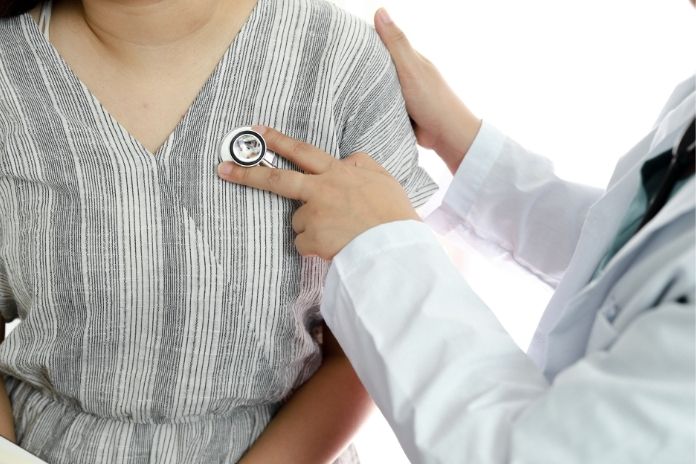
Depending on the clinical situation, several tests can be used to identify heart disease:
Checking your pulse: One of the most crucial aspects of heart health examinations is taking your pulse. It counts heartbeats per minute, determines pulse intensity, and evaluates whether the pulse is regular. You can check your pulse yourself or have your doctor or nurse check it.
Blood pressure: Your doctor, nurse, or healthcare assistant can take your blood pressure, which is a crucial measurement.
Two readings are recorded:
- When the heart contracts and pumps blood into the arteries, the pressure in the blood vessels is measured as systolic pressure (the higher reading).
- When the heart refills with blood, the diastolic pressure (the lower value) is recorded.
Echocardiogram: An ultrasound scan of the heart is called an echocardiogram, or “echo.” It creates an image of your heart using high-frequency sound waves. Usually performed in a hospital or outpatient facility, this operation is painless.
Electrocardiogram: An electrocardiogram (ECG) is a test that captures the heart’s electrical activity. The ECG helps detect issues with your heart’s rhythm or rate by showing what’s happening in different parts of the heart. The ECG takes five to ten minutes to complete and is painless.
Stress test: It is also known as an exercise tolerance test (ETT) or a treadmill test. This test is similar to an ECG but monitors the heart’s activity when it works harder, such as during treadmill walking. This “exercise” ECG captures the heart’s reaction to physical activity.
Magnetic resonance imaging (MRI): This non-invasive procedure produces images of the heart and blood vessels using a magnetic field within a scanner. It helps examine issues with the blood flow and the heart’s anatomy.
Cardiac computed tomography, often called cardiac CT, uses specialized X-ray equipment to rotate around your body and capture finely detailed three-dimensional images of your heart.
Read More: Blood Tests for Heart Disease: Beyond Cholesterol — What Markers Really Matter?
What Women Can Do to Lower Their Risk of Heart Disease

The plain fact is that with the right knowledge and good everyday practices, most cases of heart disease can be avoided. A heart-healthy way of living consists of:
Consume heart-healthy foods, such as fruits, vegetables, lean meats, whole grains, low-fat or fat-free dairy products, nuts, and seeds. Limit your intake of alcohol, processed foods, added sugars, and salty foods.
Engage in regular exercise: Aim for 150 minutes of moderate activity each week, such as brisk walking. Or engage in more strenuous exercise, like cycling or jogging, for 75 minutes. You can also combine the two.
Manage stress and mental health: Reduce stress by practicing mindfulness and meditation, engaging in regular exercise, getting enough sleep, or consulting a therapist.
Limit alcohol consumption and abstain from smoking: If you smoke, give it up. If you do use alcohol, limit it to one drink per day.
Get enough sleep: Aim for at least seven to nine hours per night.
Make an appointment with your physician to discuss measures to maintain your health and to determine your individual risk of heart disease.
When Should a Woman Seek Immediate Medical Attention?
Get help right away if you’re experiencing:
- Persistent chest pain
- Severe dyspnea
- Sudden fainting or weakness
- Jaw, neck, back, or arm pain that spreads
- Unexplained weariness, along with other symptoms
Conclusion
Due in large part to the fact that its symptoms might be mild and deviate from conventional expectations, heart disease in women is still a serious but frequently underappreciated health risk.
Early detection and prompt medical attention depend on an understanding of these distinctions. Several factors, including hormonal fluctuations, pregnancy-related disorders, and lifestyle choices, influence the total risk.
Women should take proactive measures to improve their heart health by being aware of the heart disease symptoms in women, even less evident ones like exhaustion, dyspnea, or nausea. Adopting healthy behaviors, getting regular checkups, and being aware of one’s own risk factors are all essential components of prevention.
Read More: Lack Of Sleep In Women Enhance Risks Of Obesity And Heart Disease, New Study Finds
FAQs
Are heart attack symptoms different in women than in men?
Indeed, heart disease symptoms in women are frequently less common, such as nausea and exhaustion rather than excruciating chest pain.
At what age does heart disease risk increase for women?
Risk rises after menopause, making heart disease after menopause more common.
Does menopause increase the risk of heart disease?
Although menopause may not directly cause heart disease, it does increase your risk.
Can younger women develop heart disease?
The typical age for this potentially fatal medical condition is over 70 for women and around 65 for men, so your chances of suffering a heart attack in your 20s, even in your 30s or 40s, are quite low.
How often should women have heart health screenings?
Preventive heart screening and routine examinations are advised, particularly when risk factors are present.
References
- Minneapolis Heart Institute Foundation. (2025, June 27). Caring for her heart: How cardiovascular disease looks different in women.
- Katella, K. (2023, February 10). How is heart disease different in women?
- PeaceHealth. (2026, January 30). Why heart disease looks different for women.
- MedlinePlus. Heart disease in women.
- Mayo Clinic. (October 25, 2024). Heart disease in women: Understand symptoms and risk factors.
- Solution Health. (2024, September 5). 8 often-overlooked symptoms of heart disease in women.
- National Heart, Lung, and Blood Institute. (2024, December 27). Coronary heart disease: Women and heart disease.
- Tomlin, C. (2025, February 7). Menopause and heart health: What to know.
- The Association for Women’s Health Care. (2025, August 16). The connection between menopause and heart health.
- NHS inform. (2025, October 20). Tests for diagnosing heart conditions.
In this Article