













Most people who are told they have high cholesterol receive two things: a lab report and a recommendation. Sometimes, they receive a prescription as well. What many do not receive is a clear explanation of what is actually happening inside their arteries.
A person may know that their LDL cholesterol levels are elevated and that this can increase their risk of heart disease. But the process happening beneath the surface, how cholesterol interacts with artery walls and contributes to plaque formation over time, often remains invisible and poorly understood.
Scientists have spent decades studying it. Today, we understand much more clearly how high cholesterol affects the arteries. The process is specific, progressive, and surprisingly well understood.
Hyperlipidemia is now recognized as one of the major drivers of atherosclerotic cardiovascular disease, a condition characterized by cholesterol- and immune cell-rich deposits that form within arterial walls. And it does not happen all at once. It happens step by step.
- High cholesterol damages arteries through a stepwise process. LDL particles enter the artery wall, become oxidized, trigger immune system activation, create foam cells, and gradually form atherosclerotic plaques.
- Over time, these plaques may narrow arteries or become unstable and rupture, causing heart attacks or strokes.
- Early cholesterol management reduces lifetime arterial exposure and lowers long-term cardiovascular risk.
Step One: LDL Enters the Artery Wall

Most people imagine cholesterol simply floating through the bloodstream and sticking to artery walls like grease building up inside a pipe. It is an easy picture to understand, but it is not accurate.
The process begins with the endothelium, the thin inner lining of every artery. Although it is only one cell layer thick, this delicate barrier plays a powerful role in regulating what enters and leaves the arterial wall and in helping maintain the health and function of blood vessels.
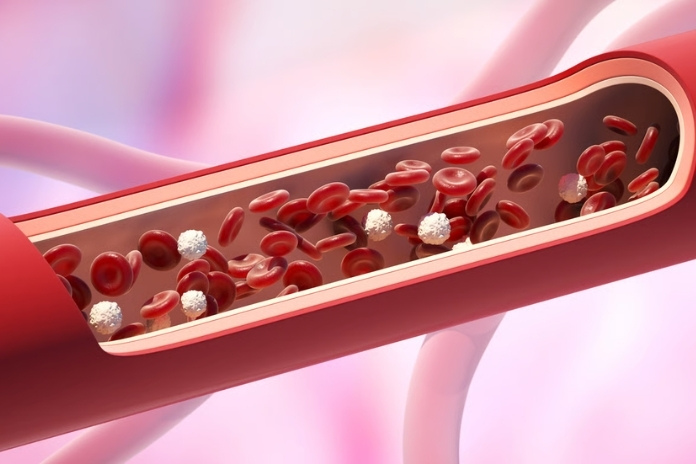
In healthy arteries, this barrier works remarkably well. But LDL particles are tiny. When LDL levels remain elevated for years, some LDL particles begin to move across the endothelial layer and become trapped beneath it, within a region called the intima. This is where atherosclerosis begins. Not inside the bloodstream. Inside the artery wall itself.
Scientists call this subendothelial retention. It does not only involve LDL. Other apolipoprotein B-containing particles, such as lipoprotein(a) and triglyceride-rich lipoproteins, can also become trapped.
At this stage, the cholesterol is mostly silent. The artery still looks normal from the outside. Blood flow remains normal. No symptoms. The real trouble begins after the LDL becomes trapped. Once inside the arterial wall, LDL is exposed to an environment very different from circulating blood. Chemical changes begin to occur.
One of the most important is oxidation. Oxidized LDL behaves very differently from ordinary LDL. This is the point where cholesterol changes from a passive cargo particle into something biologically dangerous.
Oxidized LDL promotes endothelial dysfunction. It attracts immune cells. It stimulates inflammation. Without oxidation, atherosclerosis would look very different. With oxidation, the process accelerates.
Step Two: The Immune System Responds and Makes Things Worse
The next stage surprises many people. Atherosclerosis is not simply a cholesterol problem. It is also an immune system problem. When oxidized LDL accumulates within the arterial wall, the immune system detects it.
Unfortunately, this protective response creates a bigger problem than the original trigger. White blood cells called monocytes are recruited to the area. They move from the bloodstream, pass through the endothelium, and enter the arterial intima, the inner layer of the artery wall.
Once inside, these monocytes transform into macrophages. These cells act like the body’s professional cleanup crew, designed to detect, engulf, and remove unwanted substances.
At first, this process appears beneficial. The macrophages identify oxidized LDL particles and begin repeatedly engulfing them. However, the problem is that oxidized LDL enters macrophages through specialized structures called scavenger receptors, causing the cells to continuously accumulate cholesterol rather than effectively clearing it.
Unlike normal LDL receptors, scavenger receptors do not shut off when intracellular cholesterol levels become excessive. There is no proper braking system. The macrophages keep consuming cholesterol long after they should stop.
Gradually, they become swollen with lipids. Under a microscope, they develop a foamy appearance.
This is where the term “foam cells” comes from. Foam cells are one of the defining features of early LDL cholesterol atherosclerosis. And they are not passive storage containers. They release inflammatory chemicals. Those chemicals attract even more immune cells. This creates more inflammation. This attracts more cells. A cycle begins. The body arrives to solve the problem. Then, it accidentally helps it grow.
Step Three: The Plaque Forms and Grows
For many years, this process can continue quietly. No chest pain. No warning signs. No obvious symptoms. Meanwhile, inside the artery, the lesion grows. Foam cells accumulate. Some die and release their contents. Cholesterol crystals appear. Inflammatory debris collects. Calcium begins depositing.
Layer by layer, material builds inside the arterial wall. Eventually, an atherosclerotic plaque forms. This plaque sits inside the artery wall itself. As it grows, it starts pushing inward toward the lumen, the space where blood flows.
The channel becomes narrower. Not overnight. Usually over decades. One reason atherosclerosis is dangerous is that it is a systemic disease. It rarely affects only one artery.
The same process can occur in arteries throughout the body, including the coronary arteries that supply the heart, the carotid arteries that supply the brain, the arteries that supply the legs, and the renal arteries that supply the kidneys.
Over time, plaque buildup in these critical blood vessels can interfere with blood flow and increase the risk of serious complications affecting different organs.
Large sections of the vascular system can be affected simultaneously. At some point, another important structure develops. The fibrous cap. This cap forms over the lipid-rich core of the plaque. It consists mainly of smooth muscle cells and connective tissue. You can think of it as a protective covering.
Its job is to separate the highly inflammatory contents of the plaque from the bloodstream. The thickness of this cap matters enormously. Because it often determines what happens next.
Step Four: The Most Dangerous Moment: Plaque Rupture
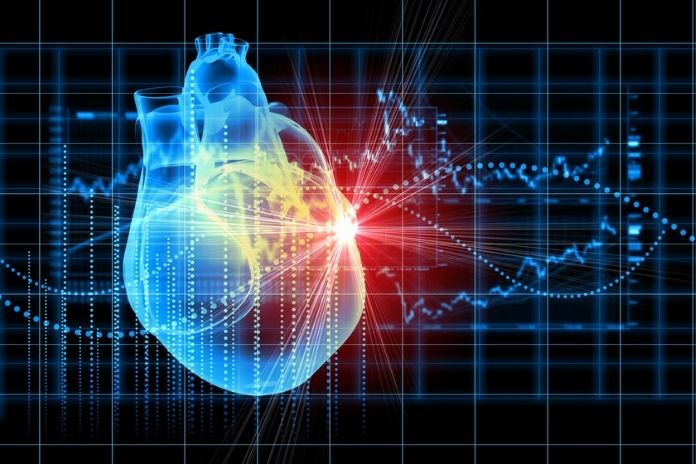
Many people assume arteries become dangerous only when they are severely blocked. Actually, some of the most dangerous plaques are not the biggest. They are the most unstable.
A stable plaque may substantially narrow an artery. Blood flow becomes restricted. Symptoms can develop. A person with coronary artery disease and LDL-related plaque may develop angina during exercise. Someone with peripheral arterial disease may develop leg pain while walking.
These symptoms are serious. But they are usually chronic. The real emergency begins when a plaque becomes vulnerable. A vulnerable plaque has several characteristics. A large soft lipid core. Ongoing arterial inflammation and cholesterol-related damage. And most importantly, a thin fibrous cap.
Over time, inflammatory cells release enzymes that gradually weaken this cap. The protective covering becomes fragile. Eventually, it may rupture. When that happens, the plaque’s inner contents are suddenly exposed to circulating blood.
The body interprets this as an injury. Immediately, the clotting system activates. Platelets rush to the site. A blood clot forms. Sometimes the clot remains small. Sometimes it grows large enough to completely block blood flow.
This is the moment when years of silent disease suddenly become a medical emergency. If the blockage occurs in a coronary artery, the result can be a heart attack. If it occurs in a cerebral artery, the result can be a stroke. Dr. David Kovacich, MD, a board-certified cardiologist, says, “Over the course of time, elevated cholesterol levels can damage the arteries, contribute to heart disease, and increase the risk of stroke.”
This is why plaque rupture heart attack risk is so important in cardiology. The plaque causing the event may not even have been the largest plaque present. It simply had the most dangerous structure.
Why LDL Level and Duration Both Matter
A single cholesterol reading shows what is happening at that moment — but it does not reveal the complete picture. Cardiologists increasingly consider a concept known as cumulative exposure: the total burden of cholesterol exposure your arteries experience over time.
The idea is simple: your arteries do not respond only to today’s numbers. They carry the biological effects of years of exposure, inflammation, and damage. In a way, your arteries keep a record of what they have experienced.
Every year of elevated LDL contributes to total lifetime exposure. Researchers sometimes describe this as the area under the LDL-versus-age curve. The longer arteries are exposed to elevated LDL, the greater the opportunity for plaque formation.
This helps explain something that confuses many patients. Why do doctors often care about cholesterol in younger adults even when symptoms are absent? Because the process starts early.
Evidence suggests early cholesterol exposure contributes significantly to later cardiovascular disease risk. Someone who lowers LDL at age 40 prevents twenty additional years of exposure compared with someone who waits until age 60.
Even if both eventually have the same cholesterol number. The cumulative burden becomes very different. Modern genetic studies and large clinical trials continue to support this idea. Both cholesterol and inflammation play causal roles. And both become more important the longer the exposure continues.
Read More: Can You Eat Eggs If You Have High Cholesterol?
What High HDL Cholesterol Does: The Protective Side
Not all cholesterol particles behave the same way. HDL cholesterol plays a different role. One reason HDL became known as “good cholesterol” is that it participates in reverse cholesterol transport.
This process works in almost the opposite way to LDL. Instead of delivering cholesterol into tissues, HDL helps collect excess cholesterol and transport it back toward the liver for removal.
Inside plaques, HDL can remove cholesterol from foam cells. This contributes to plaque regression and reduction in lipid burden. For years, this created a simple idea. Higher HDL equals lower risk.
Today, the picture looks more complicated. Researchers have learned that HDL function may matter as much as HDL quantity. Some people have very high HDL levels without receiving the expected cardiovascular protection.
So while HDL still plays an important protective role, modern prevention strategies remain focused primarily on reducing LDL exposure. That remains the most reliable target.
Read More: Fibermaxxing for Cholesterol: Why Psyllium Husk May Lower LDL Better Than “Heart-Healthy” Cereals
Can Arterial Damage Be Reversed?

This is usually the question people care about most. If plaque already exists, can anything be done? The answer is yes. But not completely. This is where some online content becomes misleading. “Prevention and treatment strategies work remarkably well to dramatically slow and even reverse disease progression,” Dr. Khurram Nasir, a preventive cardiologist, says.
Atherosclerosis is not like dirt that can simply be cleaned away. Established arterial disease involves structural changes. Inflammation. Scar tissue. Calcification. Years of biological remodeling. Those changes do not vanish.
However, plaque regression is real. Imaging studies have repeatedly shown that intensive LDL lowering can reduce plaque volume over time. The process is slow. Often measured in years. Not months.
When LDL levels remain very low, less new cholesterol enters the artery wall. Meanwhile, HDL-mediated cholesterol removal continues.
Gradually, the lipid core can shrink. Some plaques become more stable. The risk of rupture decreases. This is clinically important even when a complete reversal does not occur.
What generally does not reverse well is extensive calcification and longstanding structural arterial changes. This is why prevention remains more powerful than treatment. The earlier LDL exposure is reduced, the less opportunity plaque has to develop.
Read More: How to Lower Cholesterol During Menopause: Effective Strategies for Cardio Health
Conclusion
Atherosclerosis is not an abstract lab value. It is a real biological process unfolding inside artery walls over many years. LDL enters the arterial wall, becomes oxidized, attracts immune cells, forms foam cells, builds plaque, weakens the fibrous cap, and sometimes triggers clot formation.
This sequence is responsible for more deaths worldwide than any other disease process. Understanding it changes cholesterol management from something administrative into something meaningful. The earlier elevated LDL is addressed, the less cumulative arterial exposure occurs, and the more that the long-term outcome can change.
- Atherosclerosis is now understood as both a lipid disease and an immune system disease. Cholesterol alone does not explain the entire process.
- The most dangerous plaque is not always the largest plaque. Plaque stability often matters more than plaque size.
- Researchers are increasingly studying inflammation-targeting therapies alongside cholesterol-lowering therapies because both contribute to cardiovascular risk.
- Lifetime LDL exposure appears more predictive than a single cholesterol reading, yet many people still think of cholesterol as a yearly number rather than a cumulative process.
- A major research gap remains in understanding why some plaques stay stable for decades while others suddenly become vulnerable plaques and rupture.
FAQs
1. How long does it take for high cholesterol to damage arteries?
High cholesterol can begin damaging arteries early, even in adolescence. Atherosclerosis starts with fatty streak formation and progresses silently over decades. Cumulative LDL exposure drives plaque buildup, meaning clinically significant artery disease often develops years before symptoms appear.
2. Is high cholesterol always dangerous?
No, high cholesterol is not equally dangerous for everyone. Cardiovascular risk depends on LDL levels, duration of exposure, and coexisting factors such as diabetes, smoking, hypertension, age, and genetics. Doctors assess overall risk rather than relying on cholesterol values alone.
3. Can you feel atherosclerosis developing?
No, atherosclerosis usually causes no symptoms in its early stages. Plaque buildup occurs silently within arteries and becomes noticeable only when blood flow is significantly reduced or a plaque ruptures. Regular cholesterol screening helps detect risk before complications occur.
References
- Dodani, S., Grice, D. G., & Joshi, S. (2009). Is HDL function as important as HDL quantity in the coronary artery disease risk assessment? Journal of Clinical Lipidology, 3(2), 70–77.
- Domanski, M. J., Tian, X., Wu, C. O., Reis, J. P., Dey, A. K., Gu, Y., Zhao, L., Bae, S., Liu, K., Hasan, A. A., Zimrin, D., Farkouh, M. E., Hong, C. C., Lloyd-Jones, D. M., & Fuster, V. (2020). Time Course of LDL Cholesterol Exposure and Cardiovascular Disease Event Risk. Journal of the American College of Cardiology, 76(13), 1507–1516.
- Meer, M., Meer, M., Mumtaz, M., & Jawed, U. (2025). Role of Genetics in Early-Onset Cardiovascular Disease. Cureus.
- Quan, W., Han, H., Liu, L., Sun, Y., Zhu, Z., Du, R., Zhu, T., & Zhang, R. (2023). Influence of LDL-Cholesterol Lowering on Coronary Plaque Progression of Non-Target Lesions in Patients Undergoing Percutaneous Coronary Intervention: Findings from a Retrospective Study. Journal of Clinical Medicine, 12(3), 785–785.
- Zhang, Y., Vittinghoff, E., Pletcher, M. J., Allen, N. B., Zeki Al Hazzouri, A., Yaffe, K., Balte, P. P., Alonso, A., Newman, A. B., Ives, D. G., Rana, J. S., Lloyd-Jones, D., Vasan, R. S., Bibbins-Domingo, K., Gooding, H. C., de Ferranti, S. D., Oelsner, E. C., & Moran, A. E. (2019). Associations of Blood Pressure and Cholesterol Levels During Young Adulthood With Later Cardiovascular Events. Journal of the American College of Cardiology, 74(3), 330–341.
In this Article