















Women’s sexual health is frequently disregarded in medical discussions, even though it is an essential component of total well-being. Concerns, including low libido, painful sex, vaginal dryness s, or trouble achieving orgasm, are common among women, but they are rarely addressed during routine examinations.
In this article, we will explore what women’s sexual health problems include, why women’s sexual health is overlooked, common conditions like female sexual dysfunction, and how you can seek the right care.
- Female pleasure and function rely on a highly complex mix of physical biology, hormone shifts, and emotional or relationship health.
- Chronic pain, dryness, or a total loss of desire are medical issues, not just inevitable side effects of aging or giving birth.
- Modern solutions have moved far beyond surgery, frequently relying on highly effective pelvic physical therapy, lifestyle changes, and targeted medication.
Read More: Breaking Taboos: Candid Conversations About Women’s Sexual Health
What Does Women’s Sexual Health Actually Include?
What do you think a fulfilling, healthy sexual life entails? The answers to this question vary greatly and are probably going to change over the course of your life.
For instance, you might be content with your sexual life if you:
- Feel close to your significant other
- Enjoy sex for the pleasure and connection it brings
- Feelcomfortable without engaging in sexual activities
How often you experience sexual desire or engage in sexual activity is not something that can be defined as “normal” or “abnormal.” Your sexual satisfaction is shaped by many factors, including your past experiences with intimacy and sex, your physical and emotional well-being, and the influences of your friends, family, culture, and environment.
Understanding research in sexual biology is essential to gaining insight into female desire, arousal, and orgasm. For a long time, what was deemed “normal” sexual response (for desire, arousal, and orgasm) in the majority of males was used to determine “normal” sexual response in females.
Arousal precedes desire for most women. Women typically require time and a combination of kissing, clitoris and nipple stimulation, and other touches to become fully aroused.
Men experience orgasm during sex more frequently compared to women, according to studies. Misconceptions regarding female pleasure could be a contributing factor in this. For instance, clitoral stimulation and other forms of “outerplay” are more likely to cause orgasms in women than vaginal penetration alone.
Women who are fully aroused are much more likely to experience an orgasm, but it’s crucial to understand that sexual enjoyment can occur without it. Many women describe meaningful sexual encounters in which having an orgasm isn’t the only way to measure intimacy and pleasure.
Why Have Women’s Sexual Health Concerns Often Been Overlooked?
Men’s health has historically received more attention than women’s in medical research and innovation. Women’s sexual health is still grossly underrepresented, despite advancements over the past 30 years.
The following are the most notable of the many reasons why women’s sexual health is not discussed:
Taboo: Women are frequently embarrassed to discuss or have a libido.
Provider Gaps: You are unlikely to bring it up if your healthcare provider is untrained in this area.
Cultural Errors: “Vagina” is bleeped out on television, while “penis” is socially acceptable. The media frequently portrays women having sex as effortless, which is untrue.
This kind of thinking leads to a recurring issue. Women believe that their problems are unimportant and frequently appear uncomfortable discussing them, which results in little action being taken.
Common Women’s Sexual Health Problems That Deserve Attention

Sexual dysfunction in women may happen at any time. According to research, a variety of circumstances drive the female body to undergo diverse alterations. Some women may experience these problems for a brief period. Others endure lifelong suffering due to them.
Being aware of these issues might help you seek appropriate medical care as soon as possible. These are the typical forms of sexual dysfunction in women that you should be aware of.
Female sexual interest/arousal disorder, or FSIAD
Physical arousal and sexual desire are issues for a woman with FSIAD. For a diagnosis to be made, these symptoms must persist for at least six months. The aforementioned symptoms must also lead the woman to feel distressed. Loss of interest in any sexual activity is another aspect of this kind of female sexual dysfunction. The incapacity to react to physical or mental stimulation is one of its symptoms.
Female orgasmic dysfunction, or FOD
A medical problem may not necessarily cause an orgasmic crisis in a woman. Some people require prolonged stimulation to reach a climax, according to research. For this reason, experimentation and open communication can help identify individual needs during sexual activity. Educating a partner about factors that enhance arousal may also improve the overall experience.
Persistent genital arousal disorder, or PGAD
An involuntary genital arousal is the term used to characterize this sexual problem. It can occur with or without desire or stimulus. The lady could experience an orgasm for no apparent cause. According to a recent study, neurological issues may be the cause of this kind of sexual dysfunction in women. These issues could manifest as nerve damage or brain lesions.
Sexual discomfort
This type of female sexual dysfunction is also known as dyspareunia. The woman frequently has pain before, during, or even following sexual activity.
A variety of medical issues can cause sexual pain. Here are a few of them:
- Pelvic floor dysfunction is brought on by strained or damaged pelvic muscles.
- Involuntary contractions of the pelvic floor and vagina can result from vaginismus. This occurs before actual penetration.
- Yeast infections or STIs (sexually transmitted infections).
- Low estrogen levels might cause inadequate lubrication during sexual activity. Sexual penetration may become painful as a result of the vaginal tissue thinning.
Read More: Essential Oils for Feminine Hygiene: Aromatherapy and Women’s Well-being
Why Sexual Health Problems Are Often Complex
Hormones play a central role in women’s sexual wellness:
- Lubrication is impacted by estrogen
- Desire is influenced by testosterone
- Sexual function is impacted by changes that occur during menopause and after giving birth
Women’s sexual health problems can be exacerbated by chronic illnesses such as:
- Diabetes
- Heart condition
- Thyroid conditions
Low libido in women and female sexual dysfunction are significantly impacted by stress, anxiety, and melancholy.
What Is Female Sexual Dysfunction?

The medical name for persistent sexual issues that cause you or your spouse distress is female sexual dysfunction. Sexual responsiveness, desire, orgasm, or discomfort during sex can all be issues.
Sexual issues affect a lot of people at some point. Some people have them their whole lives. Sexual dysfunction in women may occur at any age. During intercourse, it may occur sometimes or constantly.
Sexual reaction is intricate. It includes how your body functions, your emotions, events in your life, your beliefs, your way of life, and how you interact with your relationships. Sexual desire, arousal, or fulfillment can all be impacted by issues in any one of these domains. Multiple approaches are frequently used in treatment.
The following are examples of female sexual dysfunction (FSD):
- HSDD stands for Hypoactive Sexual Desire Disorder
- Disorder of Sexual Arousal (FSAD)
- PSAS stands for persistent sexual arousal syndrome
- Orgasmic disorder
When Is a Sexual Health Concern a Medical Issue?
You should consult a sexual health doctor for women if:
- Persistent women’s sexual health problems lower their quality of life
- Frequent painful sex in women or pelvic pain during sex is not normal
- Unexpected changes in arousal, orgasm, or desire
- Changes linked to sexual health after menopause or postpartum recovery
How Doctors Evaluate Women’s Sexual Health Concerns
The state of well-being in reference to sexuality is known as sexual health. Sexual well-being is highly regarded and linked to general health. The absence of illness or dysfunction is only one aspect of overall health and well-being.
A comprehensive evaluation of sexual health must be included in health care systems that use whole health models of care. This involves evaluating the gender identity and sexual orientation of the patients (SOGI).
Health systems, like the Veterans Health Administration (VHA), could improve preventive care, promote healthy sexual functioning, and enhance overall health and well-being if they integrated sexual health into whole health. Providers can learn vital information about a patient’s health, well-being, and health objectives by evaluating their sexual health.
Read More: Top Vaginal Health Supplements You Can Buy Online (Probiotics, Prebiotics & More)
What Treatments Can Actually Help?
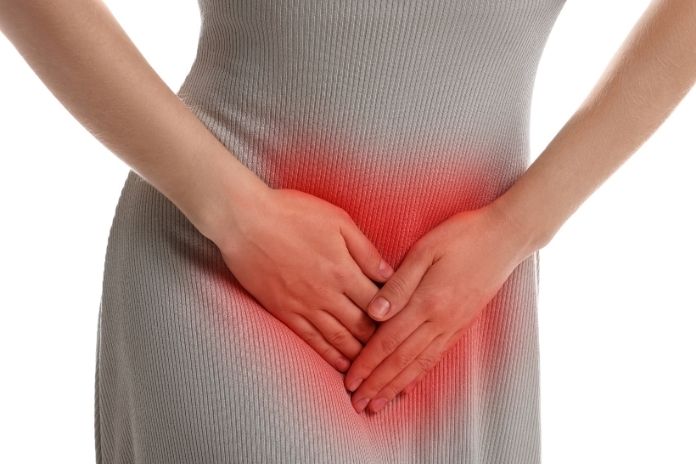
Important Lessons Learned from Treating Female Low Libido:
- A comprehensive, individualized strategy that addresses relational, psychological, and physical issues is the most effective way to treat low libido in women
- Exercise, stress reduction, and regular sleep patterns are examples of lifestyle modifications that can greatly increase female sexual desire
- For women with chronic low libido, there are medical treatments, such as FDA-approved drugs and hormonal therapy, which should be customized to meet specific needs
- To address underlying emotional or relational problems that affect females’ low libido, sex therapy and counseling are crucial
- If low sexual desire is associated with pain or other health issues, interferes with relationships, or causes distress, a professional evaluation is advised
- When self-care, medical therapies, and professional advice are combined, the majority of women report significant increases in sexual function and enjoyment
How to Talk to Your Doctor About Sexual Health
Getting Ready for the Discussion:
- Keep track of your symptoms
- Take note of triggers
- Write inquiries
This makes talking to your doctor about sexual health easier.
Possible Questions to Pose:
- What might be the source of my symptoms?
- Do I have to take tests?
- What alternatives do I have for treatment?
Common Myths About Women’s Sexual Health
Common misconceptions that prevent women from getting treatment for issues related to their pelvis and sexual health:
Myth #1: Women can expect pelvic health problems, including bladder leaks and uncomfortable sex, particularly if they have given birth.
Fact: You don’t have to accept pelvic health issues just because you’re a woman, have kids, or are older.
Myth #2: As you get older, bladder issues only arise. It cannot be undone.
Fact: Women of all ages, ranging from 20 to years, experience pelvic and bladder problems.
Myth #3: The only treatment for pelvic and sexual health problems is surgery.
Fact: “Let’s just do surgery or prescribe pills” is no longer an option. Pelvic physical therapy is currently the first line of treatment because many problems can be resolved with exercise and other lifestyle modifications.
Conclusion
A vital but frequently overlooked aspect of general wellbeing is a women’s sexual health. Many women usually face issues that impact their relationships, comfort, and confidence, but these problems are often disregarded or ignored. The first step to effective care is realizing that symptoms are real and worthy of attention.
Personalized evaluation is crucial since conditions associated with female sexual dysfunction are common and may involve a combination of physical, mental, and lifestyle variables.
Read More: Less Sexual Intimacy With Partner Linked With Early Menopause
FAQs
What Is Female Sexual Dysfunction?
A collection of disorders that impact pain, orgasm, arousal, or desire.
Is Low Libido a Medical Condition?
Yes, particularly when connected to hormonal problems or HSDD.
Is Pain During Sex Ever Normal?
Women may experience occasional discomfort, but having painful sex regularly is abnormal.
Can Menopause Affect Sexual Health?
Indeed, GSM and hormonal changes frequently impact sexual health after menopause.
Which Doctor Should I See for Sexual Health Problems?
A gynecologist or a sexual health doctor for women.
Are There Effective Treatments Available?
Yes, including drugs and lifestyle modifications.
References
- Kaiser Permanente. Desire, arousal, and orgasm.
- CNY Women’s Healthcare. Female sexual health.
- Rogin, A., & Mufson, C. (2022, October 29). Why is women’s sexual health so understudied?
- Anne Scott, M.D. (April 23, 2024). 4 Common Female Sexual Health Issues: How to Detect Them, and What to Do Next.
- Mayo Clinic. (October 30, 2024). Female sexual dysfunction.
- Health in Aging Foundation. Care & treatment: Sexual health.
In this Article