

















Have you ever wondered whether menopause and osteoporosis are connected, or why bone loss after 40 seems to happen quietly without warning?
Many women only start thinking about how to prevent osteoporosis after menopause when a fracture or height change appears. During this stage of life, hormonal shifts can gradually weaken bone density, often without clear symptoms in the early years.
The good news is that this process is not unavoidable. With the right nutrition, exercise, and timely screening, it is possible to slow bone loss and protect long-term bone health.
This guide explains what changes after 40 and how you can take practical steps to stay strong and mobile.
- Menopause and osteoporosis are closely linked due to falling estrogen levels
- Bone loss after 40 is silent and often noticed only after fractures
- Highest bone loss occurs during perimenopause and early menopause
- Risk increases with early menopause, genetics, poor diet, smoking, and inactivity
- Calcium, vitamin D, protein, and nutrients are essential for bone strength
- Weight-bearing and strength exercises help maintain bone density
- Healthy habits like quitting smoking, limiting alcohol, and getting good sleep protect bones
- Hormone therapy may help, but requires medical guidance
- DEXA scans detect bone loss early and guide treatment
- Daily care and early action can prevent osteoporosis after menopause
Why Menopause Increases the Risk of Osteoporosis
The Role of Estrogen in Maintaining Bone Strength
Estrogen plays a key role in maintaining bone strength by balancing bone breakdown and formation. It helps slow down the activity of cells that dissolve bone tissue while supporting cells that build new bone.
When estrogen levels decline during menopause, this balance is disrupted. As a result, bone is broken down faster than it is rebuilt, leading to gradual weakening of the skeleton over time.
This hormonal shift is one of the most important reasons women experience increased risk of osteoporosis after menopause.
Bone Loss During Perimenopause and Early Postmenopause
During perimenopause and the early years after menopause, hormone levels fluctuate significantly and then drop sharply.
This triggers an increase in bone resorption, where the body breaks down bone tissue at a faster rate. At the same time, new bone formation cannot keep up. The spine, hips, and wrists are especially vulnerable during this phase.
A 2013 study on 918 diverse women tracked a key bone breakdown marker (NTX) during menopause changes. It found this marker jumps 2 years before periods fully stop and peaks 1-1.5 years after, causing fast bone thinning in the spine/hips, which is worse in slimmer women.
How Much Bone Density Can Be Lost After 40
After the age of 40, especially around the menopausal transition, women can lose a significant portion of bone density over the next 5 to 10 years.
This loss varies depending on genetics, nutrition, and lifestyle factors, but it can be substantial enough to increase fracture risk. Because this decline often happens silently, many women are unaware until a minor fall leads to a fracture or a scan reveals low bone density.
Dr. Mary Claire Haver, an OB-GYN, had also stated that osteoporosis often developed silently and was usually diagnosed only after a fracture had occurred, with declining bone density weakening bone structure over time and increasing the risk of fractures even from minor falls or everyday stress.
Read More: Yoga Positions to Strengthen Bones and Support Osteoporosis Management
Hidden Signs of Bone Loss in Women After 40
Silent Bone Thinning Without Symptoms
Bone loss is often called a “silent condition” because it develops gradually without pain or obvious warning signs. Many women continue their daily activities without realizing that their bone density is slowly decreasing.
This makes early detection challenging and is one of the main reasons osteoporosis is often diagnosed only after a fracture occurs. The weakening process can begin years before menopause symptoms become noticeable, which is why awareness is so important.
Subtle Changes That May Signal Weaker Bones
Although bone loss itself is silent, the body may show subtle physical changes over time. These include a gradual loss of height, a stooped or rounded posture, and increased susceptibility to fractures even from minor falls or low-impact injuries.
Some women may also notice persistent back discomfort, which can be linked to weakened spinal bones. These signs should not be ignored, especially after the age of 40 or during menopause transition.
When Bone Loss Becomes Osteoporosis
Bone loss progresses to osteoporosis when bone mineral density drops to a level where bones become fragile and more likely to fracture.
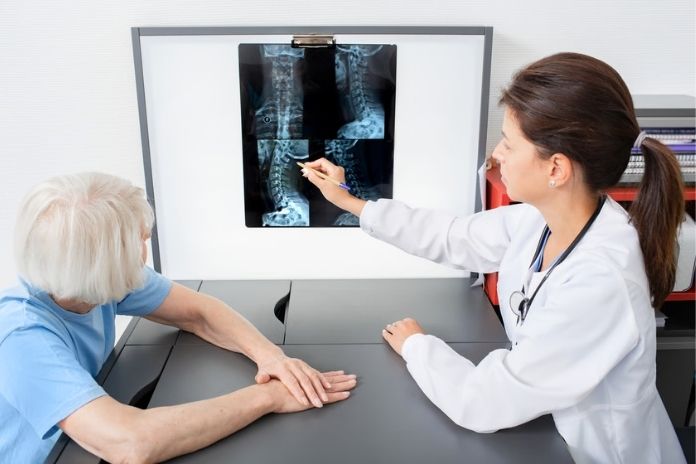
This condition is typically diagnosed through a DEXA scan, which measures bone strength and density. In many cases, diagnosis happens only after a fracture, making early screening and preventive care essential for long-term bone health.
Who Is at Higher Risk of Osteoporosis After 40
Early or Surgical Menopause
Women who experience early menopause or undergo surgical menopause lose the protective effects of estrogen sooner. This leads to faster bone loss compared to women who reach menopause at the usual age.
A 1994 study found that those who had experienced early menopause (before age 47) had significantly lower vertebral bone mass compared to women who had undergone menopause later. The study also showed that for every 5-year earlier onset of menopause, lumbar spine bone mineral density decreased by about 4.5%, confirming that prolonged estrogen deficiency had accelerated spinal bone loss.
Family History of Osteoporosis
Genetics plays an important role in bone health. A family history of osteoporosis or frequent fractures can increase a woman’s risk significantly after 40.
Dr. Stuart H. Ralston (Professor of Rheumatology, University of Edinburgh) notes that osteoporosis has a strong genetic component, explaining that bone mineral density and fracture risk are significantly influenced by inherited factors, with family history playing an important role in overall susceptibility to the condition.
Low Body Weight or Poor Nutrition
Women with low body weight or poor dietary intake may have lower peak bone mass. Inadequate calcium, vitamin D, and protein intake further weakens bone strength over time.
A 2022 study compared 100 newly diagnosed postmenopausal osteoporotic women to 100 healthy controls, using food frequency questionnaires to assess nutrient intake. Higher intakes of carbs, vitamin B6, phosphorus, fiber, iron, magnesium, potassium, zinc, fats, monounsaturated fats, and vitamin C significantly reduced osteoporosis risk, linking a poor diet to bone fragility.
Smoking, Alcohol, and Sedentary Lifestyle
Smoking reduces the activity of bone-forming cells, while excessive alcohol interferes with calcium absorption.
Smoking has been shown to reduce osteoblast activity and lifespan, the cells responsible for forming new bone. It also reduces blood supply to bone tissue and lowers estrogen levels in women, further accelerating bone resorption.
A sedentary lifestyle also contributes to weaker bones due to a lack of mechanical stress on the skeleton. When there is little physical activity, the stimulation needed for bone remodeling decreases, leading to gradual bone thinning.
Medical Conditions That Affect Bone Health
Certain medical conditions, such as thyroid disorders, rheumatoid arthritis, and long-term inflammatory diseases, can accelerate bone loss.
In addition, prolonged use of medications like corticosteroids may also reduce bone density and increase fracture risk.
Read More: Best Foods for Bone Density: What to Eat to Keep Your Bones Strong as You Age
Nutrition Strategies to Protect Bone Health
As bone remodeling slows down, the body requires a steady supply of key nutrients to preserve skeletal strength and reduce fracture risk.
Daily Calcium Needs After Age 40
Dr. Rachel Pessah-Pollack, an endocrinologist at NYU Langone Health, specializes in bone health and metabolic disorders. She emphasized that calcium intake had become especially important after 40 due to accelerating bone loss linked to declining estrogen levels, and that it had worked best when supported with adequate vitamin D.
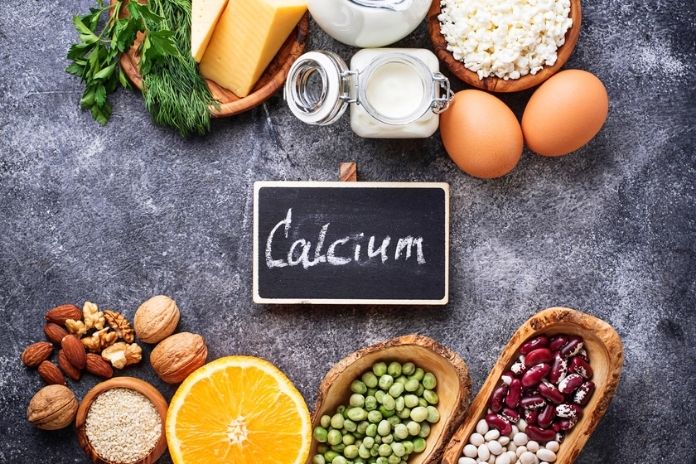
Adults over 40 generally require about 1000–1200 mg of calcium per day. When dietary intake is insufficient, the body begins to draw calcium from bones, gradually weakening their structure over time. Consistent intake through diet is therefore more effective than intermittent supplementation.
Vitamin D and Calcium Absorption
Vitamin D is crucial because it regulates calcium absorption in the intestines. Without adequate vitamin D, even a calcium-rich diet may not effectively support bone health. Low vitamin D levels have been linked to reduced bone density and increased risk of fractures, especially in older adults.
Other Nutrients That Support Bone Strength
Bone health depends on a combination of nutrients that support both structure and remodeling.
- Protein supports bone matrix formation and repair
- Magnesium contributes to bone crystal formation and helps regulate calcium balance
- Vitamin K supports bone mineralization and activates bone-related proteins
- Potassium helps reduce calcium loss through urine and maintains acid-base balance
Together, these nutrients work synergistically to maintain bone strength and improve overall skeletal integrity.
Exercises to Strengthen Bones During and After Menopause
Physical activity is one of the most effective ways to slow bone loss during and after menopause. Regular exercise helps stimulate bone remodeling, improve strength, and reduce the risk of fractures.
Weight-Bearing Exercises for Bone Density

Weight-bearing activities such as walking, brisk walking, and light jogging help stimulate bone-forming cells by placing controlled stress on the skeleton.
This mechanical loading encourages the body to maintain or increase bone mineral density, especially in the lower limbs and spine.
Strength Training
Resistance or strength training plays a key role in protecting high-risk areas like the hips and spine. Exercises using body weight, resistance bands, or light weights help build muscle strength, which in turn supports and stabilizes bones. This reduces the risk of falls and improves overall skeletal resilience.
Balance and Flexibility for Fall Prevention
Exercises such as yoga, tai chi, and stretching improve balance, coordination, and joint flexibility. Better stability significantly lowers the risk of falls, which is especially important for preventing fractures in individuals with reduced bone density.
Safe Start for Beginners
For those new to exercise, it is important to start slowly and progress gradually. Low-impact activities should be introduced first, with intensity and duration increased over time. Consistency is more important than intensity, and combining different types of exercises provides the best long-term bone protection benefits.
Read More: Exercises to Avoid During Menopause: What Movements Could Harm Your Joints, Bones & Hormonal Balance
Lifestyle Habits That Help Prevent Osteoporosis
Small, consistent lifestyle choices can make a significant difference in protecting bone health and reducing the risk of osteoporosis over time.
- Maintain a Healthy Weight: Both being underweight and being overweight can harm bone health. Low body weight is linked to reduced bone density, while excess weight may lead to inflammation and hormonal imbalances that affect bones.
- Limit Alcohol Intake: High alcohol consumption interferes with calcium absorption and disrupts normal bone remodeling, increasing the risk of bone loss over time.
- Quit Smoking: Smoking decreases the activity of bone-forming cells and reduces blood supply to bones, leading to faster bone loss and weaker skeletal structure.
- Get Safe Sunlight Exposure: Regular sunlight exposure helps the body produce vitamin D, which is essential for calcium absorption and maintaining strong bones.
- Improve Sleep Quality: Good sleep supports hormonal balance and bone repair processes. Poor sleep may negatively affect bone health in the long term.
Is Hormone Therapy an Option for Bone Protection?
Hormone therapy may help protect bone health by slowing the bone loss that occurs due to declining estrogen levels after menopause. By restoring estrogen, it supports bone density and reduces the rate of bone breakdown.
It may be especially beneficial for women who experience early menopause or have a higher risk of fractures. However, this treatment is not suitable for everyone and should be considered on an individual basis, as it carries potential risks that require proper medical guidance.
A 2025 review of studies compared hormone therapy (HRT) vs. exercise for bone strength in women after menopause. Women sticking with HRT kept hip bone density steady for 5 years (almost no loss), beating exercise alone; those who quit HRT lost bone fast, even with workouts.
For those who cannot opt for hormone therapy, non-hormonal medications are available as effective alternatives to help maintain and strengthen bones.
When to Get a Bone Density Test After 40
Who Should Be Screened Earlier
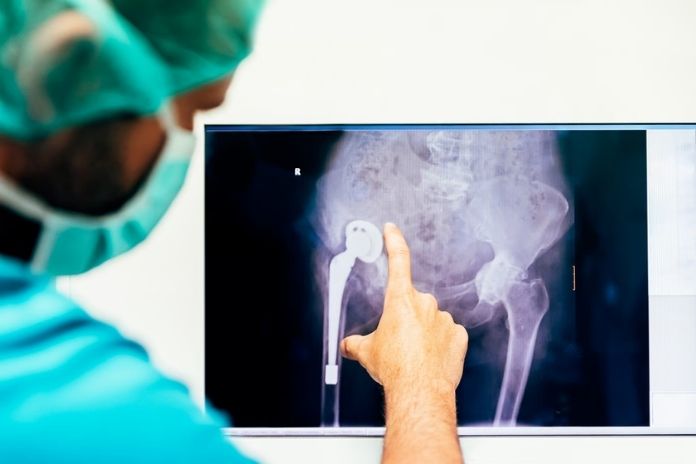
Women with certain risk factors may need bone density testing earlier than usual. This includes those with early menopause, a family history of osteoporosis, long-term steroid use, or a history of fractures.
What a DEXA Scan Measures
A DEXA scan evaluates bone mineral density, typically at the hip and spine, and helps estimate the risk of future fractures.
How Often Testing Is Needed
The frequency of testing depends on initial results and overall risk profile. Individuals with normal bone density may need less frequent testing, while those at higher risk may require regular monitoring as advised by a healthcare provider.
Bone density testing is a simple, non-invasive procedure that plays a key role in the early detection of bone loss. Identifying changes in bone strength at an early stage allows for timely lifestyle modifications and treatment, helping to reduce the risk of fractures and maintain long-term bone health.
Practical Daily Checklist for Stronger Bones
Small, consistent actions each day can help maintain bone strength and lower the risk of fractures over time.
- Include calcium-rich foods like dairy, green vegetables, and fortified options in your diet
- Ensure adequate vitamin D through safe sun exposure or nutrition
- Engage in regular weight-bearing and strength-building exercises
- Avoid smoking to protect bone health
- Keep alcohol consumption within moderate limits
- Maintain a balanced and healthy body weight
- Plan bone density screening when recommended
Red Flags That Require Medical Evaluation
Certain warning signs should not be ignored, as they may indicate underlying bone weakness and the need for prompt medical evaluation.
Sudden Back Pain Without Injury
Unexplained back pain may be a sign of a vertebral fracture, especially in individuals with reduced bone density. It should not be ignored, particularly if it appears suddenly or worsens with movement.
Fracture After a Minor Fall
Experiencing a fracture from a low-impact fall is a strong indicator of weakened bones and possible osteoporosis. Even minor injuries leading to fractures warrant medical evaluation.
Noticeable Loss of Height
A gradual or sudden decrease in height may suggest compression fractures in the spine. This change is often subtle but can progress over time if left unaddressed.
Long-Term Steroid Use
Prolonged use of steroid medications can accelerate bone loss and significantly increase fracture risk, making regular monitoring essential. Medical supervision is important to minimize long-term effects.
Persistent Joint or Bone Pain
Ongoing bone or joint discomfort without a clear cause may indicate underlying bone weakness. Early assessment can help identify and manage potential bone health issues.
Key Takeaway
Bone loss after 40 tends to accelerate during menopause, but it is not inevitable. Understanding the link between menopause and osteoporosis allows women to take timely action.
By focusing on balanced nutrition, regular weight-bearing and strength exercises, and healthy lifestyle habits, it is possible to prevent osteoporosis after menopause. Regular bone density screening also plays an important role in early detection.
With consistent effort, even small daily changes can help preserve bone strength, lower fracture risk, and maintain long-term mobility and independence.
References
- Influence of early age at menopause on vertebral bone mass. PubMed.
- Surgical menopause and frailty risk in community-dwelling older women.
- Surgical menopause and nonvertebral fracture risk among postmenopausal women.
- Changes in bone resorption across the menopause transition.
- Comparative effects of hormone replacement therapy and exercise on bone mineral density.
- The association of potassium intake with bone mineral density in older women.
- Dietary protein is beneficial to bone health under conditions of adequate calcium intake.
- An overview of glucocorticoid-induced osteoporosis. NCBI Bookshelf.
- Understanding and managing corticosteroid-induced osteoporosis.
- Alcohol’s harmful effects on bone.
In this Article