
















Berberine for blood sugar has become one of the most searched supplement questions in the country, fueled by social media clips claiming it works “just like” a prescription drug. The pitch is simple: a plant compound that supposedly matches metformin, the most prescribed diabetes medication in the world, without needing a prescription. But viral claims and medical evidence are not the same thing.
Part of the attention comes from early research showing that berberine may improve certain blood sugar markers in some people. That has led many influencers to label it a “natural metformin.” The problem is that supplements are not regulated like medications, product quality varies, and many online claims go far beyond what current studies actually prove.
That gap matters because diabetes and prediabetes are serious metabolic conditions, not casual wellness trends. Blood sugar problems can quietly damage the heart, kidneys, nerves, blood vessels, and eyes over time. A supplement with modest benefits is not automatically interchangeable with a medication backed by decades of clinical data and long-term safety monitoring.
This article breaks down what berberine actually is, how it compares to metformin, what the research says about diabetes and prediabetes, the real side effects and safety concerns, how it is typically taken, and the lifestyle changes that matter more than any supplement alone.
- Berberine may modestly lower fasting glucose and HbA1c, but the evidence base is smaller and shorter than metformin’s decades of data.
- Metformin is FDA-approved, standardized, and monitored; berberine is an unregulated supplement with variable quality and purity.
- Both can cause gastrointestinal side effects, and berberine can interact dangerously with diabetes drugs by stacking glucose-lowering effects.
- Diet, exercise, and sleep influence insulin resistance more than any supplement, and they remain the foundation of blood sugar control.
Read More: Best Berberine Supplement: How to Choose for Blood Sugar, Metabolic Health, and Safe Results
What Is Berberine?

Berberine is a yellow plant compound found in several herbs, including barberry, goldenseal, Oregon grape, and tree turmeric. Traditional Chinese and Ayurvedic medicine have used these plants for centuries, often for digestive or infectious concerns. Modern research, however, focuses on purified berberine itself and its potential metabolic effects.
Most people now turn to berberine for blood sugar support, cholesterol management, or weight-related goals. Social media has amplified interest by labeling it “nature’s metformin” or even “nature’s Ozempic.”
Some of those claims stem from real research, but the jump from “may help” to “replaces prescription medication” is where the conversation often becomes misleading. Researchers believe berberine works partly by activating AMP-activated protein kinase (AMPK), a pathway involved in glucose and energy regulation.
It may also improve insulin sensitivity and reduce glucose production in the liver, which is why comparisons to metformin keep surfacing. Similar mechanisms, though, do not automatically mean equal clinical results.
A broader meta-analysis of 46 trials reported that berberine, used alone or alongside standard therapy, improved HbA1c, fasting glucose, insulin resistance markers, and lipid profiles. The signal is consistent across studies, which is part of why researchers keep returning to the compound despite the quality concerns.
What Is Metformin and How Does It Work?
Metformin is the standard first-line medication for type 2 diabetes and is also used in some cases of prediabetes and insulin resistance. It is inexpensive, widely available, and backed by more than sixty years of clinical use. Doctors trust it because the data is deep.
Large trials and decades of real-world experience have mapped out how it behaves, who benefits, and what to watch for. Metformin works mainly by reducing the amount of glucose the liver releases into the bloodstream. It also improves the body’s sensitivity to insulin, so cells absorb glucose more efficiently.
The result is lower fasting and post-meal blood sugar without sharply increasing insulin levels. That mechanism is part of why metformin rarely causes dangerous low blood sugar on its own. The biggest difference is oversight. Metformin is regulated by the FDA, manufactured to consistent standards, and prescribed at doses tied to your kidney function and lab results.
Supplements carry no such guarantees. A capsule labeled berberine may contain more, less, or something other than what the bottle states, and no agency verifies the dose before it reaches the shelf.
Does Berberine Work as Well as Metformin?
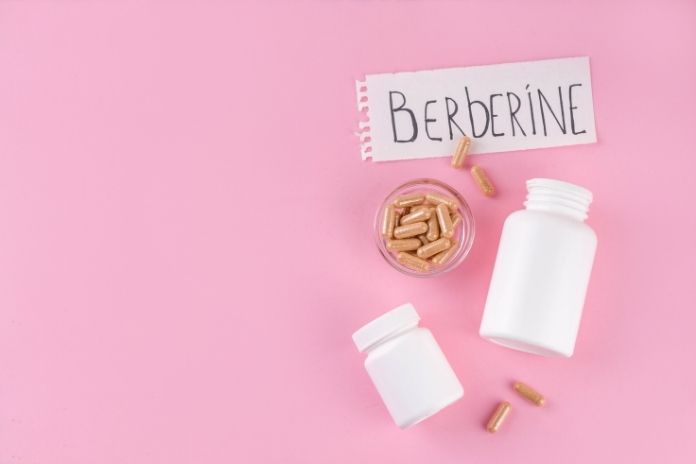
Several studies show berberine can meaningfully lower blood sugar. A frequently cited systematic review and meta-analysis of 37 trials involving 3,048 patients found that berberine reduced fasting glucose, HbA1c, and two-hour postprandial glucose, all with statistically significant results.
A landmark 2008 head-to-head trial published in Metabolism compared berberine and metformin in people with newly diagnosed type 2 diabetes and found similar reductions in HbA1c and fasting glucose over three months. Those numbers are real, but most of this research comes from short, small studies, many conducted in China, with quality limitations.
That geographic and design concentration is not a minor footnote. Without large trials in varied populations, it is hard to know how well the results translate to the average American patient with multiple medications and other health conditions.
Areas Where Berberine and Metformin May Overlap
In direct comparisons, the two often land in a similar range on fasting glucose and HbA1c. Berberine also appears to support insulin resistance markers, much like metformin does. Berberine tends to pull ahead on cholesterol, lowering LDL and triglycerides more than metformin typically does.
For glucose specifically, though, the overlap should be read as “comparable in some short trials,” not “proven equal long term.”
Important Differences Between the Two
The strength of evidence is the dividing line. Metformin has large, long-term outcome data; berberine does not. There is no large, multicenter, FDA-grade trial establishing berberine’s safety and efficacy across diverse populations.
An earlier systematic review of 14 trials made the point bluntly: compared directly against oral diabetes drugs like metformin, berberine did not deliver clearly better glucose control, though it showed a mild edge on lipids. Methodological quality across those studies was generally low, which is the recurring caveat in nearly every berberine review.
“We need to have a realistic expectation that it’s not as effective as conventional medication like metformin for managing blood sugar,” cautions Layth Tumah, MD, a functional medicine specialist at Cleveland Clinic. Product consistency and regulation widen the gap further.
Can Berberine Help With Prediabetes or Insulin Resistance?
For prediabetes and early insulin resistance, berberine is more defensible as an option to discuss with a clinician. Smaller blood sugar problems leave more room for modest interventions. Even so, lifestyle change remains the foundation.
No supplement replaces the glucose-lowering power of weight management, movement, and an improved diet, especially in the early stage when the trajectory can still be bent. The open questions are significant. Long-term outcomes are unclear, optimal dosing is unsettled, and the right duration of use has not been established in rigorous trials.
“Diabetes is a chronic disease that often requires more intensive treatment as time goes on,” notes Leslie Eiland, MD, an endocrinologist at Nebraska Medicine. That progression is exactly why unproven self-treatment can backfire.
Unmanaged diabetes does not pause while someone experiments with capsules. High blood sugar quietly damages blood vessels, nerves, kidneys, and eyes over time. Using berberine as a reason to skip diagnosis, monitoring, or prescribed treatment is a genuinely risky move. The supplement is not the danger; delayed care is.
Berberine Side Effects and Safety Concerns

Berberine’s most common side effects are digestive, including nausea, diarrhea, constipation, and abdominal discomfort. These symptoms are more common at higher doses or when people start too quickly, which is why gradual dosing often helps. Still, some individuals simply do not tolerate it well.
The bigger concern is drug interaction risk. Berberine can amplify the glucose-lowering effect of diabetes medications, increasing the risk of hypoglycemia. It also affects liver enzymes involved in metabolizing common drugs, including some statins and blood thinners, which may alter medication levels in the body.
Pregnant or breastfeeding individuals, people with liver disease, and anyone taking multiple medications should avoid starting berberine without medical guidance. The issue is not that berberine is universally dangerous but that it is often treated more casually than it should be.
Read More: Best Time to Take Berberine for Weight Loss: Timing, Dosage and What the Research Shows
Is Berberine Safer or “More Natural” Than Metformin?
“Natural” is a marketing word, not a safety guarantee. Plenty of natural compounds are potent, and berberine is one of them; it acts on the body the way a drug does. A compound strong enough to lower blood sugar is strong enough to cause harm if misused. The plant origin says nothing about risk.
Both substances commonly cause gastrointestinal symptoms, so the idea that berberine is uniformly gentler does not hold. The difference lies in oversight, not in inherent kindness. With metformin, a clinician monitors dose, kidney function, and interactions. With a supplement, that safety net is largely absent unless you build it yourself.
Because supplements are not FDA-verified before sale, the actual berberine content can vary widely between brands and even between batches. Contaminants and inaccurate labeling are real possibilities.
“You should speak with a doctor before starting any berberine product and choose a high-quality, third-party tested option,” advises Michael Ruscio, DC, a clinician and author who writes on functional and metabolic health. Third-party testing is one of the few tools consumers have to verify what they are taking.
How Berberine Is Typically Taken
Berberine is usually sold in capsules. Because it clears the body quickly, total daily intake is commonly split into divided doses rather than taken all at once. Product labels vary, and so do individual needs. Following the product’s guidance and a clinician’s advice beats copying a dose from a social media post.
Taking berberine with meals can ease digestive side effects and may help blunt post-meal glucose spikes. Consistency matters more than perfect timing. Self-adjusting the dose, especially upward, without guidance, is where people get into trouble. More is not automatically better, and abrupt changes can interact with medications.
If you and your clinician decide to try it, monitoring is essential. Track blood sugar levels, watch for digestive symptoms, and stay alert to any signs of medication interactions. Regular check-ins let you catch problems early and adjust course. A supplement taken in the dark, without measurement, gives you no way to know whether it is helping or quietly causing harm.
Lifestyle Changes That Matter More Than Any Supplement
Nutrition and Blood Sugar Control
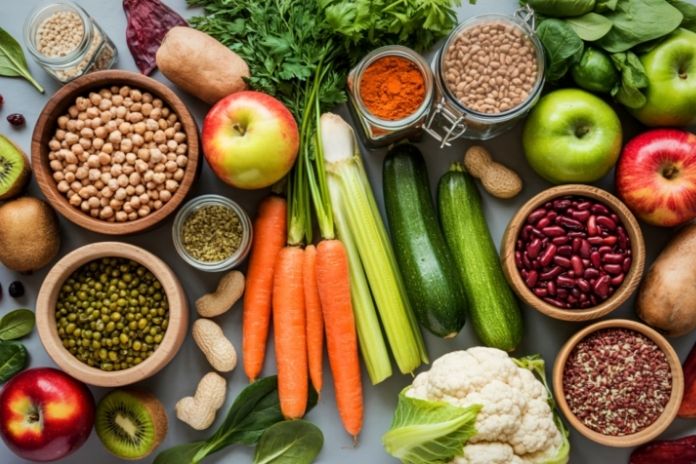
The most reliable lever for blood sugar is what is on your plate. Fiber-rich foods, such as vegetables, legumes, and whole grains, slow glucose absorption and steady the response after meals. Balancing carbohydrate intake, rather than eliminating it, tends to be sustainable. The pattern of eating over months matters far more than any single capsule taken before dinner.
Protein and healthy fats at meals also slow how fast glucose enters the blood. Small, repeatable habits, like pairing carbohydrates with fiber and protein, often outperform dramatic restrictive diets that people abandon within weeks.
Exercise and Insulin Sensitivity
Movement is a powerful, drug-free way to improve insulin sensitivity. Both aerobic activity and resistance training help muscles pull glucose out of the blood. Resistance training deserves special mention, since muscle is the body’s largest site of glucose disposal. Building it improves blood sugar control day after day, not just during the workout.
Even modest activity counts. A brisk walk after meals can blunt the post-meal glucose spike, and consistency beats intensity for most people trying to improve their numbers over the long haul.
Sleep, Stress, and Metabolic Health
Glucose regulation does not stop when you leave the gym. Poor sleep and chronic stress raise blood sugar by altering hormones like cortisol that push glucose higher.
“What we eat affects our health, and reducing the risk of chronic disease through a healthy diet is one of the most powerful tools we have,” explains Dana Hunnes, PhD, MPH, RD, a senior clinical dietitian at UCLA Medical Center. Sleep and stress management round out the foundation that no pill can replace.
Read More: Strength Training for Diabetes: Why Lifting Weights Beats Cardio for Blood Sugar
Comparing Berberine and Metformin at a Glance
To pull the comparison together, the table below summarizes the practical differences readers most often ask about. It is a quick reference, not a substitute for a conversation with your clinician.
Factor Comparison
Berberine vs. Metformin
| Factor | Berberine | Metformin |
|---|---|---|
| ⚖️ Regulation | Unregulated dietary supplement | FDA-approved medication |
| 📊 Evidence Base | Smaller, shorter-term studies | Decades of large-scale clinical data |
| 🥄 Dosing | Variable and not standardized | Standardized and clinician-guided |
| 🩸 Cholesterol Effect | Often lowers LDL and triglycerides | Minimal direct lipid effect |
| ⚠️ Main Side Effects | GI upset, supplement interaction risk | GI upset, rare lactic acidosis |
| 👨⚕️ Oversight | Often self-directed unless monitored | Routine clinical supervision |
As the table shows, the two are not interchangeable. Berberine may offer a cholesterol bonus, but metformin’s regulation, evidence, and monitoring give it a clear edge for managing diagnosed diabetes.
Questions to Ask Before Trying Berberine
Is It Appropriate for Your Health History?
Before buying anything, consider your full picture: existing conditions, current medications, kidney and liver health, and pregnancy status. These factors decide whether berberine is reasonable or risky for you specifically. A short conversation with your clinician can rule out the obvious red flags. That step costs little and prevents the most common mistakes.
Are You Replacing or Adding to Prescribed Treatment?
The most dangerous move is quietly swapping a prescription for a supplement. Berberine and metformin both lower glucose, so stacking them or substituting one for the other changes your risk in ways you cannot see without monitoring.
Any change to prescribed treatment belongs in a discussion with the professional who prescribed it. Going solo with a chronic condition rarely ends well.
What Results Are Realistic?
Set expectations before you start. Berberine may produce modest improvements in some people, but it is not a cure and will not erase the need for lifestyle work or medical care. Be skeptical of anything promising dramatic, effortless results. Realistic goals keep you safe and keep you from abandoning the strategies that actually work.
It also helps to define what success looks like in advance. Whether the target is a specific fasting glucose number or a lower HbA1c at your next lab draw, a measurable goal turns berberine from a hopeful guess into something you can actually evaluate.
Read More: Is Aspartame Bad for Diabetics? Blood Sugar, Insulin and Safety Explained
Conclusion
Berberine for blood sugar is not the metformin replacement that social media makes it out to be. The compound can modestly improve fasting glucose, HbA1c, and cholesterol in some people, and the research is real enough to take seriously.
But seriousness cuts both ways: the evidence is shorter and smaller than that of metformin, and the supplement’s lack of regulation introduces uncertainty that a prescription drug does not carry. Metformin earns its first-line status through decades of data, standardized dosing, and clinical monitoring.
Berberine may have a role for some people, particularly in prediabetes or for its cholesterol benefits, but it works best as a topic for an informed conversation rather than a quiet substitution. The interaction risks alone make solo experimentation unwise for anyone on other medications. The most durable truth in all of this is the least glamorous one.
Nutrition, exercise, sleep, and stress management shape insulin resistance more than any capsule, and they remain the backbone of blood sugar control. Decisions about berberine for blood sugar, or about diabetes treatment of any kind, are best made with a qualified healthcare professional who knows your full history.
References
- Cleveland Clinic. (2025, June 11). Berberine vs. metformin: Are they the same? Cleveland Clinic.
- Dong, H., Wang, N., Zhao, L., & Lu, F. (2012). Berberine in the treatment of type 2 diabetes mellitus: A systematic review and meta-analysis. Evidence-Based Complementary and Alternative Medicine, 2012, 591654.
- Guo, J., Chen, H., Zhang, X., Lou, W., Zhang, P., Qiu, Y., Zhang, C., Wang, Y., & Liu, W. J. (2021). The effect of berberine on metabolic profiles in type 2 diabetic patients: A systematic review and meta-analysis of randomized controlled trials. Oxidative Medicine and Cellular Longevity, 2021, 2074610.
- Hunnes, D. (2025, October 22). What to know about berberine, the so-called “nature’s Ozempic” [Interview]. UCLA Health.
- Liang, Y., Xu, X., Yin, M., Zhang, Y., Huang, L., Chen, R., & Ni, J. (2019). Effects of berberine on blood glucose in patients with type 2 diabetes mellitus: A systematic literature review and a meta-analysis. Endocrine Journal / Frontiers in Pharmacology, 12.
- Nebraska Medicine. (2025, June 3). Is berberine a safe alternative treatment for diabetes? Nebraska Medicine.
- Ruscio, M. (2025, December 5). Berberine vs. metformin: How do their benefits compare? DrRuscio.com.
- Yin, J., Xing, H., & Ye, J. (2008). Efficacy of berberine in patients with type 2 diabetes mellitus. Metabolism, 57(5), 712–717.
- Yale School of Medicine. (2024). How a widely used diabetes medication actually works.
- DrugBank. (n.d.). Metformin: Drug information.
- National Center for Biotechnology Information. (2013). Metformin: Historical overview and mechanisms of action. PMC.
- NHS. (n.d.). About metformin.
- Wikipedia contributors. (n.d.). Metformin. In Wikipedia.
- Mayo Clinic. (n.d.). Metformin (oral route).
- Health2Sync. (n.d.). What is metformin?.
- Apollo Hospitals. (n.d.). Metformin.
In this Article