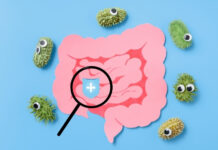











We’ve all been there: you finish a course of antibiotics, your infection clears, but your gut feels off. That’s because every antibiotic course disrupts your gut bacteria, the trillions of microbes that keep your digestion, immunity, and energy in balance.
The effect is big; strong antibiotics can wipe out nearly half of your gut’s good bacteria within just a few days. The big question is, how long does recovery really take, and what actually helps? Recent research from 2024–2026 offers surprising answers, challenging the usual advice about probiotics and highlighting the powerful role of diet in rebuilding gut health.
- Antibiotics destroy the good bacteria in your gut, affecting digestion and immunity.
- Probiotics can help with antibiotic‑associated diarrhea, but they don’t fully restore gut health.
- Complete recovery of gut health can take months or sometimes even years.
- Consuming fermented foods, prebiotic fiber, and eating plant-based foods greatly help to rebuild gut health.
- Try avoiding processed foods, sugar, and alcohol, and stay hydrated for recovery.
How Antibiotics Damage the Gut — and How Long It Actually Takes to Recover
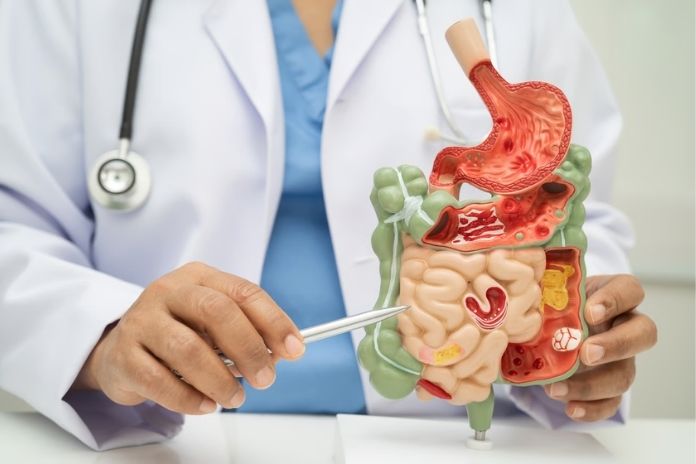
Most of us have taken antibiotics at some point, following a doctor’s prescription. Within just a few days, often 3 to 5, the infection clears, and you feel better. But this recovery comes with a hidden cost.
Antibiotics don’t just kill the harmful bacteria causing illness; they also destroy the good bacteria in your gut that support digestion and immunity. That’s why many people notice changes in their stomach or overall health right after finishing a course.
For a long time, experts believed the gut healed to its normal state in about 4–6 weeks. A 2018 study confirmed that most people’s gut bacteria looked nearly normal within that time. But some important types were still missing even after six months.
A recent study in 2026 suggests the aftereffects of antibiotics may last much longer, sometimes even years. Complete recovery is a slow rebuilding process. Supporting your gut with fiber‑rich foods, probiotics, and variety in your diet can help heal it.
Probiotics — What the Evidence Actually Supports
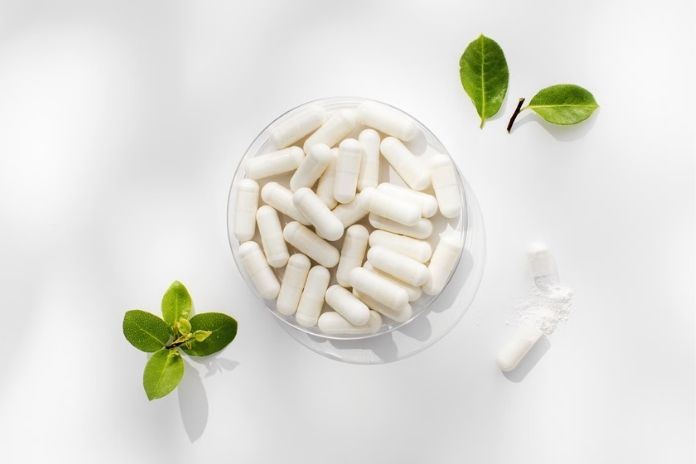
Probiotics are an important part of post-antibiotic recovery. They are taken either as supplements or included in the diet. Let’s see how probiotics help heal the gut and what the science behind it is.
Where Probiotics Help
Probiotics have been shown to reduce the risk of antibiotic‑associated diarrhea, according to a 2021 study.
Antibiotic-associated diarrhea, or AAD, is the occurrence of loose, watery stools (usually three or more times a day) that develops shortly after taking antibiotics. It affects about 1 in 5 people. This happens because antibiotics disrupt the normal, helpful bacteria in the gut, allowing harmful bacteria to grow.
Lactobacillus rhamnosus GG and Saccharomyces boulardii are two highly effective probiotics that have been widely studied worldwide. Together, they are frequently prescribed to restore and protect gut health, particularly during or after antibiotic use.
“While it’s difficult to truly ‘protect’ the microbiome while taking antibiotics, certain probiotics, especially Lactobacillus, Bifidobacterium, and Saccharomyces boulardii, have been shown to reduce the risk of antibiotic-associated diarrhea”.
– Dr. Michael Passarella, M.D., gastroenterologist at UAB St. Vincent’s
Where Probiotics Don’t Help Much
Probiotics can’t fully restore gut diversity after antibiotics. A 2025 study showed that some probiotic bacteria might actually slow down gut recovery because they take up space that your natural bacteria need to grow back.
Probiotics can help prevent diarrhea during and after antibiotic use, but they’re not a guaranteed solution for full gut recovery. If you choose to take them, separate the dose from your antibiotic by at least two hours, and continue for 1–2 weeks after finishing your course.
Read More: Why Probiotics Might Not Work Without Prebiotics: How to Maximize Gut Health
Diet — The Best Proven Way to Recover
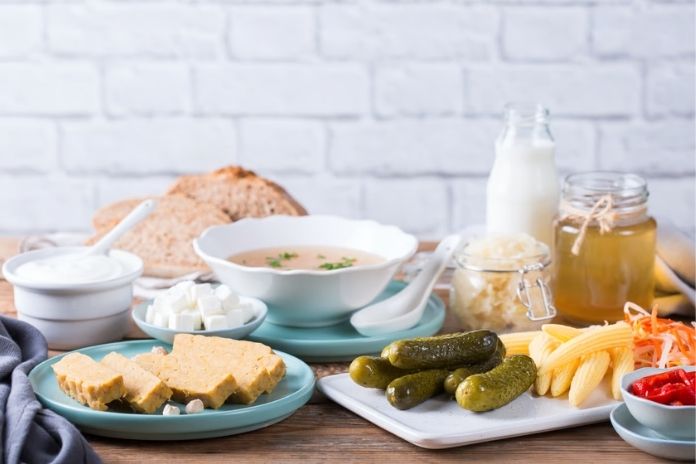
Unlike probiotics, the evidence of diet supporting gut healing after antibiotics is much stronger. Research shows that the food you eat after antibiotic therapy plays a key role in helping your gut return to its normal state.
The foods to include in your diet for post-antibiotic recovery are:
- Fermented foods
- Prebiotic fiber
- Plant-based foods
- Avoid processed and sugary foods
- Avoid Alcohol
Fermented Foods
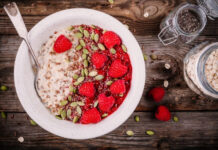
Regularly including fermented foods in your meals is one of the easiest and most effective ways to rebuild gut health. They provide your gut with a mix of good bacteria.
Some of the fermented foods are as follows:
- Kefir
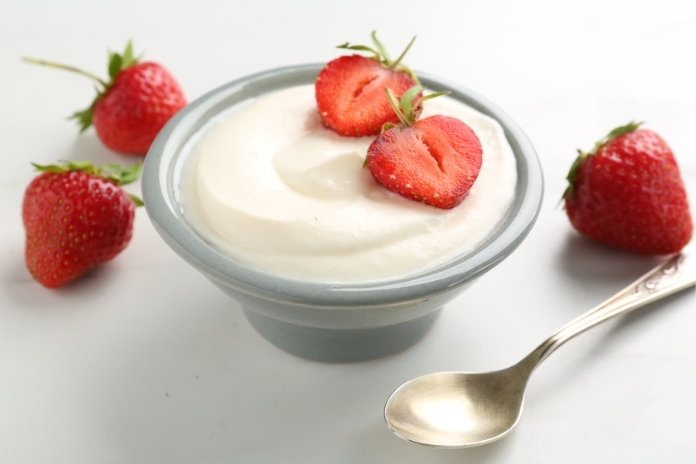
- Yogurt
- Kimchi
- Sauerkraut
- Misoa
- Kombucha
These help your gut recover more effectively than probiotic pills that contain only one type of bacteria. They help with digestion and support immunity. Fermented foods also encourage a wide variety of beneficial bacteria to grow back after antibiotic use.
Prebiotic Fiber
Prebiotic fiber is a special type of dietary fiber that acts as food for the good bacteria in your gut. Unlike probiotics (which add new bacteria), prebiotics help the bacteria you already have to grow stronger and more diverse. Fibers such as inulin, resistant starch, and pectin act as food for the bacteria that survive antibiotics.
Foods containing Prebiotic fiber are as follows:
- Beans
- Bananas
- Oats
- Onions
- Garlic
- Asparagus
Plant-Based Foods
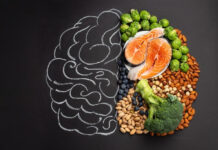
Studies from the ZOE and American Gut Project show that eating at least 30 different plant-based foods each week leads to the greatest microbiome diversity. This can be applied in practice during recovery.
What To Avoid
Ultra‑processed foods, alcohol, and excess sugar should be strictly avoided. These encourage the growth of less helpful bacteria and slow down the healing process. Following a varied, prebiotic fiber-rich, plant‑based diet with plenty of fermented foods is the most reliable way to support gut recovery after antibiotics.
Read More: Prebiotics vs. Probiotics: How the “Fuel and Fleet” Strategy Supports Gut Health
C. difficile Infection: A Risk After Antibiotics
Clostridium difficile, also known as C. difficile, is a type of bacteria that can infect the intestines and cause severe diarrhea. This often happens after taking antibiotics, because these medicines destroy the “good” bacteria that normally keep your gut in balance. With those protective bacteria gone, C. diff can grow unchecked and trigger illness.
Symptoms
- Watery diarrhea (more than 3 times a day)
- Stomach cramps
- Fever
- Nausea
These symptoms can start either during antibiotic treatment or even weeks later.
Management of C.difficile Infection
Saccharomyces boulardii is a probiotic yeast that has been shown to lower the risk of C. diff‑related diarrhea. Because it’s a yeast, not a bacteria, it can survive most antibiotics (antibiotics kill only bacteria) and continue protecting the gut during treatment.
If you develop significant diarrhea while on or after antibiotics, see a doctor right away. C. diff needs specific treatment and can worsen quickly. Standard treatments include antibiotics such as metronidazole or vancomycin, which directly destroy C. diff.
In severe or recurrent cases, doctors may also consider fecal microbiota transplantation (FMT) to restore healthy gut bacteria. Supportive care, such as fluids and electrolytes, is important for preventing dehydration.
Read More: Best Probiotics for Gut Health: Strains That Actually Work and How to Choose
A Practical Post-Antibiotic Recovery Protocol

Following this evidence‑based plan can help your gut recover after antibiotic therapy. Remember that rebuilding your gut health takes months of consistent effort.
During Antibiotics
- Take probiotics such as Saccharomyces boulardii or Lactobacillus rhamnosus GG 2 hours after your antibiotic dose.
- Consume fermented foods such as yogurt, kefir, kimchi, and sauerkraut daily.
- Keep fiber in your diet to feed good gut bacteria.
Right After Finishing Antibiotics
- Continue probiotics for at least 1–2 weeks.
- Eat a wide variety of plant-based foods (at least 30 types) each week. Try to include a variety of fruits, vegetables, legumes, grains, nuts, and seeds.
- Add 1–2 servings of fermented foods daily.
- Avoid junk food, alcohol, and excess sugar for 4 weeks.
Long Term
- Gut recovery takes months, not just two weeks. Keep consuming different types of healthy foods.
- If bloating, irregular bowels, or fatigue last beyond 4 weeks, see your doctor for a gut health check.
“The gut is a very resilient organ. The vast majority of the time, it will restore itself. It may take some time, but for most individuals, the microbiome returns close to baseline within two to eight weeks after antibiotics, although some subtle changes may persist longer,” as per Dr. Michael Passarella
Final Thoughts
Gut recovery after antibiotics takes longer than most people think.
Probiotics can help prevent antibiotic-associated diarrhea during treatment, but they aren’t the main way to rebuild gut health. The real recovery comes from food: plenty of fiber, a wide mix of plant foods, and daily fermented foods like yogurt or kefir.
Starting these habits while you’re on antibiotics gives your gut the best chance to heal. Recovery is gradual, weeks for basic balance, but months for full diversity. Consistency matters more in the recovery process. Staying hydrated and limiting processed foods also support the healing process.
FAQs
1. How long does it take for the gut to recover after antibiotics?
Your gut starts to bounce back within a few weeks, but full recovery takes much longer. Most bacteria return to near‑normal in about 1–2 months, yet some species may stay missing for six months or more.
In fact, one course of antibiotics can reshape your gut for years. Think of it as surface healing in weeks, but deeper diversity restoration depends on your diet and can take months.
2. Should you take probiotics after antibiotics?
Yes. Taking probiotics after antibiotics can help reduce the risk of antibiotic-associated diarrhea (AAD), especially with strains like Saccharomyces boulardii and Lactobacillus rhamnosus GG. These are worth using during and after treatment.
But probiotics don’t have strong evidence for fully restoring gut diversity. For rebuilding your microbiome, diet matters more.
3. What foods help restore gut bacteria after antibiotics?
Fermented foods such as kefir, natural yogurt, kimchi, sauerkraut, and miso restore good bacteria in your gut. Prebiotic-rich foods such as legumes, oats, garlic, onions, bananas, and asparagus feed surviving beneficial bacteria. Eating 30 different types of plant-based foods per week also helps with this. Avoid ultra-processed foods, alcohol, and excess sugar during the recovery period.
References
- National Center for Complementary and Integrative Health. (2019, August). Probiotics: Usefulness and safety. U.S. Department of Health and Human Services.
- Barbut, F., & Meynard, J. L. (2002). Managing antibiotic-associated diarrhoea: Probiotics may help in prevention.
- Davani-Davari, D., Negahdaripour, M., Karimzadeh, I., Seifan, M., Mohkam, M., Masoumi, S. J., Berenjian, A., & Ghasemi, Y. (2019). Prebiotics: Definition, types, sources, mechanisms, and clinical applications. Foods, 8(3), 92.
- Mada, P. K., & Alam, M. U. (2024, April 10). Clostridioides difficile infection. StatPearls Publishing.
- Lathakumari, R. H., Vajravelu, L. K., Satheesan, A., Ravi, S., & Thulukanam, J. (2023). Antibiotics and the gut microbiome: Understanding the impact on human health.
- FitzGerald, J., Patel, S., Eckenberger, J., Guillemard, E., Veiga, P., Schäfer, F., Walter, J., Claesson, M. J., & Derrien, M. (2022). Improved gut microbiome recovery following drug therapy is linked to abundance and replication of probiotic strains.
In this Article