

















Fatigue during chemotherapy is not simple tiredness. Many patients say it feels like their body is not responding, and even small tasks become difficult. They complain that sleeping more is also not solving it. This type of fatigue stays the whole day and sometimes even after the treatment cycle ends.
But the question is, is this a real benefit or just another health trend about how to reduce chemotherapy fatigue? Because of this, people start looking for support options. Not an alternative to treatment, but something to reduce side effects.
Vitamins C and D are now getting attention in this area. Not because they cure anything, but because they may help the body handle the stress of treatment better.
- Chemotherapy fatigue happens due to multiple reasons, like inflammation, low energy production, and nutrient deficiencies.
- Vitamins C and D for chemotherapy fatigue may help in specific cases, especially when a deficiency exists, but they are not universal solutions.
- Medical guidance is important before using them.
Read More: Triple-Negative Breast Cancer: Why Your “Baseline” ctDNA Level May Be the Most Important Number You Haven’t Been Told
Why Chemotherapy Often Causes Severe Fatigue

How Cancer Treatments Affect Energy Levels
Chemotherapy drugs are strong. They don’t attack cancer cells only, but also affect normal fast-growing cells in the body. Because of this, many systems slow down. One main issue is a drop in red blood cells. When this happens, the oxygen supply reduces. Less oxygen means less energy production. That is why even sitting feels tiring sometimes.
But there is another part that people don’t talk much about: energy production inside cells. Chemotherapy can disturb mitochondria (energy units of the cell). So even if oxygen is there, the body is not able to use it properly. This creates a constant low-energy state.
Furthermore, inflammation increases. The body starts behaving as if it were always sick. That itself causes tiredness, low mood, and low interest in activities.
“It’s different from the normal tiredness we typically have, as it’s more intense. It’s not easily relieved with rest, and it can greatly impact how you’re feeling and doing,” says Dr. Touré Barksdale, a Mayo Clinic cancer rehabilitation and palliative medicine specialist.
Additional Factors That Contribute to Cancer-Related Fatigue
Sometimes fatigue is greater in patients who are trying to stay “strong” and active without enough nutrition. The body needs support, not pressure. Fatigue does not come from only one source. It builds slowly from many small problems:
- Eating less due to nausea leads to fewer nutrients
- Poor sleep due to stress or medication
- Less movement causes weak muscles
- Mental stress causes constant energy drain
“Fatigue is the most common side effect experienced by patients both during and after cancer treatment,” says internal medicine specialist Dr. Carmen Escalante. But patients want practical help. Something that can make daily life a little easier.
Vitamin C and Its Potential Role During Chemotherapy

Antioxidant Support During Treatment
Chemotherapy creates oxidative stress in the body. This is part of how it kills cancer cells. But the problem is, this stress also damages healthy cells. Vitamin C works as an antioxidant. It helps reduce this extra damage. So theoretically, it may protect normal cells and reduce fatigue.
But here comes confusion. If vitamin C reduces oxidative stress, will it also reduce the effectiveness of chemotherapy? This is still debated. Some doctors are cautious for this reason.
Research on High-Dose Vitamin C and Fatigue
There are some clinical setups where high-dose vitamin C is given through IV. Patients in these cases sometimes report:
- Less fatigue
- Better sleep
- Slight improvement in appetite
But these are not very strong, large-scale studies. Many are small, and results are not the same everywhere. Also, one interesting observation: patients who are already very weak or have high oxidative stress seem to feel more benefit. Not everyone. So it is not like a universal solution.
Why Route of Administration Matters
Many people think taking vitamin C tablets is the same as IV vitamin C. But it is not. Oral vitamin C has a limit. The body absorbs only a certain amount. Extra gets excreted. IV vitamin C directly goes into the blood in high concentration. This creates a completely different effect on the body.
That is why IV therapy is considered a medical treatment, not a supplement. It needs supervision.
The Role of Vitamin D in Cancer Treatment Support

Why Vitamin D Deficiency Is Common in Cancer Patients
Vitamin D deficiency in cancer patients is already common. In cancer patients, it becomes more common because:
- Less sunlight exposure
- Staying indoors during treatment
- Weak appetite, poor diet
Also, some treatments affect how vitamin D is processed. So many patients don’t even know they are deficient.
Effects of Vitamin D on Fatigue and Muscle Health
Vitamin D affects muscle strength. When levels are low:
- Muscles feel weak
- The body feels heavy
- Fatigue increases
In chemotherapy, muscle loss already happens. If vitamin D is also low, the situation becomes worse. Some studies show that when vitamin D deficiency is corrected, fatigue improves. But an important point: improvement is mainly for deficient people. If levels are already normal, extra vitamin D for cancer treatment fatigue may not do much.
Vitamin D and Chemotherapy-Induced Peripheral Neuropathy
Some chemotherapy drugs cause nerve problems, tingling, numbness, and pain. New research is showing that low vitamin D levels may increase the risk of this condition. Not fully proven yet, but the connection is being studied. If true, then vitamin D may help not just fatigue, but also nerve-related side effects.
How Vitamin C and Vitamin D May Work Together

Complementary Roles in Supporting the Body During Treatment
These two vitamins work differently:
- Vitamin C handles oxidative stress
- Vitamin D supports muscles and controls inflammation
Fatigue is not one single problem. It is a mix of many processes. So targeting different areas together may give better support.
Evidence From Early Clinical Studies
Some studies using combined nutritional support (not only these two vitamins) show:
- Slight reduction in fatigue
- Better tolerance to treatment
- Improved general condition
But again, these are mixed interventions. So we cannot say clearly how much benefit is from vitamin C or D alone.
What Scientists Are Still Investigating
Still, many things are not clear:
- Exact dosage for cancer patients
- Best timing (before or during chemo)
- Which patients benefit most
Research is still in an early stage in this area.
Potential Benefits Beyond Fatigue Reduction

Supporting Overall Quality of Life
When fatigue reduces even slightly, many things improve:
- Patients eat better
- Sleep becomes better
- Mood improves
So a small change in energy can create a bigger overall impact and improve the quality of life in cancer patients.
Helping Maintain Muscle Mass
Vitamin D may help muscle function. Vitamin C may reduce inflammation-related muscle breakdown. But they cannot replace proper supportive nutrition during chemotherapy. Without protein and calories, vitamins alone won’t help much.
Supporting Immune Function
Both vitamins are linked with immune health. During chemotherapy, immunity is low. So maintaining proper levels of immune function during cancer treatment may help reduce complications.
Safety Considerations Before Taking Supplements During Chemotherapy
Possible Interactions With Cancer Treatments
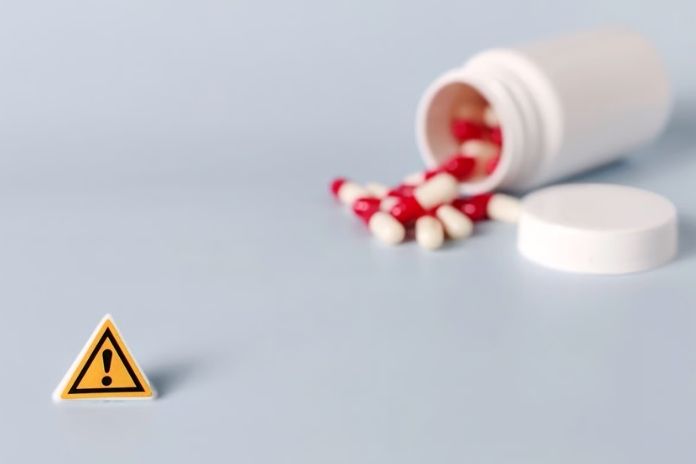
High-dose antioxidants may interfere with some chemotherapy drugs. Not confirmed fully, but still a concern. So, random high-ose supplementation is not a safe idea.
Why Medical Supervision Is Essential
Every cancer case is different. Treatment plans are different. Doctors may suggest:
- Blood tests
- Controlled doses
- Monitoring response
Self-treatment can create problems.
Monitoring for Nutrient Imbalances
Too much vitamin D can cause calcium issues. Too much vitamin C may cause digestive discomfort or kidney problems in some people. Balance is important.
Read More: 7 Comfort Items for Cancer Patients Undergoing Chemotherapy
Nutritional Strategies That May Support Energy During Treatment

Maintaining Balanced Nutrient Intake
Fatigue cannot be solved by one supplement. Body needs:
- Enough calories
- Protein for muscle
- Micronutrients
Skipping meals or eating very little makes fatigue worse.
Correcting Vitamin Deficiencies
Testing is better than guessing. Especially for vitamin D. Correct deficiency means a better outcome than random supplementation.
Integrating Nutrition With Medical Treatment Plans
Nutrition should be part of treatment, just supportive oncology care, not separate. Coordination with a doctor or a dietitian gives better results than trying things alone.
When Patients Should Speak With Their Oncology Team

Talk to a doctor if:
- Fatigue is increasing
- New symptoms like numbness appear
- Planning to start supplements
- Difficulty eating properly
Read More: No More Needles: How Liquid Biopsies Are Transforming Advanced Cancer Monitoring
Final Thoughts
Vitamins C and D for chemotherapy fatigue are not magic solutions. But they are not useless either. Their role depends on the situation, deficiency, body condition, and type of treatment. The right approach is not “take more vitamins for cancer treatment side effects” but “understand what the body actually needs during treatment-related toxicities.”
- Fatigue during chemotherapy is strongly linked with energy production problems inside cells, not just low blood levels. This part is still not deeply studied.
- Vitamin C effects may depend on how much oxidative stress the patient has; current research does not focus on this difference properly.
- Vitamin D helps mainly when deficiency is present; blanket supplementation may not work.
- Most studies mix many treatments together, so the exact role of vitamins is still unclear: a big research gap.
- Timing of supplementation (before vs during treatment) is not well studied but could change results.
FAQs
1. Can vitamin C reduce chemotherapy fatigue?
Vitamin C for chemotherapy fatigue may help in some cases, especially where oxidative stress during chemotherapy is high, but it is not guaranteed for all patients.
2. Should I take vitamin D during chemotherapy?
Better to check levels first. If deficient, supplementation with vitamin D for cancer treatment fatigue may help.
3. Is IV vitamin C better than tablets?
Yes, but it is medical treatment, not a general supplement.
4. Can these vitamins replace a proper diet?
No. Diet is still the main factor for energy.
5. Are these supplements safe without a doctor’s advice?
No. Always discuss before starting.
References
- Carr, A. C., Vissers, M. C. M., & Cook, J. S. (2014). The Effect of Intravenous Vitamin C on Cancer- and Chemotherapy-Related Fatigue and Quality of Life. Frontiers in Oncology.
- James, S., Oppermann, A., Schotz, K. M., Minotti, M. M., Rao, G. G., Kleckner, I. R., Baguley, B. J., & Kleckner, A. S. (2024). Nutritional Counseling During Chemotherapy Treatment: A Systematic Review of Feasibility, Safety, and Efficacy. Current Oncology, 32(1).
- Jennaro, T. S., Fang, F., Kidwell, K. M., Smith, E. M. L., Vangipuram, K., Burness, M. L., Griggs, J. J., Van Poznak, C., Hayes, D. F., Henry, N. L., & Hertz, D. L. (n.d.). Vitamin D deficiency increases severity of paclitaxel-induced peripheral neuropathy. Breast Cancer Research and Treatment, 180(3), 707–714.
- Roy, S., Sherman, A., Monari-Sparks, M., Schweiker, O., & Hunter, K. (2014). Correction of low vitamin D improves fatigue: Effect of correction of low vitamin D in fatigue study (EViDiF study). North American Journal of Medical Sciences, 6(8), 396.
In this Article