

















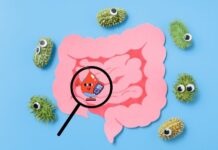
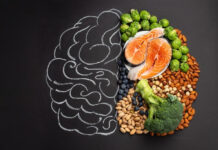


As modern diets increasingly rely on convenience meals and ultra-processed foods, gut health has gained significant attention in nutrition science. Ultra-processed foods now account for a large share of daily consumption in many nations, raising questions about their effects on digestion, the gut microbiome, and overall health.
In this article, we will explore how processed foods affect the gut, examine the role of ultra-processed foods and inflammation, and break down what current research says about the gut microbiome and diet.
- Ultra-processed foods are low in fiber and may reduce gut microbiome diversity over time.
- Frequent intake may contribute to inflammation, digestive discomfort, and metabolic risks.
- A whole-food, high-fiber diet supports better digestion and long-term gut health.
Read More: 8 Simple Ways to Cut Ultra-Processed Foods From Your Diet
What Are Ultra-Processed Foods?
For most of human history, there has been some form of food preparation. Cooking over a fire is among the oldest methods, and later techniques for preservation, such as drying, smoking, curing, pickling, canning, and salting, were widely used.
Homemade breads, cheese, and canned fish are examples of traditionally processed goods that have been modified from their original state by the addition of salt, fat, sugar, or oil. On the other hand, UPFs differ significantly.
The Nova food categorization system, which divides food into four categories from least to most processed, is where the term “ultra-processed foods” first appeared:
- Fruits, vegetables, dairy products, and fish are examples of unprocessed or minimally processed foods
- Processed food ingredients, such as butter, sugar, salt, and olive oil
- Foods that have been processed, such as canned fruit, pickles, and jam
- Ultra-processed foods, such as hot dogs, sliced bread, energy drinks, and instant porridge
Ultra-processed foods contain one or more additives not found in a kitchen, such as artificial colors and flavors, chemical preservatives, emulsifiers (such as hydrogenated oils), and sweeteners like high-fructose corn syrup.
How the Gut Microbiome Supports Overall Health

The gut microbiome comprises a variety of microorganisms, including viruses, archaea, eukaryotes, and bacteria. These microorganisms benefit your body in many ways and exist throughout your body, including on your skin and in your digestive system:
- Aiding in the digestive process.
- Eliminating more dangerous microbes that could lead to illness.
- Controlling your immune system.
The majority of the nutrients in your meals are absorbed in your small intestine, where your gut microbiota aids in the breakdown of nutrients your body needs to function properly. Enzymes produced by gut bacteria aid in the breakdown of carbohydrates that your body is unable to process on its own.
Thanks to these bacteria, you will have absorbed 90% of the nutrients by the time your food passes from the small intestine into the large intestine.
“When we talk about a ‘normal’ microbiome, it is a constellation of healthy and potentially unhealthy organisms,” says Northwestern Medicine gastroenterologist Eugene F. Yen, MD. He adds, “We are learning that it’s not just bacteria that contribute to this balance.”
What Research Says About Ultra-Processed Foods and Gut Health
The body easily absorbs these foods due to the processing that goes into making them. The meal actually passes through your digestive system with ease because it is practically pre-digested. Manufacturers make most highly processed foods from refined grains that lack healthy fiber. They might also contain additives, sugar, salt, and fat.
The gut easily absorbs substances like sugar, which can cause rapid rises in blood glucose levels when quickly digested, because the body doesn’t have to do much work to digest the food. Furthermore, after consuming these items, the digestive system might not signal the brain that we are satisfied. We might overeat and put on weight as a result.
Read More: What Happens to Your Body When You Quit Ultra-Processed Foods for 30 Days
Ingredients in Ultra-Processed Foods That May Affect the Gut
Additives found in ultra-processed foods may affect intestinal health and gut flora:
Emulsifiers and Alterations to the Intestinal Barrier: Emulsifiers may affect gut flora while also enhancing texture and shelf life. According to some research, they may change the gut’s mucous layers.
Artificial Sweeteners and Microbiome Balance: Artificial sweeteners like sucralose and aspartame may impact the microbiota composition and glucose metabolism.
Food Colors, Flavor Enhancers, and Preservatives: Depending on dosage and personal reaction, some food additives may affect microbial activity.
High Sugar and Low Nutrient Density: Many ultra-processed foods are high in sugar and low in nutrient density, contributing to bloating and poor gut health outcomes.
Possible Signs Your Diet May Be Affecting Gut Health

Specific changes in energy, desires, and digestion may indicate an imbalance in gut function:
Disrupting the Gut Microbiome: Dietary fiber, the main source of energy for good gut flora, is usually lacking in UPFs. The microbiome’s diversity decreases in the absence of fiber, which promotes the growth of dangerous microorganisms.
Increasing Gut Inflammation: The gut lining can be irritated by compounds in highly processed foods, including emulsifiers, artificial sweeteners, and preservatives. According to studies, they may increase intestinal inflammation, putting vulnerable people at risk of diseases such as Crohn’s disease or ulcerative colitis.
Slowing Digestion: UPFs’ high sugar and fat content can cause bloating, acid reflux, and constipation by slowing down digestion. It may eventually reduce the digestive system’s effectiveness.
Increasing the Risk of GI Diseases: Consuming ultra-processed meals frequently increases the risk of non-alcoholic fatty liver disease, colon cancer, and metabolic disorders that have an indirect impact on digestive health.
Ultra-Processed Foods and Inflammation: Is There a Link?
Although inflammation is known as the silent killer, its causes are not difficult to pinpoint. High consumption of ultra-processed food is significantly associated with higher systemic inflammation, according to recent research from Florida Atlantic University.
Soda, chips, crackers, and processed meats all fall under the category of ultra-processed foods, or UPFs. They don’t offer much in terms of nutrition, and they’re loaded with additives that keep them fresh longer, and honestly, make them hard to say no to.
Researchers say these processed foods make up about 60% of what most adults eat, and that number’s even higher for kids. Eating a lot of them links to all sorts of health problems, like obesity, cancer, and heart disease.
High-sensitivity C-reactive protein levels are indicative of UPF consumption, according to FAU College of Medicine researchers. That is a highly reliable indicator of cardiovascular disease and a sensitive indicator of inflammation.
Read More: Why Ultra-Processed Foods Are Being Called ‘The Cigarettes of the Future
How to Reduce Ultra-Processed Foods Without Extreme Dieting
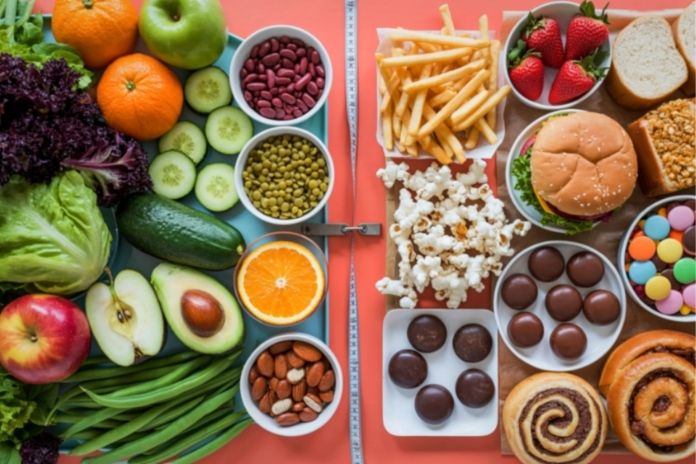
Healthy foods, including fruit and vegetables, seafood, unsaturated oils, legumes, nuts, and seeds, are less likely to be consumed when one consumes a lot of processed meals. Therefore, consider making some changes if you wish to alter your diet, like:
- Always choose plain yogurt and add chopped fresh, frozen, or dried fruit for sweetness, rather than flavored yogurts with added sugar or sweeteners.
- Cook your favorite foods in greater quantities at home and freeze the excess in portions for later use rather than purchasing sauces or prepared meals.
- Instead of eating sugary, low-fiber breakfast cereals, have porridge with fruit and nuts in the morning.
- Instead of purchasing fruit pies or cakes from the store, eat fresh fruit that has been cooked or stewed.
- Instead of having biscuits with your afternoon coffee, have some nuts.
Foods That May Support a Healthier Gut Microbiome
The following foods are among the greatest for gut health:
Foods high in Fiber
Sources: Whole grains, fruits, vegetables, legumes, nuts, and seeds are among the sources.
Benefits: Fiber functions as a prebiotic, feeding and fostering the growth of the good bacteria in the stomach. Additionally, it promotes overall gut health and helps maintain regular bowel movements.
Fermented Foods
Sources: Yogurt, kefir, miso, kimchi, sauerkraut, and kombucha.
Benefits: Probiotics are beneficial bacteria that help restore and maintain gut microbiota balance and are abundant in fermented foods. They also strengthen the immune system and aid with digestion.
Foods high in Polyphenols
Sources: Olive oil, berries, green tea, dark chocolate, and red wine.
Benefits: Plant chemicals called polyphenols have antioxidant properties and may help reduce intestinal irritation. Additionally, they strengthen the gut barrier and encourage the growth of good bacteria.
Omega-3 Fatty Acids
Sources: Walnuts, flaxseeds, chia seeds, and also fatty fish (like salmon, mackerel, and sardines)
Benefits: The anti-inflammatory qualities of omega-3 fatty acids can help lessen intestinal irritation. Additionally, they support the growth of beneficial bacteria and promote overall gut health.
Bone Broth
Source: Homemade bone broth produced from fish, beef, or chicken bones
Benefits: Collagen and amino acids in the bone broth can improve gut lining integrity and reduce any intestinal inflammation.
Common Myths about Processed Foods and Gut Health
Many beliefs about ultra-processed food and gut health are just oversimplified, and understanding science helps separate fact from misconception:
All Processed Foods are Bad: Not all processing is harmful. Context matters.
Gut Cleanses Can Repair the Microbiome Overnight: There is no quick fix. Gut health improves over time.
A Single Food Can Destroy Gut Health: Health is not determined by a single food. In general, Western diet habits are more significant.
When Digestive Symptoms Need Medical Attention
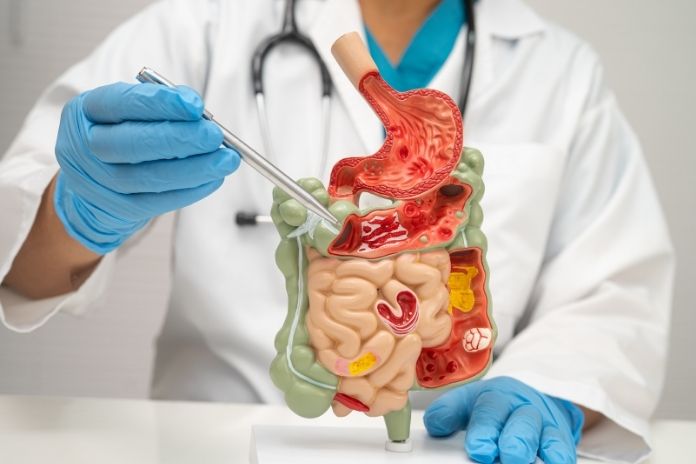
Occasional indulgence in processed meals does not destroy your gut health. However, it’s crucial to see a doctor if you have ongoing digestive problems, including bloating, diarrhea, constipation, acid reflux, or unexplained abdominal pain. Whether your symptoms are related to diet or an underlying GI issue can be identified with the assistance of a gastroenterologist.
Read More: Rethinking Baby Food: The Hidden Dangers of Ultra-Processed Choices
Conclusion
Ultra-processed foods and gut health suggest that frequent consumption of these foods may influence digestion, gut bacteria balance, and long-term metabolic health. Numerous studies show that diets high in ultra-processed foods often have low fiber and nutrient density, which, over time, may have a detrimental impact on the gut microbiome.
Remember, science keeps changing, and just because a study finds a link doesn’t mean one thing directly causes another. Your gut health isn’t just about one factor; it comes down to your genes, how you live, and the quality of the food you eat.
Experts say it’s a better idea to focus on eating mostly whole, less processed foods, get enough fiber, and work in some processed foods here and there, instead of banning them altogether.
References
- Johns Hopkins Bloomberg School of Public Health. (2025, November 10). Most of the foods we eat are ultra-processed. Are they all unhealthy?:
- Heart & Stroke Foundation. What is ultra-processed food and how can you eat less of it?:
- Northwestern Medicine. (2025, May). What does your gut microbiome have to do with your health?
- Colorado State University Extension. (2025, August). The gut microbiome and health.
- GI Partners of Illinois. How ultra-processed foods affect digestive health: What you need to know.
- Victoria Taylor. (24 March 2025). Ultra-processed foods: how bad are they for your health?
In this Article