
















People sometimes disregard hay fever eye symptoms, even though they can be as irritating as sneezing or a runny nose. You’re not alone if you’ve ever had itchy eyes from hay fever, red eyes from allergies, or even swollen eyelids from hay fever. Allergens like dust, pollen, or pet dander can cause allergic conjunctivitis, which includes these symptoms.
Everything you need to know about hay fever and eye irritation will be covered in this article, including what causes these symptoms, how to identify them, what exacerbates them, and how to find relief.
- Hay fever often causes itchy, red, watery eyes due to pollen-triggered allergic conjunctivitis.
- Symptoms worsen on high-pollen days and may include blurred vision and swelling.
- Relief comes from antihistamines, eye drops, and avoiding allergens like dust and pollen.
Read More: Hay Fever vs. Common Cold: How to Tell the Difference
Why Hay Fever Affects the Eyes
Every year, millions of people (up to 25% of the adult population) suffer from seasonal pollen allergies, commonly known as “hay fever,” which typically occur between mid-May and mid-July.
Pollen grains are light and fluffy, and they spread easily through the air, especially on warm, humid days, which can make the summer months feel less than ideal for certain people.
Sneezing, coughing, headaches, itchy eyes, and fatigue are typical signs of hay fever.
Pollen from trees, grasses, and weeds triggers hay fever, also known as seasonal allergic conjunctivitis. While grass pollen is more common during the late spring and summer, tree pollen often peaks in early spring.
This pollen can cause an allergic reaction when it gets into your eyes. Your body’s immune system views pollen as a foreign invader when it comes into contact with the conjunctiva, the delicate tissue of the eye, and releases histamine, which causes eye irritation and the symptoms described below:
- Redness brought on by inflammation in the eyes’ blood vessels
- Histamine is released by the body, causing itching
- As your eyes work to eliminate the irritants, they will water
- The other symptoms around the eyelids bring on swelling
Common Eye Symptoms Caused by Hay Fever
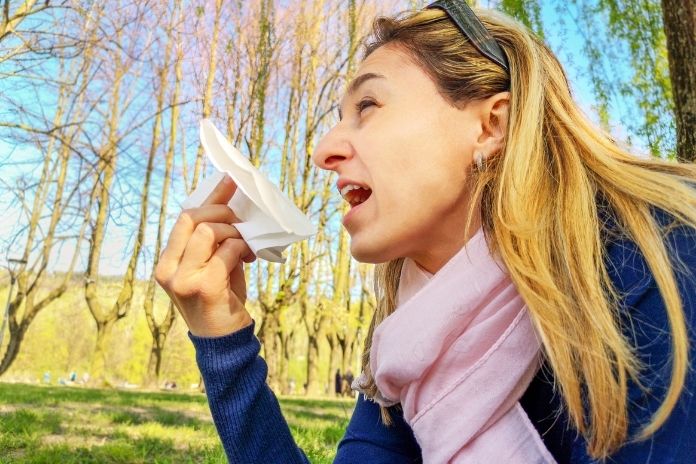
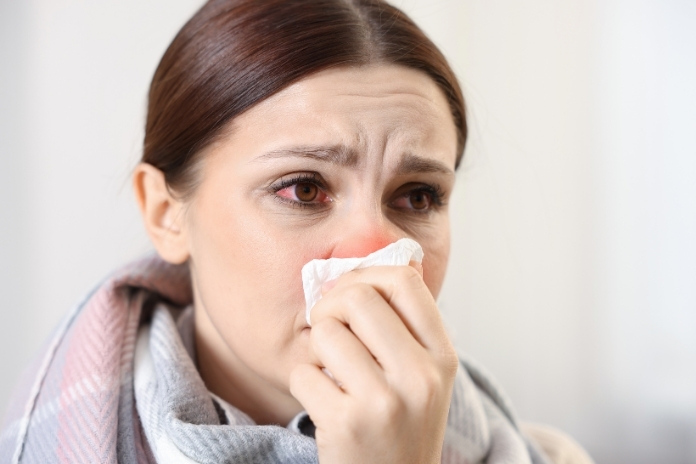
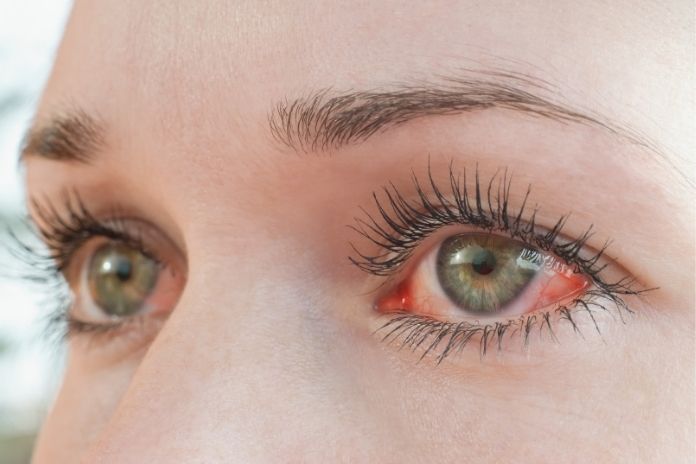
Redness, which can be uncomfortable and give the appearance of bloodshot eyes, is one of the most prevalent signs of hay fever. Other frequent symptoms of hay fever, which can be quite uncomfortable, include itching, watering, and swelling. Those with hay fever may also be light-sensitive, making it difficult for them to see well in bright settings.
Hay fever can directly affect vision in addition to these unpleasant symptoms, such as:
Blurred Eyesight: Eye edema and inflammation can cause hazy vision.
Double Vision: Allergies can weaken the muscles of the eyes, leading to double vision.
Eye Fatigue: Persistent eye rubbing and itching can lead to ocular strain and weariness.
Reduced Visual Acuity: Hay fever may occasionally cause a temporary vision loss or, in extreme cases, a reduced visual acuity.
Hay fever’s effects on vision can be very annoying, making it difficult to do everyday activities like reading or driving, and they can last long after the illness has passed.
What Causes Swollen Eyelids During Allergy Season?
When allergens come into contact with the eyes, your body releases histamine, triggering an allergic reaction. The conjunctiva’s blood vessels enlarge. During this time, the eyes might quickly turn red, irritated, and teary.
The pollens that cause symptoms differ from person to person and from place to place. Ragweed, grasses, and trees are examples of plants that produce tiny pollen that can trigger allergic reactions. The same pollens can also trigger hay fever.
When there is more pollen in the air, your symptoms could get worse. On hot, dry, windy days, pollen concentrations are more likely to be higher.
Cool, wet, rainy days wash most pollen to the ground. Dust mites, mold, or animal dander may also bring on this issue.
Allergies frequently run in families. The precise number of persons who suffer from allergies is difficult to determine. The term “allergy” is frequently used to describe a variety of disorders that may not actually be allergies.
Read More: Can Hay Fever Make You Dizzy? Surprising Symptoms of Seasonal Allergies
Hay Fever Eye Symptoms vs. Other Eye Conditions
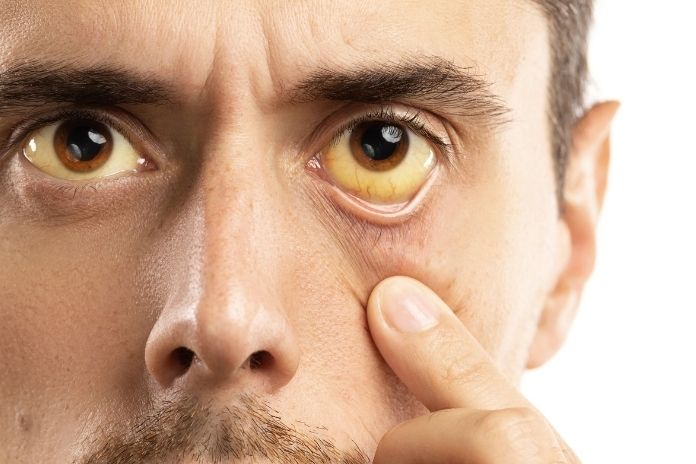
It is easier to ensure accurate diagnosis and treatment when one is aware of the distinctions between allergy-related eye problems and other disorders.
Allergies vs. Pink Eye: While both cause redness, allergic conjunctivitis symptoms typically include itching and affect both eyes. Thick discharge is a possible symptom of infectious conjunctivitis.
Allergies vs. Dry Eye Syndrome: While watery eye allergies are typically accompanied by itching and associated with allergen exposure, dry eye may cause burning and irritation.
Signs It May Not Be Allergies
Be wary if you observe:
- Thick green or yellow discharge
- Extreme discomfort
- Vision shifts
- Symptoms are limited to one eye
When Hay Fever Eye Symptoms Tend to Be Worse
Environmental exposure and elevated allergen levels often exacerbate eye symptoms of hay fever.
Seasonal Pollen Peaks: Pollen allergies are most prevalent in spring and fall, which can exacerbate seasonal allergy symptoms in the eyes, such as swelling and redness.
Environmental Factors: Pollen spreads more readily in windy or dry conditions, aggravating eye allergy triggers and increasing irritation and watery eyes.
Indoor Allergens: Dust mites and cat dander can cause hay fever and eye irritation all year-round, even indoors.
How to Relieve Itchy, Red, and Swollen Eyes From Hay Fever
A medical expert can assist in creating a treatment plan to lessen or eliminate hay fever symptoms if a patient is aware of their allergy triggers.
Anti-Allergy Eye Drops: Because they directly target the site of inflammation, they can help relieve eye symptoms. Don’t forget to check whether you can use the drops while wearing contact lenses.
Antihistamines: Another choice that has a quicker impact is antihistamines. They function by preventing the release of histamine from mast cells during an allergic reaction. Therefore, they can help lessen the intensity of symptoms as soon as they appear, even though they cannot stop the allergic reaction.
Steroid Eye Drops: In extreme circumstances, your optometrist or general practitioner may recommend steroid eye drops. Doctors closely monitor treatment because these potent anti-inflammatory drugs can cause potentially dangerous adverse effects.
Read More: 12 Home Remedies For Hay Fever – Get Them Sneezes Out
Can Allergy Eye Symptoms Become Serious?
There are two things you need to do, ideally right away, if you suspect you have an eye allergy:
- See an ophthalmologist
- Observe the recommended course of treatment
If left untreated, ocular allergies can lead to serious issues like:
- Dry eyes
- Infection
- Eye scarring
- Blindness for life
Frequent eye rubbing brought on by itchiness might lead to serious eyesight issues, such as:
- Keratoconus is a corneal condition that can lead to blindness
- Blurred vision or blindness may result from limbal stem cell deficit (LSCD), which also affects corneal tissues
- Tiny blood vessels in the eyes rupture, causing bloodshot eyes
- Deterioration of pre-existing vision conditions, such as glaucoma or myopia
Tips to Prevent Eye Symptoms During Allergy Season
Even though we can’t completely remove pollen from the air, there are things you can do to reduce the amount of pollen that gets in your eyes during allergy season:
- To protect your eyes from airborne pollen, put on wraparound sunglasses
- Rubbing your eyes can worsen discomfort and aggravate allergies, so avoid it
- To reduce pollen in your home, use an air purifier
- To remove the pollen from your skin and hair after being outside, take a shower and change into new clothes
- When pollen levels are high, such as in the early morning and late evening, stay inside
- Making the move to daily disposable lenses can benefit contact lens wearers by preventing pollen accumulation on the lens’s surface
When to See a Doctor or Eye Specialist
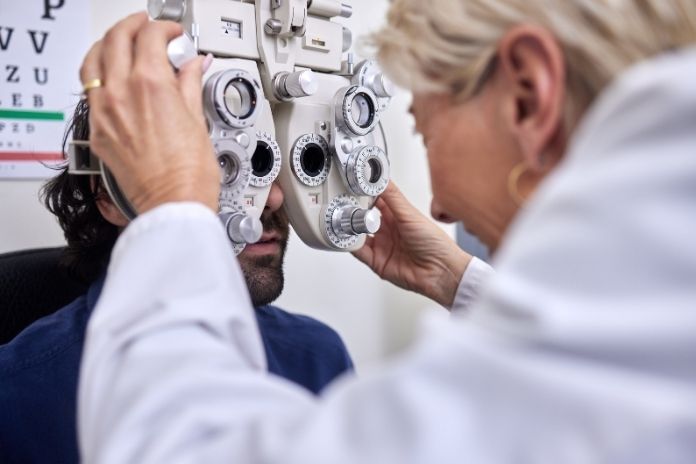
It’s crucial to seek professional guidance and treatment if your hay fever symptoms persist despite taking precautions. An eye care specialist can assist in identifying and treating underlying eye disorders and in suggesting ways to manage hay fever symptoms.
Hay fever can cause numerous unpleasant symptoms that affect eyesight and overall eye health. You can control your hay fever symptoms and protect your eyes by avoiding allergens, using prescription medications, keeping your eyes clean, and consulting a physician.
Read More: Why Do I Feel Feverish but Don’t Have a Fever?
Conclusion
Daily comfort can be significantly affected by hay fever eye symptoms, particularly during allergy peak seasons. You can effectively manage itching, redness, and swelling with the right approach. Reducing exposure and averting flare-ups is easier when you are aware of triggers, including dust, pollen, and environmental factors.
You can get significant relief by making a few changes: use the right treatments, avoid things that bother your eyes, and keep up good eye care habits. But if your symptoms are really bad or just won’t go away, don’t ignore them; they could signal a more serious problem with your eyes. The sooner you catch problems and get the right treatment, the better your chances are of protecting your vision and feeling good overall.
References
- Samuel Deakin. (15th January 2024). How Does Hay Fever Affect Your Eyes?
- Gillian Whitby. (21 February, 2025). The Impact of Hay Fever on your Eyes.
- Greenwich Eye Care. Eyelid swelling: Allergic, infectious, and other causes.
- MedlinePlus. Allergic conjunctivitis.
- Allergy & Asthma Network. Eye allergies – Allergic conjunctivitis.
- McDevitt Eye Care. Reasons why your eyelid is swollen.
- The College of Optometrists. Hay fever and eyes.
- NHS inform. Hay fever.
- Mayo Clinic. (August 13, 2024). Hay fever.
- ReFocus Eye Health. Eye allergies and their impact on corneal health.
- NVISION Eye Centers. Allergies and eyes: How allergies affect your eyes.
In this Article