











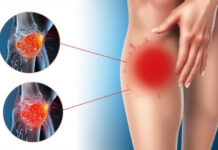








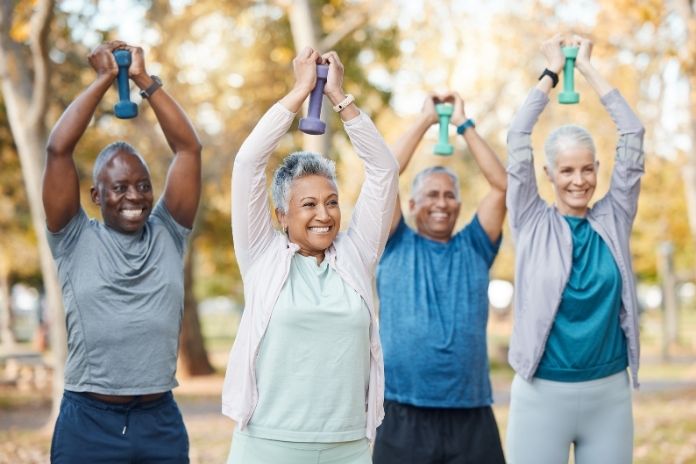
The best moves for stronger bones over 60 combine three types of exercise: resistance training, weight-bearing movement, and balance training. Research shows this combination helps improve bone mineral density, maintain strength, and reduce fall-related fracture risk.
A meta-analysis of 15 randomized controlled trials found exercise reduced fracture risk from falls by about 40% in adults over 50. The key is choosing safe, consistent movement that places healthy stress on the skeleton.
- Resistance training is the most effective type of exercise for improving bone density after 60, especially in the lumbar spine and hip.
- Weight-bearing movement and balance training help strengthen bones, improve stability, and reduce the risk of fractures from falls.
- Regular exercise over several months can produce measurable improvements in bone health, mobility, and independence later in life.
Read More: Chair Yoga for Seniors: Simple Moves to Improve Strength and Flexibility
Why Bone Health Matters More After 60
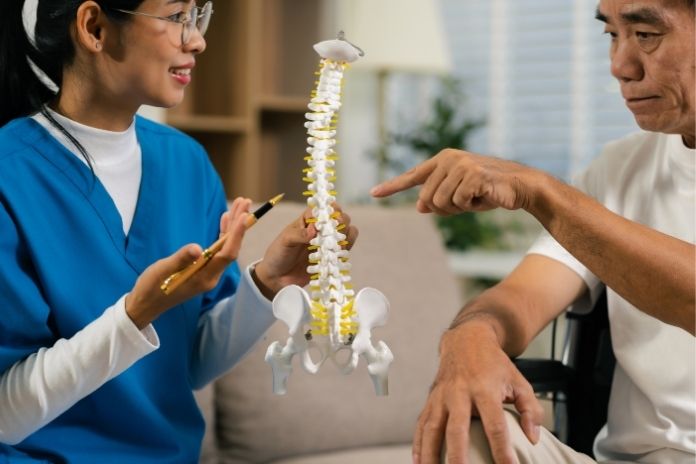
Moves for stronger bones over 60 are important because bone loss affects mobility, balance, and independence. Many adults do not notice bone loss until a fall or fracture happens. Hip and spine fractures can make daily activities more difficult and may require long recovery periods.
Bone is a living tissue that responds to exercise at any age. Research shows that the right types of movement can help support bone mineral density, improve strength, and lower fracture risk. The goal is not intense workouts. The goal is regular exercise that safely challenges the body.
Why Your Bones Actually Respond to Exercise
Bone is constantly being broken down and rebuilt. Exercise helps shift this balance toward building stronger bones. When bones experience mechanical loading, stress created by body weight, resistance, or impact, bone-building cells called “osteoblasts” become more active. This signals the body to maintain stronger bones.
That is why weight-bearing exercise and resistance training matter so much. Activities like squats and heel raises create higher mechanical stress on bone tissue, which helps stimulate osteoblast activity and bone adaptation.
Research published in Frontiers in Physiology in 2025 highlighted how these movements generate significant loading forces through the lower body. Swimming and cycling are good for heart health, but they do not place enough stress on bones to significantly improve bone density. Bones need resistance and gravity-based stress to adapt.
Read More: What Is Bradykinesia? Everything You Need to Know About Slowed Movements
Resistance Training – the Most Important Category
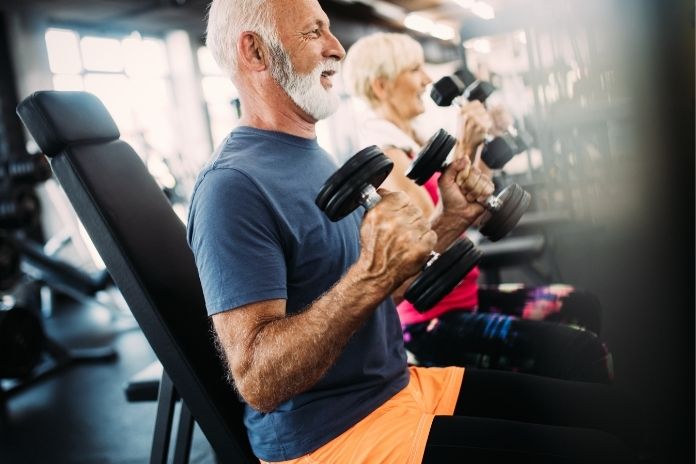
Resistance training has the strongest research support for improving bone health after 60. Studies show moderate-to-high load resistance training can improve bone mineral density by an average of 1.82%, particularly in older adults.
The biggest benefits are usually seen in the lumbar spine and femoral neck. The hip region is most associated with serious fractures and long recovery times. These are the exercises most often recommended in bone density exercise programs for people over 60:
- Squats
- Heel raises
- Resistance band rows
- Resistance band chest presses
- Light-to-moderate deadlifts
- Step-ups
The goal is to safely apply enough resistance to encourage bone remodeling. Higher-intensity training, usually around 70% or more of one-repetition maximum (1RM), tends to produce the largest bone gains.
But research also shows that moderate intensity, around 60% of 1RM, delivers most of the benefit with much better comfort and tolerability for adults over 60. Consistency matters more than lifting heavy weights. Resistance bands are especially useful for beginners. They provide joint-friendly resistance, are inexpensive, and work well at home.
Exercises like seated rows, chest presses, and standing hip work can all help strengthen muscles that support the spine and hips. For many adults over 60, two or three sessions per week are enough to begin seeing meaningful improvements over time.
Weight-Bearing Movement – Building on the Resistance Base

Weight-bearing exercise means any activity where your body supports its own weight against gravity. This type of movement adds ground reaction forces that place healthy stress on bones. Walking is one of the simplest forms of weight-bearing exercise. Walking outdoors on hills, trails, or uneven ground creates more loading than flat treadmill walking and may provide a stronger bone stimulus.
Dancing is one of the most consistently bone-protective activities in research. It combines weight-bearing movement with direction changes that help load the skeleton in multiple ways. Stair climbing is another excellent option because it creates greater loading through the hips and femoral neck compared with level walking.
Other helpful options include:
- Low-impact aerobics
- Step training
- Brisk outdoor walking
- Hiking on gentle inclines
Research reviews supported by the World Health Organization suggest that 3–5 sets of 10–20 jumps several days per week may help maintain bone density. However, adults with diagnosed osteoporosis, osteopenia, or previous fractures should avoid jumping unless guided by a physiotherapist. Lower-impact alternatives are often safer and more appropriate.
Balance Training – the Fall Prevention Layer
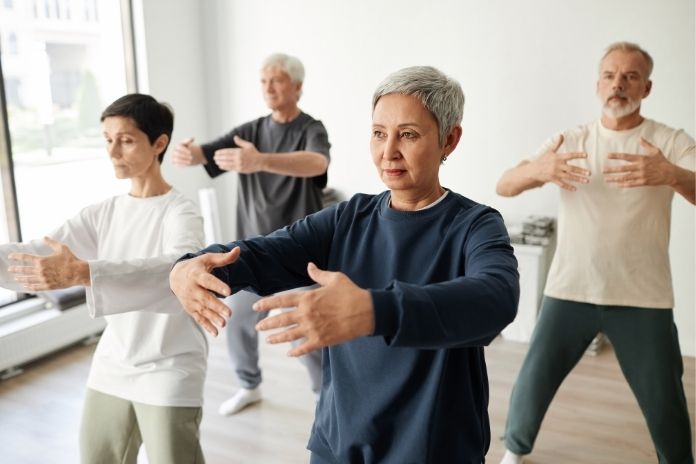
Balance training does not directly increase bone density, but it plays an important role in fracture prevention. About 90% of hip fractures happen after a fall. That is why balance and fall prevention are so important. A meta-analysis of 15 randomized controlled trials found exercise reduced fall-related fracture risk by about 40% in adults over 50.
Tai Chi is one of the best-studied options. A 2022 study found Tai Chi improved balance and supported bone health in postmenopausal women. It is slow, controlled, beginner-friendly, and requires no equipment.
Simple home balance exercises can also be highly effective:
Single-Leg Stance
Stand near a chair or countertop and balance on one leg for 30–60 seconds. Over time, progress by reducing hand support or briefly closing the eyes.
Heel-to-Toe Walking
Walk in a straight line, placing the heel of one foot directly in front of the toes of the other. This improves coordination and stability.
Yoga
Regular yoga practice can improve balance within a few months. It may also help lower stress, which can support overall bone health. Even short balance sessions done several times per week can help improve stability and reduce fall risk.
How to Put It Together – A Weekly Structure
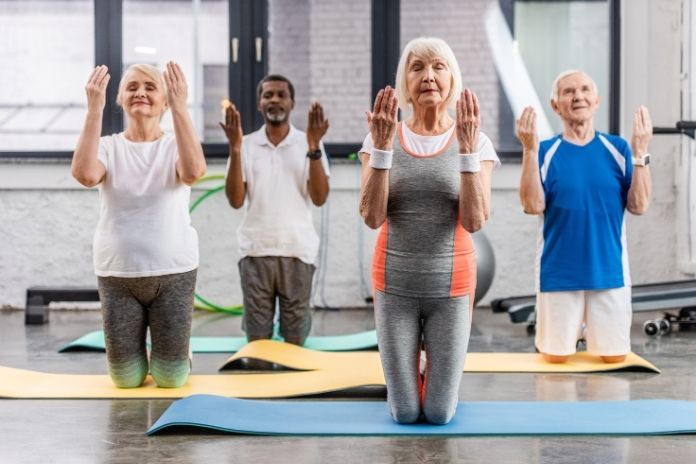
The best exercise plan is one that can be followed consistently. Research suggests programs lasting at least seven months and combining multiple exercise types produce the most consistent improvements in bone mineral density.
A practical weekly structure may look like this:
Resistance Training
- 2–3 sessions per week
- About 30–45 minutes each
- Focus on squats, heel raises, rows, presses, and lower-body strengthening
Daily Weight-Bearing Movement
- Walking
- Dancing
- Stair climbing
- Light aerobics
- Aim for 20–30 minutes most days
Balance Training
- 2–3 sessions weekly
- Around 10-15 minutes
- Can be added at the end of resistance workouts
Anyone over 60 with diagnosed osteopenia, osteoporosis, or a history of fractures should get a physiotherapy assessment before starting a bone-loading exercise program. That is not about avoiding exercise. It is about choosing the safest and most effective movements for your specific needs.
Read More: Dive into Fitness: 8 Gentle Water Aerobics Exercises for Seniors
Conclusion
The best moves for stronger bones over 60 combine three types of exercise. Resistance training helps support bone density. Weight-bearing movement adds healthy stress through daily activity.
Balance training helps reduce fall risk and helps prevent fractures. Bone changes take time. Most improvements happen over months, not weeks. But regular exercise can help support strength, mobility, balance, and independence over the long term.
FAQs
Q. What is the best exercise for bone density after 60?
A. Resistance training has the strongest evidence for improving bone density after 60. Research shows moderate-to-high load resistance training can improve bone mineral density by an average of 1.82%, especially in the lumbar spine and hip. The best overall approach combines resistance training, weight-bearing movement, and balance training.
Q. Can you improve bone density after 60?
A. Yes. Bone still responds to exercise later in life. Research reviewed by the World Health Organization found that physical activity probably improves lumbar spine bone mineral density with moderate-certainty evidence. Meaningful changes usually take time, though. Most studies showing measurable DEXA scan improvements lasted at least seven months.
Q. Is walking enough for bone health after 60?
A. Walking is an excellent foundation for healthy aging, but it is usually not enough on its own to significantly improve bone density. Walking helps maintain general bone health and mobility, but resistance training provides the stronger mechanical loading needed to stimulate larger bone mineral density gains and reduce fracture risk.
References
- Jäger, R., Kerksick, C. M., Campbell, B. I., Cribb, P. J., Wells, S. D., Skwiat, T. M., Purpura, M., Ziegenfuss, T. N., Ferrando, A. A., Arent, S. M., Smith-Ryan, A. E., Stout, J. R., Arciero, P. J., Ormsbee, M. J., Taylor, L. W., Wilborn, C. D., Kalman, D. S., Kreider, R. B., & Antonio, J. (2017). International Society of Sports Nutrition position stand: Protein and exercise. Journal of the International Society of Sports Nutrition, 14(1), 20.
- Morton, R. W., Murphy, K. T., McKellar, S. R., Schoenfeld, B. J., Henselmans, M., Helms, E., Aragon, A. A., Devries, M. C., Banfield, L., Krieger, J. W., & Phillips, S. M. (2018). A systematic review, meta-analysis and meta-regression of the effect of protein supplementation on resistance training-induced gains in muscle mass and strength in healthy adults. British Journal of Sports Medicine, 52(6), 376–384.
- Phillips, S. M. (2015, June 18). How much protein do you need every day? Harvard Health Publishing.
- Tagawa, R., Watanabe, D., Ito, K., Ueda, K., Nakayama, K., Sanbongi, C., Miyachi, M., & Higashida, K. (2024). Higher protein intake during resistance training improves lean body mass and strength gains: A systematic review and meta-analysis. Nutrition Reviews. Advance online publication.
- Traylor, D. A., Gorissen, S. H. M., Phillips, S. M., & Witard, O. C. (2018). Perspective: Protein requirements and optimal intakes in aging: Are we ready to recommend more than the recommended daily allowance? Advances in Nutrition, 9(3), 171–182.
- Williamson, E., Kato, H., Moore, D. R., Witard, O. C., & Breen, L. (2019). Indicator amino acid oxidation protein requirement estimate in endurance-trained men 24h post-exercise exceeds both the EAR and current athlete guidelines. Frontiers in Nutrition, 6, Article 45.
- Examine.com. (n.d.). Protein requirements in endurance-trained men 24h post-exercise. Examine Research Feed. Retrieved May 18, 2026,
In this Article