


















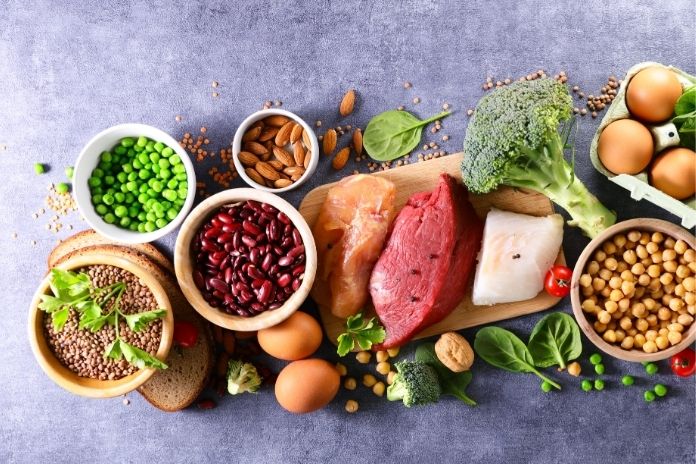
The difference between complete and incomplete proteins is one of the most misunderstood topics in nutrition. Many people hear the word “incomplete” and assume it means low-quality or unhealthy, especially when talking about plant-based diets. In reality, the distinction is much simpler than it sounds.
A complete protein contains all nine essential amino acids in adequate amounts, while an incomplete protein is low in one or more. Understanding how this works, which foods fall into each category, and how the body uses amino acids can help remove unnecessary confusion around protein quality and meal planning.
What Amino Acids Are—and Why Nine of Them Are Non-Negotiable
Proteins are made of amino acids, small building blocks the body uses for muscle repair, hormone production, immune function, enzyme activity, and oxygen transport. There are 20 amino acids in total.
Of these 20 amino acids, 11 are considered non-essential because the body can produce them on its own. The remaining nine are called essential amino acids because the body cannot make enough of them and must get them from food. The nine essential amino acids are histidine, isoleucine, leucine, methionine, lysine, phenylalanine, threonine, tryptophan, and valine.
Each one has a specific role in the body. Leucine helps trigger muscle protein synthesis. Tryptophan is needed for the production of serotonin and melatonin. Lysine supports collagen formation and calcium absorption. Histidine plays a role in immune function.
When even one essential amino acid is consistently too low, it becomes what nutrition scientists call a limiting amino acid. Over time, this can affect recovery, muscle repair, hormone production, and overall metabolic function.
- Whole grains are linked to lower risks of heart disease, type 2 diabetes, certain cancers, and overall mortality.
- Replacing refined grains with whole grains may improve cardiovascular and metabolic health markers.
- Diets rich in whole grains and fiber are associated with better blood sugar control and lower insulin resistance.
Read More: Tired of Hummus? 5 Savory Vegan Finger Foods With 15g+ of Protein
What Makes a Protein Complete or Incomplete—the Precise Definition
A complete protein contains all nine essential amino acids in amounts high enough for the body to use efficiently. An incomplete protein is missing or critically low in at least one essential amino acid. The important detail is adequacy. Some incomplete proteins still contain all nine essential amino acids, but one may be present in amounts too low to fully meet the body’s needs.
So the issue is not always total absence; it can simply be insufficient quantity. Scientists measure protein quality using something called the DIAAS score, short for Digestible Indispensable Amino Acid Score.
This is the protein quality system currently used by organizations such as the WHO and FAO. A DIAAS score above 1.0 generally indicates a complete, high-quality protein source. A score below 1.0 suggests one or more limiting amino acids.
Complete Proteins — the Full List
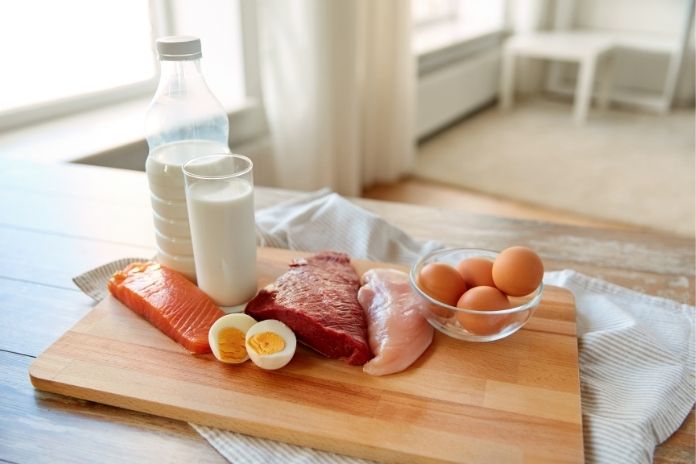
Most animal-based foods are complete proteins because they naturally contain all nine essential amino acids. These include beef, poultry, fish, eggs, cheese, and milk.
Some of the highest-quality complete proteins based on DIAAS scores include:
- Eggs (DIAAS around 1.13)
- Whey protein (around 1.09)
- Beef (around 1.0)
- Milk (around 1.0)
- Chicken (around 1.08)
Although most plant foods are incomplete proteins, there are several important exceptions.
Plant-Based Complete Protein Sources
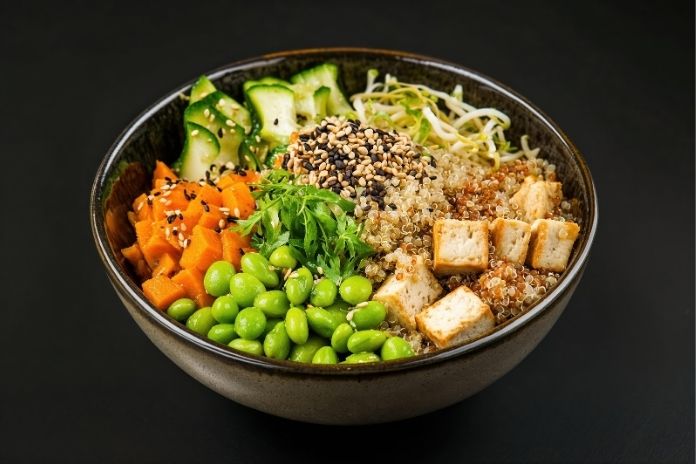
- Soy and edamame are among the most researched complete plant proteins and closest to animal proteins in amino acid quality.
- Quinoa, which is one of the few grains that naturally contains all nine essential amino acids.
- Hemp seeds are a complete plant protein that also contains omega-3 fats.
- Buckwheat is an often-overlooked complete protein grain.
- Nutritional yeast is a complete protein commonly used in plant-based cooking.
Read More: High-Protein Vegan Sweets That Won’t Spike Your Blood Sugar: Smart Dessert Options
Incomplete Proteins — and the Concept of Limiting Amino Acids
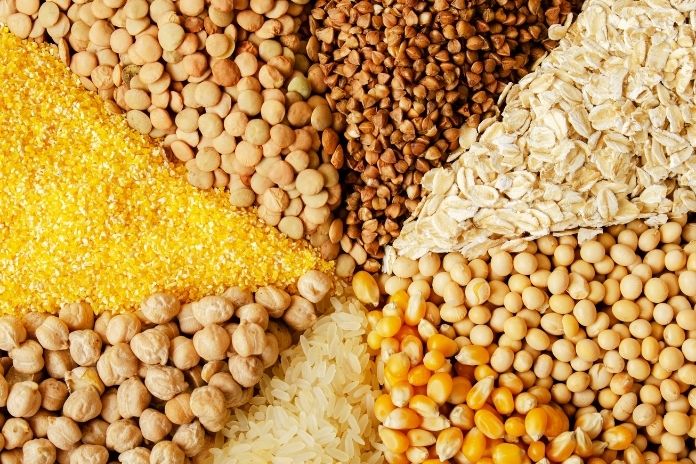
Most plant foods are considered incomplete proteins. This does not mean they lack essential amino acids completely. Instead, one or more amino acids may be present in amounts too low to fully support the body’s needs. The amino acid that is lowest compared to what the body requires is called the limiting amino acid.
Common Limiting Amino Acids in Plant Foods
- Lysine is commonly low in grains such as wheat, rice, oats, and corn, but higher in legumes.
- Methionine is low in beans, lentils, and chickpeas but higher in grains.
- Leucine is lower in many plant proteins compared to animal proteins, which matters more for athletes focused on muscle growth.
This explains why grains and legumes work well together nutritionally. Grains are lower in lysine but higher in methionine. Legumes are lower in methionine but higher in lysine. Together, they balance each other’s limiting amino acids, creating a more complete amino acid profile.
Protein Combining — the Evidence and the Myth
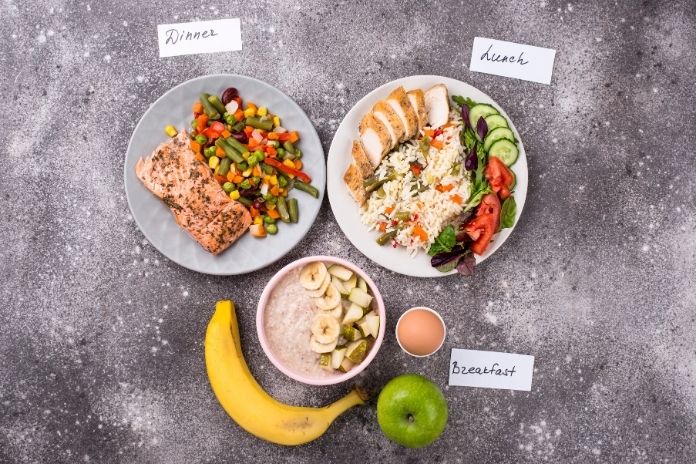
For many years, nutrition advice suggested that incomplete proteins had to be combined within the same meal. Rice and beans became the classic example of “protein complementing.” That advice has changed. You do not need to eat complete proteins at every meal. What matters more is your total amino acid intake across the entire day.
The body maintains a pool of amino acids from recent meals and uses them throughout the day as needed. This means amino acids from lentils at lunch and rice at dinner can still work together even if they are eaten hours apart.
For people eating plant-based diets, this makes meal planning much simpler. Eating a variety of legumes, grains, vegetables, nuts, and seeds throughout the day naturally provides all nine essential amino acids without needing to carefully combine foods at each meal. The variety itself creates amino acid complementation.
Does Protein Completeness Matter More for Athletes?

For most sedentary adults, eating a balanced diet, the difference between complete and incomplete protein is not especially important in daily life. A varied diet usually provides all nine essential amino acids naturally.
For athletes and people focused on building muscle, the distinction becomes more relevant because of leucine. Leucine is the essential amino acid most directly involved in triggering muscle protein synthesis.
Animal proteins generally contain more leucine than most plant proteins. Whey protein has one of the highest leucine concentrations of any common protein source.
This is why plant-based athletes may benefit from the following:
- Prioritizing higher-leucine plant proteins such as soy, edamame, and tempeh
- Combining lower-leucine plant proteins with higher-leucine sources at muscle-building meals
- Using complete plant protein blends such as pea and rice protein together, which creates an amino acid profile similar to whey protein
The Practical Summary — Does Anyone Actually Need to Worry About This?
Omnivores Eating a Varied Diet
Not really. Animal foods already provide complete proteins at most meals, so the distinction is mostly informational.
Plant-Based Eaters
Some awareness is helpful, but there is no need for obsessive planning. Eating a mix of legumes, grains, tofu, tempeh, edamame, nuts, and seeds throughout the day naturally provides all nine essential amino acids. The concern mainly appears when a plant-based diet is extremely low in variety.
Athletes Building Muscle
Leucine intake becomes more important. Prioritizing higher-leucine protein sources such as soy, tempeh, edamame, or pea-and-rice protein blends can better support muscle protein synthesis after training.
Read More: Cheap vs Expensive Protein Powders: Is There a Real Difference?
Conclusion
The difference between complete and incomplete proteins is real, but it is often exaggerated. Complete proteins contain all nine essential amino acids in adequate amounts, while incomplete proteins are lower in one or more.
For most people, eating a varied diet across the day naturally covers all amino acid needs without careful tracking or meal-by-meal protein combining. The concept is useful to understand, especially for athletes and plant-based eaters, but for the average healthy person, variety matters far more than perfection.
FAQs
Q. What is the difference between complete and incomplete proteins?
A. A complete protein supplies all nine essential amino acids in amounts sufficient for the body to use efficiently. An incomplete protein is missing or critically low in at least one. Most animal foods are complete proteins, while most plant foods are incomplete. However, eating a variety of plant foods throughout the day still provides all nine essential amino acids.
Q. Can you get all essential amino acids from plant food?
A. Yes. While most plant foods are incomplete proteins, some plant foods, such as quinoa, soybeans, and hemp seeds, are complete proteins. For incomplete plant proteins, eating a variety of legumes, grains, nuts, and seeds across the day provides all essential amino acids without needing to combine them at the same meal.
Q. Does it matter if I eat incomplete proteins?
A. Incomplete proteins are not automatically inferior. Most people eating a varied diet still get all the amino acids they need. The distinction matters more for athletes focused on muscle growth and for people eating very limited plant-based diets with little variety.
References
- Purely Planted. (2023, June 12). Plant-based protein: How to get all essential amino acids without meat. Purely Planted.
- Miduty. (n.d.). Essential and non-essential amino acids: Types and differences. Miduty.
- Brestenský, M., Nitrayová, S., Heger, J., & Patráš, P. (2024). Protein quality and amino acid composition in human nutrition. Nutrients, 16(13), 2134.
- Mariotti, F., & Gardner, C. D. (2022). Dietary protein and amino acids in vegetarian diets. Nutrients, 14(3), 541.
- ScienceDirect. (n.d.). Complete protein. In Topics in Biochemistry, Genetics and Molecular Biology. Elsevier
In this Article