
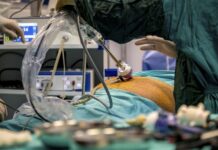















The call comes at 3 a.m. A blocked artery. Emergency surgery. Then, a few days later, a patient wakes up in an ICU with wires on his chest, tubes in his side, and a breastbone held together by steel wire. The surgery worked. Now comes the harder part: recovery.
Coronary artery bypass grafting (CABG) is one of the most common major cardiac procedures worldwide, performed on roughly 340,000 patients per year in the United States. It restores blood flow to the heart by rerouting a healthy blood vessel from the leg, chest, or arm around a blocked coronary artery. But the road back is long and demands patience from both patient and family.
Recovery after heart bypass surgery follows a predictable arc for most people, but the timeline is not one-size-fits-all. Age, pre-existing conditions, the number of bypasses performed, and whether complications arise all influence how quickly someone heals. Most patients return to everyday activities within six to twelve weeks. Full recovery, including regaining pre-surgery endurance and stamina, can take up to six months.
This article provides a week-by-week breakdown of the bypass surgery recovery timeline, what is normal at each stage, what to watch for, and how lifestyle and cardiac rehabilitation shape long-term outcomes.
- Most patients spend five to seven days in the hospital after CABG, beginning with one to two days in the ICU before moving to a general cardiac ward.
- The sternum takes approximately 6 to 8 weeks to heal, and lifting, driving, and strenuous activity are restricted during that period.
- Fatigue, mild chest discomfort, and fluctuating mood are expected in the first several weeks and usually improve gradually.
- Cardiac rehabilitation, a heart-healthy diet, and medication adherence significantly improve long-term outcomes after bypass surgery.
What Happens During Bypass Surgery and Why Recovery Takes Time

CABG reroutes blood flow by attaching a healthy blood vessel above and below a blocked coronary artery, creating a new path for oxygen-rich blood to reach the heart. Graft vessels are most commonly taken from the internal mammary artery in the chest or the saphenous vein in the leg, depending on the number and location of blockages.
What makes CABG recovery uniquely demanding is not just the heart itself but the access required to reach it. Surgeons cut through the breastbone, the sternum, in a procedure called a sternotomy. The sternum is wired back together after surgery and takes six to eight weeks to heal in most patients, and that timeline governs most activity restrictions.
Age and health significantly affect the pace of recovery. Older patients and those with diabetes, obesity, kidney disease, or poor lung function tend toward longer, more complicated recoveries.
Healthy, active patients who do not smoke often bounce back faster. Nirav Patel, MD, vice chair of cardiovascular and thoracic surgery at Northwell Lenox Hill Hospital, notes that “if patients are healthy and active, if they go to the gym, if they don’t smoke, they tend to recover faster.”
Bypass Surgery Recovery Timeline: Week-by-Week Breakdown

Days 1–3: Intensive Care Unit Recovery
Immediately after surgery, patients are moved to the ICU. For the first several hours, most remain on a ventilator while anesthesia wears off. The breathing tube is typically removed within hours once the patient is stable enough to breathe independently.
Monitoring in those first days is intensive: continuous ECG, frequent blood pressure checks, chest drainage tubes to remove fluid, a urinary catheter, and IV lines delivering medications and fluids. Temporary pacing wires may be attached in case of arrhythmia. Pain is managed with IV medications, and nurses begin asking patients to take slow, deep breaths and use a spirometer to prevent pneumonia.
The ICU stay usually lasts one to two days. Early movement, even just repositioning in bed, is encouraged to reduce the risk of blood clots and lung complications.
Days 4–7: Hospital Recovery Phase
Once stable, patients are transferred to a general cardiac ward. Drainage tubes and most monitoring equipment are removed. Oral medications replace IV lines. The focus shifts to controlled ambulation: short walks in the corridor, sometimes only twenty to thirty meters at first, several times a day.
Breathing exercises remain a priority. Patients are taught to cough firmly while pressing a pillow against the chest, a technique that clears the lungs without dangerous pressure on the sternal incision. Constipation from pain medications is common and managed with stool softeners. Pain at the chest incision and at the leg vein donor site is expected and controlled with oral analgesics.
Thor Sundt, MD, director of the cardiac surgery clinical service at Mass General Brigham and a cardiac surgeon at Massachusetts General Hospital, notes that “some patients may need to go to an inpatient rehabilitation facility before going home,” depending on recovery progress and home support.
Most patients are discharged around day five to seven with detailed instructions on wound care, medications, activity restrictions, and follow-up appointments.
Weeks 2–4: Early Recovery at Home
The first two weeks at home are defined by fatigue, incision monitoring, and very limited activity. This is often the most frustrating phase for motivated patients who feel well enough to do more than their body is ready for.
Fatigue is nearly universal. The body is diverting enormous resources toward bone and tissue repair. Most patients sleep more than usual and tire quickly from minor tasks. This is expected and not a sign that something has gone wrong.
Walking is the primary recommended physical activity. Short walks, five to ten minutes at a time, several times a day, promote circulation and reduce the risk of deep vein thrombosis and pneumonia. Distance should increase gradually, adding a minute or two every few days as tolerance improves.
Sternal precautions are strict during this period. Patients must avoid lifting, pushing, or pulling anything heavier than five to ten pounds. The incision needs daily inspection for redness, warmth, swelling, wound separation, or drainage, any of which warrants immediate contact with the surgical team.
Weeks 5–8: Regaining Strength
By weeks five through eight, most patients feel a genuine turning point. Fatigue begins to lift, walks become longer, and daily tasks that felt exhausting a few weeks earlier become manageable. This is also typically when cardiac rehabilitation begins in earnest.
Formal cardiac rehab programs, usually conducted three times a week at a supervised facility, combine monitored aerobic exercise, education about heart disease, and dietary and psychological counseling. A 2025 review in the World Journal of Cardiology confirmed that cardiac rehabilitation significantly improves functional capacity and quality of life following cardiac surgery, with benefits extending across physical, psychological, and social domains.
Emotional changes are common during this period and often catch patients off guard. Irritability, low mood, tearfulness, and anxiety about resuming activity are all documented post-CABG experiences. Up to one in four patients experiences clinically significant depression in the weeks following surgery. These symptoms frequently improve as physical recovery progresses, but they should not be ignored.
Weeks 9–12: Returning to Normal Activities
The third month typically marks a return to light daily routines. Driving is usually cleared between weeks 4 and 6, provided the patient is off narcotics, has received sternal clearance, and can comfortably turn the wheel and check blind spots.
Return to work depends on job demands. Sedentary office workers may be cleared as early as six to eight weeks. Those in physically demanding roles may require twelve weeks or more. Sexual activity can typically resume around weeks six to eight once sternal healing is confirmed and activity tolerance allows. Lifting restrictions can be eased after sternal clearance, but heavy exertion should be reintroduced slowly under cardiac rehab supervision.
3 Months and Beyond: Long-Term Recovery
Full recovery from CABG, in terms of regaining pre-surgery energy and functional capacity, takes three to six months for many patients. Beyond sternal healing, the focus shifts to maintaining the health gains achieved through surgery.
Long-term medication adherence is critical. Post-CABG patients are almost universally prescribed antiplatelet therapy, a statin, a beta-blocker, and often blood pressure medications. Stopping these without physician guidance substantially increases the risk of graft failure and future cardiac events. Follow-up imaging or stress testing is typically recommended around five years post-surgery, or sooner if new symptoms arise.
Common Symptoms During Recovery: What’s Normal vs. Concerning

Expected symptoms include mild chest soreness around the incision, clicking or popping sensations in the sternum as it heals, leg or foot swelling, fluctuating fatigue, and disrupted sleep. Loss of appetite during the first 1 to 2 weeks is also common.
Symptoms requiring immediate medical attention include fever above 101°F (38.3°C), significant wound changes such as spreading redness, pus, or separation, worsening shortness of breath at rest, chest pain that differs from typical incision soreness, sudden leg pain or swelling, and palpitations or sustained irregular heartbeat.
Pain, Sleep, and Energy Levels After Surgery
Pain management after CABG transitions from IV opioids in the hospital to oral analgesics at home within the first week. Patients should take prescribed medications proactively rather than waiting for discomfort to become severe.
Sleep disturbances are among the most underestimated challenges. Sternal tenderness makes changing position difficult, and anxiety compounds the problem. A pillow pressed against the chest for support, a firm mattress, and a consistent sleep schedule all help. Afternoon naps in the first weeks are both normal and beneficial.
Energy recovery is not linear. Good days are followed by difficult ones, and overexertion on a good day often leads to a significant setback the next day. Pacing, doing a little less than you feel you can, is one of the most important habits in cardiac recovery.
Activity Guidelines: What You Can and Cannot Do
Walking is the foundation of physical recovery and should begin as soon as possible after discharge. Cardiac exercise, such as supervised stationary cycling or treadmill work, is typically introduced during cardiac rehab in weeks five through eight.
Lifting restrictions of five to ten pounds remain in place until sternal clearance, usually at the six to eight-week follow-up. Driving requires both sternal clearance and confirmed cessation of narcotic pain medications.
Read More: Exercise for Heart Failure Patients: What’s Safe and Effective
Diet and Lifestyle Changes After Bypass Surgery
CABG improves blood flow, but it does not cure coronary artery disease. Without sustained lifestyle changes, the grafts and remaining arteries remain vulnerable to the formation of new plaque.
A heart-healthy dietary pattern emphasizing vegetables, fruits, whole grains, lean protein, fatty fish, and healthy fats, while limiting saturated fat, sodium, and processed foods, is consistently recommended by major cardiology guidelines. The Mediterranean and DASH dietary patterns both have strong evidence for reducing cardiovascular risk and are commonly recommended after CABG.
Cholesterol management through diet and medication is critical. Sodium restriction reduces blood pressure burden on the healing heart. For patients who are overweight, gradual weight reduction of one to two pounds per week reduces cardiac workload without the nutritional stress of rapid dieting.
Smoking cessation is non-negotiable; smoking raises graft failure risk and infection rates substantially. Alcohol should be limited, particularly in the first weeks, when it may interact with medications and impair sleep.
Read More: 9 Herbs and Supplements for Supporting Healthy Blood Pressure
The Role of Cardiac Rehabilitation in Recovery

Cardiac rehab is a medically supervised program combining monitored exercise, heart disease education, dietary counseling, stress reduction, and psychological support. Every major cardiology guideline recommends it after CABG, yet participation rates remain lower than they should, often due to transportation barriers or a lack of physician referral.
Rehab programs typically run three sessions per week for twelve weeks. Exercise intensity is carefully titrated to heart rate, monitored by ECG, and progressively increased as fitness improves. Patients who complete formal rehab consistently report better physical recovery and a higher quality of life at 6 and 12 months post-surgery.
Emotional and Mental Health After Bypass Surgery
The psychological impact of CABG is consistently underestimated. A 2025 longitudinal study published in Psych found that patients who participated in multidisciplinary rehabilitation after bypass surgery showed significant reductions in depression scores over time, with psychological recovery tracking alongside physical milestones.
Anxiety about returning to physical activity is especially common. Many patients become overly protective of their chest, hesitant to push even when cleared to do so. Cardiac rehab programs that include psychological support help patients recalibrate their relationship with exertion in a supervised, safe setting.
Sarah Samaan, MD, FACC, a board-certified cardiologist with nearly thirty years of clinical experience, advises that “the fastest way to recover is to be patient with yourself” and to lean on the care team throughout the process.
When anxiety or depression symptoms persist beyond four to six weeks or interfere with recovery compliance, professional mental health support should be sought promptly.
Possible Complications During Recovery
Serious complications after CABG are relatively uncommon in experienced centers but require vigilance. Short-term risks include surgical site infection, atrial fibrillation, pneumonia, deep vein thrombosis, stroke, and bleeding. Atrial fibrillation is one of the most common post-surgical arrhythmias and typically responds to medication.
Sternal wound complications, including incision separation or bone infection, are more likely in patients with diabetes or obesity. Longer-term concerns center on graft failure. If a bypass graft becomes blocked by new plaque, symptoms may recur, and further intervention may be needed. Internal mammary artery grafts tend to remain patent longer than saphenous vein grafts, making them the preferred choice when anatomically feasible.
When to Call a Doctor During Recovery
Patients should contact their surgical team or go to the emergency department for a fever above 101°F, significant wound changes, worsening shortness of breath, chest pain distinct from incision soreness, sudden leg swelling or pain, palpitations or irregular heartbeat, or any signs of neurological change.
Follow-up appointments are not optional. The first post-discharge visit usually occurs within 1 to 2 weeks and checks wound healing, vital signs, and medication tolerability. Ongoing cardiology appointments monitor heart function, cholesterol, and blood pressure. Patients should bring a written symptom log to every visit.
Read More: Why Swimming May Be the Best Exercise for Your Heart, According to Research
Key Takeaway
Recovery after coronary artery bypass grafting is a gradual, structured process unfolding over weeks to months. The first six to twelve weeks center on sternal healing, activity restriction, wound monitoring, and careful reintroduction of physical activity. Beyond that, long-term outcomes depend on cardiac rehabilitation, medication adherence, and sustained lifestyle change.
Most patients who follow their care team’s guidance return to a full, active life within 3 months. Bypass surgery restores blood flow to the heart, but protecting that investment over time through diet, exercise, and consistent follow-up determines how much it delivers. Progress in bypass surgery recovery is not measured in days but in small, consistent forward steps, each one building on the last.
References
- Carda Health. (2025). Bypass surgery recovery week by week.
- Fliegner, M. A., et al. (2025). From surgery to recovery: Measuring success through quality of life and functional improvements after cardiac surgery. World Journal of Cardiology.
- GoodRx. (2025). Life expectancy after bypass surgery and recovery time.
- Johns Hopkins Medicine. (2025). Coronary artery bypass graft surgery.
- Mass General Brigham. (2024). Heart bypass surgery and recovery.
- National Heart, Lung, and Blood Institute. (2022). Coronary artery bypass grafting: Recovery from surgery.
- Panzeri, A., et al. (2025). Psychological and physical health improvements after coronary bypass: A longitudinal study in cardiovascular rehabilitation. Psych, 15(10), 203.
- Patel, N. (2024). Heart bypass surgery: Recovery and life expectancy. HealthCentral.
- Ramsingh, R., & Bakaeen, F. G. (2025). Coronary artery bypass grafting: Practice trends and projections. Cleveland Clinic Journal of Medicine, 92(3), 181-191.
- Sundt, T. (2024). Heart bypass surgery. Mass General Brigham Newsroom.
- Carda Health. (n.d.). Bypass surgery recovery.
- Medanta. (n.d.). Heart bypass surgery recovery timeline, types and tips for a healthy heart.
- National Heart, Lung, and Blood Institute. (n.d.). Recovery after coronary artery bypass grafting.
- Livasa Hospitals. (n.d.). Heart bypass surgery recovery timeline expectations.
- Columbia Surgery. (n.d.). Recovering at home after heart surgery.
- GoodRx Health. (n.d.). Heart bypass surgery recovery: What to expect.
- Max Healthcare. (n.d.). Open heart surgery recovery time.
- Kauvery Hospitals. (n.d.). Recovery after CABG.
- Apollo 247. (n.d.). Bypass surgery patient recovery.
- Zynova Shalby Hospital. (n.d.). Heart bypass surgery recovery time.
In this Article