















GLP-1 medications, like semaglutide, have attracted significant attention for their potent effect on blood sugar regulation and weight loss. The question of whether GLP-1 foods or particular dietary patterns can naturally affect the same biological pathway has grown as a result.
Nowadays, a lot of individuals look for foods that increase GLP-1 naturally in the hopes of finding natural GLP-1 boosters or even Ozempic natural alternatives through diet alone. This article will discuss what GLP-1 is, how it functions in the body, how drugs like semaglutide imitate its actions, and whether food has a significant impact on this hormone.
- GLP-1 drugs mimic the hormone, reduce appetite, regulate blood sugar, and support weight loss.
- Fiber-rich foods, protein, and healthy fats support mild natural GLP-1 activity.
- Lifestyle helps, but medications remain far more potent and consistent.
Read More: GLP-1 for Weight Loss: Injectables vs. Pills – What You Need to Know
What Is GLP-1 and Why Does It Matter?
Your pancreas cannot create enough insulin to maintain blood sugar balance when you have type 2 diabetes. Your body naturally creates a hormone called glucagon-like peptide-1 (GLP-1), which instructs your pancreas to produce more insulin. GLP-1 hormone levels are frequently low in people with diabetes.
A drug that functions similarly to the GLP-1 hormone in your body is called a GLP-1 agonist. Maintaining healthy blood sugar levels increases insulin synthesis. Additionally, it might help you reach and maintain a healthy weight, which is crucial for diabetes management.
The role GLP-1 plays in gut-brain signaling is among its most significant. It helps control appetite by communicating with the brain to indicate fullness after meals. Higher GLP-1 activity is therefore closely linked to lower food intake and better metabolic health.
Researchers first investigated GLP-1 for treating type 2 diabetes, but later recognized its significant effects on weight loss. It shifted its focus to obesity treatment, leading to the development of GLP-1 drugs that enhance this natural process.
How GLP-1 Drugs Work
GLP-1 receptor agonists are drugs that imitate a hormone that your body naturally produces. They lessen hunger and prolong feelings of fullness. Ozempic®, Wegovy®, Mounjaro®, and Zepbound® are examples of common brand names.
Researchers first developed these medications to treat type 2 diabetes and later discovered that they also significantly reduce body weight. Researchers are now discovering that they may offer cardiac protection in several significant ways.
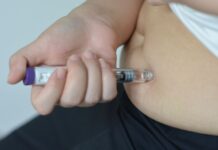
GLP-1s increase feelings of fullness, decrease appetite, and slow stomach emptying. When blood sugar levels rise, the pancreas releases insulin. One brand, Rybelsus®, is available in a pill form, but most GLP-1 medications are self-administered by injection, either once a week or daily.
Constipation, nausea, vomiting, and diarrhea are side effects of GLP-1 medications, notwithstanding their efficacy. Additional adverse effects may include headaches, elevated heart rate, and dizziness. Less frequently, issues with the pancreas, stomach, intestines, gallbladder, or kidneys can arise in patients using GLP-1 drugs.
Can Foods Naturally Increase GLP-1?
You’ve probably heard about how GLP-1 drugs are revolutionizing weight loss if you’ve been following health news in recent years. These medications have revolutionized the way physicians treat diabetes and weight control, helping many individuals achieve notable outcomes.
You might be surprised to learn that GLP-1 is more than just a drug. Your body naturally produces this hormone daily. Certain meals can stimulate your body to create more of this beneficial hormone, but no food can match the potent benefits of GLP-1 drugs.
Four important players are as follows:
- Soluble fiber requires particular consideration. Gut bacteria ferment fiber in your colon into short-chain fatty acids, which cause the L-cells to release GLP-1.
- Lean protein also helps preserve muscle mass and increases GLP-1 secretion, both of which are crucial for anyone trying to reach a healthy weight.
- Healthy fats can prolong the feeling of fullness by raising the GLP-1 level and slowing stomach emptying. For optimal effect, prioritize omega-3 fatty acids and monounsaturated fats.
- Probiotics and fermented foods might also be important. Research demonstrates that specific beneficial gut flora can influence GLP-1 synthesis. Including fermented foods may enhance your body’s natural hormone response by promoting a healthy gut environment.
Read More: GLP-1 Side Effects: When to Worry and When to Continue Treatment
Foods That May Support Natural GLP-1 Activity
Healthy meals that are part of dietary guidelines usually contain the nutrients that aid in stimulating GLP-1 secretion. Proteins, healthy fats, and high-fiber foods form the foundation of healthy eating habits aimed at improving overall health and losing weight.
But when it comes to boosting GLP-1 release, not all foods are created equal. In particular, lean proteins, unsaturated fats, and fermentable fibers are essential for promoting the release of this hormone.
Whites and Eggs: You should continue to include eggs in your daily morning routine for good reason. Protein and monounsaturated fats, which both aid in the release of GLP-1 and other hormones that promote satiety, are abundant in eggs.
Nuts: Despite their greater calorie content, you should avoid eating nuts if you’re attempting to lose weight. Healthy fats found in nuts, along with a small amount of fiber and protein, contribute to slowing the release of glucose into the bloodstream and the subsequent rise in GLP-1 secretion.
Oats: Some people believe they should avoid carbohydrates when trying to lose weight, but this belief is incorrect. Soluble fiber, abundant in foods like oats, slows digestion by delaying the release of glucose into the bloodstream, thereby stimulating GLP-1 production.
Avocado: If you want to see the scale move, here are several reasons to include avocado in your meals. High in fiber and monounsaturated fats, avocados aid in the release of GLP-1 and other satiety-promoting hormones.
Fruit and Vegetables: It’s no surprise that eating a lot of fruit is advised when attempting to lose weight, but there’s more to it than just their high volume and low calorie content. Their fiber content enhances GLP-1 release by slowing digestion and producing short-chain fatty acids.
Dietary Habits That May Support Appetite Regulation

Maintaining a balanced lifestyle naturally increases fullness and controls hunger hormones.
Why Meal Composition is Important: Well-balanced meals that include fiber, protein, and healthy fats may increase fullness and lessen cravings. Although this method does not mimic the effect of GLP-1 drugs, experts often recommend it within a GLP-1 diet framework.
Eating Habits Associated with Improved Blood Sugar Stability: Cutting back on highly processed food and sugary drinks may help stabilize blood sugar. These behaviors promote metabolic equilibrium and help the body react to natural incretin hormones more effectively.
How Hunger Hormones Are Affected by Sleep, Stress, and Exercise: Lifestyle factors also influence the appetite hormones. Chronic stress and sleep deprivation can impair your metabolic health, heighten cravings, and reduce sensitivity to fullness cues. Frequent exercise enhances insulin response and hormone homeostasis.
GLP-1 Foods vs GLP-1 Drugs: Key Differences
Among the more recent weapons in the arsenal against obesity are glucagon-like peptide-1 (GLP-1) agonists. They not only lower blood glucose levels but also significantly reduce energy intake, leading to weight loss.
They also raise concerns about cost, negative impacts, and sustainability. Prime Therapeutics, a Blue Cross Blue Shield affiliate, found that 68% of 4255 GLP-1 drug users stopped taking their medicine within the first year.
Could nutrition provide the majority of patients with a safer and less expensive way to lose weight? Researchers first found evidence supporting the nutritional approach when they discovered that carbohydrates, fiber, and unsaturated fatty acids naturally increase the intestinal GLP-1 production.
In a randomized crossover study for 50 people with type 2 diabetes, the ingestion of a single plant-based sandwich increased the GLP-1 secretion more than twofold, compared with an energy-matched meat sandwich. The observed rise in GLP-1 secretion is similar to that of sitagliptin.
Foods that raise GLP-1 secretion also promote weight loss through other mechanisms. Because plant-based foods have low energy density, they satisfy hunger with relatively few calories.
In a 16-week randomized trial of around 244 participants testing a low-fat diet of unlimited fruit, vegetables, grains, and legumes, without exercise, reported energy intake fell by more than 350 kcal/d, and body weight dropped by 5.9 kg, compared with an untreated control group.
Read More: GLP-1 Medications vs. Bariatric Surgery: Which Is Right for You?
What Current Research Says About Natural GLP-1 Support
People with diabetes who struggle with being overweight or obese now have a new method for controlling their disease and losing weight. Ozempic and Wegovy are examples of glucagon-like peptide-1 (GLP-1) medications that may be useful when other attempts fail.
“This new medical weight loss approach has been a lifeline to many who have struggled to lose weight and manage diabetes,” says Dr. Yvette-Marie Pellegrino, a board-certified obesity medicine specialist with Beaufort Memorial Lady’s Island Internal Medicine. She adds, “However, many want to avoid potential GLP-1 side effects. So, they want to boost their body’s GLP-1 naturally, with lifestyle and diet changes.”
These drugs may be the solution to your weight-loss concerns, according to research published by the National Institutes of Health. Your diet has an impact on your capacity to control your diabetes and lose weight. Certain meals promote the release of more GLP-1 into your body or maintain its function.
According to the American Diabetes Association, maintaining an active lifestyle may help you control your weight and lower blood sugar levels. Frequent exercise may also increase your body’s GLP-1 levels.
Early results suggest that your hormone levels are directly affected by the quality of your sleep, though more research is needed. Sleep deprivation can delay peak GLP-1 levels. You should produce more hormones and better control your weight if you get adequate sleep.
Regular exercise, a nutritious diet, and adequate sleep protect your heart, bones, muscles, and organs. Additionally, they can help you maximize the benefits of GLP-1 medicine.
Unfortunately, increasing your body’s natural GLP-1 production does not ensure optimum health.
When to Talk With a Healthcare Professional

Professional evaluation is very crucial if managing your weight becomes challenging or if problems such as type 2 diabetes or prediabetes emerge. In these situations, clinicians may consider GLP-1 drugs as part of a more comprehensive therapeutic strategy.
Patients should inquire about long-term expectations, risks, advantages, and the relative merits of semaglutide vs diet approaches in their particular situation. Each person has unique lifestyle choices, medical histories, and metabolic requirements. For this reason, clinicians must tailor GLP-1 drug treatment.
Read More: GLP-1 Medications and Muscle Loss: How to Preserve Lean Mass While Losing Weight
Conclusion
Compared with medical therapies, the effects of GLP-1 foods and dietary practices are often minor and also transient, although they can support appetite control, fullness, and the overall metabolic balance. Through the body’s natural hormonal responses, a balanced diet high in fiber, protein, and healthy fats may help stabilize blood sugar and regulate appetite.
Nevertheless, these dietary approaches cannot match the potency or reliability of pharmaceutical treatments such as GLP-1 drugs. Setting reasonable expectations requires an understanding of the distinction between medicine and lifestyle-based methods.
References
- Nebraska Medicine. (2026, January 26). GLP-1 medications are a promising tool for heart health.
- UC Davis Health. (October 18, 2024). GLP-1 Medications.
- National Academy of Medicine. (January 20, 2026). Health basics: GLP-1s.
- Candace Pumper, MS, RD, LD. (July 1, 2025). How to activate GLP-1 naturally.
- Nicole Rowe, MD (January 13, 2026). 9 Foods and Supplements That Increase GLP-1 Naturally.
In this Article