










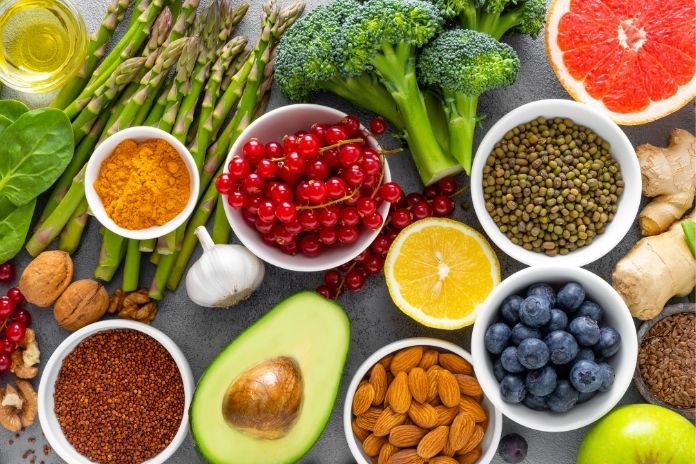
Eating the right food is only half the equation. The other half is how much your body actually absorbs, a concept called bioavailability (the proportion of a nutrient absorbed and used by the body after digestion).
Smart food pairings to increase nutrient absorption can raise that figure dramatically. Nutrition science shows that vitamin C can significantly improve iron absorption — research suggests plant-based iron absorption may increase from as little as 2% to as high as 65%.
Fat-soluble vitamins and healthy fat combinations unlock vitamins your gut would otherwise excrete entirely. Curcumin-piperine bioavailability studies confirm that a single pinch of black pepper significantly enhances turmeric’s bioavailability.
Most people eat well and still leave the majority of their nutrients on the table. These seven nutrient bioavailability food combinations change that. Here are seven evidence-backed food combinations for better absorption, plus two pairings worth avoiding.
- Pairing the right foods together can multiply nutrient absorption by hundreds of percent.
- Vitamin C raises plant-based iron absorption from as low as 2% up to 65% (American Journal of Clinical Nutrition).
- Small swaps, lemon on lentils, olive oil on salad, and pepper on turmeric deliver large nutritional returns.
How Nutrient Bioavailability Actually Works
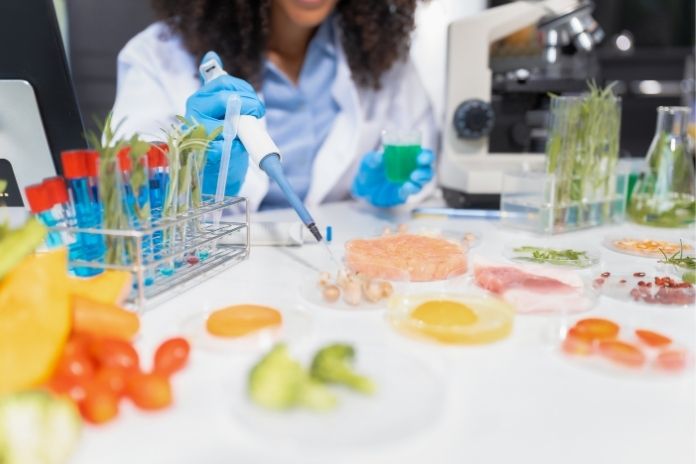
Your gut doesn’t automatically absorb nutrients. Many vitamins and minerals need companion molecules to change their chemical form before intestinal transporters can take them up. Think of it like a bouncer at the door: the right co-nutrient gets you in, the wrong one turns you away entirely.
Fat-soluble vitamins (A, D, E, and K) require dietary fat in the same meal to trigger bile and pancreatic enzyme secretion. Without fat, these vitamins pass straight through and get excreted.
Plant-based iron exists as ferric iron (Fe³⁺), a form your gut can’t efficiently process, until vitamin C converts it to ferrous iron (Fe²⁺). Knowing these mechanisms lets you make every meal work harder, without eating anything new.
Read More: Best Foods to Eat with Omega-3 Supplements: How to Boost Absorption and Maximize Benefits
7 Food Combinations for Better Absorption
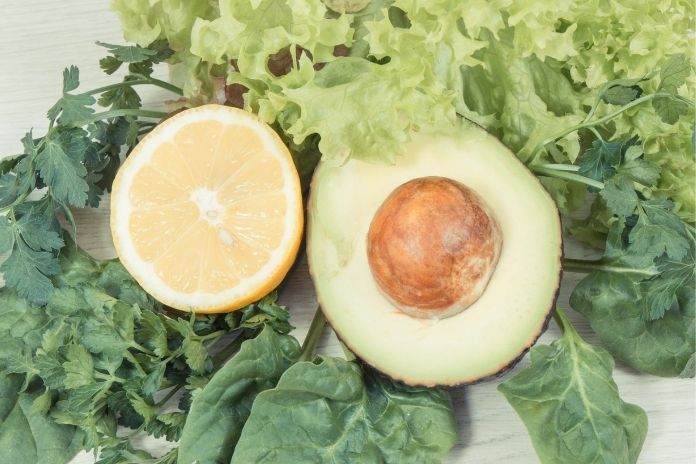
1. Iron + Vitamin C: Lentils and Lemon, Spinach and Bell Pepper
Plant-based (non-heme) iron is notoriously hard to absorb. On its own, your body takes up just 2 to 20% of it. Vitamin C acts as a reducing agent, converting ferric iron to ferrous iron, the form your gut actually absorbs.
It also prevents iron from binding to phytates (compounds in grains and legumes that trap minerals). Together, this vitamin-absorption food pairing raises iron absorption to 6-65%, according to research published in the American Journal of Clinical Nutrition.
Squeeze lemon over lentil soup, add sliced bell peppers to a spinach salad, or eat strawberries alongside fortified oats.
2. Fat-Soluble Vitamins + Healthy Fats: Carrots with Olive Oil, Salad with Avocado
Vitamins A, D, E, and K cannot be absorbed without fat present in the same meal. Fat triggers the bile secretion that packages these vitamins into micelles (tiny fat-soluble transport particles) that cross the intestinal lining. Without fat, they’re excreted.
Clinical research shows monounsaturated fats increase carotenoid bioavailability from vegetables by 2.8 to 4.7 times. A fat-free salad loaded with kale delivers a fraction of what the same salad dressed in olive oil does. Roast carrots and sweet potato in olive oil, add avocado to salads, and swap fat-free dressings for olive oil-based ones.
3. Lycopene + Olive Oil: Tomatoes Cooked in Olive Oil
Lycopene, the antioxidant linked to reduced cardiovascular and prostate cancer risk, is fat-soluble and highly heat- and fat-sensitive. Cooking tomatoes in olive oil increases lycopene bioavailability two to three times compared to eating raw tomatoes without fat, as per research in the Asia Pacific Journal of Clinical Nutrition.
Heat breaks down cell walls that trap lycopene inside the plant matrix. Olive oil provides the fat your gut needs to absorb it. Traditional Mediterranean tomato sauces simmered in olive oil turn out to be nutritionally engineered at the cellular level, not just culturally. Shakshuka and slow-cooked tomato dishes are excellent practical examples.
4. Turmeric + Black Pepper: Curries and Golden Milk
Curcumin (the active anti-inflammatory compound in turmeric) is poorly absorbed on its own and rapidly cleared by the liver. Piperine, an alkaloid in black pepper, inhibits the liver enzymes that break down curcumin, prolonging its circulation.
Research published in Planta Medica found piperine increases curcumin bioavailability by up to 2,000% in human subjects. One pinch of black pepper is sufficient. Most traditional curry recipes already combine both spices, centuries of intuitive food wisdom that modern science has now validated. Add black pepper to any turmeric dish, golden milk, or turmeric-roasted vegetables.
5. Calcium and Vitamin D: Dairy or Leafy Greens with Fatty Fish
Calcium absorption isn’t passive. Your body requires vitamin D to produce calcium-binding proteins in the intestinal lining that actively transport calcium across the gut wall. Without adequate vitamin D, your body absorbs only 10 to 15% of dietary calcium. With sufficient vitamin D, that rises to 30-40%, according to the NIH Office of Dietary Supplements.
That’s a two- to three-fold difference from the exact same meal. Vitamin D in food primarily comes from fatty fish, egg yolks, and fortified dairy products. Practical pairings: salmon alongside leafy greens, fortified milk, or sardines as a combined source of calcium and vitamin D in one food.
6. Green Tea + Lemon Juice: Catechins and Vitamin C
Green tea is rich in catechins (powerful antioxidants with cardiovascular and metabolic benefits), but catechins degrade rapidly in the alkaline environment of the small intestine. Much of what you drink doesn’t survive long enough to be absorbed. Vitamin C stabilizes catechins during digestion.
Research in Molecular Nutrition and Food Research found that lemon juice increases catechin bioavailability by up to 13-fold. That’s a remarkable return on a three-second squeeze. Add fresh lemon to your green tea while it’s still warm, before drinking.
7. Zinc + Animal Protein: Pumpkin Seeds with Meat, Legumes with Poultry
Zinc from plant sources is packaged with phytates, which bind zinc in the gut and significantly reduce absorption. Zinc from animal sources, beef, shellfish, and poultry, is far more bioavailable because animal foods contain no phytates.
When you eat zinc-rich plant foods alongside animal protein, the protein enhances zinc transport and dilutes the phytate load per unit of zinc. Research in the Journal of Nutrition confirms that animal protein meaningfully improves zinc absorption from mixed meals.
Try beef and lentil stew, pumpkin seeds alongside roast chicken, or oysters (the highest dietary zinc source) with any protein.
Read More: Can Beverages Replace Supplements? What the Science Says About Getting Nutrients From Drinks
Two Combinations That Block Nutrient Absorption
Iron + coffee or tea: Tannins and polyphenols in coffee and tea form complexes with non-heme iron, sharply reducing absorption. This particularly affects people with low iron or those on plant-based diets. Drink coffee or tea at least 1 hour before or after an iron-rich meal, not with it.
Calcium + high-dose iron supplements at the same time: Calcium and iron compete for the same intestinal transporters. When supplementing both, space them at least two hours apart. This applies specifically to supplements; whole-food sources eaten in normal quantities don’t cause the same competition.
Read More: Subtle Nutrient Imbalances That Make You Gain Weight Without Eating More
Final Word
You don’t need new foods or a complicated protocol. The seven pairings here are already embedded in how the world’s oldest food traditions cook: olive oil on vegetables, lemon on legumes, and pepper in spiced dishes. Science has now confirmed exactly why these combinations work at the cellular level.
Nutrient absorption isn’t fixed. It’s shaped by what you eat together. Adjust the pairing, and you adjust the outcome. Eat smarter; your body will absorb the rest.
- The right food pairings multiply nutrient absorption, and this is established science, not trend advice.
- A fat-free salad, lentils without lemon, and turmeric without pepper: all underdeliver on their nutritional promise.
- Start today: add olive oil to your next salad or squeeze lemon over your next lentil dish.
References
- Brown, M. J., Ferruzzi, M. G., Nguyen, M. L., Cooper, D. A., Eldridge, A. L., Schwartz, S. J., & White, W. S. (2004). Carotenoid bioavailability is higher from salads ingested with full-fat than with fat-reduced salad dressings. The American Journal of Clinical Nutrition, 80(2), 396–403.
- Fielding, J. M., Rowley, K. G., Cooper, P., & O’Dea, K. (2005). Increases in plasma lycopene concentration after consumption of tomatoes cooked with olive oil. Asia Pacific Journal of Clinical Nutrition, 14(2), 131–136.
- Shoba, G., Joy, D., Joseph, T., Majeed, M., Rajendran, R., & Srinivas, P. S. (1998). Influence of piperine on the pharmacokinetics of curcumin in animals and human volunteers. Planta Medica, 64(4), 353–356.
- National Institutes of Health, Office of Dietary Supplements. (2022). Calcium: Fact sheet for health professionals.
- National Institutes of Health, Office of Dietary Supplements. (2022). Vitamin D: Fact sheet for health professionals.
- Green, R. J., Murphy, A. S., Schulz, B., Watkins, B. A., & Ferruzzi, M. G. (2007). Common tea formulations modulate in vitro digestive recovery of green tea catechins. Molecular Nutrition and Food Research, 51(9), 1152–1162
- Gibson, R. S. (2006). Zinc: The missing link in combating micronutrient malnutrition in developing countries. Proceedings of the Nutrition Society, 65(1), 51–60.
In this Article