














Some people feel completely well with advanced cancer because symptoms depend on where the tumor is, what it is doing to surrounding tissue, and whether the body has had time to compensate.
Many cancers grow in locations that produce no pain signals until they are very large or have spread. Feeling well does not mean cancer is absent; it means the tumor has not yet disrupted a system that the body can consciously detect. In this article, we will learn more about why certain people feel well despite having cancer.
- Cancer only causes symptoms when it affects nerves, organs, or normal body function, which means some tumours can grow silently for years.
- Certain cancers, including pancreatic, kidney, ovarian, liver, and early lung cancer, are more likely to remain asymptomatic until advanced stages.
- Feeling healthy does not rule out cancer, which is why screening and early detection are important even when no symptoms are present.
Read More: Lymphoma vs. Leukemia: How the Origin of Your Cancer Shapes Diagnosis, Symptoms, and Treatment
How Cancer Actually Causes Symptoms — and When It Doesn’t
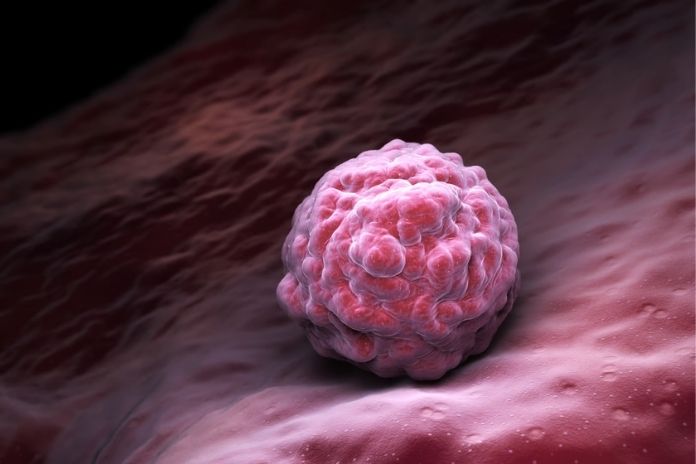
Cancer does not automatically cause symptoms just because it is present. Symptoms appear only when the tumor begins to interfere with normal body processes in specific, measurable ways.
There are five main mechanisms behind cancer symptoms:
Direct Pressure: As a tumor grows, it can press on nearby nerves, organs, or blood vessels. This may cause pain, numbness, or functional problems depending on the location.
Obstruction: Tumors can block ducts, airways, or parts of the digestive system, leading to symptoms such as jaundice, constipation, or breathing difficulty.
Hormone Secretion: Some cancers produce hormones that disrupt normal body signaling.
Immune System Activation: It can lead to fatigue, fever, or inflammation.
Metabolic Disruption: The tumor alters how the body uses energy, sometimes causing weight loss or weakness.
If none of these processes reach a level the body can detect, the person will feel normal. Cancer can develop slowly over many years. During this time, the body may not send clear warning signals. In fact, some cancers are already advanced by the time symptoms appear.
Tumor location is the single most important factor. A tumor growing in a “silent space,” an area without pressure-sensitive nerve endings or with flexible surrounding tissue, can expand without causing noticeable problems. In contrast, a tumor affecting a nerve, bile duct, or a narrow passage often produces symptoms early because even small changes disrupt function.
The Cancers Most Likely to Remain Asymptomatic Until Advanced

Some cancers are especially known for progressing without symptoms. Their anatomy and growth patterns make early detection difficult:
Kidney Cancer (renal cell carcinoma): Kidney cancer is often described as a classic silent cancer. The internal structure of the kidney does not contain pain-sensitive nerves, and the organ has a large functional reserve.
A person can lose a significant portion of kidney function without noticing any change. Today, many kidney cancers are discovered incidentally during CT scans or ultrasounds done for unrelated reasons. Symptoms such as blood in the urine or flank pain usually appear later.
Pancreatic Cancer: The pancreas sits deep in the abdomen, in a location that does not generate early warning signals. Early tumors grow quietly without causing discomfort. Symptoms of pancreatic cancer tend to appear only when the tumor blocks the bile duct, causing jaundice, or when it spreads to nearby nerves, causing back pain.
By this stage, the disease is often advanced.
Lung Cancer: The lung parenchyma, or functional lung tissue, does not have pain receptors. Early lung cancer usually causes no pain. Lung cancer symptoms like persistent cough, coughing up blood, or shortness of breath develop only when the tumor obstructs airways or involves the pleura, the lining around the lungs.
Liver Cancer: Like the kidney, the liver lacks internal pain fibers. Pain occurs only when the outer capsule of the liver is stretched by tumor growth. This means a tumor can grow significantly before any discomfort is noticed.
Ovarian Cancer: Ovarian cancer develops in the abdominal cavity, which allows space for tumors to grow without immediate pressure effects. Early symptoms of ovarian cancer are vague, such as bloating, mild abdominal discomfort, or changes in urination. These are often mistaken for common digestive issues, leading to delayed diagnosis.
Colorectal Cancer: Location within the colon matters. Right-sided colon cancers grow in a wider space and can become large without causing blockage or noticeable symptoms. Left-sided cancers, in contrast, are more likely to cause early symptoms like changes in bowel habits because the space is narrower.
Read More: Just 10 Minutes of Hard Exercise Can Trigger Powerful Anti-Cancer Effects
How the Body Compensates — Why Function Can Be Normal Despite Disease

The body has built-in redundancy, which allows it to maintain normal function even when part of an organ is damaged. For example, a single healthy kidney can perform enough filtration for normal life. The liver can continue to function even when more than half of its tissue is affected.
Bone marrow can adjust to early cancer involvement and still produce enough blood cells to prevent noticeable symptoms. This ability to adapt is part of normal physiology. It is closely related to how the body maintains internal balance, often called homeostasis.
Because of these compensatory mechanisms, some people with advanced cancer remain active and independent. They may continue working, exercising, and carrying out daily routines without difficulty.
In clinical settings, this is described as having a good performance status. However, this does not mean the disease is mild. It means the body is still coping. Importantly, the above has limits. The period during which the body appears normal despite disease is often the same window when treatment is most effective and less aggressive.
Performance Status — How Oncologists Measure “Feeling Fine”
Doctors do not rely only on symptoms to assess a patient. They use standardized tools such as the ECOG Performance Status scale. This scale ranges from 0 to 4. A score of 0 means the person is fully active with no symptoms. A score of 1 means there are mild symptoms, but the person can still carry out normal activities. Higher scores indicate increasing levels of disability.
A notable number of patients diagnosed with advanced cancer fall into the 0 or 1 category at the time of diagnosis. In other words, they feel well and function normally.
Performance status is one of the strongest predictors of how well a patient will tolerate treatment. People who feel well at diagnosis often handle therapies better and may have improved outcomes compared to those who are already debilitated.
Why This Matters — the Danger of Using Symptoms as a Health Barometer
It is common to assume that serious illness always produces early warning signs. In cancer, this assumption can be misleading. Some of the most aggressive cancers are silent in their early and even intermediate stages. The absence of symptoms does not confirm good health. It simply means the tumor has not yet interfered with a system that produces noticeable changes.
This is why relying on how you feel can be risky. Feeling well does not rule out disease. Cancer screening programs are designed around this reality. Their purpose is to detect cancer during the symptom-free phase, when it is easier to treat, and the results are better. Waiting for symptoms often means detecting cancer at a later stage.
Read More: Think You’re Too Young for Cancer? 75% of Patients Thought So Too
Conclusion
Some people can feel completely normal even with advanced cancer because many tumors grow silently and do not affect pain-sensitive areas right away. The body can also keep working normally for a long time, even when a disease is present.
This is why feeling healthy does not always mean cancer is absent. Some cancers cause few or no symptoms until they are advanced, which is why screening and early detection are so important.
References
- West, M. (2022, July 13). Right-sided colon cancer symptoms: Signs and outlook. Medical News Today.
- ECOG-ACRIN Cancer Research Group. (n.d.). ECOG performance status.
- Lustgarten Foundation. (n.d.). What is pancreatic cancer?
- The University of Kansas Cancer Center. (2020, August 20). What is ovarian cancer? Symptoms & treatment.
- Elicker, B. M., & Webb, W. R. (2014). Conventional imaging of lung cancer. In Thoracic key.
In this Article