



















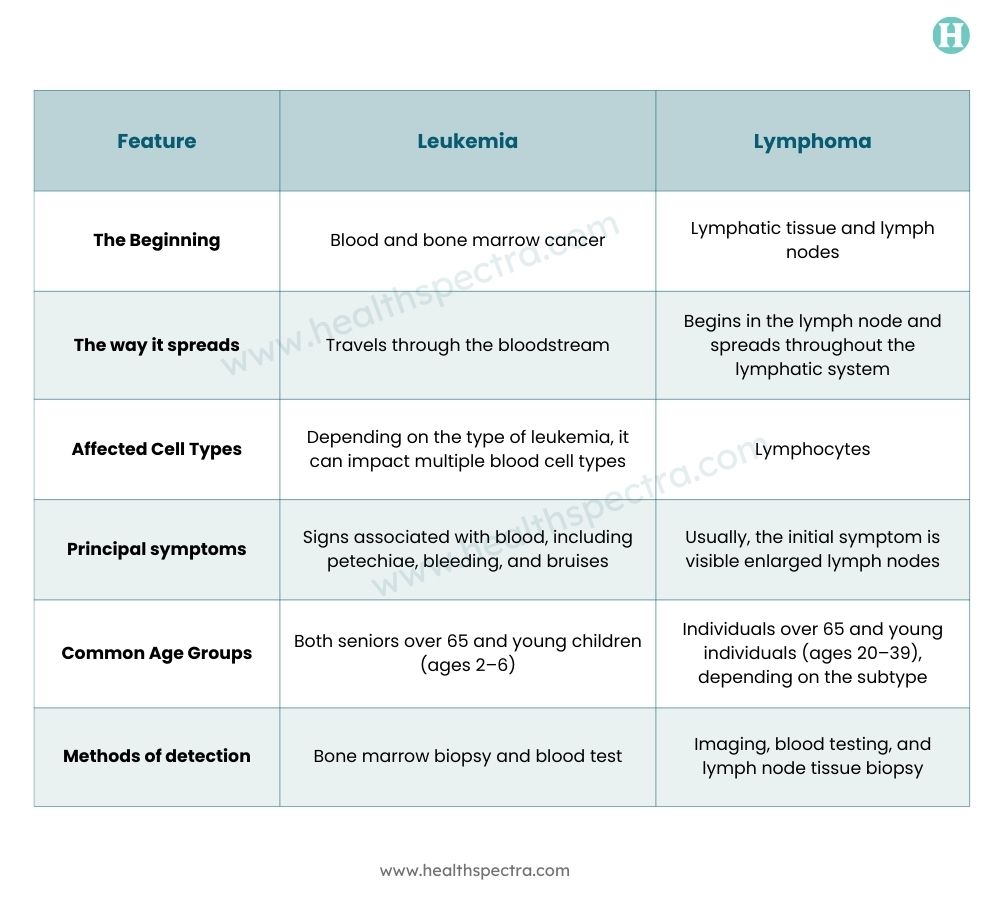
- Origin: Leukemia starts in the bone marrow and blood; lymphoma begins in the lymph nodes.
- Symptoms: Leukemia causes bruising, bleeding, and bone pain; lymphoma causes swollen nodes and itching.
- Treatment: Leukemia uses systemic chemotherapy; lymphoma may include chemo, radiation, and targeted therapy..
The fact that blood malignancies often involve identical cells and share similar symptoms can make them seem puzzling. But knowing where the cancer starts can significantly impact how it behaves, how medical professionals diagnose it, and how it is treated. Leukemia and lymphoma are two of the most prevalent blood cancer types; they are both categorized as hematologic malignancies that impact the immune system, bone marrow, and blood.
People frequently believe that lymphoma and leukemia are almost the same condition when they look for them because they both include white blood cells. In fact, the primary difference between lymphoma and leukemia lies in their origin.
This article will examine the differences between lymphoma and leukemia, compare their symptoms, and discuss current treatment options for leukemia and lymphoma.
Read More: Do Food Preservatives Increase Cancer Risk? What Research Really Shows
Lymphoma vs. Leukemia — The Core Difference Is Where They Begin
Understanding the location of the cancer’s initial development in the body is the first step in comparing lymphoma vs leukemia.
Leukemia: Leukemia typically starts in the bone marrow and travels via the blood. When this happens, the bone marrow produces lymphocytes, altered white blood cells that displace healthy blood cells from the bloodstream.
Although leukemia can take many different forms, it is classified as either acute or chronic. Because acute leukemia cells develop quickly, vigorous treatment may be necessary. Chronic leukemia cells frequently accumulate gradually and do not immediately manifest symptoms. Knowing the type of leukemia helps medical professionals select the best course of action.
There are several main types of leukemia, such as:
- Acute vs chronic leukemia.
- Lymphocytic vs myeloid leukemia.
Lymphoma: The lymphatic system, lymph nodes, or other regions are usually where lymphoma starts. The body fights infection and sickness with the help of lymphocytes, which are found in lymph nodes, which are tiny glands that filter out hazardous particles. Different kinds of lymphocytes exist.
While some aid in destroying tumor cells or regulating the immune response, others produce antibodies. The body overproduces lymphocytes when lymphoma is present.
Hodgkin vs Non-Hodgkin lymphoma are the two primary forms of lymphoma. Different lymphocyte subtypes are involved in each type of lymphoma, which also grows at varying rates and responds differently to treatment.
“Leukemia presents in the blood with elevated or low white blood cell counts and disruption of the normal blood cell development and function, with typically low hemoglobin and platelets,” said Sara Taveras Alam, MD, an oncologist with UTHealth Houston. She adds “Lymphoma often presents as painless enlarged lymph nodes or masses of lymphoid tissue.”
Why Origin Matters in Cancer Biology
The origin of cancer significantly influences how it spreads and responds to treatment.
The majority of malignancies originate in specific body regions, such as the brain, breast, or lung.
The distinction with leukemia is that it is a blood cancer. When leukemia is diagnosed, cancer cells are already present in the blood. It indicates that the illness is intrinsically systemic and often affects multiple organs early.
Before spreading to other areas of the lymphatic system or bone marrow, lymphoma often starts as localized swelling within lymph nodes.
This distinction explains why treatment techniques for leukemia and lymphoma differ so greatly.
For instance:
- Doctors frequently treat leukemia with systemic medication therapy.
- Doctors may use localized therapy to treat lymphoma.
Key Differences in How Each Cancer Behaves
People often compare lymphoma and leukemia by looking at how they start, but how they act in the body is different, too.
Risk factors:
Nobody knows exactly what causes these blood cancers, but some risk factors stand out for each one.
Risk factors for leukemia include:
- Some inherited conditions include blood disorders and Down syndrome.
- HLTV means human T-lymphotropic virus.
- HIV stands for human immunodeficiency virus.
- People can be exposed to benzene and other petrochemicals.
- Doctors sometimes treat certain cancers with alkylating chemotherapy drugs.
- Tobacco use is another risk factor.
Risk factors for lymphoma include:
- Age: certain types of lymphomas are more prevalent in young adults, while others mostly affect adults over 55.
- Being a man marginally raises the risk of lymphoma development.
- Having a compromised immune system as a result of immunodeficiencies or immunosuppressants.
- Prior Helicobacter pylori (H. pylori) or Epstein-Barr virus (EBV) infection.
Symptoms:
Leukemia and lymphoma often look very similar at first. You see the same things popping up: weakness, feeling wiped out, fevers that keep coming back, infections you can’t shake, and weight dropping off for no clear reason.
But dig a little deeper, and each cancer has its own signature. Lymphoma often presents with swollen lymph nodes, night sweats, coughing, trouble catching your breath, and skin that won’t stop itching. Leukemia, on the other hand, usually brings on a pale look, red spots called petechiae, bone pain, and you bruise or bleed pretty easily.
Diagnosis:
Doctors start with a complete blood count (CBC) to screen for leukemia. If things look off, they’ll do a bone marrow biopsy to nail down the exact type. For lymphoma, they usually need a biopsy, either from the bone marrow or a lymph node. After that, additional scans and tests help determine the stage and what comes next.
This tumor-forming pattern distinguishes lymphoma from leukemia and is a key factor in their distinction.
Read More: Is It Cancer or Just a Cold? The 5-Point ‘Feel Test’ for Swollen Neck Lymph Nodes
Distinct Symptom Patterns: What Each Cancer Looks Like in the Body
Patients may seek assessment sooner if they are aware of the differences between lymphoma symptoms and leukemia symptoms.
 Recognizing Overlapping or Atypical Symptoms
Symptoms of Leukemia:
Decreased blood production in leukemia often causes bone pain, a common symptom.
- Exhaustion
- Bleeding
- Fever
- Sweats during the night
- Reduction of weight
Symptoms of Lymphoma:
Immune activation and lymph node enlargement cause common lymphoma symptoms:
- Skin irritation or rash
- Swelling or soreness in the abdomen
- Swollen lymph nodes that are painless
- Elevated fevers
- Sweats during the night
- Reduction of weight
Both can have systemic consequences because they are hematologic malignancies.
How Origin Directly Shapes Treatment Approaches

Leukemia vs lymphoma treatment varies greatly depending on how these malignancies progress.
Leukemia Treatment:
Chemotherapy, which destroys cancer cells as well as healthy cells throughout the body, is frequently the main leukemia treatment option. Chemotherapy is a systemic treatment because it affects the entire body.
Sometimes, a patient needs a bone marrow transplant to replace their damaged marrow with healthy donor cells. The decision really depends on where the leukemia is and how severe it gets. Doctors often use radiation therapy before a transplant to clear out the cancer cells in the bone marrow. They might also use radiation in other cases when a more focused approach is needed.
While chronic leukemias can need a less extensive course of treatment, acute leukemias are more likely to need a fast-acting, aggressive strategy, frequently combining chemotherapy and a bone marrow transplant.
Lymphoma Treatment:
Compared to leukemia, chemotherapy and radiation therapy are more commonly used in lymphoma treatment options, especially if the patient has been diagnosed with Hodgkin lymphoma. They’ll sometimes turn to bone marrow transplants, targeted therapy, or immunotherapy drugs like rituximab to fight the disease, too.
For some types of lymphoma, CAR T-cell therapy steps in. This type of immunotherapy turns the body’s own T cells into cancer-fighting machines. It’s not just for lymphoma, either; doctors sometimes use it to treat acute lymphoblastic leukemia, too.
For slow-growing lymphomas, doctors might watch and wait rather than jump into treatment right away. It is pretty common for pregnant patients, since stronger treatments can be risky for the baby. So, in those cases, they keep a close eye on things and hold off unless they really need to act.
Shared Advanced Therapies
The type and stage of the cancer determine the treatment plan. The most popular therapies for lymphoma and leukemia are:
- Chemotherapy is the use of medication to destroy cancer cells.
- Chemotherapy and radiation therapy employ high-energy radiation to destroy cancer cells and reduce tumor size.
- By replacing the damaged bone marrow with healthy stem cells, stem cell transplants promote the growth of new bone marrow.
- Targeted therapy uses medications designed to target characteristics exclusive to cancer cells or that affect how they behave.
- Immunotherapy helps the patient’s immune system identify and eliminate cancer cells by using a medication selected based on the type and stage of the disease.
Read More: Are Chills a Sign of Cancer? Causes, When to Worry, and Other Symptoms to Watch For
Classification Breakdown: Not All Leukemias or Lymphomas Are the Same
Classification systems are another important factor in distinguishing leukemia from lymphoma.
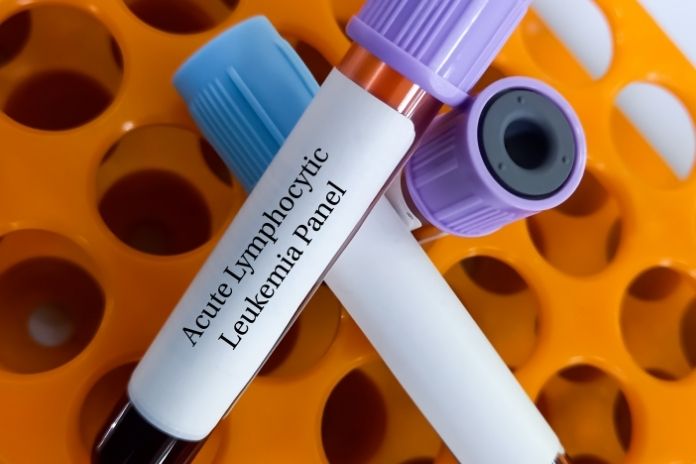
There are four primary forms of leukemia:
- ALL, or acute lymphocytic leukemia.
- AML, or acute myeloid leukemia.
- CLL, or chronic lymphocytic leukemia.
- CML, or chronic myeloid leukemia.
Uncommon forms of leukemia:
- Leukemia prolymphocytic (PLL).
- LGL stands for large granular lymphocyte.
- HCL, or hairy cell leukemia.
- MDS stands for myelodysplastic syndromes.
Types of Lymphoma:
- Non-Hodgkin lymphoma is the most prevalent type of lymphoma.
- Hodgkin’s disease is another name for Hodgkin lymphoma.
When Lymphoma and Leukemia Overlap
The distinction between small lymphocytic lymphoma (SLL) vs chronic lymphocytic leukemia (CLL) is among the most interesting instances of overlap.
Physicians now understand that:
- In essence, SLL and CLL are the same illness.
- Where the cancer cells gather matters.
Age, Risk, and Prognosis Considerations
Age, genetics, and environmental exposure all affect the patterns of blood cancer types.
Leukemia Risk at Various Ages:
In kids aged 0 to 14, acute lymphoblastic leukemia shows up the most—about three out of four cases. Acute myeloid leukemia comes next, but it’s less common. Juvenile myelomonocytic leukemia and chronic myeloid leukemia are pretty rare in this group.
For teenagers, those between 15 and 19, acute myeloid leukemia takes the lead, while acute lymphoblastic leukemia is the next most common.
Adults between 20 and 49 mostly deal with acute myeloid leukemia, too. This group also sees cases of acute promyelocytic leukemia and hairy cell leukemia.
Elderly people (50 years of age and older) are more likely to have chronic lymphocytic leukemia and chronic myeloid leukemia.
Lymphoma Risk at Various Ages:
Teens and young adults between 15 and 40 do really well with Hodgkin lymphoma these days. Thanks to better chemotherapy and radiation, more than 90% are still alive five years after diagnosis.
Things get tougher for older adults, those 55 and up. Here, the five-year survival rate for Hodgkin lymphoma drops to about 65%. For non-Hodgkin lymphoma, the numbers are a bit different. The overall five-year survival rate sits around 74%, but that depends a lot on the cancer’s stage, the specific type, and the person’s overall health.
Read More: Why Good Dental Care Before Cancer Treatment Helps Prevent Mouth Sores
Questions to Ask Your Care Team
How was my cancer classified—lymphoid or myeloid?
It is easier to understand how cancer arises, advances, and reacts to various treatment modalities suggested by your healthcare team if you are aware of whether the cancer contains lymphoid or myeloid cells.
What organs or systems are involved?
Find out which areas of your body are impacted right now. The stage and overall scope of the disease can be better understood when it involves the blood, bone marrow, lymph nodes, or other organs.
Which therapies target my type most effectively?
Ask your doctor which therapies make sense for your diagnosis. They’ll walk you through how each treatment works, why it helps, and what you can expect if you go that route.
What side effects or long-term effects should I expect?
Don’t be shy about asking what you might feel right away and what might show up later. If you understand the possible side effects, it’s much easier to manage your symptoms, get the support you need, and prepare for recovery both during and after treatment.
Read More: Soft Food Diet for Cancer Patients With Mouth Pain: What to Eat & What to Avoid
Conclusion
To see what sets lymphoma apart from leukemia, look at where they start. Lymphoma can affect the lymphatic system, leading to swollen lymph nodes or organ growths. Leukemia starts in the bone marrow and then spreads into the blood. That difference isn’t just a detail; it affects everything, from the symptoms you notice to the way doctors figure out what’s going on and how they treat it.
When people understand the differences between leukemia and lymphoma, it becomes much easier to spot symptom patterns, track how the disease changes over time, and determine which treatments make sense.
Knowing about the different types of blood cancer and how doctors categorize them helps patients and their families make smarter choices and talk to healthcare teams with much more confidence.
References
- Cancer Treatment Centers of America. (2022, September 7). Leukemia vs. lymphoma: Understanding the differences.
- Moffitt Cancer Center. Leukemia vs. lymphoma.
- UCSF Benioff Children’s Hospitals. Leukemia vs. lymphoma.
- Bell, A. (2023, September 13). Leukemia vs. lymphoma: What is the difference?
- Cancer Treatment Centers of America. (2022, September 12). Types of leukemia.
- Lymphoma Action. Types of lymphoma.
- Memorial Sloan Kettering Cancer Center. Types of lymphoma.
- Lindsay Modglin. (March 10, 2023). Leukemia Age Ranges: Risk and Survival Rates.
In this Article