















Maintaining a healthy average level, such as HbA1c, is not the primary aspect of blood sugar management. In daily living, the amount that your blood sugar fluctuates during the day is just as important, if not more so.
These variations, sometimes referred to as blood sugar fluctuations or glucose variability, have a very significant impact on mood, energy level, cravings, and long-term metabolic health. Frequent blood sugar spikes and dips can still affect your mood and how your body uses insulin, even if average readings appear normal.
Improved insulin sensitivity, better glycemic control, and more consistent daily energy all depend on an understanding of and ability to manage glucose fluctuation.
This article will discuss what glucose variability is, why it matters, what causes blood sugar fluctuations, how to spot unstable patterns, and useful strategies for reducing blood sugar spikes through food, exercise, and monitoring devices.
- Blood sugar swings affect energy, mood, and cravings more than average readings alone.
- High-carb, low-fiber diets, stress, and poor sleep are major causes of glucose spikes.
- Balanced meals, movement, and tracking help maintain stable blood sugar levels.
Read More: Needle-Free Blood Sugar Monitoring: How Continuous Glucose Monitors Work & Which One Fits You
What Is Glucose Variability?
An increase in blood glucose levels is known as glucose or glycemic variability. They either drop below normal (hypoglycemia) or rise abnormally (hyperglycemia). The blood’s glucose levels fluctuate throughout the day. Both the postprandial rise and hypoglycemia occur at the same time.
A person with glucose variability may have simultaneous changes in blood glucose levels on various days. Your body’s blood sugar levels will fluctuate under normal conditions. Your eating habits, sleeping patterns, and emotional state influence your blood glucose level. When your body is processing glucose, this is a typical scenario.
The degree of glucose variability is a cause for concern, even if blood sugar variations are normal. You do not want to be in a position where your blood sugar levels are sharply and widely fluctuating between extremely high and extremely low.
These abrupt increases in blood glucose levels affect your health. You should strive for an environment with little fluctuation. Understand postprandial blood sugar as well.
Why Glucose Variability Matters for Health
Short-Term Effects:
Frequent blood sugar fluctuations can cause:
- Crashes of energy
- Mood swings or irritability
- Poor focus and brain fog
- Increased desires and hunger
Long-Term Risks:
Glucose variability and diabetes management challenges may contribute to:
- Damage to blood vessels
- A higher chance of problems
- Increased oxidative stress within the body
What Causes Blood Sugar Fluctuations?
The body uses glucose, often known as blood sugar, as its main energy source. It originates from the foods we consume, especially those high in carbs. The hormone insulin, which aids in the transport of glucose into cells for energy or storage, helps regulate blood sugar levels. However, several things can result in abrupt changes in blood sugar, such as:
High Glycemic Index (GI) Foods: Foods heavy in sugars and refined carbs raise blood glucose levels quickly, causing a fast peak followed by an abrupt decline.
Skipping Meals: Prolonged fasting can lower blood sugar levels, leading to energy dips and cravings for quick-energy meals.
Overindulgence in Sugar: Sugar-filled drinks, snacks, and processed food cause a very sharp rise in blood sugar levels, followed by a crash when insulin removes the excess sugar.
Lack of Fiber and Protein: Meals low in fiber, protein, and healthy fats may accelerate the absorption and digestion of carbs, leading to unstable blood sugar levels.
High Stress Levels: Stress triggers the release of cortisol, which, over time, can raise blood sugar levels and worsen insulin resistance.
Poor Sleep: Inadequate sleep may impair insulin sensitivity and your blood sugar regulation, making it difficult to maintain stable glucose levels.
Absence of Exercise: A sedentary lifestyle may cause muscles to absorb less glucose, leading to poor blood sugar regulation.
Overconsumption of Caffeine: Although caffeine might give you a brief energy boost, too much of it can raise cortisol levels and cause glucose abnormalities.
Read More: Best Continuous Glucose Monitor (CGM): What to Look For and Top Picks
How to Recognize High Glucose Variability
We anticipate some variation in our blood glucose levels over the day and across days. Various factors, including food, exercise, mood, stress, and sleep, can cause slight rises and decreases. These variations are known as glucose (or glycemic) variability, and they are a typical aspect of how our bodies handle glucose.
Your glucose line will appear to have deep ravines and sharp peaks if it is highly variable. Our bodies shouldn’t be in that condition, and it can lead to serious health issues. Rather, we should strive for low variability, such as low-rolling hills and flatter valleys.
Typical Signs:
- Experiencing “highs and lows” all day
- Frequent appetite shortly after eating
- Irritation or sudden exhaustion
- Inconsistent levels of energy
Monitoring Tools
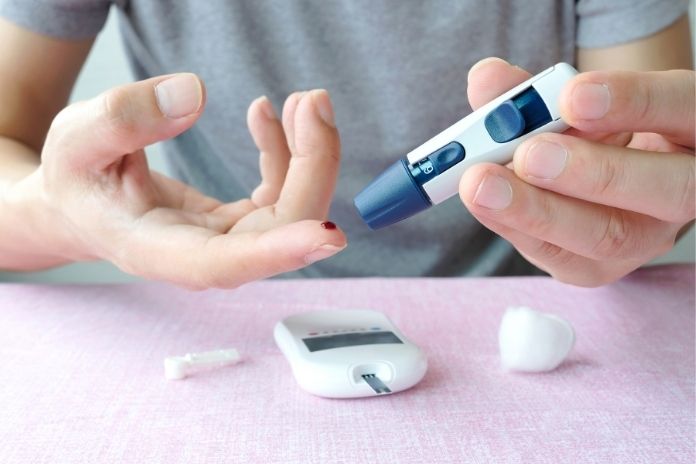
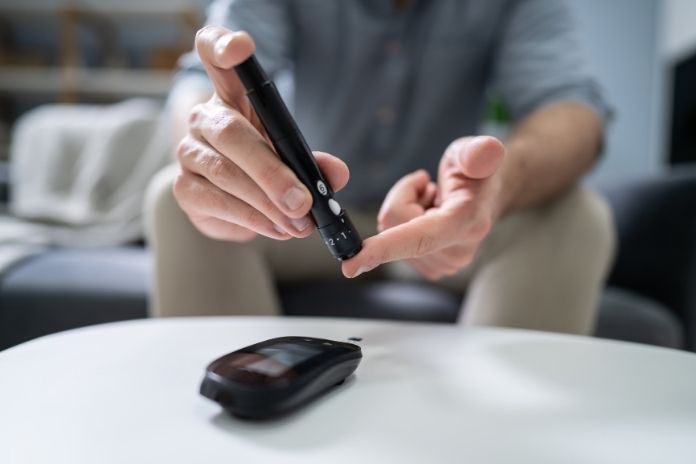
Glucometers: A glucometer is a gadget that uses a single drop of blood to measure blood glucose levels. You must prick your finger to collect a drop of blood on a test strip. You must physically prick your finger and insert the test strip into the machine for the device to measure your blood glucose level.
CGM Devices: A CGM uses a skin sensor to monitor glucose levels in the body’s tissues. It is capable of taking readings constantly, 24/7. CGMs have improved in accuracy since their first approval in 2000.
Practical Strategies to Reduce Glucose Variability
For those with diabetes, blood sugar control is particularly crucial because the disease can cause limb and life-threatening complications. Here are a few simple, scientifically supported methods for naturally lowering blood sugar.
Exercise and Movement: You can improve insulin sensitivity and manage your weight with regular physical activity. Your cells can use glucose in your bloodstream more efficiently if you have increased insulin sensitivity.
Control the Amount of Carbohydrates: The amount of carbohydrates you consume significantly influences your blood sugar levels. Your body converts carbohydrates into sugars, primarily glucose. Your body then uses and stores it for energy with the aid of insulin.
Blood glucose levels may increase if you consume too many carbohydrates or have issues with insulin function. Because of this, the American Diabetes Association advises individuals with diabetes to control their carbohydrate intake by keeping track of how many carbohydrates they need for everyday activities.
Consume More Fiber: Fiber helps promote a more gradual rise in blood sugar levels by slowing the digestion and absorption of carbohydrates.
Use Portion Control: You can manage your calorie intake and also maintain a healthy weight by controlling how much you eat. As a result, controlling weight has been shown to lower risk of type 2 diabetes and help maintain normal blood sugar levels.
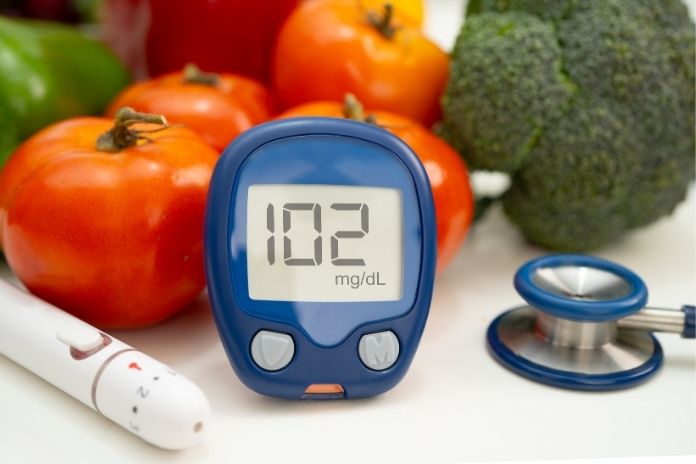
Track Blood Sugar Levels: You can better control your blood sugar levels by keeping an eye on them. A glucometer, a portable blood glucose meter, can be used for this at home. You can talk to a doctor about this option.
Consume Meals High in Magnesium and Chromium: Micronutrient deficits, such as those in chromium and magnesium, have been associated with high blood sugar and diabetes.
The Role of Continuous Glucose Monitoring (CGM)
A continuous glucose monitor (CGM) provides real-time glucose level data. Advantages consist of:
- Recognizing trends in highs and lows
- Tracking time in range (TIR)
- Recognizing the effects of diet and lifestyle
Read More: Signs You Passed Your 3-Hour Glucose Test (and What the Results Mean)
Common Mistakes That Increase Blood Sugar Swings

Common mistakes causing blood sugar swings include:
Missing Breakfast: If you skip breakfast, your blood sugar levels will rise after lunch and in the evening.
Sleep Deprivation: Your body may use insulin less effectively after just one night of insufficient sleep.
Artificial Sweeteners: Some studies suggest they may raise blood sugar levels, but further research is needed.
Dehydration: Your blood sugar is more concentrated when your body has less water.
Nose Spray: Some nose sprays contain ingredients that cause your liver to produce blood sugar.
Gum Disease: It raises blood sugar levels and is a consequence of diabetes.
Dawn Phenomenon: People with or without diabetes experience an early-morning hormone surge. Blood sugar can increase in diabetics.
Can People Without Diabetes Have Glucose Variability?
Indeed. After eating, blood glucose levels fluctuate normally even in those without diabetes. But excessive crashes and spikes could be a sign of:
- Insulin resistance
- Early imbalance in metabolism
- Poor eating habits
When to Seek Medical Advice

Speak with a medical expert if you encounter:
- Regular, unexplained high or low
- Blood sugar instability despite your lifestyle modifications
- Signs of hyperglycemia or hypoglycemia
- Medication needs to be adjusted
Read More: The Science of Insulin Sensitivity and Glucose Absorption
Conclusion
For more stable and reliable blood sugar control, controlling glucose variability is crucial. The daily highs and lows that affect your energy, emotions, and long-term health are not captured by average values like HbA1c, even though they offer valuable insights. Reducing these swings will improve metabolic outcomes and make you feel more balanced throughout the day.
Making small lifestyle adjustments, like eating a balanced diet, exercising, managing stress, and keeping an eye on daily habits, can have a significant impact. The objective is to move toward fewer dramatic swings rather than perfection.
References
- Monnier, L., & Colette, C. (2013, May). Glucose variability: where it is important and how to measure it.
- DeVries, J. H. (2013). Glucose variability: Where it is important and how to measure it.
- PACE Hospitals. Fluctuating Blood Sugar in Diabetes: Why It Happens & How to Keep It Stable.
- Kavesteen, D. Blood sugar spikes and crashes: How to keep glucose stable.
- Centers for Disease Control and Prevention. (2024, May 15). 10 surprising things that can spike your blood sugar.
- Jewels Doskicz, RN, BA. (July 9, 2025). How to Check Blood Sugar at Home: Tips on Choosing a Device, Reading Results.
- U.S. Food and Drug Administration. (14 November, 2024). Blood glucose monitoring devices.
In this Article