














A lot of people are raised with the belief that severe menstrual cramps are just a normal aspect of life. However, when discomfort becomes severe, persistent, or interferes with daily activities, it may signal something more serious, such as endometriosis symptoms. This condition can affect your menstrual cycle, overall well-being, fertility, and long-term health.
This article will examine the signs of endometriosis, methods for distinguishing between painful periods vs endometriosis, as well as the diverse array of symptoms, some typical and others surprising. We will also cover the endometriosis pain locations, symptoms related to digestion and urination, issues regarding fertility, and the appropriate time to consult a healthcare professional.
- Severe, worsening period pain that disrupts daily life may indicate endometriosis—not normal cramps.
- Symptoms extend beyond periods, including pelvic pain, fatigue, digestive issues, and painful intercourse.
- Early diagnosis is key; persistent pain, heavy bleeding, or fertility issues should prompt medical consultation.
Read More: Is It Just a Period? A Clinical Checklist for Secondary Dysmenorrhea and Endometriosis
What Is Endometriosis and Why Does It Cause Pain
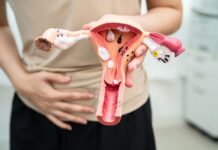
Endometriosis is a condition that may cause pain, characterized by the growth of tissue similar to that of the uterine lining outside the uterus. It frequently affects the ovaries, fallopian tubes, and the tissue lining the pelvis. Doctors occasionally discover endometriosis growths outside the pelvic region.
Endometriosis tissue behaves like the uterine lining, thickening, breaking down, and bleeding with each menstrual cycle. However, it develops in areas where it is not supposed to and remains in the body rather than exiting.
Endometriosis can lead to the formation of cysts known as endometriomas when it affects the ovaries. Tissue in the vicinity may develop irritation and scar tissue. Fibrous tissue bands known as adhesions may also develop. These can lead to the adhesion of pelvic tissues and organs.
Endometriosis may lead to pain, particularly during menstruation. There may also be the development of fertility issues. However, treatments can help you manage the condition and its complications.
“The degree of pain can be far worse than what any woman should expect with her monthly period, especially since it is a progressive disease, meaning that scar tissue accumulates and the pain worsens over time,” says Hugh Taylor, MD, chair of Yale Medicine Obstetrics, Gynecology & Reproductive Sciences.
Painful Periods That Disrupt Daily Life
Painful periods serve as the second main indicator of endometriosis, characterized by unusually severe cramping during menstruation. They can cause extreme discomfort, often compelling patients to refrain from engaging in their daily routines.
Cramps caused by endometriosis can result in pain of such severity and intensity that they have the capacity to transform a person’s everyday life. The individual may need to refrain from work, school, or other activities for extended periods, potentially even days. Playing with kids or driving to their appointments may not be possible.
Painful menstrual pain is more than just an annoyance an individual has to cope with, like regular cramps.
Pelvic Pain Outside of Your Period
The pain associated with endometriosis extends beyond menstruation; numerous individuals suffer from ongoing pelvic inflammatory pain throughout the month. Women may experience chronic and severe pelvic discomfort outside of their menstrual periods in certain situations, which is often associated with advanced or refractory disease.
This persistent pain may arise from inflammation, deep lesions, or the development of scar tissue or adhesions that continue to irritate nearby organs and tissues. It can culminate in chronic pelvic pain that has a profound impact on daily activities and general well-being.
Read More: Did Your Grandma Just Have ‘Bad Periods’? How to Recognize Hidden Endometriosis in Your Family Tree
Pain During or After Intercourse

The main symptom of endometriosis is the pain during sex (dyspareunia). Patients who have endometriosis frequently experience physical pain during sexual activity, making this a particularly intimate matter for them to discuss with their gynecologist.
Endometriosis causes deep pain during sex, stemming from inflammation and fibrosis that fuse the rectal front wall to the vaginal back wall. During sexual intercourse, the upper posterior vagina behind the cervix typically becomes mobile and expands; however, this does not happen in cases of endometriosis.
The intensity of pain can vary across different sexual positions, based on the precise location and severity of the endometriosis. When widespread, pain may occur regardless of position.
Heavy or Irregular Menstrual Bleeding
Strong menstrual bleeding in endometriosis surpasses the usual cycle volume and length. Menorrhagia is defined as soaking through the sanitary protection more than every 2 hours, lasting more than 7 days, and even causing exhaustion and anemia.
Localized inflammation from endometrial implants disrupts the uterine function, worsening of excessive bleeding in endometriosis. Multiple mechanisms induce the endometriosis-related heavy menstruation.
The ectopic endometrial tissue proliferates, sheds, and bleeds like the uterine lining. Tissue adds blood to the pelvis. Lesions cause inflammation that impairs uterine contractions and blood evacuation.
Abnormal angiogenesis (the formation of new blood vessels) in certain lesions increases bleeding. Increased tissue turnover, inflammatory mediators, and vascular alterations cause heavy, erratic menstruation.
Digestive Symptoms That Overlap With Other Conditions
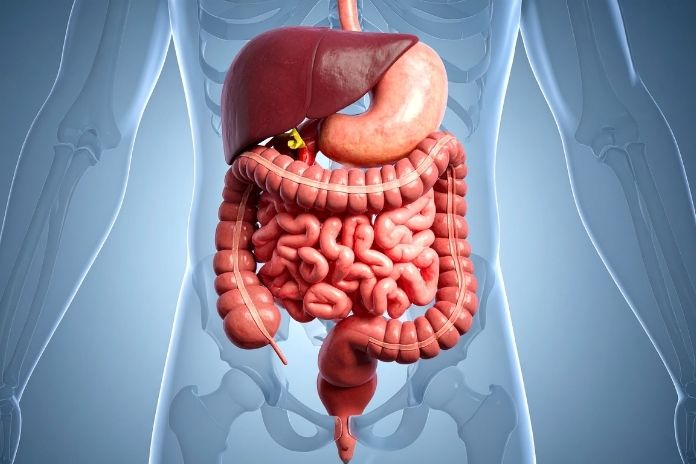
Endometriosis might be usually mistaken for gastrointestinal diseases because it can similarly impact the digestive system. Common endometriosis bloating symptoms include severe bloating, constipation or diarrhea during periods, nausea, and pain during bowel movements.
When endometrial tissue damages the intestines or neighboring tissues, these gastrointestinal symptoms arise. Before identifying the true cause, many people receive an incorrect diagnosis of IBS.
Read More: Endometriosis vs. PCOS: What’s the Difference?
Urinary Symptoms Linked to Endometriosis
Inflammation surrounding the muscle is one way that endometriosis affects the bladder. In extreme circumstances, individuals may experience blood in their urine, particularly during their menstrual cycle. It can result in frequent urination, bladder spasms, and painful urination.
The symptoms of ICs and UTIs are similar to those of bladder endometriosis. Patients should get evaluated if they have these symptoms. Doctors should consider endometriosis if test results for IC and/or UTI are negative.
Fatigue That Goes Beyond Typical Period Tiredness
Fatigue is one of the most overlooked endometriosis symptoms. It is chronic weariness that interferes with day-to-day activities, not merely fatigue. Chronic inflammation, pain-related insomnia, and hormone abnormalities are potential reasons. People frequently struggle to sustain their energy levels, which affects relationships, employment, and mental health.
Fertility Challenges as a Possible Sign
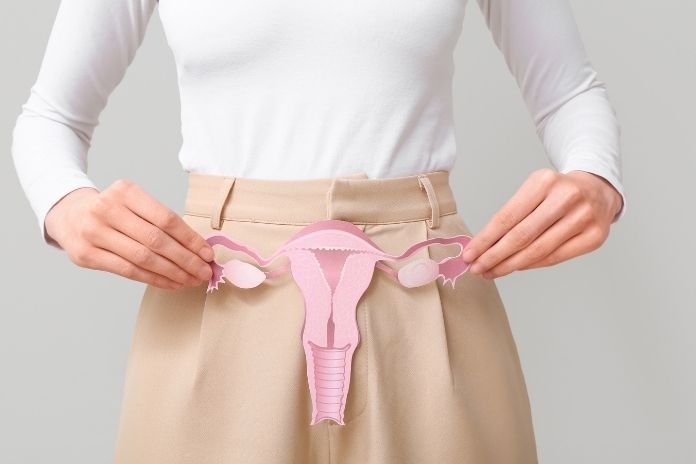
Endometriosis is strongly associated with fertility issues. In fact, infertility and endometriosis symptoms often go hand in hand. The inability to conceive within a year of regular sexual activity without the use of contraception is known as infertility.
About 25% to 50% of women living with infertility have endometriosis, which can lead to infertility by causing scar tissue as well as damage and inflammation to the fallopian tubes. Additionally, studies indicate that endometriosis may reduce the quantity and quality of eggs in the body.
Where Endometriosis Pain May Be Felt
Knowing where endometriosis pain occurs can help diagnose the condition. The uterus isn’t the only place where pain occurs. Typical locations consist of:
- Pelvis and lower abdomen
- Lower back
- Thighs and hips
- The rectal region is involved when having a bowel movement
Read More: Diet for Endometriosis: Foods That Help and Foods to Avoid
When Painful Periods Are More Likely to Be Endometriosis
While not every painful menstruation is a sign of endometriosis, some patterns are concerning:
- Symptoms that appear early in adolescence
- Endometriosis runs in the family
- Pain gets worse with time
- Several symptoms are present at once
Conditions That Can Mimic Endometriosis
Endometriosis has symptoms in common with several acute and chronic illnesses, many of which can potentially affect the reproductive health of women:
Urinary Tract Infection: An illness affecting the kidneys, bladder, or urethra is called a urinary tract infection (UTI). They occur when germs enter the urethra from the skin or the rectum, leading to urinary tract infections. Pain or burning when peeing is the most typical sign of a urinary tract infection (UTI), which is also a symptom of endometriosis.
Pelvic Inflammatory Disease (PID): an infection of the reproductive organs of women. PID can result from several factors, such as having intercourse with multiple partners and failing to treat an STD. There are actually many symptoms that PID and endometriosis have in common.
Lower abdominal pain, pain during sex and urination, and bleeding between periods can all be symptoms of either illness.
Uterine Fibroids: Fibroids are growths on the uterine walls that are not malignant. One of the reasons uterine fibroids and endometriosis can have many symptoms in common is that uterine fibroids can grow both inside and outside the uterus.
Polycystic Ovary Syndrome: PCOS is a condition where the ovaries overproduce androgens, which are male sex hormones, due to a hormonal imbalance. Ovaries may form cysts, which are tiny pockets of tissue filled with fluid or air, as a result of this inhibition of ovulation.
Although endometriosis and PCOS have different physical symptoms, both disorders are associated with infertility.
When to Talk to a Healthcare Professional

If you are a woman in your 30s or 40s and you have any of the following symptoms, it might be time to see your OB/GYN or primary care physician:
- The most prevalent symptom is pain, which may include chronic lower back and pelvic discomfort, unpleasant menstrual cramps that worsen over time, pain during or after intercourse, intestinal pain, difficult bowel motions, or pain when urinating during your period
- Spotting or bleeding between periods
- Infertility or trouble conceiving
- Digestive or stomach problems, such as nausea, bloating, constipation, or diarrhea, especially when you’re menstruating
Read More: What Endometriosis Pain Feels Like (And Why It’s Often Misdiagnosed)
Conclusion
Protecting your long-term health and your quality of life requires early detection of endometriosis symptoms. Never disregard persistent, severe, or unusual pain, even if minor discomfort during periods is common.
Symptoms, including exhaustion, excessive bleeding, digestive problems, and persistent pelvic pain, may indicate a condition like endometriosis. You can make the best decisions regarding diagnosis and treatment if you are aware of the distinction between painful periods vs endometriosis.
You can investigate effective treatment options and improve day-to-day functioning by monitoring your symptoms and promptly seeking medical guidance.
References
- Mayo Clinic. (August 30, 2024). Endometriosis.
- CARRIE MACMILLAN. (August 17, 2023). Endometriosis Is More Than Just ‘Painful Periods’.
- Endometriosis Foundation of America. Painful periods.
- Johns Hopkins Medicine. Period pain: Could it be endometriosis?
- Endometriosis Foundation of America. Painful sex (dyspareunia).
- Mayo Clinic. (August 28, 2023). Endometriosis and sex: What you need to know for a healthy sex life.
- Endo Excellence Center. Coping with heavy bleeding during endometriosis episodes.
- Pelvic Rehabilitation Medicine. (2024, November 13). How endometriosis affects the bladder.
- Endometriosis UK. (2025, January). Endometriosis and the bladder.
- UCLA Health. Endometriosis.
- Beebe Healthcare. When to talk to your doctor about endometriosis.
In this Article