


















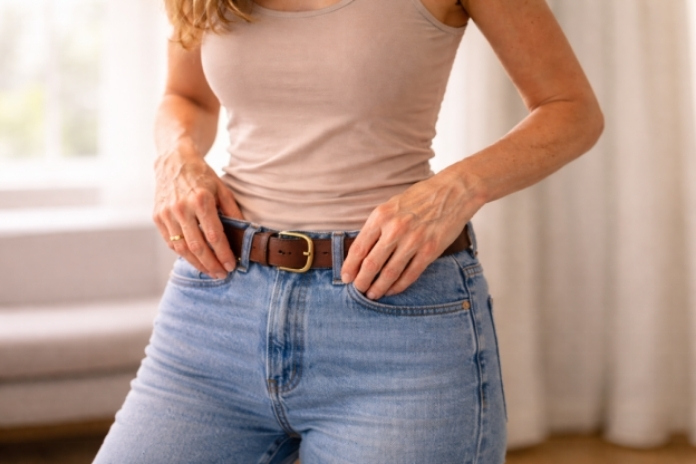
Picture this: you’ve been on a GLP-1 medication for four months, you’ve lost 30 pounds, and your clothes are fitting in ways they haven’t in years. Then you notice your hands. The veins are more prominent. The skin looks looser, almost crinkled. A friend mentions your hands look “older.”
You weren’t expecting that. GLP-1 hand aging has become one of the more quietly discussed side effects of medications like semaglutide and tirzepatide, not because the drugs damage your hands directly but because of how fast they work.
This article explains what’s happening beneath the skin with GLP-1 hand-aging, including why some people feel that Ozempic ages hands more visibly than traditional weight loss. It covers the physiology behind hand volume loss, the roles of subcutaneous fat, skin elasticity, and muscle, and how GLP-1 vs dieting loose skin hands may differ. Not everyone will notice these changes, but understanding the mechanism helps you manage them effectively.
- GLP-1 medications accelerate fat loss, which can reduce the subcutaneous volume in hands faster than gradual dieting allows.
- Rapid weight loss leaves skin with less time to adapt, making veins, tendons, and crepey texture more visible.
- Lean muscle loss, reduced protein intake, and age-related collagen decline can intensify visible hand changes.
- Resistance training, adequate protein, and sun protection are evidence-backed strategies to minimize these effects.
Read More: GLP-1 Side Effects Guide: Warning Signs vs Normal Symptoms
What People Mean by “Aging Hands” After Weight Loss
When people describe their hands looking older after weight loss, they’re usually referring to a cluster of changes that happen together. Veins and tendons become more visible as the soft tissue that cushions them diminishes.
The skin may look thinner or take on a crepey, papery quality. Fullness in the back of the hand, that gentle padding that gives younger hands their smooth appearance, decreases noticeably. Hands tend to reveal these changes earlier than other parts of the body for a straightforward reason: they carry very little fat to begin with.
Unlike the abdomen or thighs, the dorsal hand has a thin, relatively unforgiving layer of subcutaneous tissue. When overall body fat drops, this already-sparse layer depletes quickly, and there’s less biological buffer to mask the structural changes underneath.
Age also plays into perception here. Older adults have less collagen and reduced skin elasticity baseline, so the same degree of fat loss will show more dramatically on a 55-year-old than on a 30-year-old. But this isn’t exclusively an older person’s concern. Rapid fat loss at any age can produce visible thinning in the hands.
How Traditional Dieting Affects Hand Appearance
Conventional calorie-restricted dieting, whether through a structured eating plan, intermittent fasting, or basic portion control, typically produces slower rates of weight loss. Most clinical guidance targets 0.5 to 1 pound per week as a sustainable pace, and many people lose at even more gradual rates depending on their starting weight and adherence.
This slower trajectory has a meaningful physiological advantage: it gives skin more time to adapt. Collagen remodeling is not an instant process. The skin’s structural proteins respond to changes in the underlying tissue over weeks and months, and gradual fat reduction allows partial “recoil” as the tissue adjusts incrementally.
Traditional dieting is also more likely to preserve lean muscle mass when paired with adequate protein and resistance training, because the moderate calorie deficit doesn’t suppress appetite as aggressively.
People can more consistently hit their protein targets when hunger isn’t suppressed to near-zero. Lean mass contributes to the overall structural support of overlying tissue, including in the hands and forearms, so its preservation matters beyond aesthetics.
That said, traditional dieting is not immune to producing hand changes. Anyone who loses a significant amount of weight will experience some degree of skin and volume change in their hands. The difference is primarily one of pace.
Why GLP-1 Weight Loss Can Change Hands Faster
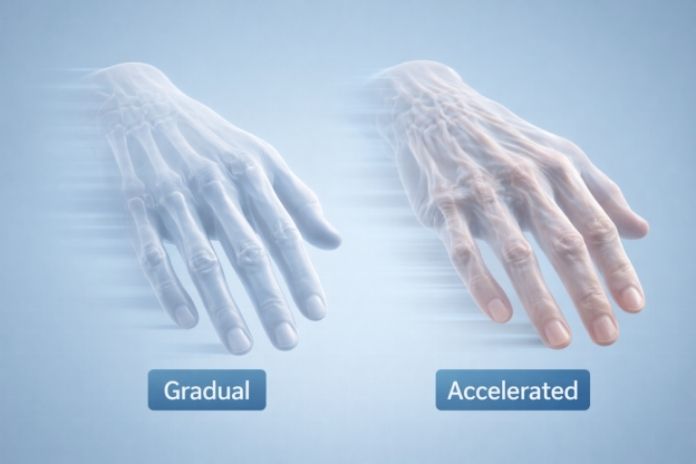
GLP-1 receptor agonists like semaglutide (Ozempic, Wegovy) and tirzepatide (Mounjaro, Zepbound) work by mimicking gut hormones that regulate appetite and gastric emptying. The appetite suppression they produce is substantial, often described by patients as a near-complete silencing of food noise.
This leads to significant calorie deficits, sometimes far beyond what someone would sustain through willpower-based dieting alone. The result is faster overall fat loss. Clinical trials of semaglutide have shown average weight reductions of 15 to 17 percent of body weight over 68 weeks, a rate that outpaces what most people achieve through conventional dieting.
That accelerated pace is precisely what makes GLP-1 weight loss visible in the hands sooner. Moreover, faster fat loss means less time for skin adaptation. It also means the subcutaneous tissue in the hands depletes more quickly than the slow-drip timeline of traditional dieting allows.
Sagging skin on the hands after GLP-1 treatment is not caused by a toxic effect of the medication. It’s a geometric consequence of losing volume faster than skin can retract. There’s also a lean mass dimension. Because GLP-1 medications suppress appetite so effectively, some patients inadvertently reduce their protein intake along with everything else.
Without deliberate attention to protein consumption and resistance training, a portion of the weight lost may come from muscle rather than fat, which can accelerate the appearance of hand volume loss.
Read More: GLP-1 Weight Loss in 2026: Injectables vs Pills – What Really Works Long Term
The Role of Subcutaneous Fat in Hand Volume
Subcutaneous fat is not simply stored energy. It plays an active structural role, providing cushioning, supporting the overlying skin, and filling the spaces between tendons and superficial vessels. In the hand specifically, this fat layer is thin to begin with, distributed in the dorsal subcutaneous plane and the digital fat pads of the fingers.
When overall body fat decreases, this structural fat diminishes alongside it. The hands have no special exemption. As the dorsal fat layer thins, tendons become more prominent, veins rise closer to the surface, and the skin loses its smooth appearance. This is the core mechanism behind what’s colloquially called “Ozempic hand.”
It’s worth noting that hands differ from the face and abdomen significantly. The face has compartmentalized fat pads that can sometimes be partially preserved, and the abdomen has far greater fat reserves to begin with.
The hand’s thin baseline means the relative impact of fat loss is proportionally larger and more visible. Rapid weight loss and wrinkles are essentially the skin’s response to having less structural material underneath to rest against.
Speed of Weight Loss and Skin Elasticity
Skin elasticity depends on two primary proteins: collagen, which provides tensile strength, and elastin, which allows the skin to spring back after being stretched or compressed. Both degrade naturally with age, and both require time to remodel in response to changes in underlying tissue volume.
A review published in Clinical, Cosmetic and Investigational Dermatology confirmed that rapid weight loss is associated with greater skin laxity than gradual reduction, precisely because the remodeling process cannot keep pace with the rate of volume change. Collagen synthesis and degradation occur on timelines of weeks to months, not days.
For someone losing weight on a GLP-1 medication, this mismatch is more likely to be significant. The skin simply doesn’t have the biological runway to tighten incrementally as fat disappears.
Age compounds this: a 50-year-old on semaglutide will have less elastin reserve than a 30-year-old, making the disparity between fat loss speed and skin adaptation even more pronounced.
Individual variation is real, though. Genetics, baseline skin quality, hydration, and sun exposure history all influence how visibly rapid weight loss affects the hands. Two people losing identical amounts of weight at identical rates can have noticeably different outcomes.
Muscle vs Fat Loss: Why It Matters
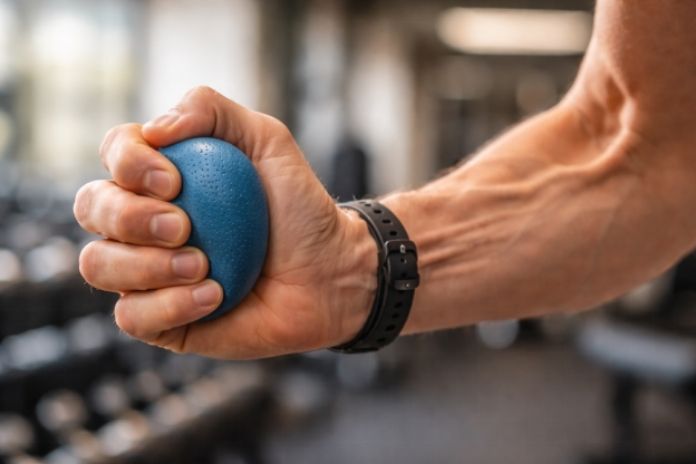
Not all weight loss is equal. When someone loses weight rapidly, the proportion coming from lean mass versus fat mass depends heavily on protein intake, physical activity, and the nature of the calorie deficit. GLP-1 medications create aggressive deficits by suppressing appetite, but they don’t selectively target fat.
Without deliberate countermeasures, lean mass loss is a real possibility. A 2023 analysis in Diabetes, Obesity and Metabolism noted that muscle mass preservation during GLP-1 therapy requires concurrent resistance training and adequate protein intake. Without those inputs, lean mass loss may account for a meaningful share of overall weight reduction.
This matters for hand appearance because muscle and connective tissue contribute to the overall structural volume of the forearm and hand. When lean mass decreases alongside fat, the visual impact compounds. The hand loses support from below and volume from above simultaneously.
Zoe Griffiths, RD, a registered dietitian, notes that protein intake during GLP-1 therapy needs to be intentional. Because these medications suppress appetite, patients may unintentionally under-eat protein, increasing the risk of muscle loss and poor nutritional intake.
She emphasizes that working with a qualified dietitian to calculate and consistently track protein targets is essential for maintaining lean mass and overall metabolic health during treatment.
Read More: GLP-1 Medications and Muscle Loss: How to Preserve Lean Mass While Losing Weight
Other Factors That May Contribute to Faster Hand Aging
Several variables interact with weight loss speed to determine how visible hand changes become. Age is the most significant: baseline collagen and elastin levels decline progressively after the mid-20s, and the skin’s repair capacity slows with each decade.
Sun exposure history is often underestimated. Chronic UV exposure degrades collagen and elastin over time, and the hands are among the most consistently sun-exposed parts of the body. Someone with significant cumulative sun damage may notice more dramatic thinning during weight loss than someone with comparable fat loss but a better skin baseline.
Hydration and nutrition also influence skin appearance during weight loss. Dehydration can make skin look thinner and more crepey, independent of actual tissue changes. Nutritional deficiencies, particularly in vitamins C and E, zinc, and omega-3 fatty acids, can impair collagen synthesis and slow the skin’s adaptive response.
The total amount of weight lost matters too. Losing 60 pounds will produce more visible changes than losing 15, regardless of the method. GLP-1 medications make larger total weight losses more achievable for more people, which means the population experiencing significant hand changes is larger than it was in the pre-GLP-1 era.
Is the Effect Unique to GLP-1 Medications?
No. GLP-1 weight loss skin changes are not pharmacologically unique to the medication itself. Similar hand changes occur with any rapid weight loss, including bariatric surgery, very low-calorie diets, and competitive dieting. What makes GLP-1 medications different is that they make rapid, large-magnitude weight loss accessible to a much broader population.
Dr. Rawaa Almukhtar, a dermatologist at Scripps Health, explains that skin changes seen with GLP-1 therapies are driven by the weight loss itself, not the medication. As fat pads in the face and body shrink, the skin loses structural support, which can lead to increased laxity, sagging, and more visible signs of aging, particularly when weight loss occurs rapidly.
Bariatric surgery patients have reported similar hand and facial changes for decades. What’s new is the scale: millions of people are now losing weight at rates previously achievable only through surgical intervention, and they’re noticing the same downstream skin effects.
Not everyone on a GLP-1 will develop noticeable hand changes. Those who lose weight more gradually, preserve lean mass, maintain strong nutrition, and have younger or more resilient skin may see minimal change. Individual variation is significant enough that Ozempic hand causes cannot be reduced to a single universal outcome.
Can These Changes Improve Over Time?
Skin remodeling continues for months after weight loss plateaus. Collagen synthesis doesn’t stop when the number on the scale does. For some people, hand appearance does improve meaningfully in the 6 to 18 months following major weight loss, as the skin partially adapts to its new volume.
However, significant improvement is more likely in younger patients with better skin baseline and smaller total weight losses. For older adults or those who’ve lost very large amounts, the structural changes may be more durable. Fat cells don’t regenerate in the same compartments once depleted, and severely stretched or sun-damaged skin has limited rebound capacity.
Dr. Karyn Grossman, a board-certified dermatologist, explains that the skin’s ability to tighten after weight loss depends heavily on the rate of weight loss and underlying skin elasticity. Slower, gradual weight loss gives the skin more time to adapt, whereas rapid fat loss can outpace this process, leading to more noticeable laxity and volume loss.
Ways to Reduce Visible Hand Aging During Weight Loss
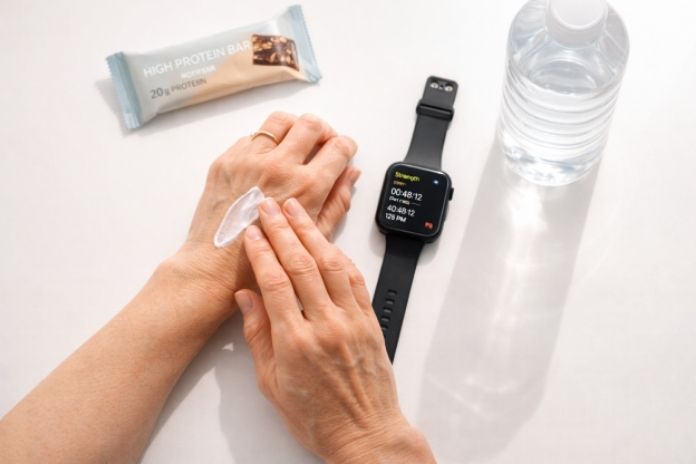
The most effective intervention is slowing the rate of weight loss where medically appropriate. Patients on GLP-1 medications can discuss dose titration with their prescribing physician to moderate the pace of fat reduction if hand or skin changes are a concern.
Protein intake is critical. Most guidelines recommend 1.2 to 1.6 grams of protein per kilogram of body weight for people in active weight loss phases, particularly when lean mass preservation is a goal. This requires planning when appetite is substantially suppressed. Resistance training has dual benefits: it preserves lean mass and maintains the structural support that underlies hand and arm tissue.
Hand-specific skincare isn’t commonly discussed but is evidence-adjacent. Daily SPF application to the dorsal hands protects against further collagen degradation. Moisturizers with retinoids or peptides may support collagen synthesis over time, though their impact on already-depleted volume is limited.
Hydration supports overall skin appearance and turgor. Adequate water intake won’t replace lost subcutaneous fat, but dehydration visibly worsens crepey skin and should be avoided, particularly since GLP-1 medications can reduce the sensation of thirst alongside hunger.
When to Consider Medical or Cosmetic Options
For persistent hand volume loss that doesn’t improve with time and lifestyle measures, cosmetic options exist. Dermal fillers, particularly hyaluronic acid-based products like Radiesse or Restylane Lyft, are FDA-approved for hand rejuvenation and can restore dorsal volume effectively. Results typically last 12 to 18 months.
Energy-based treatments, including radiofrequency and ultrasound devices, can stimulate collagen production and improve skin laxity to a degree, though their impact on the hands is more modest than on the face. These are generally better suited as maintenance or adjunct therapies than primary treatments for significant volume loss.
Anyone considering cosmetic intervention should consult a board-certified dermatologist or plastic surgeon with specific experience in hand rejuvenation. The hands are anatomically distinct from the face, and technique matters considerably for both safety and natural-looking results.
Key Takeaway
Here’s the thing: what people call “GLP-1 hand aging” isn’t a side effect of the drug itself; it’s a direct outcome of rapid fat loss. The hands have very little fat to begin with, so when that volume drops quickly, veins, tendons, and bony structures become more visible. The change feels sudden, but the biology behind it is straightforward.
What actually drives the appearance is the mismatch between fat loss and skin adaptation. Weight can drop fast, but collagen remodeling and skin tightening take time. When that gap widens, especially in areas like the hands with minimal structural support, laxity and volume loss become noticeable regardless of how the weight loss was achieved.
There’s also the role of lean mass and overall tissue quality. If protein intake is low and resistance training is missing, the body loses more than just fat. That compounds the visual effect, making tissue look thinner and less supported. Add factors like age, sun exposure, and baseline skin elasticity, and the variation between individuals becomes obvious.
The takeaway is practical. Slowing the rate of loss where possible, prioritizing protein, and maintaining resistance training can help preserve tissue integrity. Pair that with consistent sun protection, especially for the hands, and you give the skin a better chance to adapt. The process can’t be eliminated, but it can absolutely be managed.
References
- University of Oxford. (2026, January 8). New study finds stopping weight-loss drugs linked to faster regain than ending diet.
- National Institutes of Health. (2026). Article PMC12370548.
- Association of American Medical Colleges. (2026). GLP-1 pills for weight loss are here: How will they change obesity care?
- ScienceDirect. (2026). Research article S2666379126000820.
- The New York Times. (2026, March 2). GLP-1 muscle loss.
- Torrance Memorial Medical Center. (2026). Weight loss stalling while on GLP-1s.
- Harvard Health Publishing. (2026). How does Ozempic work? Understanding GLP-1s for diabetes, weight loss, and beyond.
- Baylor Scott & White Health. (2026). GLP-1 for weight loss.
- CLGF. (2026). Stopping GLP-1 after weight loss: Researchers warn of rapid weight regain.
- UK Government. (2026). GLP-1 medicines for weight loss and diabetes: What you need to know.
- Cleveland Clinic. (2026). GLP-1 diet.
- Teladoc Health. (2026). Maintaining your GLP-1 drug weight loss.
- Stamford Health. (2026). GLP-1 pills: What to know.
In this Article