
















It might be very annoying to have a persistent facial redness, especially if it doesn’t respond to any typical sensitivity or acne treatments. Many people think it’s rosacea, but keratosis pilaris rubra faciei is another frequently overlooked condition. In contrast to traditional keratosis pilaris, its mild rough texture and redness often lead people to misdiagnose this variant as something else.
This article will discuss the symptoms of facial keratosis pilaris redness, how it varies from related conditions like rosacea or eczema, the underlying causes, such as follicular keratinization and skin barrier dysfunction, and the best ways to treat it, including keratosis pilaris rubra treatment options and helpful skincare routines.
- Persistent facial redness with tiny rough bumps may indicate keratosis pilaris rubra, not acne or rosacea.
- Focus on gentle exfoliation, hydration, and barrier repair to reduce redness and smooth texture.
- Avoid harsh scrubs, hot water, and fragranced products; they worsen irritation and delay improvement.
Read More: Effective Home Remedies for Keratosis Pilaris
What Is Keratosis Pilaris Rubra?
A clinical variation of keratosis pilaris (KP), keratosis pilaris rubra (KPR), is characterized by a backdrop of confluent erythema and a large number of “grainlike” follicular papules. It typically appears on the face, trunk, and outer upper extremities.
Its erythema distinguishes it from erythromelanosis follicularis faciei et colli, and its absence of atrophy distinguishes it from keratosis pilaris atrophicans.
Topical treatments such as emollients, keratolytics (urea, lactic acid, and salicylic acid), retinoids, corticosteroids, and vitamin D analogs are frequently ineffective, and no gold standard of care has been established.
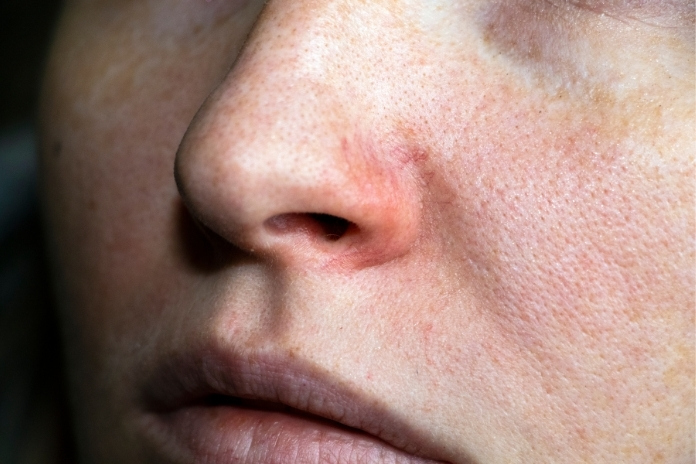
Flesh-colored lumps with little redness are the classic manifestation of keratosis pilaris. Conversely, cheeks with keratosis pilaris rubra exhibit the following:
- Noticeable redness
- Increased flushing of the blood vessels
- More visible irritation
Keratosis pilaris rubra frequently impacts the following areas:
- The cheeks
- The temples (but less common)
- Occasionally on the jawline
Signs Your Facial Redness May Be Keratosis Pilaris Rubra
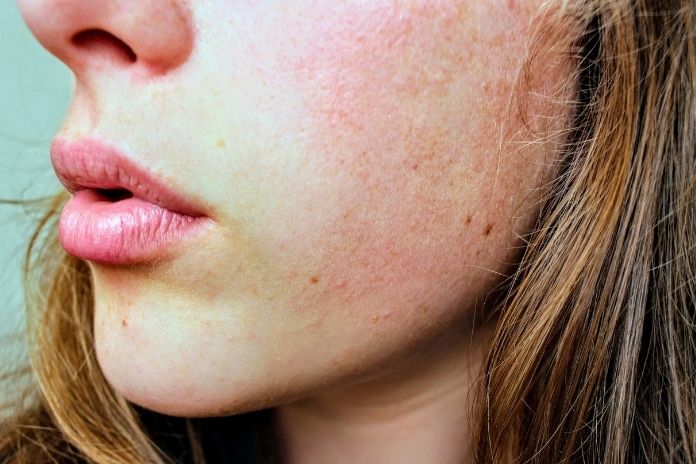
Recognizing patterns of facial redness without acne can help you identify KPR early.
Small, thick areas of rough, sandpaper-like red pimples characterize the symptoms. Usually beginning in early childhood, the illness affects the cheekbones, forehead, and eyebrows.
The bumps are typically not pus-filled, unlike acne. Heat, stress, and sun exposure can exacerbate the redness, raising serious cosmetic concerns.
Read More: Top 10 Skincare Ingredients for Radiant and Healthy Skin
Keratosis Pilaris Rubra vs Other Causes of Facial Redness
Since a number of disorders might mimic KPR, a proper dermatologic differential diagnosis is crucial.
KP Rubra vs Rosacea
It’s very important to distinguish between rosacea and KP rubra:
- Flushing triggers: While KPR is more stable, heat, alcohol, and spicy food exacerbate rosacea.
- Visible blood vessels: Rare in KPR, common in rosacea.
- Acne-like lesions are absent in KPR but present in rosacea.
KP Rubra vs Sensitive Skin
While keratosis pilaris rubra faciei consistently shows redness and texture, sensitive skin reacts more briefly.
KP Rubra vs Acne-Related Redness
Breakouts are associated with acne redness. Instead, facial redness without acne indicates KPR.
KP Rubra vs Eczema
While KPR is more concerned with texture and erythema, eczema is concerned with itching and dryness.
What Causes Keratosis Pilaris Rubra?
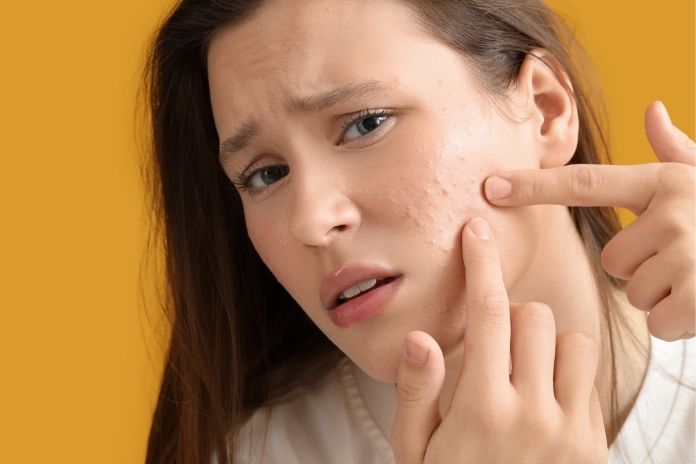
Most of the time, keratosis pilaris is a hereditary disorder that runs in families.
Overproduction of keratin, a skin-protective protein, is the root cause. The little lump is caused by keratin building up around the hair follicles, trapping the hair and obstructing the pore.
The persistent redness, which results from inflammation surrounding the follicle, is shown by the “rubra” component. This inflammation is evident on the surface, as it causes persistent red or pink spots on the forehead and cheeks.
Does Keratosis Pilaris Rubra Improve Over Time?
Many people wonder how to treat keratosis pilaris rubra and whether it fades over time, especially in adults with facial keratosis pilaris. The good news is that although the illness is chronic, not everyone will have it permanently.
As people age, their skin’s texture and oil balance alter, making symptoms less obvious. Even if it doesn’t totally go away, facial keratosis pilaris redness can also greatly improve with regular care, such as mild exfoliation and barrier repair.
Read More: 17 Effective Home Remedies and Treatments for Ringworm
Skincare Ingredients That May Help

The key to effective keratosis pilaris rubra treatment is selecting the proper components.
Gentle Keratolytics
These aid in the decrease of follicular keratinization:
- Lactic acid moisturizes and gently exfoliates
- Urea cream softens keratin accumulation
- Polyhydroxy acids are less harmful substitutes for AHAs
Barrier-Supporting Ingredients
Barrier repair decreases inflammation:
- Ceramides
- Niacinamide lessens redness and enhances tone
Anti-Redness Support
Visible redness may be lessened by ingredients that target vascular flushing.
Skincare Habits That May Worsen KP Rubra
Even the best keratosis pilaris rubra treatment can fail if habits worsen the condition.
- Overuse of powerful exfoliants
- Cleaning with hot water
- Products with a lot of scent
- Aggressive scrubs
These increase skin barrier dysfunction and worsen facial KP symptoms.
How to Build a Simple Routine for KP Rubra-Prone Skin
If you’re wondering how to treat keratosis pilaris rubra, simplicity works best. To make it look better, many people seek treatment. Reducing redness and improving skin texture are the goals of the treatment.
Among the treatments are the following:
- Cleanser without soap (soap might increase dryness)
- Use a moisturizer regularly
- To smooth the skin, gently exfoliate it
- Creams that contain glycolic acid, lactic acid, urea, or salicylic acid
- Topical lotions containing vitamin D and retinoids (vitamin A)
- Consulting with a dermatologist, medical procedures, if suggested, like laser treatment, such as intense pulsed light (IPL), vascular laser, or pulsed dye laser, may be attempted
When to Consider Professional Evaluation
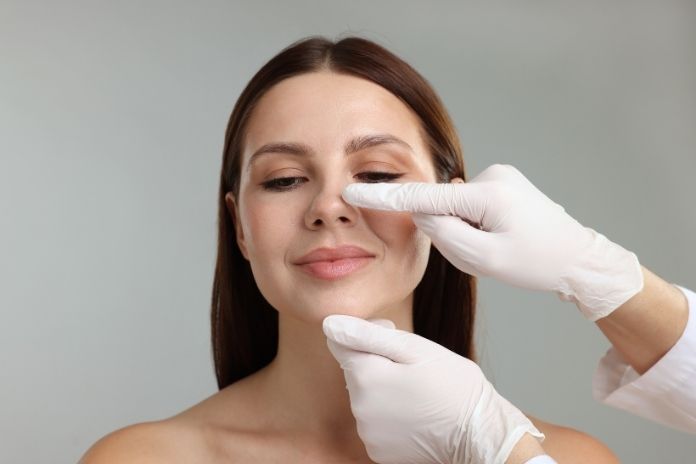
Home care isn’t always sufficient.
Persistent or Worsening Redness: If persistent cheek redness doesn’t improve, seek help.
Burning or Stinging Sensations: Instead of KPR, these symptoms may indicate eczema or rosacea.
Uncertain Diagnosis: A dermatologist can make an appropriate dermatologic differential diagnosis.
Options for treatment a dermatologist might discuss:
- Prescription keratolytics
- Laser treatment for redness
- Therapies for barrier repair
Read More: 22 Benefits of Sweet Almond Oil For Health, Skin, and Hair
Conclusion
Often confused with other causes of redness, keratosis pilaris rubra face is a treatable skin condition. Even if a long-term solution may not exist, understanding its symptoms and triggers greatly improves how effectively people can manage it.
A regular skincare regimen that emphasizes hydration, barrier repair, and mild exfoliation can gradually improve skin texture and reduce noticeable redness.
Additionally, it’s critical to exercise patience because individual outcomes differ and take time to manifest. Seeing a dermatologist can help ensure a precise diagnosis and an individualized treatment plan if symptoms develop or persist.
References
- Eckburg, A., Kazemi, T., & Maguiness, S. (01 March, 2022). Keratosis pilaris rubra successfully treated with topical sirolimus: Report of a case and review of the literature.
- Jama Network. (December 2006). Keratosis Pilaris Rubra; A Common but Underrecognized Condition.
- Australasian College of Dermatologists. Keratosis pilaris rubra faciei.
- Lens.com. What is keratosis pilaris rubra?
- The Derm NP. What is KPRF?
In this Article